2026 New Year Necklace Troubleshooting: Stop Tangles & Tarnish
Hosting or attending a NYE party? Learn how to choose, style, and troubleshoot your 2026 new year necklace to prevent tarnish, tangles, and breakage.

The Hidden Pitfalls of New Year's Eve Jewelry
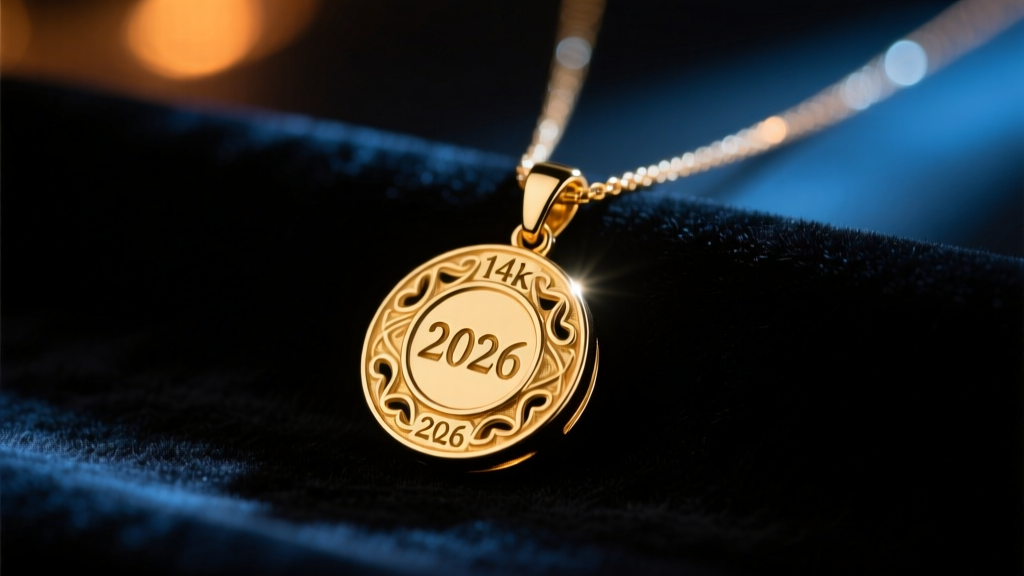
The countdown to midnight is a moment of pure celebration, but for jewelry enthusiasts, the aftermath of a New Year's Eve party often reveals a harsh reality: ruined metal, tangled chains, and lost pendants. The trend of the commemorative new year necklace—featuring "2026" date pendants, zodiac motifs, or festive crystal chokers—has exploded in popularity. However, the unique environment of a NYE celebration (crowded rooms, heavy perspiration, winter coats, and champagne spills) creates a perfect storm for jewelry failure.
As a senior jewelry stylist, I see the same heartbreak every January 1st. Clients bring in blackened silver, knotted chains that require surgical intervention, and broken clasps that resulted in lost heirloom pendants. This comprehensive troubleshooting guide will help you diagnose, prevent, and fix the most common issues associated with your 2026 new year necklace, ensuring your jewelry survives the night looking as pristine as it did at 8:00 PM.
Problem 1: The "Green Skin" and Rapid Tarnish Nightmare
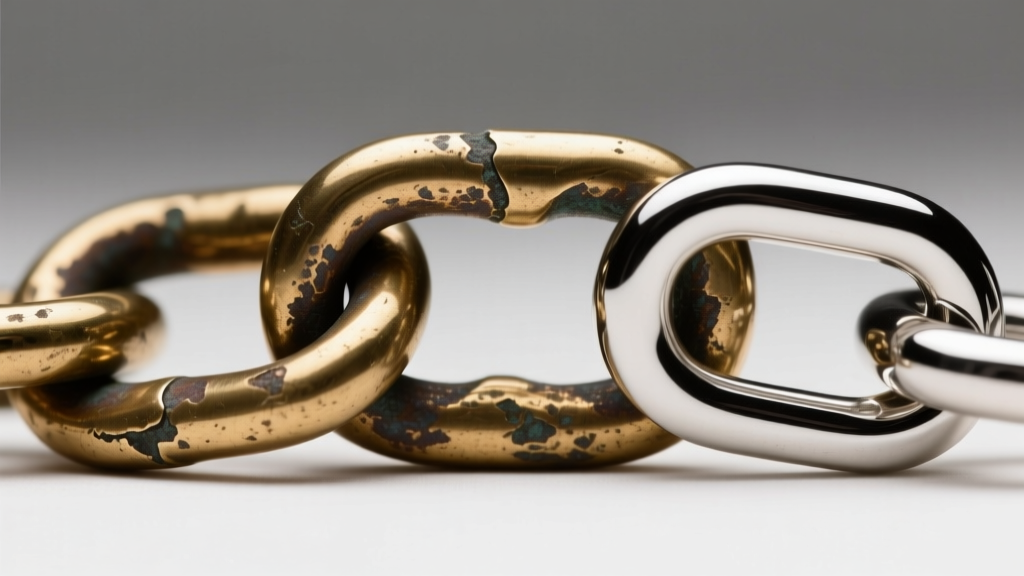
Nothing ruins a midnight toast quite like noticing a green or black ring around your neck. Rapid tarnishing is the number one complaint with festive, budget-friendly new year necklaces. The culprit is almost always the base metal and the chemistry of human sweat.
The Science of Sweat and Sterling Silver
Standard 925 sterling silver contains 7.5% copper to provide structural integrity. According to the Gemological Institute of America (GIA), copper is highly reactive to the chlorides, urea, and ammonia present in human sweat. In a hot, crowded dance floor environment, this reaction accelerates, forming copper chloride (which causes the green skin transfer) and silver sulfide (the black tarnish on the chain).
Troubleshooting & Material Upgrades
If you are shopping for a new year necklace or preparing to wear an existing piece, use this material troubleshooting matrix to guarantee longevity:
- Avoid Brass and Copper Bases: Often sold as "gold-plated novelty pendants," these will turn your skin green within 30 minutes of heavy sweating. The gold plating is typically less than 0.1 microns thick and wears off instantly against friction.
- Upgrade to Argentium Silver: If you love the look of silver, seek out Argentium 935. It replaces some of the copper with germanium, making it virtually impervious to sweat-induced tarnish.
- Verify Rhodium Plating Thickness: If your sterling silver necklace is rhodium-plated, ensure the plating is at least 0.5 microns thick. Anything thinner will wear through the friction of a winter scarf or coat collar before the party even starts.
- The 316L Stainless Steel Alternative: For trendy, chunky "2026" numeral chains, 316L surgical stainless steel is completely non-reactive to sweat and costs a fraction of solid gold.
Problem 2: The Layered Chain Tangling Disaster
Layering is essential for styling a new year necklace, especially when mixing a delicate date pendant with a heavier festive choker. However, mixing incompatible chain weaves creates a friction nightmare that results in microscopic knots, which tighten throughout the night as you move.
The Physics of Chain Friction
Not all chains play well together. A snake chain is essentially a smooth, tightly wound coil of metal. A herringbone chain consists of flat, interlocking links with micro-serrations on the edges. When layered, the herringbone acts like a microscopic saw against the grooves of the snake chain. Within an hour of dancing, they will lock together in a knot so tight it often requires cutting.
Chain Pairing Compatibility Chart
Use this reference guide to troubleshoot your layering strategy before you leave the house:
| Chain Type A | Chain Type B | Friction Risk | Troubleshooting Fix |
|---|---|---|---|
| Snake Chain | Herringbone | Extreme | Avoid pairing entirely; use a multi-strand spacer clasp. |
| Cable Chain | Cable Chain | Low | Ensure at least a 2-inch length difference to prevent catching. |
| Box Chain | Rope Chain | Moderate | Use a heavier gauge (1.5mm+) for the rope chain to reduce wrapping. |
| Paperclip Chain | Curb Chain | High | The flat links interlock; separate with a pearl or bead strand. |
Pro-Tip: If you must layer incompatible weaves, thread a tiny, smooth silicone O-ring (available at any craft store) onto the chains between the collarbone and the pendant. This acts as a friction buffer and stops the chains from wrapping around one another.
Problem 3: Clasp Failures and Lost Pendants
The most tragic NYE jewelry failure is the loss of a pendant. The transition from a freezing outdoor environment to a sweltering indoor party, combined with the friction of removing heavy winter coats, puts immense tensile stress on your necklace clasp.
Diagnosing Weak Clasps
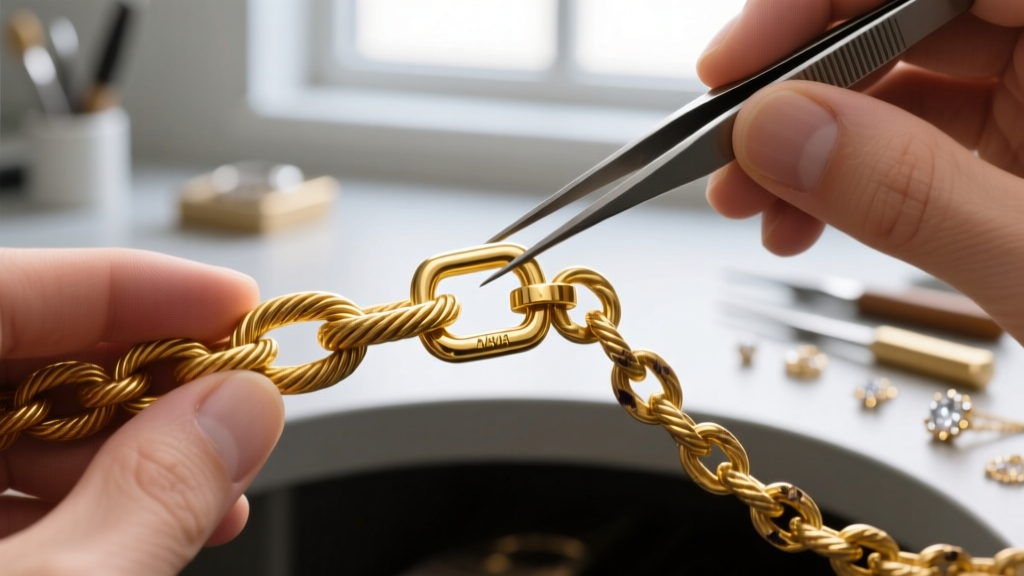
Most mass-produced new year necklaces come with a standard 5mm spring ring clasp. These clasps rely on a tiny internal steel spring that degrades rapidly with temperature fluctuations. A standard spring ring has a tensile failure point of roughly 3 lbs of pressure. A snag on a sequined dress or a wool scarf can easily generate 5 lbs of pull force, popping the clasp open without you feeling a thing.
The Clasp Upgrade Protocol
Before wearing your 2026 necklace, inspect the clasp. If it is a spring ring or a poorly soldered lobster clasp, take it to a local jeweler for a 10-minute upgrade. According to hallmarking and jewelry standards outlined by The London Assay Office, ensuring the structural integrity of your findings is just as important as the purity of the metal.
- The 12mm Lobster Clasp: The gold standard for security. It features a thicker wire (usually 1.2mm or higher) and a robust internal spring that can withstand 15+ lbs of pull force.
- Neodymium Magnetic Clasps: Ideal for those with long acrylic nails who struggle with tiny lobster clasps in dimly lit party environments. Ensure the magnetic housing is made of solid metal, not plated plastic, and has a minimum 5 lb pull-strength rating.
Problem 4: Styling the "Date" Pendant Without Looking Tacky
A specific subset of the new year necklace trend is the literal "2026" date pendant. While sentimental, these can easily cross the line from elegant commemoration to cheap novelty merchandise if not styled correctly.
Troubleshooting the Novelty Look
The problem with most date pendants is poor kerning, blocky sans-serif fonts, and a lack of dimensional depth. To troubleshoot this aesthetic issue, look for pieces that integrate the numerals into a broader design language.
Stylist's Rule of Thumb: Never wear a giant, hollow-stamped numeral pendant on a thin, 0.8mm chain. The visual weight is entirely unbalanced, causing the pendant to flip backward constantly throughout the night.
Instead, seek out "2026" pendants that feature hand-engraved serif typography, or those where the numerals are subtly integrated into an Art Deco geometric frame. Pairing a minimalist gold date pendant with a strand of freshwater baroque pearls elevates the piece from "party favor" to "high fashion," perfectly capturing the sophisticated, Gatsby-esque energy of a New Year's Eve gala.
Your Emergency NYE Jewelry Repair Kit
Even with the best troubleshooting, accidents happen. If you are hosting or attending a major NYE event, keep this micro-kit in your clutch or bathroom vanity:
- Polishing Cloth (Impregnated with Anti-Tarnish Agents): For wiping away sweat and champagne splashes immediately. Do not use liquid silver dips, as they will strip the patina and damage any porous gemstones like pearls or opals.
- Two 5mm Jump Rings and a Mini Pliers: If a chain link snaps or a clasp breaks, you can temporarily reattach the pendant to a different chain or bracelet using a jump ring.
- Clear Nail Polish: A classic hack. If you realize your budget brass "2026" pendant is turning your skin green mid-party, a quick coat of clear polish on the back of the pendant creates a temporary, sweat-proof barrier.
- Baby Powder: If a delicate chain knots up, lay it flat on a table, apply a pinch of baby powder to the knot to reduce metal-on-metal friction, and use two sewing needles to gently work the knot loose.
Final Thoughts for 2026
Your new year necklace should be a celebration of the future, not a source of midnight stress. By understanding the metallurgy of your jewelry, respecting the physics of chain layering, and refusing to compromise on clasp integrity, you can ensure your 2026 pieces remain flawless from the first cocktail to the final countdown. Invest in quality materials, troubleshoot your layering strategy in advance, and step into the new year with confidence and impeccable style.


