Pinecone Necklace Guide: Meanings, Metals, and Styling Tips
Discover everything about the pinecone necklace. Learn about lost-wax casting, metal grades, chain pairing, and care tips for nature-inspired jewelry.

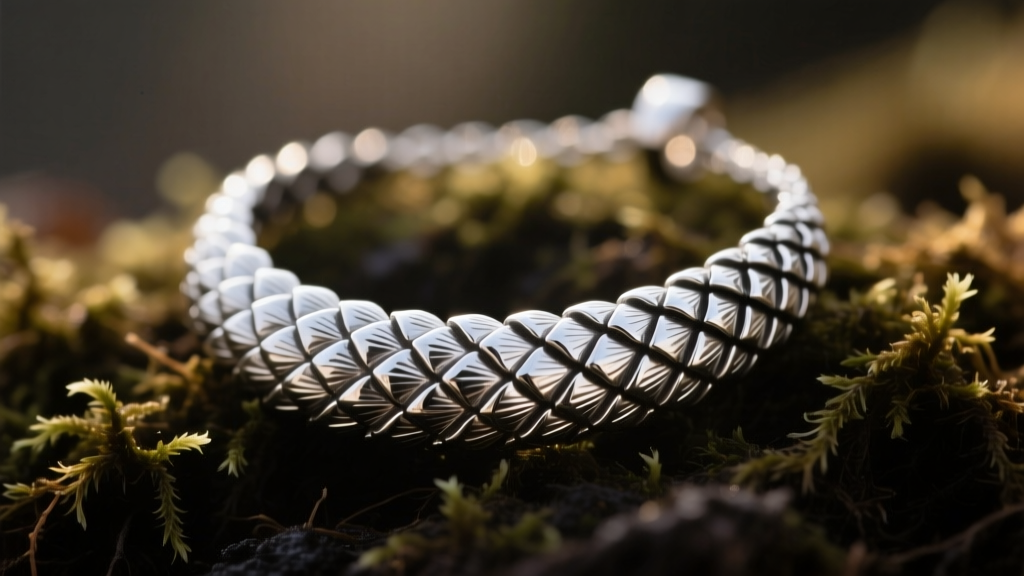
The pinecone necklace has long been a staple in nature-inspired jewelry, beloved for its intricate geometry and deep symbolic roots. For beginners stepping into the world of botanical pendants, the sheer variety of materials, casting methods, and chain pairings can be overwhelming. Unlike flat, stamped charms, a three-dimensional pinecone pendant presents unique challenges regarding weight, durability, and maintenance. This comprehensive guide breaks down everything you need to know about selecting, styling, and caring for a pinecone necklace, ensuring your investment lasts a lifetime.
The Symbolism Behind the Pinecone Pendant
Before diving into metallurgy and chain gauges, it is worth understanding why the pinecone remains such an enduring motif. Historically, pinecones represent enlightenment, resilience, and the Fibonacci sequence. Because they are the reproductive organs of pine trees, they symbolize growth and eternal life. Furthermore, certain species, like the Jack Pine, require the intense heat of forest fires to open their scales and release seeds. This biological quirk has made the pinecone a powerful talisman for overcoming adversity and finding beauty in destruction. When you wear a pinecone necklace, you are wearing a mathematically perfect spiral that also serves as a symbol of personal resilience.
How Pinecone Jewelry is Actually Made
Not all pinecone pendants are created equal. The manufacturing method dictates the realism, weight, and price of your necklace. As a beginner, you will primarily encounter two production methods:
Lost-Wax Casting from Real Specimens
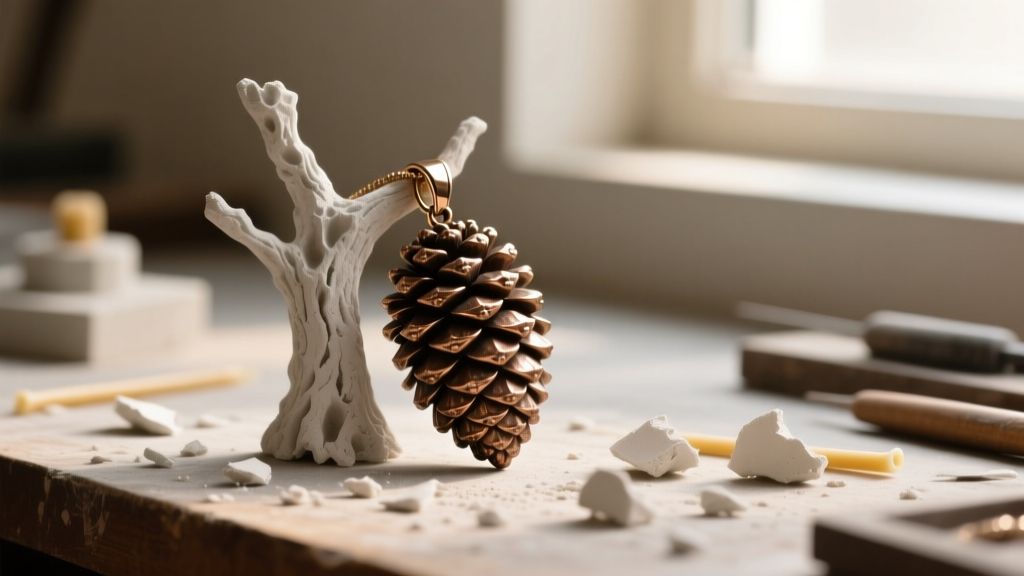
The highest quality pinecone necklaces are created using a technique called lost-wax casting. An artisan selects a perfectly formed, dried pinecone and encases it in a specialized jewelry plaster called investment. The mold is placed in a kiln at roughly 1350°F. The organic pinecone incinerates completely, leaving behind a perfect, microscopic negative void of its cellular structure. Molten metal is then centrifugally forced into this void. According to the Gemological Institute of America (GIA), this ancient technique captures details that digital modeling simply cannot replicate, including the natural asymmetries and tiny imperfections of a real forest specimen.
3D Printing and CAD Modeling
Mass-market pinecone pendants are often designed in CAD (Computer-Aided Design) software and 3D printed in wax before casting. While this method ensures uniformity and lowers the price point, the resulting jewelry often looks overly symmetrical, stiff, and lacks the organic, overlapping depth of a true lost-wax cast. If you want a piece that feels genuinely connected to nature, always look for product descriptions that explicitly mention "cast from a real pinecone."
Choosing the Right Metal for Your Necklace
The metal you choose will affect the pendant's weight, how it ages, and how it interacts with your skin. Pinecones have deep crevices, which means oxidation and patina will settle into the grooves, dramatically altering the look over time.
| Metal Type | Durability & Aging | Best For | Average Price Range |
|---|---|---|---|
| Sterling Silver (925) | Tarnishes in crevices; requires polishing. Hypoallergenic. | Everyday wear; high-contrast detail lovers. | $45 - $120 |
| Bronze / Brass | Develops a dark, earthy patina quickly. Can oxidize skin if unsealed. | Budget buyers; rustic, vintage aesthetics. | $25 - $60 |
| Gold Vermeil (2.5µm) | Resists tarnish but plating can wear off high-friction scales over time. | Sensitive skin; warm-toned wardrobes. | $85 - $160 |
| Solid 14k Gold | Will not tarnish; retains bright finish in deep grooves indefinitely. | Lifetime investments; heirloom gifts. | $350 - $800+ |
For beginners, sterling silver is usually the best entry point. The natural oxidation that occurs in the deep scales of a silver pinecone actually enhances the 3D effect, creating shadows that make the geometric patterns pop. If you choose bronze or brass, ensure the interior bail and backplate are sealed with a clear lacquer to prevent the copper alloys from turning your skin green.
Chain Pairing: Matching the Bail and Texture
A common beginner mistake is pairing a heavy, textured pendant with a delicate chain. A solid cast sterling silver pinecone measuring just one inch in length can weigh between 12 and 18 grams. This is surprisingly heavy for a necklace.
Why Delicate Cable Chains Fail
A standard 1.0mm or 1.2mm cable chain might technically hold the static weight of the pendant, but jewelry is subjected to dynamic stress. Every time you move, the heavy pinecone swings, creating micro-tensions on the chain links and the clasp jump ring. Over time, this causes metal fatigue, leading to a snapped chain and a lost pendant.
The Best Chain Styles for Pinecones
To support the weight and complement the rugged texture of the pendant, opt for structural chains with interlocking links. The Jewelers of America recommends matching the visual weight of the pendant to the chain. Ideal choices include:
- Wheat Chains (2.0mm - 2.5mm): The braided, woven look of a wheat chain mimics the organic, overlapping scales of the pinecone itself.
- Box Chains (2.5mm - 3.0mm): Highly durable and rigid, box chains will not kink and easily support a 20-gram pendant.
- Rope Chains (2.0mm): Offers a twisted, rustic texture that pairs beautifully with woodsy, nature-inspired motifs.
Always ensure the pendant's bail (the loop it hangs from) is large enough to slide freely over the chosen chain's end caps without forcing it, which can warp the bail.

Maintenance: Managing Patina and Textured Grooves
The intricate scales of a pinecone necklace are notorious for trapping skin oils, lotions, perfume residue, and polishing compounds. If left uncleaned, this buildup creates a dull, grayish sludge deep within the crevices.
Routine Cleaning
For regular maintenance, mix a few drops of mild, phosphate-free dish soap into warm water. Soak the pendant for 10 minutes to loosen debris. Use a soft-bristled baby toothbrush or a specialized jewelry detailing brush to gently sweep inside the scales. Never use hard-bristled brushes, as they will leave micro-scratches on the metal surfaces.
Deep Cleaning and Ultrasonic Warnings
Ultrasonic cleaners use high-frequency sound waves to create microscopic cavitation bubbles that blast dirt out of tight spaces. This is incredibly effective for solid silver or solid gold pinecones. However, never put a gold vermeil or resin-filled pinecone into an ultrasonic cleaner. The vibrations will strip the gold plating right off the scales and can shatter any internal resin cores used to reduce weight in cheaper models.
Pricing Tiers: What Should You Expect to Pay?
When shopping for your first pinecone necklace, price is a strong indicator of the manufacturing method and material quality.
- Under $30 (Mass Market): Usually made from plated base metals or pewter. The details will look soft and slightly melted due to cheap rubber mold casting. Expect the plating to wear off within a year.
- $40 to $90 (Artisan Silver): The sweet spot for beginners. These are typically solid 925 sterling silver pieces cast from real specimens using the lost-wax method. They offer excellent detail, durability, and a satisfying weight.
- $100 to $250 (Premium & Vermeil): Includes heavy gold vermeil over solid silver, or oxidized silver pieces that have been hand-brushed by a jeweler to highlight the edges of the scales.
By understanding the metallurgy, casting techniques, and structural requirements of a pinecone necklace, you can confidently select a piece that is not only beautiful but engineered to last. Whether you choose a bright, polished silver piece or a dark, oxidized bronze talisman, your pendant will serve as a daily reminder of nature's perfect geometry.


