Ursula Necklace Buyer's Guide: Budget & Value Assessment
Discover the true value of an Ursula necklace. We break down pricing tiers, metal grades, and gemstone quality to help you buy smart.

The Enduring Allure of the Sea Witch Aesthetic
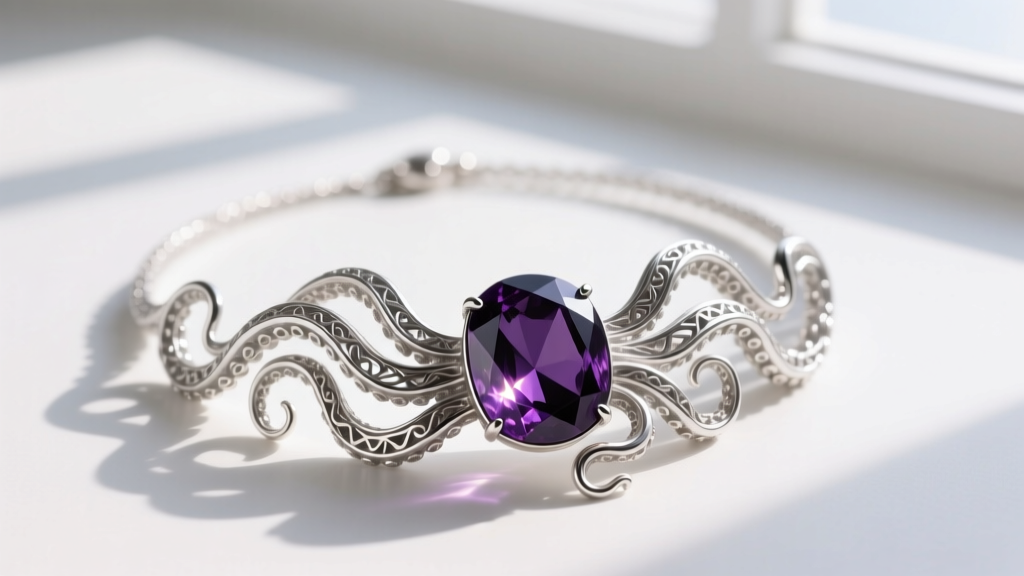
As we navigate the 2026 jewelry market, the Ursula necklace has firmly transitioned from a niche pop-culture accessory into a staple of dark-glamour and oceanic-core fashion. Characterized by sweeping octopus tentacles, deep violet or black gemstones, and dramatic silhouettes, these pendants command attention. However, the surge in demand has flooded the market with everything from $15 fast-fashion replicas to $800 fine-jewelry interpretations. For the discerning buyer, understanding the true value of an Ursula necklace requires looking past the theatrical design and evaluating the metallurgy, gemstone grading, and structural integrity of the piece.
Whether you are investing in a daily-wear sterling silver piece or a high-end gold vermeil statement pendant, this budget and value assessment will help you determine exactly what you should be paying—and what red flags to avoid.
Decoding the Price Tiers: What Are You Actually Paying For?
The pricing of sea witch-inspired jewelry varies wildly based on material sourcing and manufacturing techniques. Below is a structured breakdown of the three primary market tiers you will encounter when shopping for an Ursula necklace.
| Tier | Price Range | Base Metal | Gemstones & Accents | Expected Lifespan |
|---|---|---|---|---|
| Fast Fashion | $12 - $35 | Zinc Alloy / Brass | Acrylic, Dyed Howlite | 6 - 12 Months |
| Mid-Range Artisan | $65 - $160 | 925 Sterling Silver | Natural Amethyst, Onyx | 5+ Years |
| Fine Jewelry | $250 - $850+ | 14k/18k Gold, Vermeil | AAA Amethyst, Diamonds | Lifetime / Heirloom |
The mid-range artisan tier offers the highest value-to-cost ratio. At this level, you are paying for hypoallergenic metals and genuine semi-precious stones that will not degrade with daily wear.
Metallurgy and Chain Mechanics: The Hidden Costs
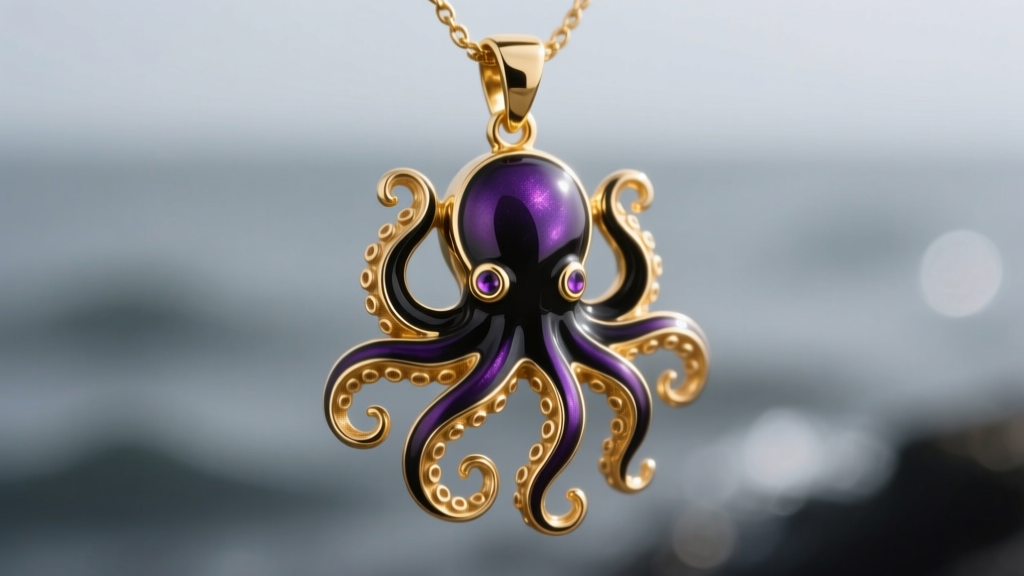
The most common failure point in any heavy pendant necklace is the chain and the bail (the loop connecting the pendant to the chain). Ursula pendants, with their sprawling tentacle designs, are inherently front-heavy and prone to catching on clothing.
Base Metals vs. Precious Alloys
Cheap Ursula necklaces are typically cast from zinc alloy. While zinc allows for highly detailed, inexpensive molds, it is brittle. The thinnest parts of the tentacles—specifically the suction cup detailing—are highly susceptible to metal fatigue and will snap if bent. Furthermore, zinc alloys are often plated with a microscopic layer of silver or gold that wears off within weeks, exposing the reactive base metal which can cause severe skin discoloration and contact dermatitis.
Conversely, a genuine 925 sterling silver Ursula necklace provides the necessary tensile strength to support the intricate casting without snapping. According to the FTC Jewelry Guides, sterling silver must contain at least 92.5% pure silver, ensuring a durable, hypoallergenic foundation that can be polished back to life if it tarnishes.
Chain Gauge and Clasp Integrity
Never pair a heavy, solid-silver Ursula pendant with a delicate 0.8mm cable chain. The weight of the pendant will warp the links over time. For optimal value and longevity, ensure the necklace features a wheat or rope chain with a minimum thickness of 1.5mm. Additionally, inspect the clasp: a sturdy lobster clasp is mandatory. Spring-ring clasps, frequently used on budget tiers, lack the internal spring tension to secure a heavy pendant and will inevitably pop open, leading to lost jewelry.
Gemstone and Enamel Valuation
The focal point of many Ursula necklaces is the 'potion bottle' or central gemstone clutched by the tentacles. The material used here drastically alters the price and value of the piece.
- Dyed Howlite or Glass ($10 - $40 value): Often sold as 'black onyx' or 'deep purple amethyst' in budget tiers. Dyed howlite has a Mohs hardness of just 3.5, meaning it will scratch and chip easily against the metal tentacles.
- Natural Amethyst & Onyx ($60 - $150 value): Genuine amethyst (Mohs 7) is ideal for daily wear. When evaluating an Ursula necklace with amethyst, look for deep, saturated violet hues with minimal visible inclusions. The Gemological Institute of America (GIA) notes that the most valuable amethysts possess a strong reddish-purple color without visible color zoning.
- Enamel Work: Mid-range pieces often use cold enamel (an epoxy resin) to color the suction cups in vibrant purples and blacks. While visually striking, cold enamel can yellow or chip after 3-4 years of heavy wear. Fine jewelry tiers utilize vitreous enamel (fired glass), which is fused to the metal at high temperatures, offering permanent, scratch-resistant color.
How to Spot Overpriced 'Fast Fashion' Replicas
Not all expensive-looking jewelry holds actual value. Many drop-shipped brands mark up $20 zinc-alloy Ursula necklaces to $85 by using deceptive marketing terms. Here is your actionable checklist to avoid overpaying:
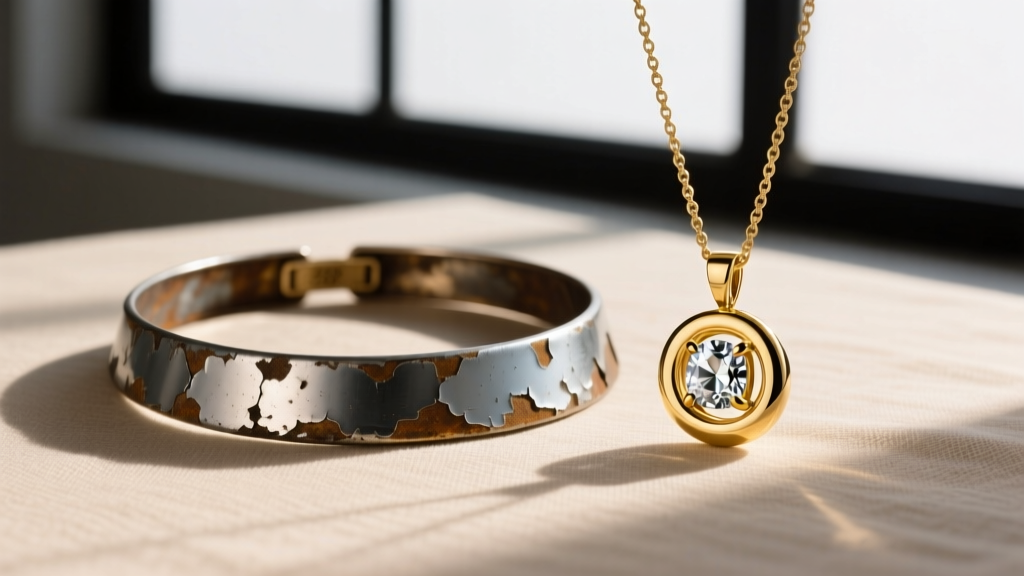
- The Weight Test: Genuine 925 silver and solid brass have a distinct, heavy heft. If the pendant feels suspiciously light and hollow, it is likely cheap aluminum or thin-plated plastic resin.
- Gemstone Settings: Look closely at how the central stone is held. Budget pieces use toxic, water-soluble glues. If you see a visible rim of dried glue, or if the stone is simply bezel-pushed without secure prongs, the stone will fall out the first time you wash your hands or apply sanitizer.
- Hallmark Verification: A legitimate mid-range or fine Ursula necklace will be stamped with '925', '14k', or '925 ITA' on the back of the pendant bail or the clasp ring. If there is no stamp, assume it is base metal.
Pro Tip: If a brand claims a piece is 'Tibetan Silver' or 'Alpaca Silver', be aware that these are traditional trade names for copper-nickel-zinc alloys. They contain zero actual silver and will rapidly oxidize to a dull, muddy brown.
Final Verdict: Maximizing Your Investment
An Ursula necklace is a bold, expressive piece of jewelry that deserves quality craftsmanship. To get the best value in 2026, set a budget between $80 and $150. In this sweet spot, you can secure a solid 925 sterling silver casting, a durable 1.5mm wheat chain, and a genuine, prong-set amethyst or onyx cabochon. Avoid the ultra-cheap fast-fashion traps that will degrade in months, and unless you are seeking a lifetime heirloom piece, you can safely bypass the $500+ fine jewelry tiers. By focusing on metal purity, chain gauge, and secure gemstone settings, you can add a touch of sea-witch magic to your collection without sinking your budget.


