What Are the Hawaiian Necklaces Called? Lei Buying Guide
Discover what Hawaiian necklaces are called, from traditional leis to Niho Palaoa. Learn materials, pricing, and how to buy authentic pieces.

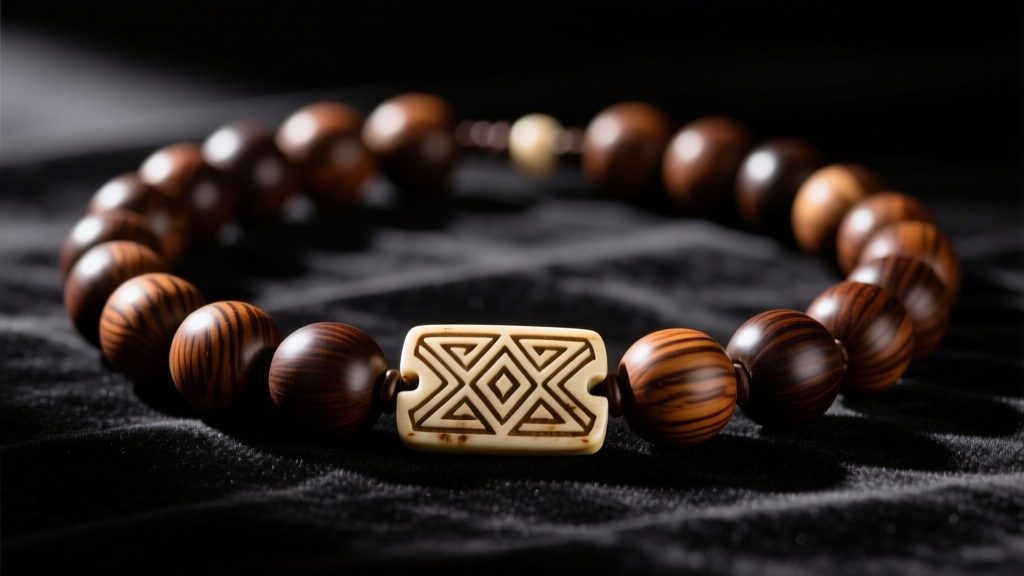
When exploring the rich heritage of Polynesian adornment, a common question arises among collectors and travelers alike: what are the hawaiian necklaces called? The most widely recognized umbrella term is the lei. However, reducing Hawaiian neckwear to just the floral garlands handed out at airports does a disservice to a complex, deeply spiritual, and highly crafted jewelry tradition. From permanent heirloom pendants to intricate shell strands, Hawaiian necklaces are a masterclass in natural material manipulation and cultural storytelling.
In this comprehensive buying guide, we will decode the terminology, explore the specific types of traditional and contemporary Hawaiian necklaces, and provide you with the exact metrics needed to authenticate and purchase genuine pieces in 2026.
The Core Answer: Understanding the Term "Lei"
In the Hawaiian language, a lei is any series of objects strung together with the intent to be worn, most commonly around the neck or head. While the Western world associates the word strictly with fresh orchids or plumeria flowers, a lei can be composed of feathers, shells, seeds, bone, teeth, and even human hair. The creation of a lei is governed by hana noʻeau (the art of making), and the necklaces themselves serve as markers of status, affection, and spiritual connection to the ʻāina (land).
If you are searching for permanent jewelry rather than perishable floral arrangements, you are likely looking for specific sub-categories of the lei, such as the Lei Niho Palaoa, Kukui, or Hei Hei. Understanding these distinct terms is the first step in becoming an informed buyer.
Beyond Flowers: Permanent Hawaiian Necklaces & Heirlooms
When investing in Hawaiian jewelry, it is crucial to differentiate between tourist-grade souvenirs and culturally significant adornments. Here are the primary types of permanent Hawaiian necklaces you will encounter on the market.
Lei Niho Palaoa (The Whale Tooth Pendant)
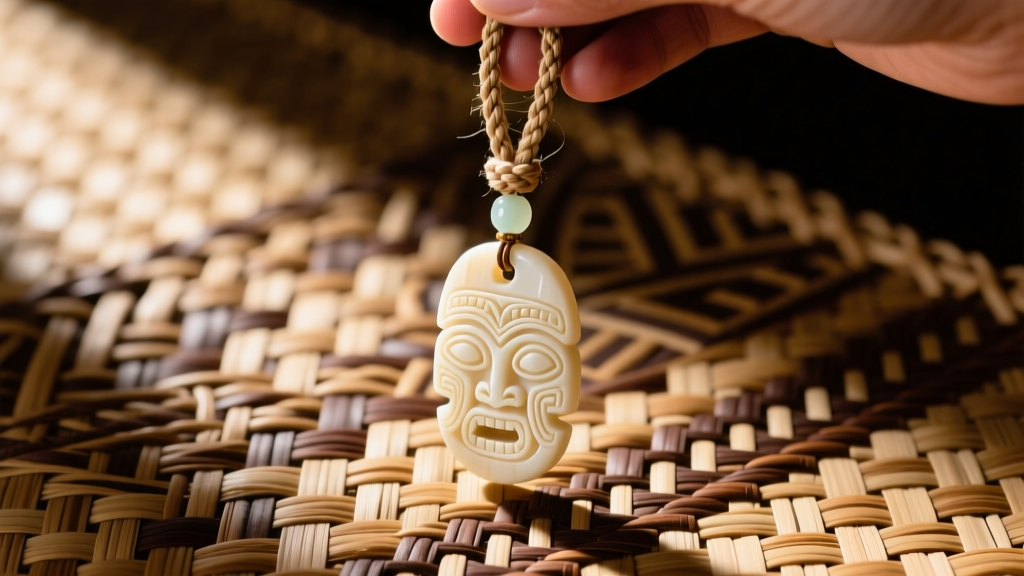
Historically, the Lei Niho Palaoa was the ultimate symbol of aliʻi (royalty) and high chiefs. The pendant itself is a stylized whale tooth, traditionally carved from the teeth of the sperm whale that washed ashore. Today, due to strict international marine conservation laws, authentic vintage sperm whale teeth are exceptionally rare and heavily regulated. Modern artisans carve these iconic crescent-shaped pendants from alternative materials like fossilized walrus ivory, dense cattle bone, or carved wood. The pendant is traditionally suspended on a thick, braided cord of human hair or, in modern iterations, braided sennit (coconut fiber) or olonā cord.
Kukui Nut Leis
The Kukui tree (Aleurites moluccanus) is the official state tree of Hawaii. Its nuts were traditionally polished and strung into leis for royalty. A genuine Kukui nut lei features beads that are painstakingly sanded, polished to a glass-like finish, and often dyed in alternating patterns of dark brown and natural cream. High-grade Kukui necklaces are finished with a custom-carved bone or wood toggle clasp rather than a cheap metal lobster clasp.
Puka Shell and Hei Hei Necklaces
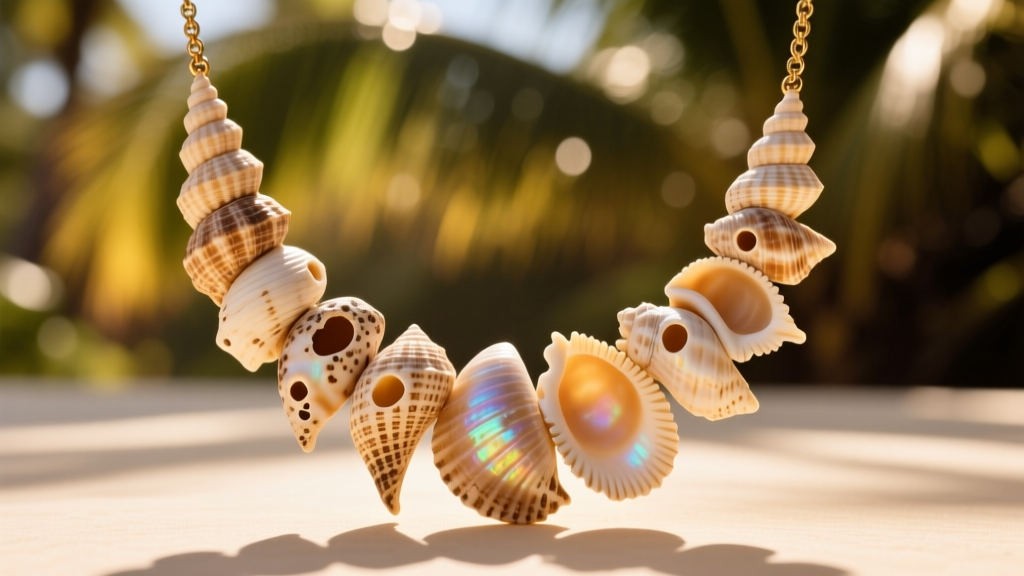
The word puka translates to "hole." Authentic puka shells are not manufactured; they are the naturally occurring, ocean-tumbled apexes of the cone snail (Conus species). The ocean wears away the tip, leaving a perfectly round, natural hole. Hei Hei refers more broadly to intricate shell and bone necklaces, often incorporating tiny cowrie shells, operculum, and carved bone beads in complex, multi-strand geometric patterns.
Material Authenticity and Pricing Guide
The market is flooded with mass-produced imitations. Use this framework to evaluate authenticity and understand current pricing tiers for genuine Hawaiian necklaces.
| Necklace Type | Authentic Material Markers | Common Imitations (Avoid) | Estimated Price Range (USD) |
|---|---|---|---|
| Kukui Nut | Slight weight variations, natural grain visible under high polish, bone toggle. | Plastic or resin beads, uniform weight, metal clasps. | $45 – $180 |
| Puka Shell | Asymmetrical holes (one side wider), chalky interior, varied shell thickness. | Clay beads, tumbled broken shells with drilled holes. | $120 – $600+ |
| Niho Palaoa | Hand-carved bone/ivory, natural material pores, braided natural fiber cord. | Cast resin molds, nylon cords, machine-perfect symmetry. | $250 – $2,500+ |
| Hei Hei (Shell) | Micro-carved bone accents, natural cowrie shells, hand-knotted intervals. | Glued components, dyed plastic shells, elastic string. | $150 – $800 |
Craftsmanship: The Three Methods of Lei Making
When evaluating the quality of a strung Hawaiian necklace, look closely at the assembly technique. Master lei makers employ specific methods that dictate the drape, durability, and value of the piece.
- Kui (Stringing): The most common method where materials are pierced and strung on a single thread. In high-end puka necklaces, look for hand-knotting between each shell to prevent friction and ensure the necklace drapes fluidly rather than stiffly.
- Hili (Braiding): This technique involves braiding three or more strands of material, such as ferns, vines, or in the case of permanent jewelry, braided leather or sennit cords used to suspend heavy pendants like the Niho Palaoa.
- Haku (Sewing/Mounting): While mostly used for floral headpieces (haku lei), this technique is sometimes adapted for permanent jewelry where small shells or seeds are meticulously stitched onto a backing of woven lauhala (pandanus leaf) or kapa cloth.
Cultural Etiquette: Wearing and Caring for Your Lei
Purchasing a Hawaiian necklace is only half the journey; understanding how to wear and care for it is equally important. According to cultural guidelines preserved by institutions like the Bernice Pauahi Bishop Museum, a lei is a physical manifestation of aloha and should be treated with deep respect.
Wearing Guidelines: A closed lei (a continuous circle) should be draped over the shoulders, allowing it to hang evenly in the front and back. It should never be worn like a Western pendant on a long chain. Open-ended leis are tied gently at the side or back of the neck.
Care and Maintenance: Natural materials like Kukui nuts and bone are sensitive to extreme dryness and harsh chemicals. Never wear your Kukui or bone leis in chlorinated pools or saltwater. To maintain the luster of polished nuts and carved bone, gently rub them with a tiny amount of natural macadamia nut oil or coconut oil once every six months. Store them flat in a breathable cloth bag, away from direct, prolonged sunlight which can cause bone to crack and natural fibers to become brittle.
Where to Source Authentic Hawaiian Jewelry
To ensure your purchase supports native artisans and respects cultural intellectual property, avoid generic airport gift shops. Instead, seek out certified native Hawaiian artists and established cultural cooperatives. The Hawaii Tourism Authority frequently highlights local artisan markets, such as the Honolulu Museum of Art School's craft fairs and the weekly markets in Kapaa, Kauai. Additionally, organizations supported by the University of Hawaii often host symposiums and sales featuring vetted, master-level practitioners of hana noʻeau.
When buying online, look for sellers who provide the specific botanical or zoological names of their materials, detail their harvesting practices (e.g., "ocean-tumbled" or "ethically sourced bone"), and share the story of the artisan. Authenticity in Hawaiian jewelry is not just about the material; it is about the lineage, the intention, and the hands that crafted it.
Final Thoughts for the Conscious Buyer
Understanding what Hawaiian necklaces are called opens the door to a profound appreciation of Polynesian artistry. Whether you are investing in a heavy, carved bone Lei Niho Palaoa as a family heirloom, or selecting a meticulously hand-knotted strand of genuine puka for everyday wear, prioritizing natural materials, traditional construction methods, and artisan transparency will ensure your piece carries the true spirit of the islands.


