Identifying a Vintage Anne Klein Necklace: Hallmarks & Metals
Master the authentication of a vintage Anne Klein necklace. Explore hallmarks, base metals, enamel techniques, and current market pricing tiers.

The Anatomy of 1970s and 1980s Anne Klein Fashion Jewelry
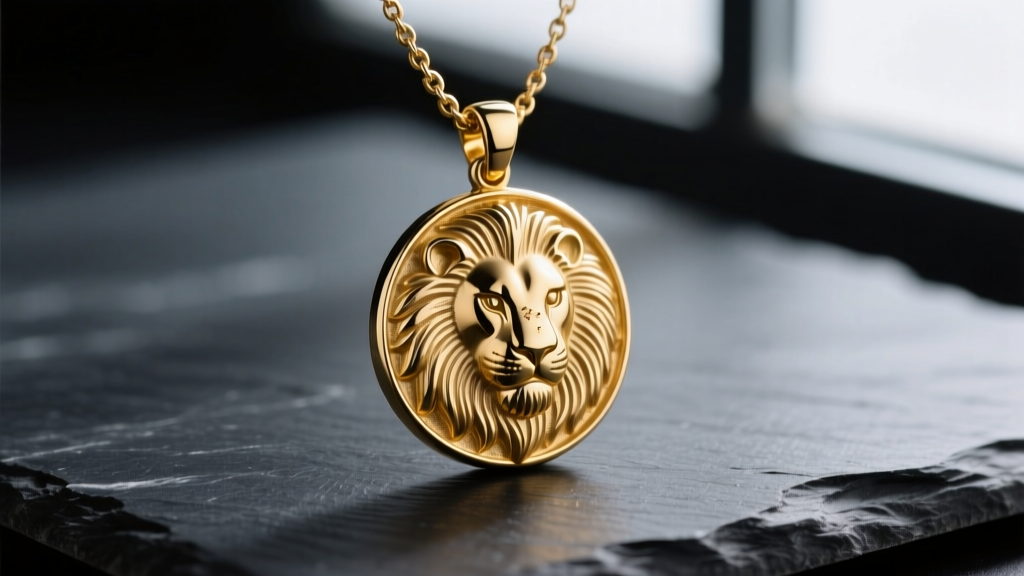
When evaluating a vintage Anne Klein necklace, it is crucial to understand that Anne Klein herself was a fashion designer, not a jeweler. The brand’s iconic jewelry lines were produced under licensing agreements, most notably by Swank Inc. during the 1970s and 1980s. This manufacturing partnership defined the technical specifications of the era's pieces, characterized by heavy gold electroplating, bold geometric silhouettes, and the brand's signature lion motif—a nod to Klein’s Leo zodiac sign. Authenticating these pieces requires moving beyond superficial visual checks and examining the metallurgical and structural hallmarks that separate genuine Swank-era production from later mass-market reproductions.
Decoding the Hallmarks: Signatures and Stamps
The most definitive step in verifying a vintage Anne Klein necklace is locating and analyzing the maker's mark. Hallmarks evolved significantly between 1975 and 1995. Use a 10x jeweler's loupe to inspect the reverse of the pendant, the back of the toggle bar, or the interior of the fold-over clasp.
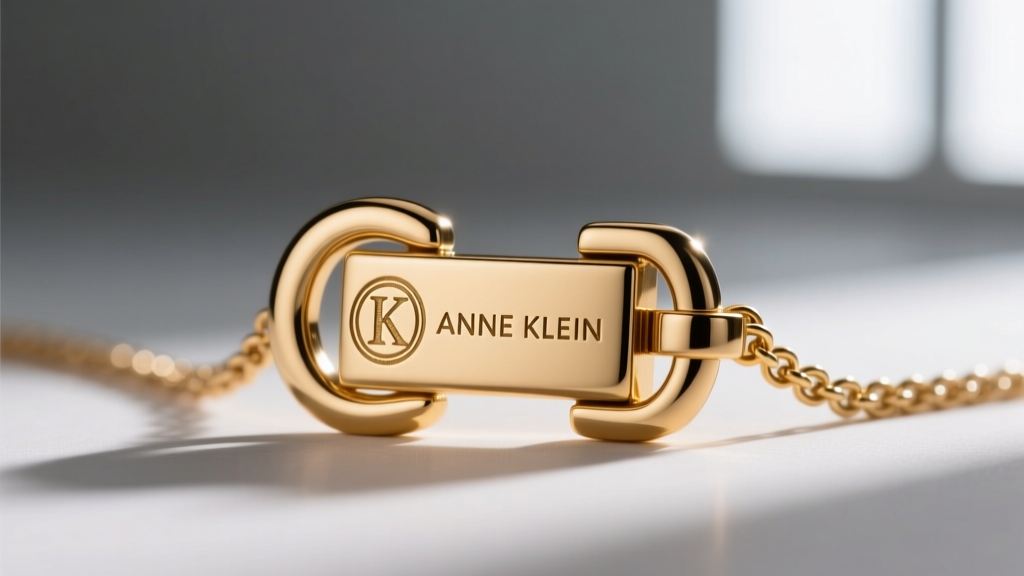
- The Block Signature (1970s): Early pieces often feature "ANNE KLEIN" stamped in clean, sans-serif block letters without a copyright symbol.
- The Copyright Era (Late 1970s–1980s): The introduction of the "©" symbol preceding or following the name is a primary indicator of mid-era production. You will frequently see "© ANNE KLEIN" stamped deeply into the brass base metal.
- The Lion Motif (1980s): Many authentic 1980s medallion necklaces feature a heavily textured, three-dimensional lion's head. The reverse of these medallions should bear a crisp, deeply struck copyright stamp. Shallow or blurred lion casting is a common failure mode in counterfeit pieces.
- The Interlocking AK (1990s): Later vintage pieces transitioned to an interlocking "AK" logo, often accompanied by the full name on a separate hangtag or clasp plate.
Base Metals and Plating Techniques
Unlike fine jewelry, vintage Anne Klein necklaces are classified as high-end costume jewelry. The structural integrity relies on the base metal, while the aesthetic relies on the plating.
Jeweler's Brass and White Metal
The primary base metal for chain links and medallions is jeweler's brass (an alloy of copper and zinc), chosen for its malleability and ability to take a high polish before plating. Cast elements, such as intricate lion pendants or geometric clasps, were sometimes poured into white metal (a pot metal alloy containing zinc, tin, and lead). Over time, white metal is susceptible to "pot metal rot"—a structural crumbling caused by internal oxidation. If a heavy pendant feels unusually light or shows micro-fractures near the bail, the white metal core is degrading.
Gold Electroplating Specifications
Authentic 1980s Anne Klein necklaces feature heavy gold electroplating, typically ranging from 1 to 3 microns in thickness, applied over a nickel strike layer to ensure adhesion to the brass. This is substantially thicker than modern flash plating (which is often less than 0.5 microns). However, the nickel strike layer presents a known failure mode: contact with sweat and acidic skin pH can cause the brass to oxidize beneath the plating, resulting in verdigris (green copper carbonate buildup) that eventually blisters the gold surface.
Enamel and Rhinestone Specifications
Anne Klein’s use of color was heavily reliant on enamel and glass rhinestones. Understanding the chemical composition of these materials is vital for both authentication and conservation.
| Material Feature | Technical Specification | Authentication & Failure Modes |
|---|---|---|
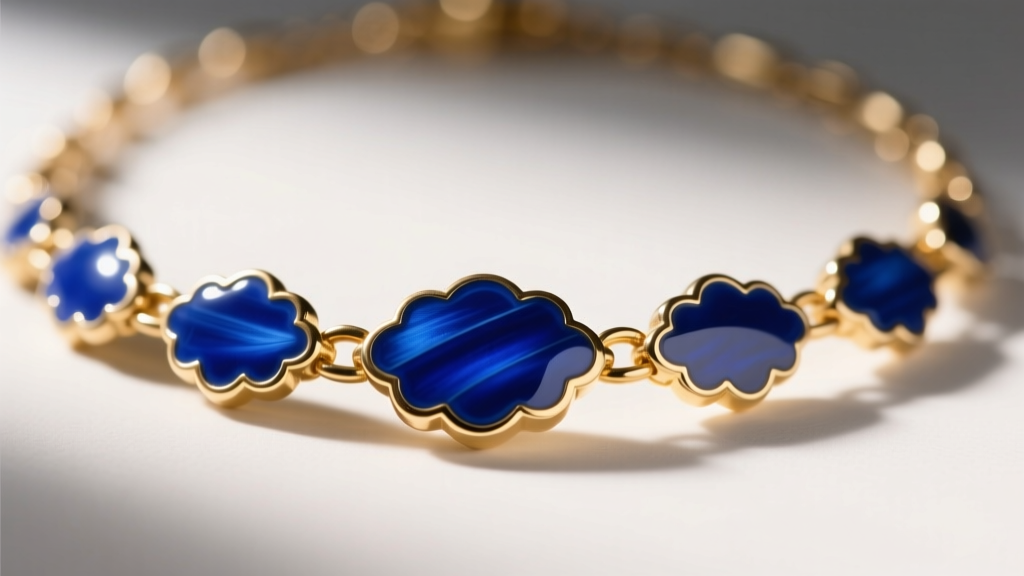
| Enamel Type | Epoxy Resin (Cold Enamel) | Unlike kiln-fired vitreous enamel, cold enamel is a two-part epoxy. It is prone to UV-induced yellowing (especially in white and ivory pieces) and will dissolve if exposed to acetone or alcohol-based solvents. |
| Rhinestones | Foil-Backed Glass Chatons | High-end AK pieces utilize prong-set, faceted glass stones with silver or gold foil backing. Glued-in stones or cloudy foil backs (caused by moisture ingress) significantly reduce collector value. |
| Faux Pearls | Coated Glass Beads | Created using a pearlescent coating over a solid glass core. Authentic pieces have a heavy, cool-to-the-touch feel. Failure mode includes peeling of the nacre-like coating near the drill holes. |
Market Valuation and Pricing Tiers (2026 Data)
The secondary market for vintage fashion jewelry has matured, with collectors prioritizing pristine plating and rare runway motifs. According to recent auction archives tracked by Invaluable and antique valuation databases like Kovels, pricing for a vintage Anne Klein necklace in 2026 is strictly tiered by condition, rarity, and motif.
| Necklace Category | Defining Characteristics | 2026 Market Value (USD) |
|---|---|---|
| Standard Link Chains | Herringbone or curb chains, simple toggle clasps, no pendants. | $45 – $85 |
| Enamel & Geometric Pendants | Intact cold enamel, bold 1980s shapes, minor plating wear on high points. | $110 – $180 |
| Iconic Lion Medallions | Heavy 3D lion pendants, pristine gold plating, deep hallmark stamps. | $200 – $350 |
| Runway / Pearl & Gold Sets | Multi-strand faux pearl and gold link bib necklaces with original extender chains. | $400 – $750+ |
Restoration and Preventative Conservation
Preserving a vintage Anne Klein necklace requires abandoning traditional jewelry cleaning methods. The combination of epoxy enamel, foil-backed rhinestones, and micron-thin gold plating means that ultrasonic cleaners and commercial silver dips are strictly prohibited. Ultrasonic vibrations will shatter the foil backing on rhinestones, while chemical dips will instantly strip the gold electroplating from the brass base.
Expert Conservation Protocol: To remove surface oils and light verdigris, use a soft microfiber cloth lightly dampened with distilled water and a drop of pH-neutral soap. Gently wipe the brass and plated areas, avoiding direct contact with the cold enamel. For long-term storage, seal the necklace in an anti-tarnish ziplock bag with a silica gel desiccant packet to halt copper oxidation. Apply a micro-thin layer of Renaissance Wax to the gold-plated brass links using a cotton swab to create a barrier against ambient humidity.
By mastering these technical details—from the depth of the copyright stamp to the micron thickness of the gold plate—collectors and stylists can confidently navigate the vintage market, ensuring they acquire authentic, structurally sound pieces that embody the bold legacy of 1980s American fashion jewelry.