Expert Care and Cleaning Guide for a Gold Horn Necklace
Learn expert tips to clean, polish, and maintain your gold horn necklace. Discover safe solutions for 14k and 18k gold crevices and chain care.

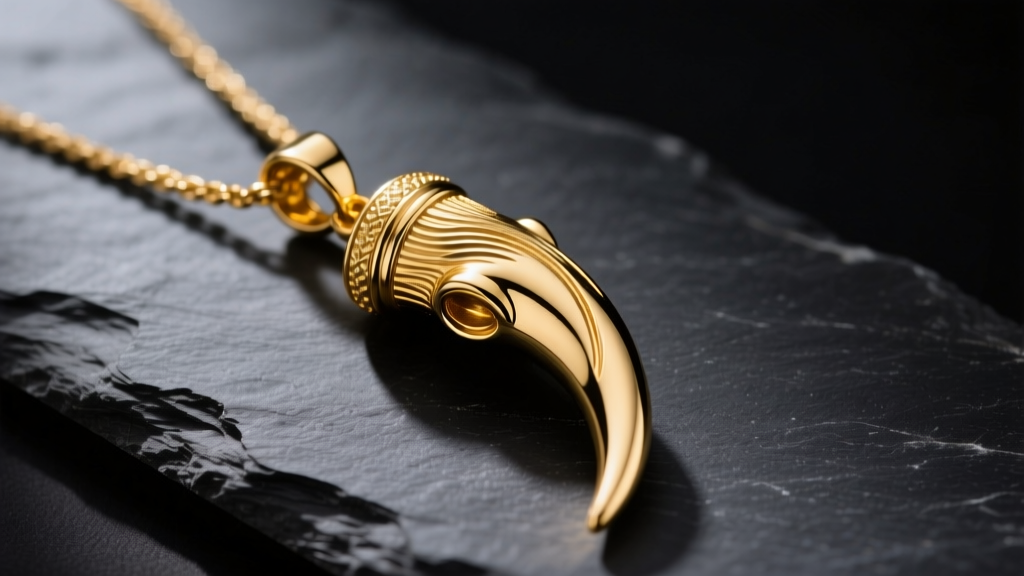
The Unique Maintenance Needs of a Gold Horn Necklace
A gold horn necklace is more than just a striking piece of jewelry; it is a timeless talisman symbolizing strength, protection, and abundance. However, the very design elements that make horn pendants so visually captivating—deep curves, hammered textures, and intricate ridges—also make them notorious traps for dead skin cells, cosmetic residues, and environmental pollutants. Unlike a simple, flat gold disc pendant, a three-dimensional horn charm requires a highly specific, methodical approach to cleaning and maintenance. Whether your piece is a delicate 18k Italian horn (cornicello) or a bold, textured 14k gold horn necklace, understanding the metallurgy and geometry of your jewelry is the first step toward preserving its luster for generations.
Understanding Your Gold Karat and Alloy Composition
Before applying any cleaning solution, you must identify the karat weight of your necklace. Pure 24k gold is virtually immune to tarnish but is far too soft for detailed jewelry; it would dent and warp under daily wear. Therefore, horn pendants are typically cast in 14k or 18k gold. According to the Gemological Institute of America (GIA), the alloy metals mixed with pure gold dictate how the piece reacts to chemicals and abrasion.
- 18k Gold (75% Pure): Prized for its rich, buttery yellow hue, 18k gold is softer and more susceptible to micro-scratches. It requires gentle, non-abrasive cleaning methods to maintain a high-polish finish.
- 14k Gold (58.3% Pure): Alloyed with higher amounts of copper, silver, and zinc, 14k gold is highly durable. However, the copper content makes it vulnerable to oxidation and tarnish when exposed to sulfur, chlorine, or acidic sweat.
- 10k Gold (41.7% Pure): The most durable but least pure option. It is highly prone to tarnishing and requires more frequent polishing to remove alloy oxidation.
Anatomy of the Horn: Identifying Dirt Traps
The structural design of a horn pendant introduces unique maintenance challenges. Many gold horn necklaces are created using the lost-wax casting method, which can leave microscopic porosity on the metal's surface. Furthermore, to keep the pendant lightweight and comfortable, jewelers often cast the horn as a hollow shell. If water or cleaning solutions become trapped inside a hollow horn pendant, they can cause internal degradation or create a breeding ground for bacteria, leading to a foul odor against the skin.
The Curved Crevices
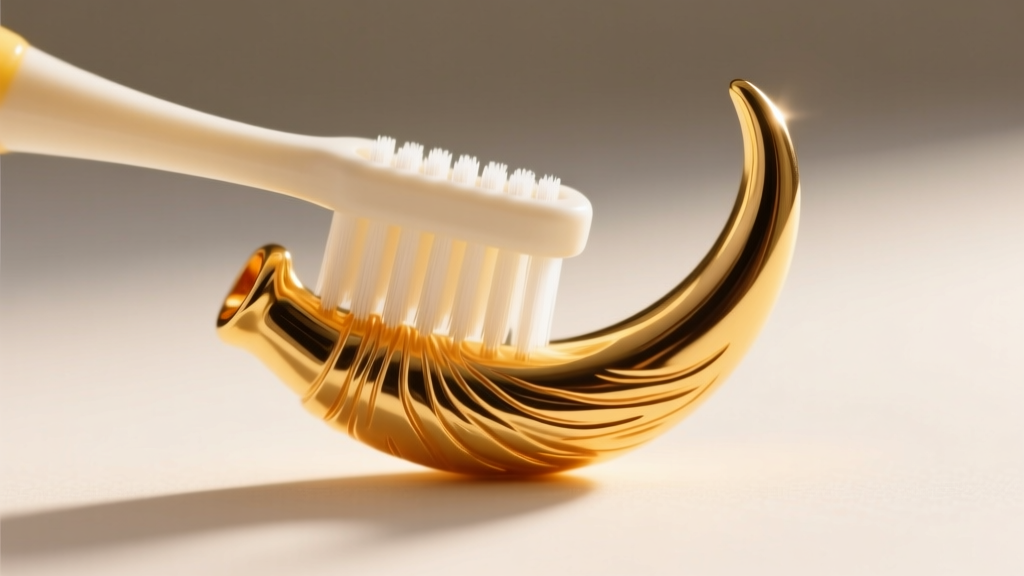
The natural taper and curve of a horn design mean that the underside and the inner concave ridges are constantly rubbing against the collarbone. This friction pushes sebum (skin oils) and lotions deep into the textured grooves, creating a hardened, grayish film that dulls the gold's reflectivity.
Step-by-Step Deep Cleaning Protocol
To safely extract debris from the intricate geometry of your gold horn necklace without damaging the metal or the chain, follow this professional-grade cleaning protocol.
Step 1: The Degreasing Soak
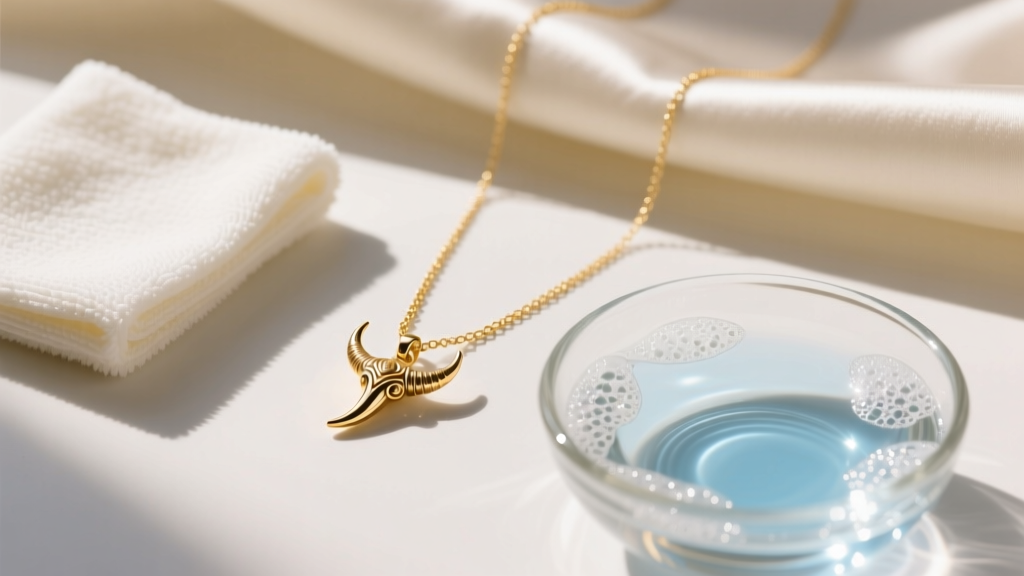
Fill a small glass bowl with warm (not hot) distilled water. Add three drops of a mild, pH-neutral degreasing dish soap (such as Dawn Ultra, avoiding formulas with added moisturizers or harsh dyes). Submerge the necklace and let it soak for exactly 15 to 20 minutes. This breaks down the lipid bonds of skin oils and cosmetic buildup trapped in the horn's ridges.
Step 2: Targeted Agitation
Remove the necklace from the bath. Using a brand-new, extra-soft baby toothbrush, gently agitate the surface. Critical Technique: Do not scrub in wide circles. Instead, use short, directional strokes that follow the natural grain and curve of the horn pendant. Pay special attention to the bail (the loop connecting the pendant to the chain), as this hinge point accumulates the most friction-based grime.
Step 3: The Rinse and Hollow-Drying Method
Rinse the necklace under a gentle stream of lukewarm distilled water. If your horn pendant is hollow, you must ensure no water remains trapped inside. Shake the pendant vigorously, then use a can of compressed air (held at least six inches away) to blow out any residual moisture from the interior cavity. Finally, lay the piece flat on a clean, lint-free microfiber cloth to air dry completely.
Chemical Agents: What to Use and What to Avoid
The internet is rife with DIY jewelry cleaning hacks, many of which will permanently damage your gold horn necklace. Below is a definitive guide to common household agents and their effects on gold alloys.
| Cleaning Agent | Chemical Profile | Effect on Gold Horn Pendant | Verdict |
|---|---|---|---|
| Mild Dish Soap | pH Neutral Surfactant | Safely lifts oils without reacting with copper/zinc alloys. | Highly Recommended |
| Whitening Toothpaste | Abrasive Silica / Baking Soda | Creates permanent micro-scratches, dulling high-polish horns. | Never Use |
| Chlorine Bleach | Sodium Hypochlorite | Causes stress corrosion cracking; permanently weakens the gold alloy. | Never Use |
| Baking Soda Paste | Mild Alkali / Abrasive | Can strip the polished finish and leave residue in porous textures. | Avoid |
| Isopropyl Alcohol | Solvent | Safe for plain gold, but will destroy any resin or enamel accents. | Use with Caution |
Polishing and Restoring the Luster
Cleaning removes dirt, but polishing restores the optical brilliance of the gold. For a gold horn necklace, you must avoid liquid dip polishes, which are highly acidic and can strip away the top layer of the alloy, leaving the surface porous and prone to rapid re-tarnishing.
Instead, invest in a high-quality jeweler's cloth, such as a Sunshine Polishing Cloth. These cloths are impregnated with microscopic jeweler's rouge and gentle anti-tarnish agents. When polishing the curved surface of the horn, wrap the cloth around your index finger and use a gentle, buffing motion. For the deep, hammered crevices that the cloth cannot reach, use a wooden toothpick wrapped in a single layer of the polishing cloth to gently work the rouge into the grooves without scratching the metal.
Chain and Clasp Maintenance
A pendant is only as secure as its chain and clasp. The Blue Nile Gold Education Guide emphasizes that chain maintenance is just as critical as pendant care. If your gold horn necklace features a rope chain, the twisted links act like a net for dust and dead skin. Soak the chain alongside the pendant during your deep cleaning sessions.
The lobster clasp is a mechanical component containing a tiny, delicate internal spring. Over time, lotion and debris can gum up the lever hinge, causing the clasp to stick or fail to close completely. To maintain the clasp, dip a wooden toothpick in a tiny drop of rubbing alcohol and carefully trace the seam of the lever hinge to dissolve the grime. Never apply liquid lubricants like WD-40 to a jewelry clasp, as they will attract more dirt and degrade the gold alloy.
Storage and Daily Wear Best Practices
To minimize the need for deep cleaning, adopt a strict 'last on, first off' rule. Your gold horn necklace should be the last item you put on after applying perfumes, hairsprays, and lotions, and the first item you remove when returning home. When storing the necklace, never toss it loosely into a jewelry box where the chain can tangle and scratch the polished surface of the horn. Instead, hang the necklace from a dedicated jewelry stand or lay it flat in a lined, anti-tarnish ziplock bag, ensuring the pendant rests separately from the chain links to prevent friction scratches.


