St Benedict Necklace Value Assessment: Metals & Price Tiers
Discover the true value of a St Benedict necklace. Compare price tiers, metal grades, and craftsmanship to make a smart, lasting jewelry investment.

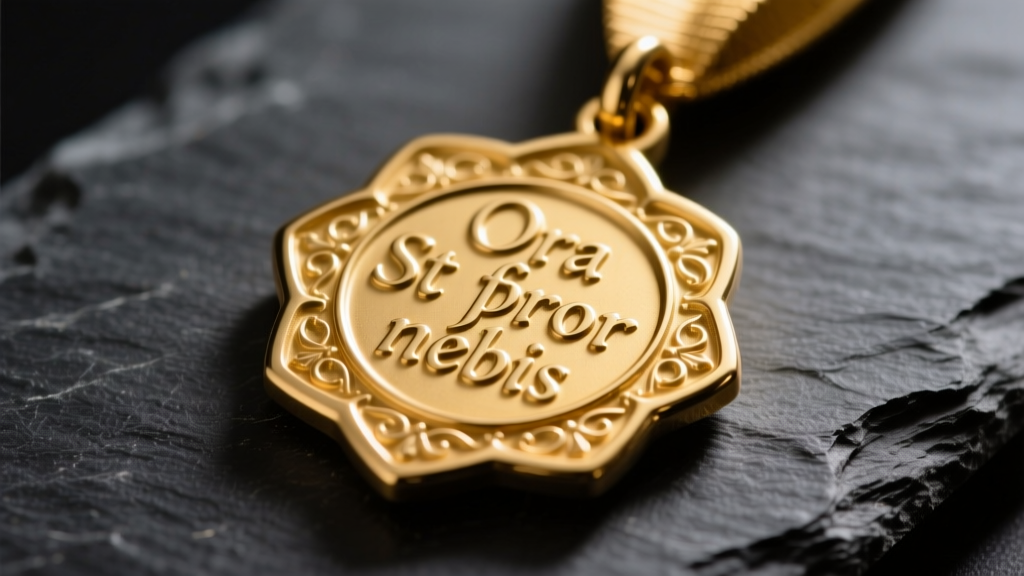
When shopping for a St Benedict necklace, buyers are often caught between two competing priorities: the spiritual significance of the sacramental medal and the material reality of fine jewelry pricing. As of 2026, with precious metal spot prices experiencing notable volatility, understanding the true value of religious jewelry is more critical than ever. Are you paying for genuine craftsmanship and enduring metals, or simply a designer markup on a mass-stamped alloy?
This comprehensive value assessment breaks down the metallurgy, manufacturing techniques, and pricing tiers of St. Benedict medals, giving you a precise framework to evaluate quality and avoid overpriced imitations.
The Anatomy and Purpose of the Medal
Before assessing financial value, one must understand what makes a St. Benedict medal unique. According to the Catholic Encyclopedia, this sacramental is rich in symbolism and Latin abbreviations. The obverse features the saint with a raven and a shattered cup, while the reverse displays a cross surrounded by the initials of an exorcism prayer against evil (e.g., Vade Retro Satana).
Because the value of this necklace is intrinsically tied to its legibility and detail, a high-quality piece must feature crisp, easily readable lettering. If the Latin acronyms like CSPB (Crux Sancti Patris Benedicti) are blurred or shallow, the medal fails both aesthetically and in its traditional intent. This requirement for high-definition relief immediately separates cheap novelty jewelry from fine heirloom pieces.
Metal Tiers & Price Breakdown
The base material dictates the longevity, skin-compatibility, and baseline cost of the necklace. Below is a comparative analysis of the most common metal tiers you will encounter in the current market.
| Metal Tier | Typical Price Range | Expected Lifespan | Pros & Cons |
|---|---|---|---|
| Base Alloy / Plated | $15 - $45 | 6 months - 2 years | Pros: Highly affordable. Cons: Prone to rapid tarnishing, skin discoloration, and loss of detail. |
| Sterling Silver (925) | $60 - $180 | Decades (with care) | Pros: Excellent detail retention, intrinsic metal value. Cons: Requires polishing to prevent sulfur-based tarnish. |
| Gold Vermeil | $90 - $250 | 2 - 5 years | Pros: Luxurious look at a fraction of solid gold cost. Cons: Gold layer eventually wears off from friction. |
| Solid 14k Gold (585) | $350 - $900 | Lifetime / Heirloom | Pros: Highly durable, hypoallergenic, retains scrap value. Cons: High initial investment. |
| Solid 18k Gold (750) | $800 - $1,800+ | Lifetime / Heirloom | Pros: Richer color, higher pure gold content. Cons: Softer metal, more prone to scratching on the high-relief edges. |
Base Metals & Plated Alloys (Under $50)
Necklaces in this tier are typically made from brass, pewter, or zinc alloys, electroplated with a microscopic flash of gold or silver. While budget-friendly, these are poor long-term investments. Human skin has a natural pH that accelerates the oxidation of base metals. Once the plating wears through—often within months on the reverse side of the medal that rubs against the chest—the exposed brass will leave a green residue on your skin and the intricate Latin text will degrade into an illegible smudge.
Sterling Silver & Vermeil ($60 - $250)
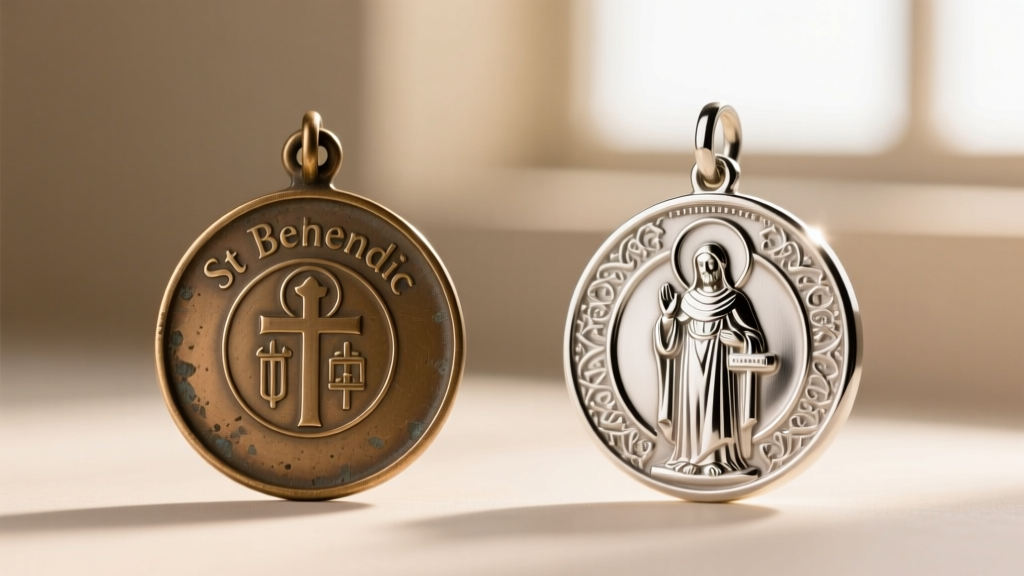
Sterling silver (stamped 925) represents the entry point for genuine fine jewelry. It offers excellent malleability, allowing casters to capture the minute details of the saint’s robes and the surrounding text. However, if you opt for Gold Vermeil (gold-plated sterling silver), you must verify the plating thickness. The FTC Jewelry Guides mandate that true vermeil must have a minimum gold thickness of 2.5 microns. Anything less is considered standard gold plate and will wear away rapidly against clothing and skin friction.
Solid Gold: 14k vs. 18k ($350 - $1,800+)
For a lifetime piece, solid gold is the undisputed standard. But which karat offers the best value? 14k gold (58.5% pure gold) is alloyed with copper, silver, and zinc, making it significantly harder and more scratch-resistant than 18k gold. Because a St. Benedict medal features high-relief edges and raised lettering, 14k gold will better protect these prominent areas from the micro-abrasions of daily wear. 18k gold offers a richer, deeper yellow hue but is softer and more susceptible to edge-wear over decades of use. For a comprehensive look at gold alloy durability, refer to the GIA Gold Jewelry Guide.
Craftsmanship: Stamped vs. Cast Medals
The manufacturing method drastically alters both the cost and the visual impact of the pendant.
- Die-Striking / Stamping: A machine presses a steel die into a flat sheet of metal. This is fast and cheap, but results in shallow, flat reliefs. The reverse side of the medal is often completely flat or features a mirrored, weak impression of the front. The Latin text is frequently shallow and difficult to read.
- Lost-Wax Casting: A 3D wax model is encased in plaster, burned out, and filled with molten metal. This technique allows for deep, three-dimensional relief. The saint’s face is deeply sculpted, the raven is distinct, and the reverse-side cross and acronyms are sharply defined. Casting is the hallmark of a high-value, premium St. Benedict necklace.
Chain Selection: The Hidden Cost of Durability
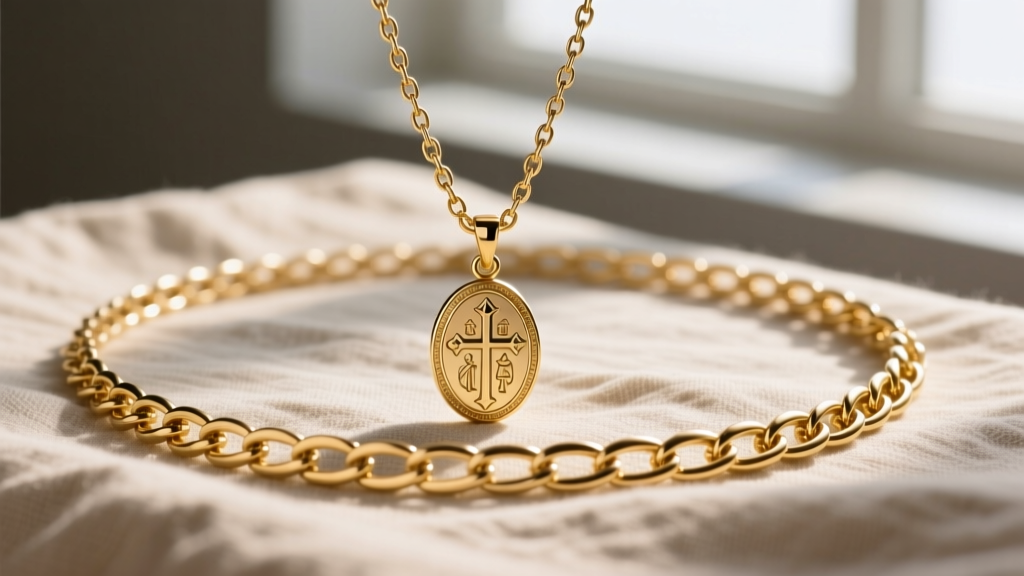
A common mistake buyers make is pairing a heavy, high-value solid gold medal with a flimsy, hollow chain to save money. This is a structural failure waiting to happen. A standard 1-inch solid 14k gold medal can weigh between 4 to 8 grams. If suspended on a delicate 0.8mm cable chain, the constant pendulum motion will cause metal fatigue at the bail (the loop connecting the medal to the chain), eventually snapping the chain.
For optimal value and security, look for the following chain specifications:
- Link Style: Rolo, box, or wheat chains offer superior tensile strength compared to standard cable or snake chains.
- Wire Gauge: Ensure the chain wire is at least 1.2mm to 1.5mm thick to support the weight of the medal without stretching.
- Soldered Links: Inspect the chain to ensure every individual link is soldered shut. Unsoldered links will pull apart under the dynamic weight of a heavy pendant.
- Clasp: Avoid spring-ring clasps for heavy medals. A solid lobster-claw clasp is mandatory for secure, long-term wear.
How to Spot Overpriced "Luxury" Religious Jewelry
In the current market, several fashion brands capitalize on the spiritual aesthetic by selling vermeil or silver St. Benedict necklaces for upwards of $400. To assess if a piece is genuinely high-value or simply carrying a massive brand tax, calculate the melt value premium. Check the current spot price of gold or silver, estimate the weight of the piece (a standard medal and 18-inch 14k chain should weigh around 6 to 10 grams), and compare it to the retail price. A fair retail markup for fine jewelry is typically 2.5x to 4x the raw material cost to cover labor, casting, and retail overhead. If a brand is charging $500 for a 3-gram 10k gold necklace, you are paying for a logo, not intrinsic jewelry value.
Maintenance and Tarnish Prevention
To protect your investment, maintenance must be factored into the long-term value. Sterling silver medals will naturally tarnish due to sulfur compounds in the air and human sweat. Storing the necklace in an anti-tarnish cloth pouch with a silica gel packet when not in use will preserve the sharp contrast of the oxidized details. If you purchase a white gold St. Benedict necklace, remember that it is rhodium-plated. The friction against your chest will wear the rhodium off the back of the medal within a year or two, revealing the slightly yellowish natural hue of the white gold alloy beneath. Budgeting $40–$60 every few years for professional re-plating is a necessary cost of ownership for white gold.
Final Verdict: Which Tier Offers the Best Long-Term Value?
If you are seeking a temporary fashion accessory or a travel-friendly decoy, a stainless steel or heavy brass plated option ($30-$50) serves its purpose, provided you accept its limited lifespan. However, for a genuine sacramental meant to be worn daily and eventually passed down, solid 14k gold ($400-$800) offers the absolute best intersection of durability, heirloom potential, and intrinsic value. It will not tarnish, it will not irritate sensitive skin, and the deep-relief cast details will remain legible for generations. If solid gold is outside your current budget, a heavy-cast 925 sterling silver medal on a soldered rolo chain ($80-$150) remains a spectacular, high-value alternative that honors the intricate artistry of the St. Benedict tradition.


