Rosary Necklace Tattoo Trends: Ink vs. Real Jewelry in 2026
Explore the 2026 rosary necklace tattoo trend. Compare fine-line ink placement, fading risks, and styling real gold rosary chains as alternatives.

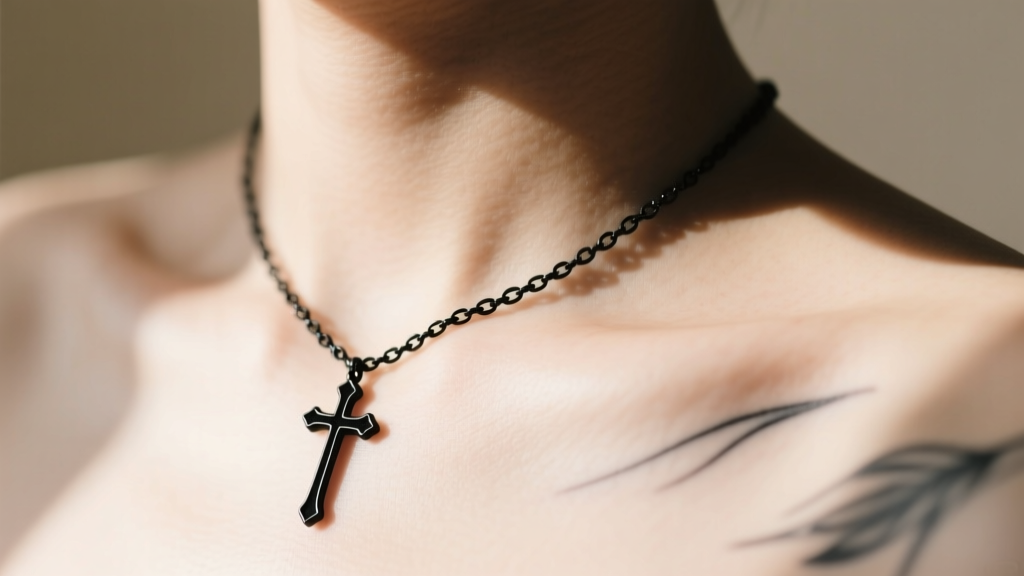
The intersection of permanent body art and high fashion has birthed one of the most polarizing yet captivating aesthetics of the decade: the rosary necklace tattoo. Once confined to traditional, bold religious iconography, the modern iteration of this trend relies on ultra-fine single-needle techniques, micro-realism, and strategic anatomical placement. As we navigate the style landscape of 2026, consumers and collectors are faced with a distinct choice: commit to the permanent devotion of a collarbone rosary tattoo, or invest in the flexible luxury of a fine jewelry physical rosary chain?
In this comprehensive trend analysis, we break down the technical realities of fine-line ink on delicate skin, compare the long-term costs and aesthetics of tattoos versus precious metals, and provide actionable styling frameworks for those who choose to wear their devotion—whether in ink or in 14k gold.
The Anatomy of the 2026 Rosary Necklace Tattoo
The contemporary rosary necklace tattoo is a masterclass in minimalism. Unlike the heavy blackwork of the early 2000s, today's premier tattoo artists utilize 1RL (1 Round Liner) or 3RL needles to create hair-thin lines that mimic the delicate links of a physical cable chain. The 'beads' of the rosary are often rendered using precise dotwork or micro-circles, requiring immense technical skill to ensure the ink does not blur together as the skin ages.
The 1/8-Inch Rule: When designing a rosary necklace tattoo for the clavicle or sternum, master artists maintain a minimum spacing of 1/8 inch (approx. 3mm) between micro-dots. Any closer, and natural ink spread over 5 to 10 years will cause the beads to merge into a solid, unrecognizable line.
Placement has also evolved. While the nape of the neck remains popular for its discreet, easily hidden nature, the sternum and bilateral collarbone placements have surged in popularity. These areas allow the tattoo to interact dynamically with the neckline of clothing, acting as a permanent accessory that frames the face and décolletage.
Permanent Ink vs. Precious Metal: A Data Comparison
Deciding between a fine-line tattoo and a physical gold rosary necklace requires an understanding of both financial investment and physical maintenance. Below is a structured comparison of the two mediums based on current 2026 market data and dermatological realities.
| Feature | Fine-Line Rosary Tattoo | 14k Solid Gold Rosary Chain |
|---|---|---|
| Initial Cost | $200 - $450 (Artist hourly rate) | $250 - $600 (Depending on weight/clasp) |
| Longevity | 10-15 years before significant fading/blurring | Lifetime (Generational heirloom) |
| Maintenance | Touch-ups required every 3-5 years ($100+) | Occasional ultrasonic cleaning & polishing |
| Skin Impact | Risk of UV fading, blowouts on thin skin | Hypoallergenic (if nickel-free 14k/18k) |
| Styling Flexibility | Fixed placement, visible only with specific necklines | Adjustable lengths, layerable, removable |
The Dermatological Reality: Fading and Blowouts
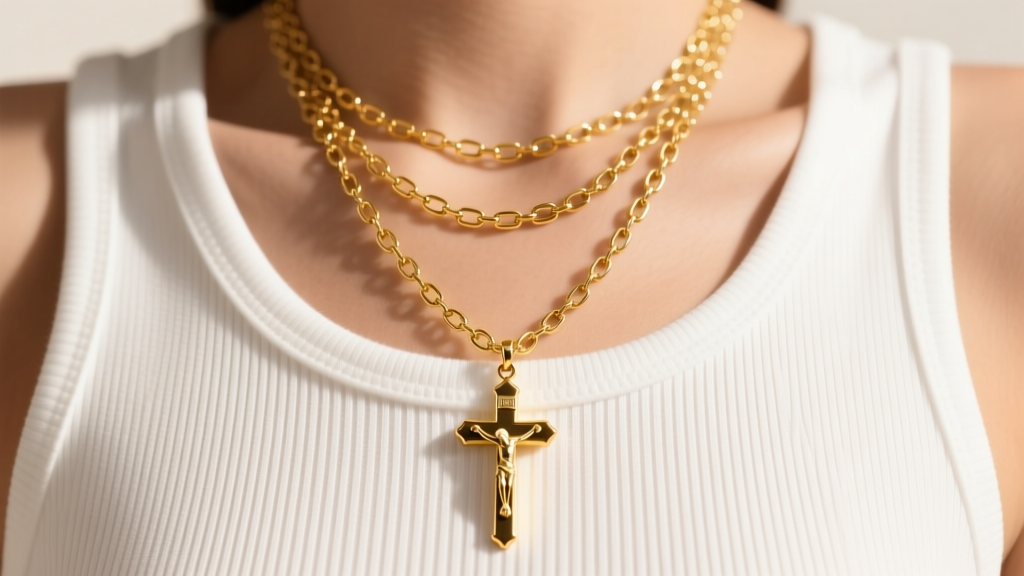
The skin on the neck, collarbone, and sternum is significantly thinner than the skin on the back or arms. The dermis on the clavicle area can be as thin as 0.6mm, compared to the 2mm+ thickness found on the upper back. This anatomical reality presents two major challenges for the rosary necklace tattoo:
- Blowout Risk: If the needle penetrates just a fraction of a millimeter too deep, the ink hits the subcutaneous fat layer and spreads unpredictably. This 'blowout' creates a bruised, blurry halo around the delicate rosary beads, ruining the fine-line illusion.
- UV Degradation: The collarbone and sternum are high-exposure zones for ultraviolet radiation. According to the Skin Cancer Foundation, cumulative UV exposure breaks down tattoo ink pigments—particularly carbon blacks—causing them to fade to a muddy gray or greenish hue over time. Daily application of SPF 50+ is non-negotiable for preserving the crispness of a neck tattoo.
Furthermore, the U.S. Food and Drug Administration (FDA) notes that certain tattoo inks can trigger allergic reactions or interact unpredictably with environmental factors. Choosing an artist who uses high-grade, vegan, carbon-based black ink is crucial for ensuring the tattoo ages gracefully without turning rust-brown.
How to Style Real Necklaces Around Rosary Ink
For those who already have a rosary necklace tattoo, styling physical jewelry around it requires a careful approach to avoid visual clutter. The goal is to complement the ink, not compete with it.
The Rule of Asymmetry and Contrast
If your rosary tattoo is centered on your sternum, avoid wearing a physical pendant necklace that falls on the exact same focal point. Instead, opt for an asymmetrical layering technique. Pair the tattoo with a 22-inch 14k gold box chain featuring an off-center slide pendant or a horizontal bar necklace. This draws the eye across the collarbone, framing the tattoo rather than obscuring it.
Metal Tones and Ink Contrast
Black ink tattoos provide a stark, high-contrast backdrop. Yellow gold (14k or 18k) offers a warm, luxurious contrast that makes the black lines pop, particularly on medium to deep skin tones. Conversely, white gold or platinum offers a subtle, icy aesthetic that blends more softly with the cool undertones of black ink, ideal for minimalist, monochromatic styling.
The Physical Alternative: Sourcing High-End Rosary Chains

If the permanence, pain, or fading risks of a tattoo give you pause, the physical jewelry market in 2026 offers breathtaking alternatives that mimic the delicate nature of fine-line ink. When shopping for a physical rosary necklace, understanding metal grades and chain construction is vital to avoid purchasing cheap, tarnish-prone costume jewelry.
The Federal Trade Commission (FTC) Jewelry Guides strictly regulate how metals are marketed. To ensure you are buying a piece that will last a lifetime and withstand daily wear against the skin, look for the following specifications:
- Chain Style & Gauge: To replicate the 'fine-line' tattoo look, seek out a Cable Chain or Figaro Chain with a wire gauge between 18-gauge (1.02mm) and 20-gauge (0.81mm). The overall chain width should be between 1.2mm and 1.5mm. Anything thicker will look like traditional streetwear; anything thinner risks snapping under tension.
- Metal Purity: Avoid 'gold-plated' brass or copper, which will oxidize and turn the skin green within months. Opt for 14k Solid Gold for everyday durability, or Gold Vermeil (a sterling silver base plated with at least 2.5 microns of gold) if you are working with a stricter budget.
- The Beads: Instead of standard round spheres, look for rosary chains that feature enamel-coated beads or micro-pave diamond stations. These catch the light and provide a textured, high-end alternative to flat black ink.
- Clasp Mechanics: Ensure the piece features a lobster clasp rather than a spring-ring clasp. Lobster clasps offer superior tension and longevity, preventing the loss of a valuable heirloom piece.
Final Verdict: Permanent Devotion or Flexible Fashion?
The rosary necklace tattoo remains a powerful form of self-expression, blending spiritual or cultural heritage with the edgy permanence of body modification. However, it demands rigorous aftercare, acceptance of eventual fading, and a high tolerance for the pain associated with bony prominences like the collarbone. For those seeking the aesthetic without the lifelong commitment, a meticulously crafted 1.2mm 14k gold cable rosary chain offers unparalleled versatility, allowing the wearer to adapt their style from a casual daytime layer to an elegant evening statement in seconds.


