Glass Cameo Necklace Buying Guide: What to Look For
Discover how to evaluate a glass cameo necklace. Learn to spot hand-carved vs. molded glass, understand pricing tiers, and choose the perfect setting.

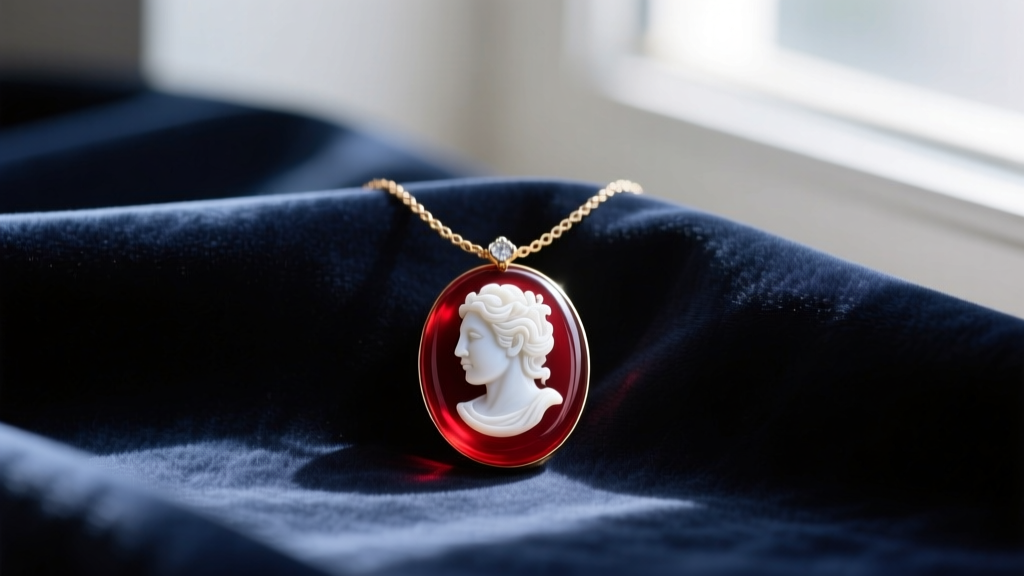
When collectors and jewelry enthusiasts think of cameos, shell and agate usually dominate the conversation. However, the glass cameo necklace holds a prestigious, often misunderstood place in the hierarchy of antique and vintage jewelry. From the intricate overlay techniques of 19th-century French glasshouses to the Art Deco reproductions of the 1920s, glass cameos offer a unique interplay of light, color, and depth that opaque materials simply cannot match. As of the 2026 vintage jewelry market, interest in these luminous pendants has surged, driving up the value of authenticated hand-carved pieces. Whether you are hunting for an heirloom-quality antique or a stylish vintage reproduction, this comprehensive buying guide will teach you exactly what to look for, how to authenticate materials, and how to protect your investment.
The Crucial Distinction: Hand-Carved vs. Molded Glass
The single most important factor in determining the value, durability, and historical significance of a glass cameo necklace is the manufacturing technique. According to the Lang Antiques Jewelry University, the market is flooded with molded glass reproductions that are frequently mislabeled as hand-carved. Knowing the difference is essential for any serious buyer.
Identifying Hand-Carved Glass
True hand-carved glass cameos are created using a lathe equipped with diamond or steel cutting wheels. The artisan carves away the top layer of cased (overlay) glass to reveal the contrasting background color. Because this is a subtractive, manual process, you will find specific hallmarks of craftsmanship:
- Sharp Undercuts: Look closely at the profile’s neck, beneath the chin, and around the hair curls. Hand-carving allows for deep, sharp undercuts that create dramatic shadows.
- Microscopic Tool Marks: Under a 10x jeweler's loupe, you should see faint, parallel striations left by the cutting wheel, particularly in the recessed background areas.
- Asymmetry: No two hand-carved pieces are identical. Slight variations in the facial profile or floral motifs are indicators of human craftsmanship.

Spotting Molded (Pressed) Glass
Molded glass cameos are produced by pressing molten glass into a pre-formed metal mold. While they can be beautiful and affordable, they lack the prestige and value of carved pieces. Molded cameos typically feature rounded, 'melted' looking crevices, a lack of deep undercuts, and occasionally a faint vertical mold seam running along the edge of the pendant. The details often appear slightly soft or uniform, lacking the crisp, dynamic edges of a wheel-cut stone.
Glass vs. Shell: How to Tell the Difference
Because white-on-dark is a popular color scheme for both shell and glass cameos, buyers often confuse the two. Glass is amorphous and non-porous, while shell is organic and layered. To differentiate them without damaging the piece, rely on these non-destructive tests:
- The Temperature Test: Glass feels noticeably colder to the touch than shell when first held against the skin or lips. Shell warms up much faster due to its organic composition.
- The Light Test: Hold the cameo up to a strong LED flashlight. Glass will often transmit light with a glowing, translucent quality, especially around the thinner carved edges. Shell is generally opaque or displays a chalky, semi-translucent grain.
- The Backing: The reverse side of a glass cameo is usually smooth, glossy, and flat or slightly concave. Shell backs often retain the natural curvature of the conch or helmet shell and may show faint, natural growth rings.
Understanding Overlay Glass Techniques
The most prized glass cameo necklaces feature 'cased' or 'overlay' glass. This technique involves gathering a core of one color of glass and dipping it into a pot of a contrasting color. The carver then removes the top layer to create the image. The Victoria and Albert Museum notes that French and Bohemian glasshouses perfected this in the late 19th century. Below is a breakdown of the most common types you will encounter in the market.
| Glass Type | Origin / Era | Visual Characteristics | Market Rarity |
|---|---|---|---|
| French Overlay | 1880s–1920s | Opaque white cased over translucent ruby, sapphire blue, or emerald green. Exceptional detail. | High |
| Czech Pressed | 1920s–1950s | Molded glass, often black or dark brown with a white relief. Sometimes features painted highlights. | Low (Very Common) |
| Vitrix Glass | 1920s (USA) | Art glass, often featuring internal bubbles or swirling colors, carved with Art Deco motifs. | Medium |
| Modern Laser-Etched | 2000s–Present | Perfectly uniform, sharp edges but lacks the depth and tool marks of traditional wheel carving. | N/A (Commercial) |
Evaluating the Setting and Chain Pairings
Glass ranks at about 5.5 on the Mohs hardness scale, making it relatively brittle and prone to chipping if struck against a hard surface. The setting of your glass cameo necklace is not just an aesthetic choice; it is a structural necessity.
Bezel vs. Prong Settings
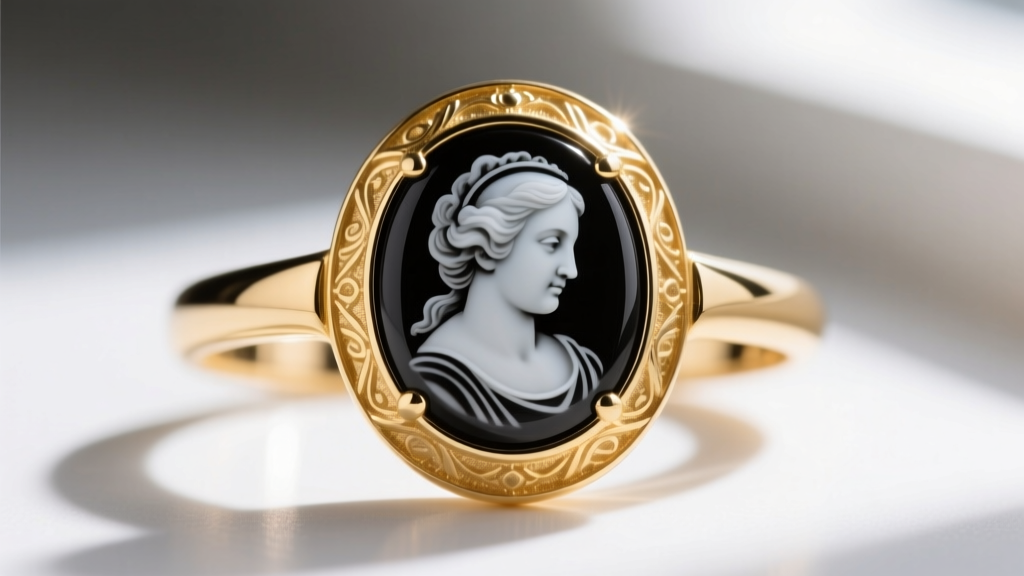
Always prioritize a bezel setting for glass cameos. A bezel features a continuous metal rim that wraps securely around the entire perimeter of the glass, protecting the vulnerable edges from impact. Prong settings, while allowing more light to enter the stone, leave the edges exposed. If a prong-set glass cameo is dropped or bumped against a table, the risk of a catastrophic edge chip is exceptionally high. For vintage pieces, look for bezels crafted from 14k gold-filled metal or sterling silver, which provide durability without the exorbitant cost of solid 18k gold.
Selecting the Right Chain
The chain you choose must balance the visual weight of the cameo while providing secure support. Avoid heavy, chunky curb chains; their weight can cause the pendant to swing violently, increasing the chance of the glass striking a hard surface. Instead, opt for a 1.5mm to 2.0mm rope chain or box chain in a length of 18 to 24 inches. These chains offer excellent tensile strength, resist kinking, and provide a classic, unobtrusive backdrop that allows the intricate glass carving to remain the focal point.
2026 Pricing Tiers and Authentication
The market for glass cameo necklaces has stratified significantly. Understanding current pricing tiers will help you avoid overpaying for mass-produced items while recognizing a genuine bargain when you see one.
- Tier 1: Molded Reproductions ($25 – $85)
These are widely available on commercial marketplaces. They are perfectly acceptable for fashion jewelry and theatrical costuming, but they hold no numismatic or antique value. They are often set in base metals or low-grade silver plate. - Tier 2: Vintage Hand-Carved, Unsigned ($150 – $450)
Pieces from the mid-20th century featuring genuine wheel-carving but lacking a master glassmaker's signature. These offer excellent value for collectors who want authentic craftsmanship without the premium of a famous maker. - Tier 3: Antique Signed Masterpieces ($800 – $3,500+)
Cameos attributed to renowned houses like Baccarat, Thomas Webb, or Rousseau. Authentication often requires a certificate from a certified gemologist or antique jewelry appraiser. These pieces feature breathtaking translucency, masterful undercuts, and often reside in high-karat gold or enamel settings.
Buyer's Tip: When purchasing Tier 3 pieces online, always request high-resolution macro photos of the hair curls and the background field. If the seller cannot provide clear images of the tool marks or undercuts, walk away.
Care and Maintenance for Glass Cameos
Preserving the optical clarity and structural integrity of a glass cameo requires specific care routines. Never use ultrasonic cleaners or harsh chemical dips, as these can degrade the metal setting and, in the case of older foiled-back glass, destroy the reflective foil behind the stone. Instead, clean your necklace using a soft, lint-free microfiber cloth lightly dampened with distilled water. If the glass has accumulated skin oils, a tiny drop of mild, ammonia-free dish soap on a soft baby toothbrush can gently lift the grime from the carved crevices. Always dry the piece immediately and store it in a fabric-lined jewelry box, separated from harder gemstones like diamonds or sapphires that could easily scratch the glass surface.
By understanding the nuances of glass carving, the importance of protective bezel settings, and the current market valuations, you can confidently navigate the world of glass cameo necklaces. Whether you are adding a striking ruby-overlay piece to your evening wardrobe or preserving a delicate 19th-century antique, the right knowledge ensures your jewelry will continue to captivate for generations to come.