Necklace of Elemental Augmentation BG3: Real-World Jewelry Guide
Explore the real-world gemology, metallurgy, and styling of the Necklace of Elemental Augmentation from BG3 for fantasy jewelry fans.

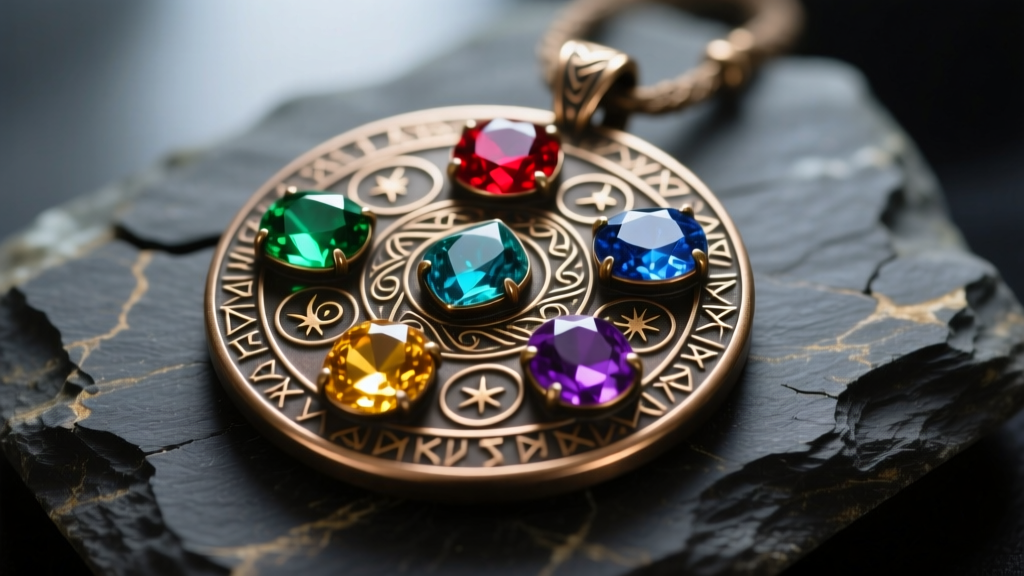
For fans of Baldur's Gate 3, the necklace of elemental augmentation bg3 is more than just a powerful mid-game accessory that grants +1 to Acid, Cold, Fire, Lightning, and Thunder damage. It is a masterclass in fantasy jewelry design, featuring a complex, multi-stone pendant that balances raw arcane aesthetics with structural symmetry. But how does this iconic digital artifact translate into the physical world? As a senior jewelry stylist and metallurgical consultant, I frequently work with collectors, cosplayers, and fantasy enthusiasts to recreate iconic RPG amulets. In this expert deep dive, we will deconstruct the real-world gemology, structural metallurgy, and chain mechanics required to forge, source, and style a wearable, high-quality replica of this legendary elemental amulet.
Anatomy of the Amulet: Translating Fantasy to IRL Metallurgy
In the game, the amulet appears to be forged from an aged, darkened metal with intricate filigree wrapping around five distinct elemental focal points. When commissioning or crafting a real-world version, the choice of base metal dictates the pendant's weight, skin safety, and longevity. Cheap, mass-produced replicas often use zinc alloys or low-grade brass, which can contain nickel or lead, leading to contact dermatitis and rapid tarnishing.
For a premium, heirloom-quality recreation, Jeweler's Bronze (CuSn8) or Oxidized Sterling Silver (925) are the superior choices. CuSn8 is a specialized alloy of 92% copper and 8% tin. Unlike standard commercial brass, it is entirely nickel-free and possesses a warm, golden-pink hue that takes beautifully to chemical patinas. By applying liver of sulfur, a jeweler can oxidize the bronze to achieve the exact dark, antiqued crevices seen in the BG3 character models, while polishing the high-relief edges to a bright shine. According to the BG3 Wiki, the item's visual design heavily relies on this high-contrast antiquing to make the elemental gems pop.
The Lost-Wax Casting Process
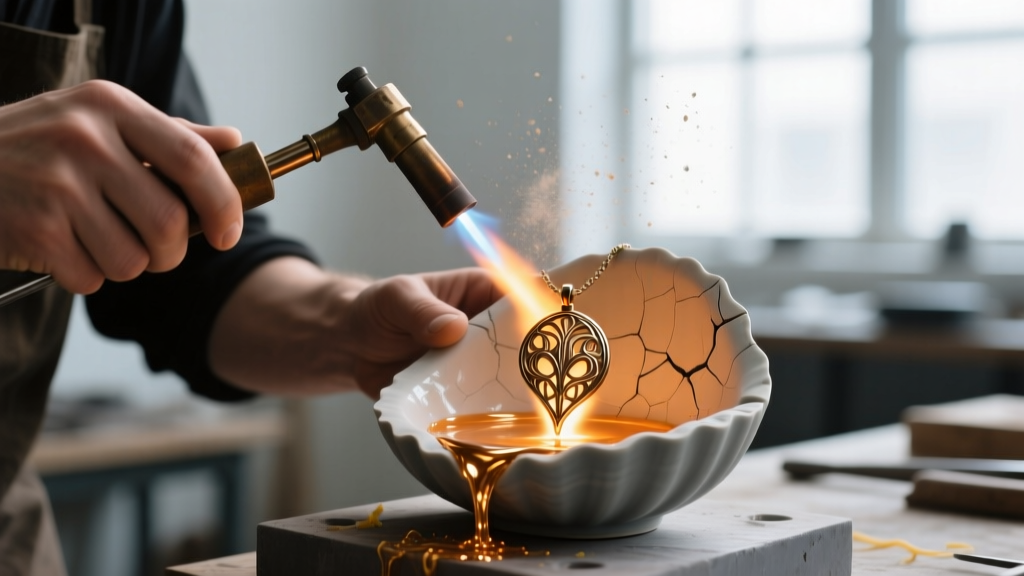
To achieve the intricate, organic metalwork wrapping around the stones, jewelers must utilize the lost-wax casting method. A 3D-printed resin or hand-carved wax model is encased in a ceramic shell. The wax is melted out, and molten CuSn8 or 925 silver is centrifugally forced into the cavity. This ensures that the prongs and bezels holding the five elemental stones are structurally sound and perfectly aligned, preventing the stones from dislodging during daily wear.
Gemological Breakdown: Sourcing the Elemental Stones
The true magic of the necklace of elemental augmentation bg3 lies in its five gemstones. To create a visually accurate and gemologically sound replica, we must map the game's elemental damage types to real-world minerals that possess both the correct color profiles and the physical durability (Mohs hardness) required for a chest-worn pendant. A pendant resting against the sternum is subject to accidental impacts, meaning stones with perfect cleavage or a Mohs hardness below 6 are highly susceptible to chipping.
| Element (BG3) | Recommended Gemstone | Mohs Hardness | Cut Style | Estimated Price (Per Carat) |
|---|---|---|---|---|
| Fire | Pyrope Garnet | 7.5 | Faceted Round | $40 - $150 |
| Cold | Rainbow Moonstone | 6.0 - 6.5 | High-Dome Cabochon | $15 - $40 |
| Lightning | Golden Citrine | 7.0 | Faceted Oval | $20 - $60 |
| Acid | Chrome Diopside | 5.5 - 6.5 | Faceted Cushion | $50 - $120 |
| Thunder | Golden Rutile Quartz | 7.0 | Polished Cabochon | $25 - $75 |
As noted by the GIA Gem Encyclopedia, selecting the right cut is vital for fantasy jewelry. Cabochons (smooth, polished, non-faceted stones) like Rainbow Moonstone and Rutile Quartz offer an ethereal, mystical glow that perfectly mimics raw, unrefined arcane energy. Conversely, faceted Garnet and Citrine catch the light aggressively, representing the volatile, destructive nature of Fire and Lightning damage. When sourcing these stones, insist on natural, untreated minerals rather than synthetic glass or dyed howlite, which will immediately cheapen the amulet's appearance.
Chain Mechanics: Supporting a Heavy Elemental Pendant
A solid CuSn8 or Sterling Silver pendant featuring five gemstones and intricate metalwork will typically weigh between 35 and 55 grams. This is considered a heavy pendant in the jewelry world. Suspending this weight on a standard 1.5mm rolo chain is a catastrophic failure waiting to happen; the links will stretch, the jump ring will pull apart, and the amulet will be lost.
Optimal Chain Specifications
- Chain Type: A 3.5mm to 4.5mm Wheat (Spiga) or Rope chain. These weaves distribute weight evenly across multiple interlocking links, offering superior tensile strength compared to cable or curb chains.
- Jump Rings: The bail (the loop connecting the pendant to the chain) must be secured with a minimum 14-gauge (1.6mm thick) soldered jump ring. Never use unsoldered, split rings for heavy fantasy pendants, as the weight will easily pry the metal open.
- Clasp: Ditch the delicate spring ring. A heavy amulet requires a 12-gauge Lobster Claw clasp or a heavy-duty Toggle clasp. Toggles are particularly excellent for cosplay and fantasy aesthetics, as they echo historical and medieval jewelry closures.
Styling the BG3 Amulet for Everyday & Cosplay Wear
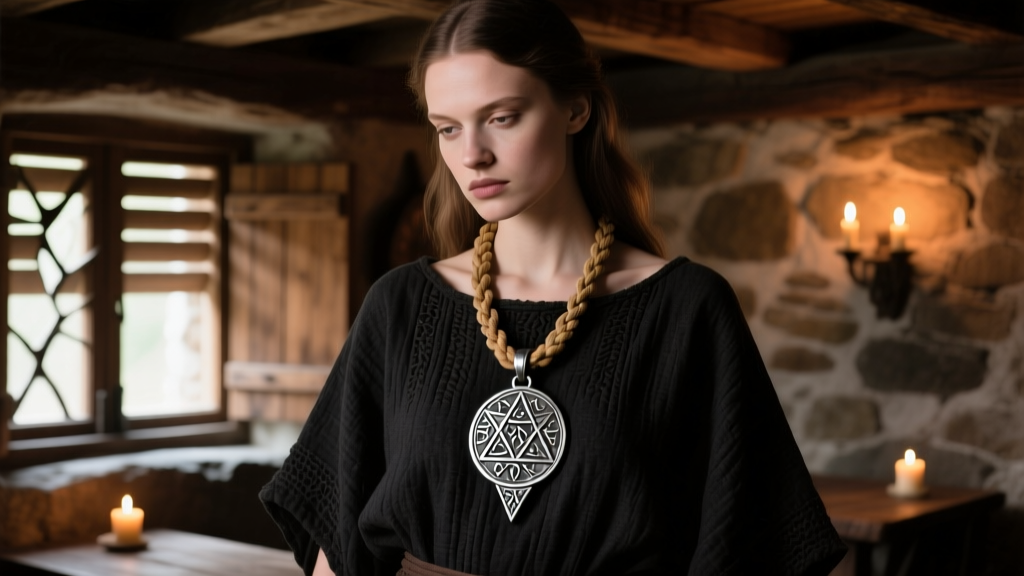
While the necklace of elemental augmentation bg3 is inherently a fantasy piece, its rich metallic tones and vibrant gems allow it to bridge the gap between LARP/cosplay events and everyday dark-academia or bohemian streetwear. The key to styling such a massive, ornate pendant is to let it serve as the undisputed focal point of your outfit.
Neckline Pairings
The amulet's complex geometry requires a canvas that doesn't compete with it. Scoop necks, deep V-necks, and open-collared linen tunics provide the ideal framing. Avoid high crew necks or busy, patterned fabrics, which will visually clash with the five distinct gemstone colors. For a modern, elevated fantasy look, pair the oxidized bronze amulet with a charcoal grey merino wool sweater or a structured, dark emerald velvet blazer. The dark fabrics will absorb ambient light, allowing the Citrine, Garnet, and Moonstone to catch the eye.
Layering with Minimalist Pieces
If you wish to incorporate the amulet into a layered necklace stack, you must adhere to the rule of extreme contrast. Pair the heavy, 24-inch elemental pendant with one or two ultra-delicate, 16-inch and 18-inch matte black or oxidized silver chains featuring no additional pendants. This creates a cascading visual effect that draws the eye downward toward the elemental stones, grounding the look without appearing cluttered. For further inspiration on integrating fantasy lore into tabletop and real-world aesthetics, D&D Beyond offers extensive visual guides on how elemental magic is traditionally represented in character design.
Conclusion: Forging Your Own Arcane Legacy
The necklace of elemental augmentation bg3 represents a perfect storm of iconic RPG utility and striking visual design. By treating its recreation with the same respect and technical rigor as fine jewelry—opting for nickel-free CuSn8 bronze, ethically sourced natural gemstones, and heavy-duty structural chain links—you elevate a simple gaming prop into a wearable piece of arcane art. Whether you are stepping onto the convention floor or simply adding a touch of Faerûn to your daily wardrobe, understanding the metallurgy and gemology behind the magic ensures your amulet will withstand the tests of both time and critical hits.


