The Definitive Pink Jade Bead Necklace Buying Guide
Discover how to buy a genuine pink jade bead necklace. Learn about jade treatments, grading, imitations, and pricing in our expert guide.

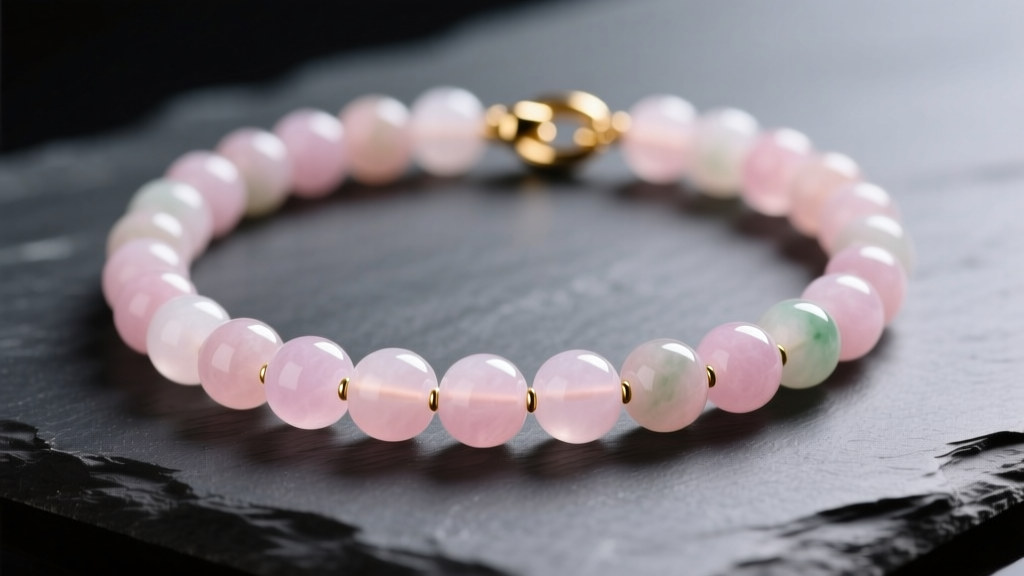
The Allure and Reality of Pink Jade
In the world of fine gemstones, few materials carry the cultural weight and mystical allure of jade. While emerald-green and icy-white varieties dominate auction houses, the pink jade bead necklace has emerged as a highly coveted statement piece for collectors and fashion enthusiasts alike. However, the rising demand for pink jade has spawned a market saturated with imitations, misnomers, and heavily treated stones. As a buyer, navigating this landscape requires more than just an eye for color; it demands a solid understanding of gemological classifications, treatment grades, and structural integrity. This comprehensive guide will equip you with the exact technical knowledge needed to authenticate, evaluate, and purchase a pink jade bead necklace with absolute confidence.
Gemological Truth: What Exactly is "Pink Jade"?
Before evaluating a necklace, you must understand what you are actually looking at. True jade is classified into two distinct minerals: Jadeite (sodium aluminum silicate) and Nephrite (calcium magnesium iron silicate).
Jadeite vs. Nephrite
Natural, untreated pink jadeite is exceptionally rare. When it does occur, the color is typically a pale, dusty pink or a subtle lavender-pink, often intermingled with green or white veins. Nephrite, on the other hand, is virtually never found in true pink hues in nature. If you encounter a vibrant, bubblegum, or hot pink jade bead necklace, you are almost certainly looking at a heavily dyed stone or an outright imitation. According to the Gemological Institute of America (GIA), natural pink jadeite gets its subtle hue from trace elements, whereas vivid pinks are the result of artificial polymer and dye injection.
The "Misnomer" Trap
The jewelry market frequently uses the term "pink jade" as a trade misnomer to sell less expensive stones. Be highly skeptical of necklaces labeled as "New Jade" (dyed serpentine), "Transvaal Jade" (grossular garnet), or simply "Pink Jade" without a mineral specification. Often, these are dyed quartz, pink aventurine, or rhodonite. Always demand the exact mineral name on your receipt.
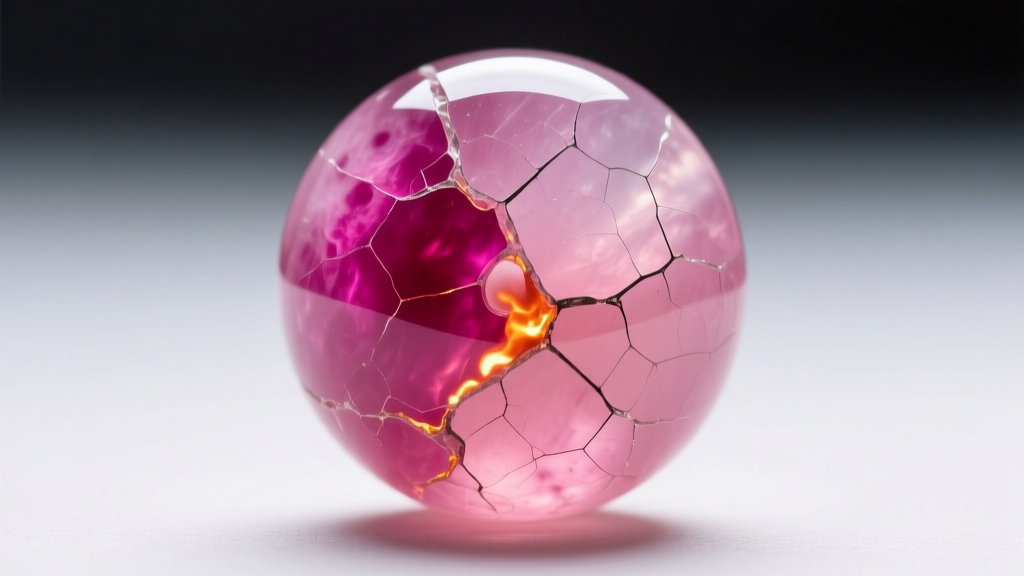
The ABCs of Jade Treatments (Crucial for Buyers)
The value of a pink jade bead necklace is dictated primarily by its treatment grade. The gemological community universally categorizes jade into three types. Understanding these is non-negotiable for serious buyers.
| Classification | Description & Process | Market Value (16-inch, 8mm beads) | Durability & Longevity |
|---|---|---|---|
| Type A | 100% natural, untreated jadeite. May have traditional plum juice polishing. | $2,500 - $20,000+ | Excellent. Will last generations. |
| Type B | Acid-bleached to remove brown/yellow impurities, then polymer-impregnated. | $150 - $800 | Poor. Polymer yellows and degrades over 5-10 years. |
| Type C | Dyed to enhance or create color (most vivid pink jade is Type C). | $30 - $150 | Poor. Color fades with UV exposure and heat. |
| B+C | Acid-bleached, polymer-filled, AND dyed. Extremely common in commercial pink jade. | $20 - $100 | Very Poor. Structurally compromised and fades. |
Under the Federal Trade Commission (FTC) Jewelry Guides, sellers are legally required to disclose if a gemstone has been dyed or fracture-filled, yet many online and overseas vendors omit this. A Type B or C necklace will eventually become brittle, lose its luster, and the pink dye will bleed or fade, leaving you with a worthless, chalky bead strand.
Evaluating Bead Quality: Beyond the Color
Once authenticity and treatment grades are established, the physical craftsmanship of the beads dictates the necklace's premium. Evaluate the following metrics using a jeweler's loupe (10x magnification) and digital calipers:
- Symmetry and Caliper Variance: High-end jade beads are perfectly spherical. Measure a random sampling of beads with digital calipers. A premium "10mm" strand should have a variance of no more than 0.2mm (e.g., 9.9mm to 10.1mm). Commercial-grade strands often feature oval or barrel-shaped beads with high variance.
- Surface Polish and Luster: Type A jadeite possesses a vitreous (glass-like) luster. Type B and C beads often exhibit a "spidery" or "acid-etched" surface texture under magnification, a result of the acid bleaching process destroying the interlocking crystal structure.
- Drill Hole Integrity: Examine the holes where the stringing material passes through. Premium beads are drilled from both sides to meet in the center, preventing "blowouts." If you see conchoidal fracturing (chipping) around the exit holes, the beads were mass-produced with low-grade diamond core bits, significantly lowering the necklace's value.
Stringing, Knotting, and Hardware
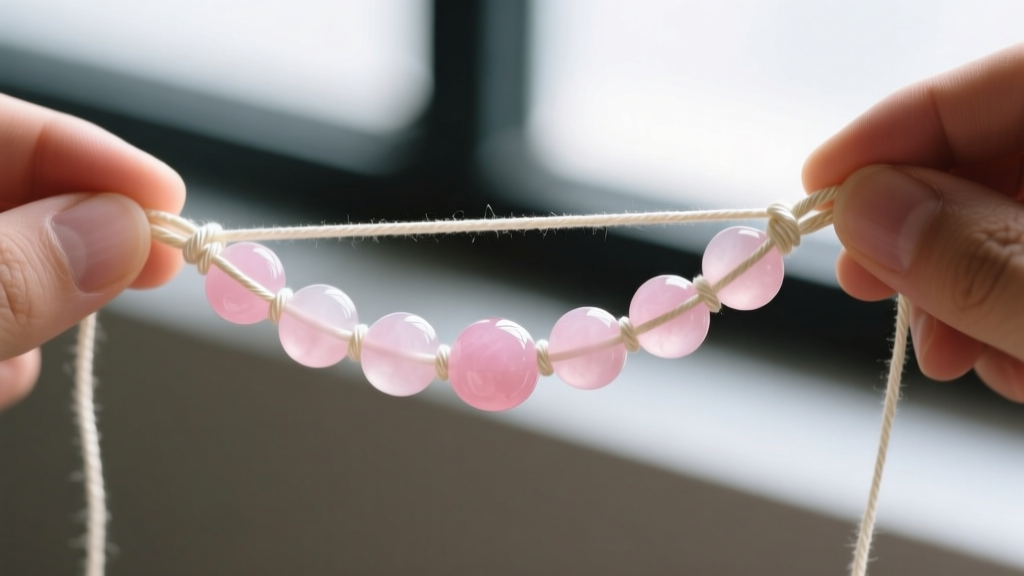
The structural assembly of a pink jade bead necklace is a strong indicator of its overall quality and the seller's respect for the material. Type A jadeite is an investment; it should never be strung on cheap elastic or unknotted beading wire.
Look for hand-knotted silk or high-tensile nylon. Knots should be tight, uniform, and sit flush against the bead without gaps. The knots serve a dual purpose: they prevent the beads from grinding against each other (which can dull the polish over time) and ensure that if the strand breaks, you only lose a single bead rather than the entire necklace. The clasp hardware should be solid 14k or 18k gold, or platinum, featuring a secure mechanism like a lobster claw or a custom jade-style barrel clasp with a safety chain.
Pricing Guide: What Should You Pay?
Pricing a pink jade bead necklace is highly dependent on the origin, treatment, and bead size. As a baseline for a standard 16-inch princess length necklace:
- Imitations (Dyed Quartz/Aventurine): $15 to $50. Fun for fast fashion, but holds zero intrinsic value.
- Type C (Dyed Jadeite): $50 to $200. You are paying for the base jadeite material, but the color is artificial.
- Type A (Natural Pale/Lavender-Pink): $1,500 to $15,000+. Prices scale exponentially with bead diameter. A strand of 12mm natural pink jadeite beads is exceptionally rare and can command auction-level prices exceeding $50,000.
Authenticity Testing & Certification
Never rely on "at-home" tests like the scratch test (jade is hard, but scratching it can damage the polish) or the temperature test (glass also feels cold to the touch). The only definitive way to verify a pink jade bead necklace is through advanced gemological testing.
Reputable labs use infrared spectroscopy (FTIR) to detect the polymer resins used in Type B jade, and UV-Vis-NIR spectroscopy to identify the specific organic dyes used in Type C jade. When purchasing a high-value pink jade necklace, always require a certificate from a tier-one laboratory such as GIA, SSEF, or Gübelin. The certificate must explicitly state "Natural Jadeite" with no mention of "polymer impregnation" or "dye treatment."
Expert Radar Tip: If a vendor claims their vibrant pink jade is "Type A" but cannot provide a recent lab report from a globally recognized gemological institute, walk away. The financial risk of purchasing misidentified or treated jade is simply too high in today's market.
By prioritizing gemological truth, scrutinizing bead craftsmanship, and demanding proper certification, you can confidently acquire a pink jade bead necklace that is not only a stunning sartorial choice but a lasting, authentic treasure.


