The Ultimate Chain Pearl Necklace Buying Guide: What to Look For
Discover how to choose the perfect chain pearl necklace. Our expert buying guide covers pearl grades, chain metals, lengths, and styling tips.

The Modern Classic: Why the Chain Pearl Necklace Dominates
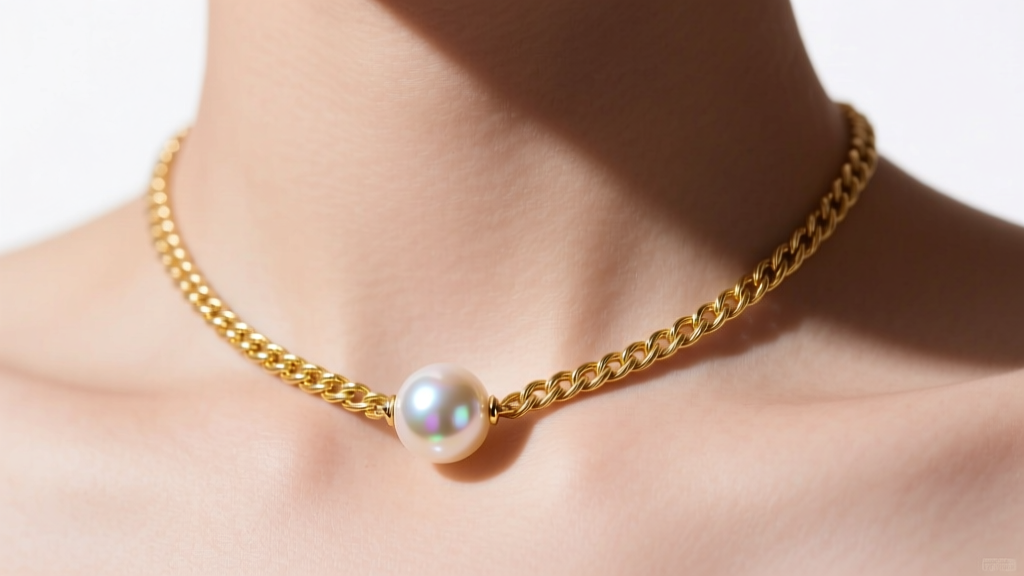
The traditional pearl strand has its place in formal heritage, but the modern jewelry landscape belongs to the chain pearl necklace. This minimalist design—featuring a single, high-quality pearl suspended on a delicate metallic chain—bridges the gap between everyday wearability and organic elegance. As we navigate the 2026 jewelry market, buyers are increasingly prioritizing sustainable sourcing, recycled precious metals, and versatile layering capabilities. However, the apparent simplicity of a single pearl on a chain masks a complex web of gemological and metallurgical variables. Choosing the right piece requires understanding nacre thickness, chain gauge tolerances, and bail mechanics. This comprehensive buying guide will equip you with the exact specifications needed to invest in a chain pearl necklace that offers lifelong durability and impeccable luster.
Decoding the Pearl: Nacre, Luster, and Origin
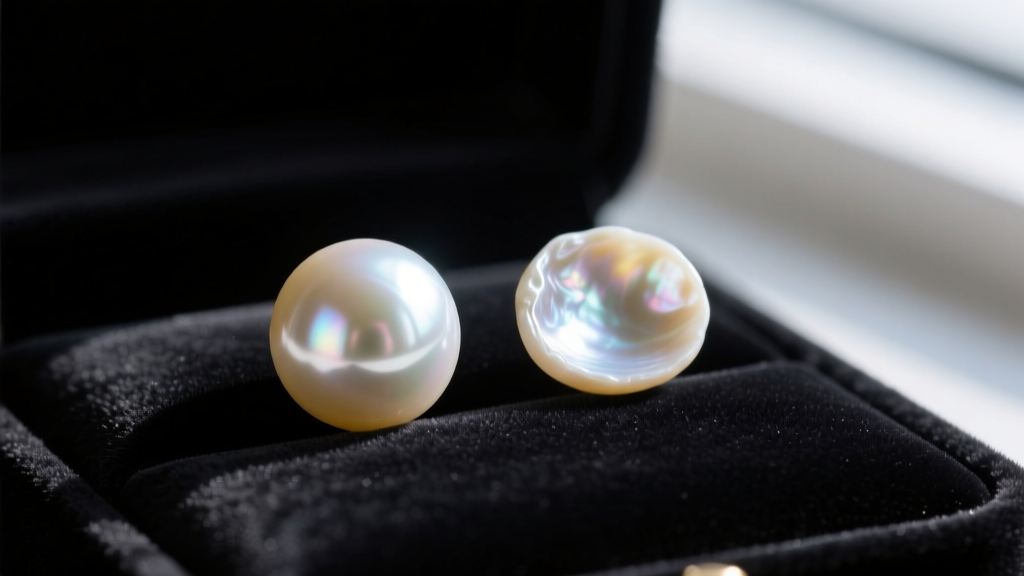
The soul of your necklace is the pearl itself. Unlike the uniformity of machine-cut gemstones, pearls are organic gems, and their value is dictated by a highly specific set of quality factors. According to the Gemological Institute of America (GIA), luster is the single most important value factor for a pearl. High luster gives the gem its signature mirror-like reflection and deep inner glow.
Nacre Thickness: The Durability Metric
Nacre is the crystalline substance the oyster secretes to form the pearl. For saltwater Akoya pearls, which are the industry standard for round, high-luster chain necklaces, you must look for a minimum nacre thickness of 0.4mm. Pearls with nacre thinner than 0.2mm will appear chalky, lack deep luster, and are highly susceptible to peeling or cracking over time. When purchasing, always ask the jeweler for the nacre thickness specification or look for X-ray grading reports.
Freshwater vs. Akoya vs. Edison Pearls
- Akoya (Saltwater): The gold standard for perfect roundness and sharp, mirror-like luster. Typically sized between 7mm and 9mm for pendant necklaces.
- Freshwater: Historically off-round, but modern nucleation techniques have produced near-round freshwater pearls at a fraction of the Akoya price. Ideal for budget-conscious buyers.
- Edison Pearls: A premium, bead-nucleated freshwater pearl that rivals the luster and size of South Sea pearls, often featuring unique metallic overtones that are highly sought after in contemporary designs.
Chain Metallurgy: Selecting the Right Link and Gauge
The chain is not merely a delivery mechanism for the pearl; it is a structural component that must balance delicacy with tensile strength. A chain that is too thick will visually overpower a 7mm pearl, while a chain that is too thin will snap under the dynamic stress of daily wear.
Optimal Chain Gauges
For a standard 7mm to 9mm pearl (which weighs approximately 0.5 to 0.8 grams), the optimal chain gauge sits between 0.9mm and 1.2mm. This thickness provides enough structural integrity to resist snapping when caught on clothing, while remaining visually unobtrusive. Avoid chains under 0.6mm for everyday wear, as the links will easily deform.
Link Styles and Abrasion Resistance
Not all chain links interact with pearl nacre equally. The American Gem Trade Association (AGTA) notes that organic gems require careful handling to prevent surface scratching. Here is how common chain links perform:
| Chain Link Type | Abrasion Risk to Pearl | Best Use Case |
|---|---|---|
| Cable Chain | Low | Classic, smooth links that won't scratch the pearl's bail or nacre. |
| Rolo Chain | Low-Medium | Excellent tensile strength; slightly more textured but highly durable. |
| Box Chain | High | Sharp, geometric edges can act like micro-files against the pearl's drill hole. |
| Snake Chain | Medium | Sleek appearance, but prone to kinking which can pinch the pearl's threading. |
Expert Tip: Always opt for 14k or 18k solid gold, or platinum. Sterling silver is acceptable for budget pieces, but ensure it is heavily rhodium-plated to prevent tarnish, which can transfer to the porous surface of the pearl over time.
The Mechanics of the Bail and Drilling
The intersection where the pearl meets the chain is the most critical point of failure in a chain pearl necklace. This junction is managed by the bail and the pearl's drill hole.
Drill Hole Tolerances
Pearls are typically drilled with a diamond-tipped bit, creating a channel usually measuring between 0.8mm and 1.0mm in diameter. If a jeweler attempts to force a chain or a bail pin thicker than 0.75mm through this channel, it will create internal pressure that can fracture the nacre from the inside out. Always ensure the threading wire or bail pin is at least 0.1mm thinner than the drill hole.
Fixed Bail vs. Sliding Pearl
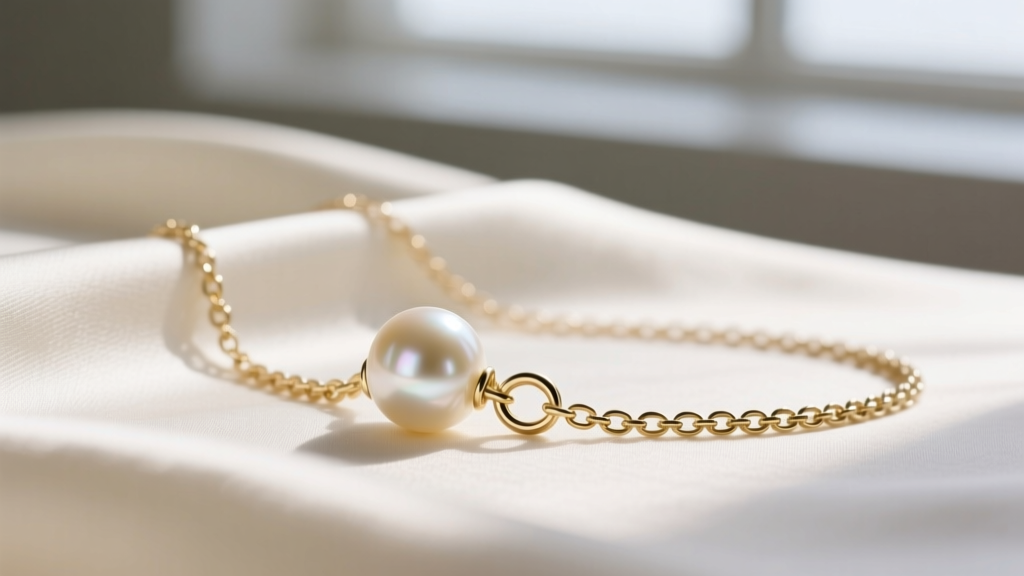
- Fixed Bail: The pearl is glued or pinned to a metal cap (bail) that is soldered directly to the chain. This keeps the pearl perfectly centered and protects the drill hole from chain friction. This is the most secure method for expensive Akoya or South Sea pearls.
- Sliding Pearl (Station Necklace): The chain threads directly through the pearl's drill hole. To keep the pearl centered, jewelers use microscopic silicone stoppers or tiny soldered gold beads on the chain. While highly minimalist, the constant friction of the metal chain passing through the nacre can eventually widen the drill hole. If you choose this style, ensure the chain has smooth, polished links (like a fine cable) and remove the necklace before sleeping.
Pricing Tiers: What You Should Actually Pay
Understanding the market value of a chain pearl necklace prevents overpaying for low-grade materials. Prices in 2026 reflect a premium for verified sustainable gold and high-luster, thick-nacre pearls.
Budget Tier ($60 - $150)
At this price point, expect a 6mm to 7mm commercial-grade freshwater pearl with medium luster, suspended on a 0.8mm sterling silver or gold-vermeil cable chain. The nacre will be thin, and the clasp will likely be a standard spring-ring. Ideal for trend-driven styling, but not meant for heirloom longevity.
Mid-Tier ($250 - $600)
This is the sweet spot for quality. You will find a 7.5mm to 8.5mm AA or AAA grade Akoya pearl with sharp luster and a minimum 0.4mm nacre thickness. The chain will be solid 14k gold (recycled or Fairmined), featuring a secure lobster claw clasp and a protective fixed metal bail. This tier offers the best balance of luxury, durability, and daily wearability.
Luxury Tier ($800 - $2,000+)
Here, you enter the realm of Hanadama-certified Akoya pearls (the highest Japanese grading standard) or pristine white South Sea pearls (9mm - 12mm). The chains are often 18k gold or platinum, featuring micro-pave diamond-set bails that elevate the piece from everyday minimalism to formal elegance. You are paying for flawless surfaces, mirror-like luster, and premium metallurgical craftsmanship.
Sizing, Lengths, and Neckline Pairing
The visual impact of a single pearl pendant relies heavily on chain length and where the pearl rests on the décolletage.
- Choker (14" - 16"): Rests high on the collarbone. Best paired with V-necks, scoop necks, or open-collared button-downs. A 7mm pearl on a 15-inch chain creates a modern, tattoo-like effect.
- Princess (18"): The most versatile length, resting just below the collarbone. It perfectly bisects the triangle of a deep V-neck or sits elegantly over a crew-neck sweater.
- Matinee (20" - 24"): Rests on the upper chest. Ideal for layering over turtlenecks or pairing with business attire. When choosing this length, opt for a larger pearl (8.5mm+) so it doesn't get lost visually against the fabric.
Final Verification and Care Protocols
A chain pearl necklace requires specific care to maintain its structural and optical integrity. Never use ultrasonic jewelry cleaners or steamers; the high-frequency vibrations can shatter the pearl, and the heat can dehydrate the nacre, causing it to crack. Instead, wipe the pearl gently with a damp, lint-free microfiber cloth after each wear to remove acidic skin oils and perfumes that can etch the surface over time.
Always follow the "last on, first off" rule: put your pearl necklace on after applying cosmetics, hairspray, and perfume, and take it off immediately upon returning home. Store the necklace flat in a soft pouch, separate from diamond or sapphire jewelry, which can easily scratch the pearl's Mohs 2.5-4.5 surface. By prioritizing nacre thickness, appropriate chain gauges, and secure bail mechanics, your chain pearl necklace will remain a luminous, enduring staple in your jewelry wardrobe for decades to come.


