Shaker Necklace Materials: Sapphire Crystal vs Glass Chambers
Discover the best shaker necklace materials. We compare sapphire crystal, mineral glass, and acrylic chambers to prevent cracking and clouding.

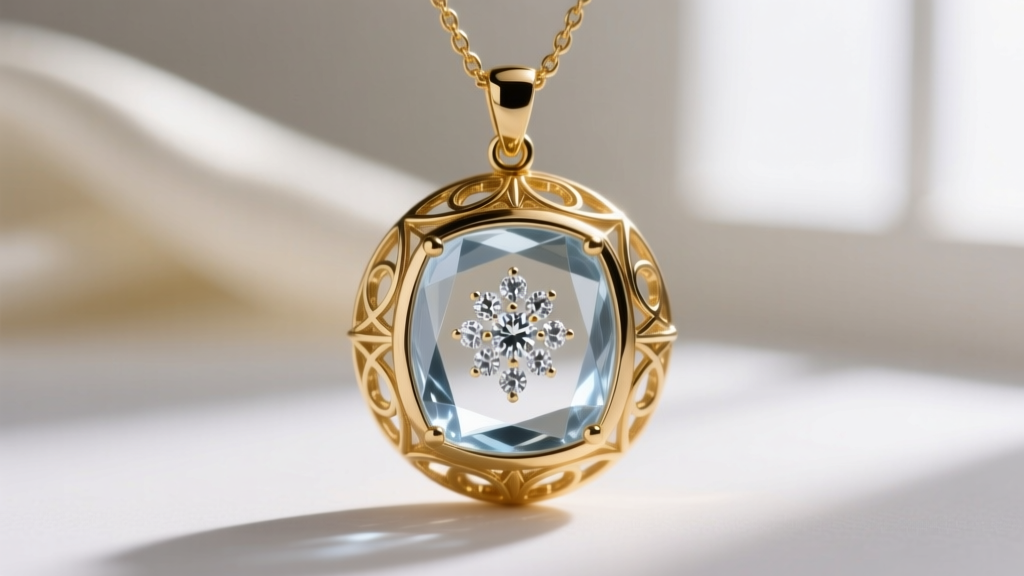
The shaker necklace has evolved from a niche streetwear accessory into a mainstay of kinetic fine jewelry. Defined by a transparent chamber housing loose, mobile elements—ranging from melee diamonds and metallic beads to liquid suspensions—these pendants rely on the wearer's movement to create a captivating, shifting display. However, the very mechanism that makes a shaker necklace unique also introduces severe material vulnerabilities. The constant internal friction and external impacts demand rigorous material selection.
In this comprehensive guide, we dissect the metallurgical and gemological properties that dictate the lifespan of a shaker necklace, helping you avoid catastrophic seal failures, cloudy chambers, and internal abrasion.
The Anatomy of a Shaker Pendant
To understand material degradation, we must first break down the structural components of a shaker pendant. Unlike static pendants, a shaker necklace operates as a micro-kinetic environment. It consists of four critical elements:
- The Chamber Window: The transparent barrier that allows visibility while containing the inclusions.
- The Frame/Bezel: The metal housing that provides structural rigidity and secures the window.
- The Seal: The microscopic junction between the window and the frame, preventing moisture and dust ingress.
- The Inclusions: The mobile elements (solid or liquid) that generate the kinetic visual effect.
Failure in any one of these components compromises the entire piece. In 2026, advancements in lab-grown sapphire and laser-welding have shifted the industry standards, making high-durability shakers more accessible than ever before.
Chamber Material Comparison: Sapphire vs. Glass vs. Acrylic
The most common point of failure in a shaker necklace is the scratching, clouding, or shattering of the chamber window. Because the inclusions are constantly striking the interior surface of the window, the material's position on the Mohs Hardness Scale is the single most important metric for longevity.
Synthetic Sapphire Crystal
Sapphire crystal (Mohs 9.0) is the undisputed king of shaker chambers. It is highly resistant to scratching and can only be abraded by diamond or moissanite. Modern lab-grown sapphire is optically identical to natural sapphire but is produced flawlessly in bulk, keeping 2026 pricing relatively stable. High-end shakers often treat the sapphire with an interior anti-reflective (AR) coating to maximize the brilliance of the moving inclusions.
Mineral Glass
Mineral glass (Mohs 5.0 - 6.0) is standard in mid-tier fashion jewelry. While it offers decent optical clarity and better impact resistance than sapphire (which can shatter under sharp, direct blunt force), it is highly susceptible to micro-scratches. If a mineral glass chamber houses metallic beads or gemstones, the interior will quickly develop a web of micro-abrasions, leading to a cloudy, frosted appearance.
Cast Acrylic and Resin
Acrylic (Mohs 2.5 - 3.0) is reserved for entry-level or novelty shaker necklaces. It is lightweight and shatterproof but scratches effortlessly. Furthermore, acrylic is highly porous and reactive to UV light and skin oils, meaning it will inevitably yellow and degrade over a two-to-three-year period.
| Chamber Material | Mohs Hardness | Internal Diamond Safe? | UV/Yellowing Risk | Avg. Price Range (2026) |
|---|---|---|---|---|
| Synthetic Sapphire | 9.0 | Yes | None | $450 - $2,500+ |
| Mineral Glass | 5.0 - 6.0 | No (Will frost) | None | $120 - $350 |
| Cast Acrylic/Resin | 2.5 - 3.0 | No (Will shred) | High (2-3 years) | $30 - $90 |
Frame and Chain Metallurgy: Preventing Seal Failure
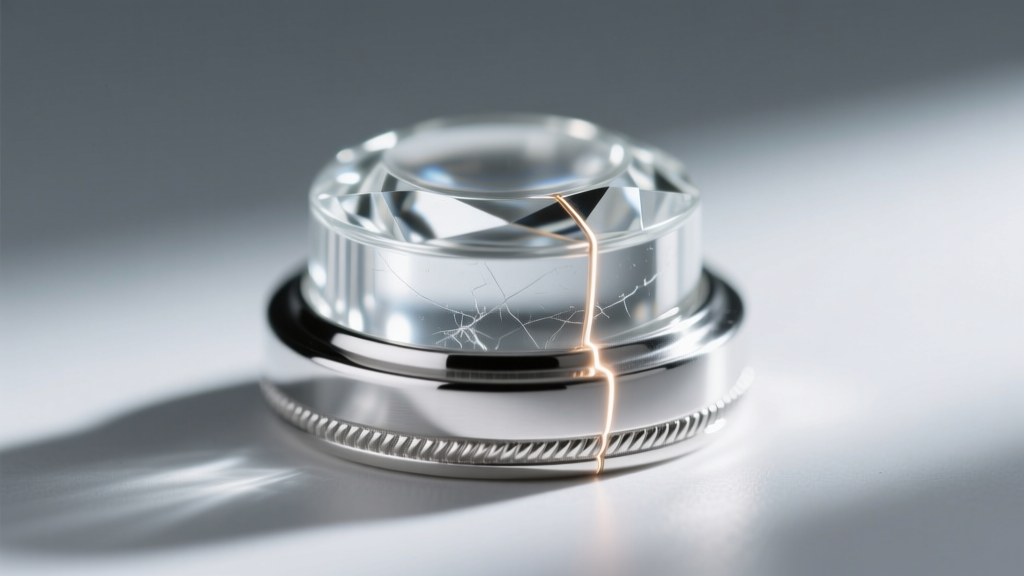
The frame must secure the chamber hermetically. In 2026, the industry standard for fine jewelry shakers is laser-welded bezels. Older or cheaper models rely on UV-cured epoxy resins to glue the glass into the metal frame. Epoxy degrades over 5-7 years due to exposure to skin oils, perfumes, and ambient UV light, leading to seal failure, moisture ingress, and internal clouding.
When selecting a metal frame, ensure it complies with the FTC Jewelry Guides for stamping and hallmarking. Opt for solid 14k or 18k gold for the frame, as these alloys provide excellent tensile strength for laser welding. If choosing sterling silver (925), verify it has a thick rhodium plating; otherwise, silver sulfide tarnish can migrate to the bezel edge, creating a permanent dark ring around the shaker window that obscures the inclusions.
Expert Insight: Never attempt to clean the seam of a shaker necklace with ultrasonic jewelry cleaners. The high-frequency vibrations can fracture the microscopic laser-welds or degrade epoxy seals, instantly ruining the pendant's structural integrity.
Inclusion Materials: The Hidden Danger of Internal Friction
The most catastrophic failure mode in a shaker necklace is internal frosting. If a manufacturer uses mineral glass for the chamber window but fills it with natural or lab-grown diamonds (Mohs 10), the kinetic shaking acts as a continuous sandblasting mechanism. Within three to six months of daily wear, the interior of the glass will be completely pulverized into an opaque, frosted mess.
According to the GIA Gem Encyclopedia, diamond's extreme hardness means it will easily ablate any silicate glass it repeatedly strikes. Therefore, sapphire crystal is the only optically clear material suitable for diamond-inclusion shakers. If you are purchasing a shaker necklace with loose melee diamonds, demand a sapphire crystal window. If the inclusions are gold beads or enamel shapes, mineral glass is perfectly adequate and will save you money.
Liquid vs. Solid Inclusions
Some shaker necklaces utilize liquid suspensions (often distilled water mixed with glycerin for viscosity) containing floating gold leaf or glitter. Liquid inclusions eliminate internal hard-strike abrasion, allowing manufacturers to safely use mineral glass or even high-grade acrylic. However, liquid shakers carry a high risk of thermal expansion. If left in a hot car or exposed to direct summer sunlight, the liquid expands, creating immense internal pressure that can blow the bezel seal or shatter the glass entirely.
Maintenance and Troubleshooting Cloudy Chambers
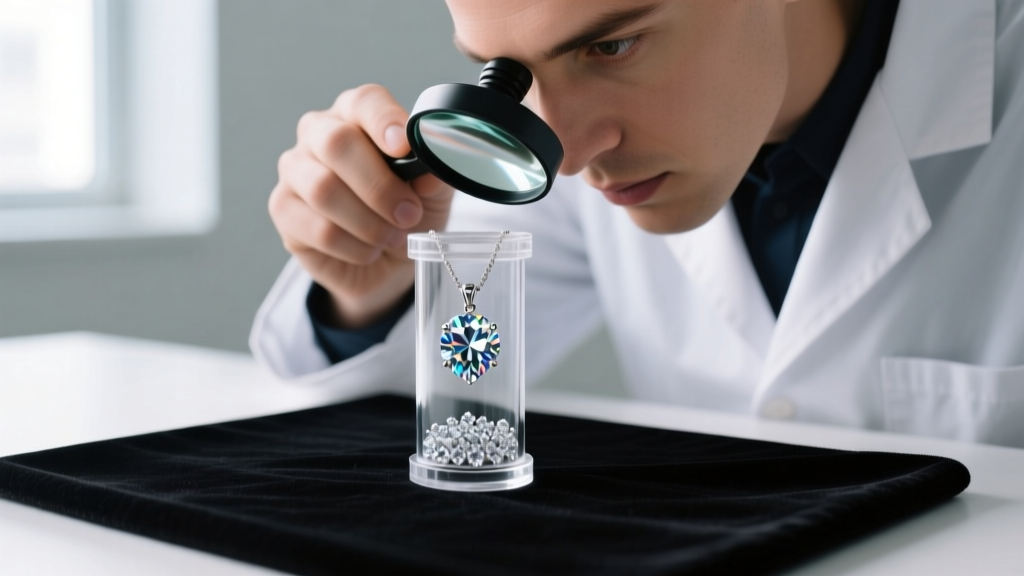
Even with sapphire crystal, shaker necklaces require specific maintenance protocols to preserve optical clarity. The exterior of the chamber is constantly exposed to sebum (skin oils), cosmetics, and environmental dust.
- Cleaning Solutions: Use only a mild, ammonia-free dish soap diluted in lukewarm water. Ammonia-based glass cleaners will strip anti-reflective coatings off sapphire crystals and degrade epoxy seals.
- Wiping Technique: Never rub the chamber dry. Dust particles trapped between your cloth and the pendant will cause micro-scratches. Always rinse the pendant thoroughly and pat it dry with a lint-free microfiber cloth.
- Troubleshooting Internal Fog: If you notice condensation or fog inside the chamber, the hermetic seal has failed. Do not attempt to bake or heat the pendant to evaporate the moisture, as this will warp the metal bezel. The piece must be sent back to the manufacturer for professional disassembly, desiccation, and laser re-welding.
Final Verdict: Choosing Your Shaker Necklace
The shaker necklace is a triumph of kinetic jewelry design, but it requires a buyer who understands material science. For heirloom-quality pieces featuring diamond or gemstone inclusions, synthetic sapphire crystal paired with a laser-welded 14k gold bezel is non-negotiable. For fashion-forward, seasonal pieces with soft metallic or liquid inclusions, mineral glass offers a cost-effective and visually pristine alternative. By prioritizing the Mohs hardness of the chamber and the metallurgical integrity of the seal, you ensure your shaker necklace remains a mesmerizing, crystal-clear display for decades.