Flower Lariat Necklace Troubleshooting: Fix Slipping & Tangles
Is your flower lariat necklace constantly slipping or tangling? Discover expert troubleshooting tips to fix the slide, secure the drop, and protect motifs.

The Anatomy of a Lariat Failure: Why Floral Drops Slip
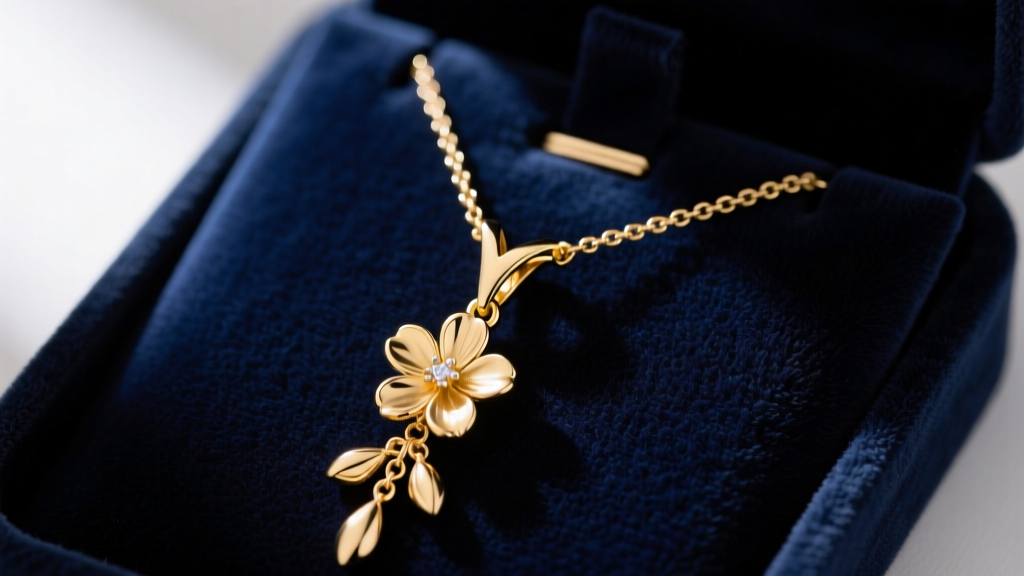
Lariat necklaces, characterized by their Y-shaped silhouette and adjustable sliding mechanism, are a staple of elegant, adaptable styling. However, when you introduce a specific focal point—like a flower lariat necklace—the physics of the jewelry change dramatically. The most common complaint among wearers is the relentless slipping of the chain through the slide, causing the floral drop to migrate to one side of the collarbone or hang awkwardly low.
To troubleshoot this, we must first understand the center of gravity. A standard lariat relies on equal weight distribution on both sides of the neck. A 3D cast flower pendant, a guilloché enamel floral motif, or a gemstone-set blossom acts as a top-heavy counterweight. If the floral drop weighs more than the chain on the opposing side, gravity will inevitably pull the slide downward. Furthermore, the kinetic friction between the metal slide and the chain links is often insufficient to hold the asymmetrical weight, leading to constant readjustment and eventual frustration.
Troubleshooting the Slide: Friction, Gauges, and Chain Types
The slide (or 'O-ring' / 'tube') is the mechanical heart of any lariat. If your flower lariat necklace is slipping, the issue usually lies in the mismatch between the chain gauge and the slide's interior diameter. Mass-market jewelry often pairs a lightweight 0.8mm cable chain with a 1.5mm slide hole to reduce manufacturing costs. This 0.7mm gap provides virtually zero friction.
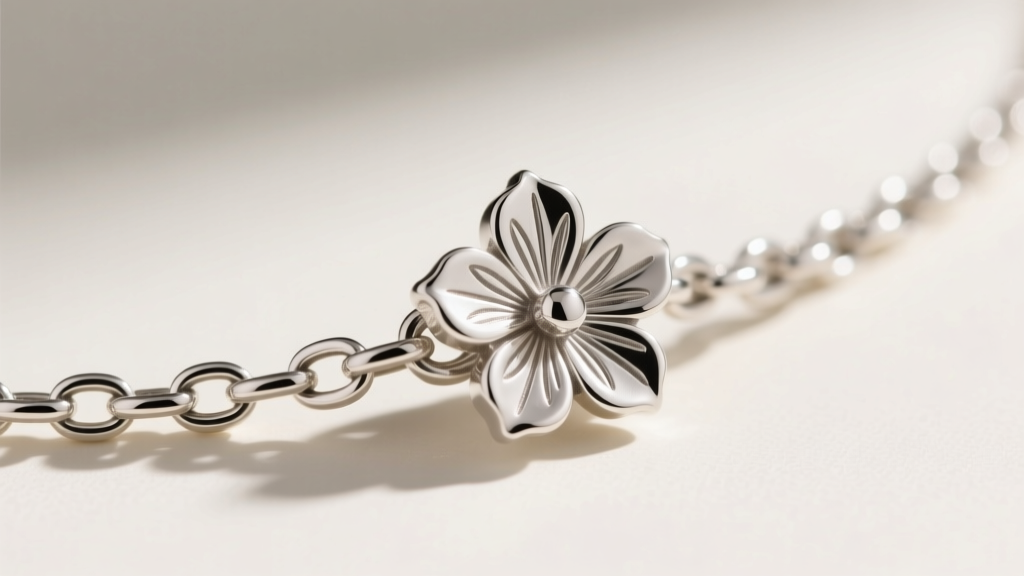
Upgrading or understanding your chain type is the first step in troubleshooting the slip. Below is a breakdown of how different chain profiles interact with lariat slides:
| Chain Type | Standard Gauge | Slide Compatibility | Tangling Risk |
|---|---|---|---|
| Cable Chain | 0.8mm - 1.0mm | High (Slides easily, low friction) | Moderate |
| Rolo Chain | 1.2mm - 1.5mm | Medium (Requires larger slide, better grip) | Low |
| Box Chain | 0.9mm - 1.1mm | Low (Sharp edges catch inside slide) | High |
| Snake Chain | 1.0mm - 1.5mm | Poor (Kinks under Y-tension) | Very High |
The Silicone O-Ring Hack
If you have a cable chain that refuses to stay in place, you do not necessarily need to replace the necklace. A highly effective, jeweler-approved DIY fix involves using a 1mm silicone earring back or a micro silicone O-ring (available at hardware or craft stores). Thread the silicone piece onto the chain, position it exactly where you want the drop to sit, and slide the metal lariat component over it. The silicone grips the metal links, creating customizable, invisible friction that holds the heavy flower pendant perfectly in place without scratching the gold or silver.
Securing the Drop: Bail Torque and Jump Ring Failures
Another frequent failure mode specific to the flower lariat necklace is the detachment of the floral motif from the slide. Because the flower swings freely as you move, it generates kinetic torque on the jump ring connecting it to the slide. If the manufacturer used a standard open jump ring (where the ends simply butt together), the repetitive swinging will eventually pry the ring open, resulting in a lost pendant.
The Fix: Inspect the connection point. If it is an open jump ring, take the necklace to a local jeweler and ask them to replace it with a soldered, machine-stamped oval jump ring (typically 3mm x 4mm, 20-gauge). An oval shape prevents the ring from rotating against the slide's loop, drastically reducing wear and eliminating the risk of the flower dropping off.
Protecting the Floral Motif: Enamel, Gemstones, and Catching
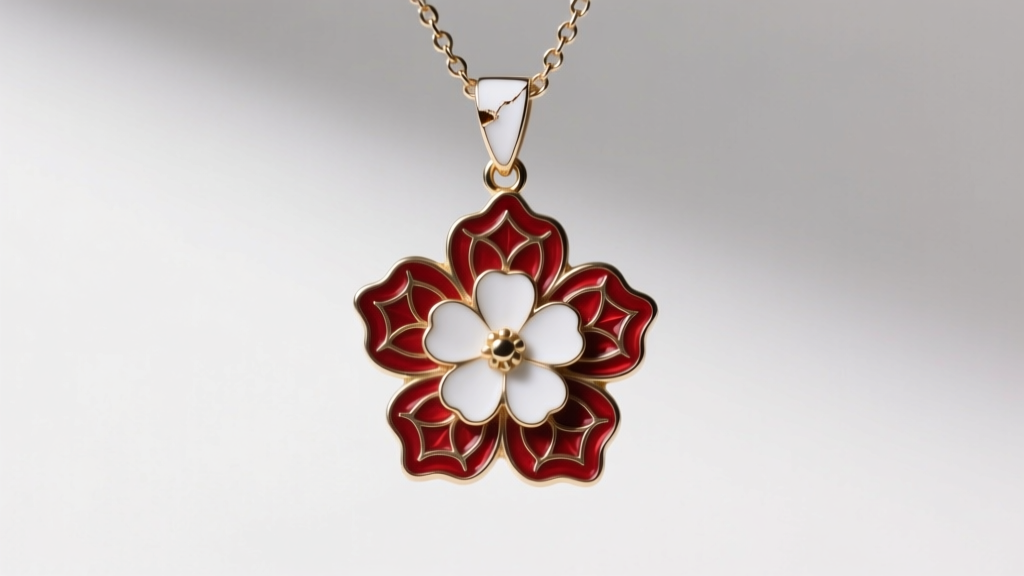
Floral designs often feature delicate elements that are highly susceptible to damage in a lariat configuration. The Y-shape of the necklace means the chain frequently whips around the neck, causing the metal slide to crash directly into the top petals of the flower motif.
Enamel Chipping and Gemstone Loosening
According to the Gemological Institute of America (GIA), materials like guilloché enamel and soft gemstones (such as opals or turquoise often used in floral centers) require protection from hard metal impacts. When the heavy metal slide repeatedly strikes an enamel flower petal, it will inevitably cause micro-chipping. Similarly, if the flower features prong-set stones, the lateral tension of the lariat chain can bend delicate prongs over time.
Troubleshooting Steps:
- Add a Silicone Bumper: Slide a tiny piece of clear heat-shrink tubing over the bottom edge of the metal slide to act as a shock absorber against the flower.
- Check Prong Tension: Every six months, gently run a piece of silk thread over the gemstone prongs. If the thread snags, a prong is lifted and requires professional burnishing.
- Avoid Knitwear: The protruding petals of a 3D flower lariat act as natural hooks. Wearing this style over chunky knits or lace will result in snagged threads and bent metal petals.
A Troubleshooter’s Checklist for Daily Wear and Storage
Maintaining a lariat necklace requires specific storage habits to prevent the dreaded 'Y-knot'—a complex tangle that occurs when the drop chain wraps around the main neck loop. The Jewelers of America emphasizes that proper storage is the primary defense against chain stretching and link deformation.
- The Straw Method for Tangles: If your lariat chain knots, do not pull. Lay it flat on a glass surface, apply a drop of baby oil to the knot, and use a sewing needle to loosen it. To prevent future tangling, thread the drop chain through a plastic drinking straw before clasping it in your jewelry box.
- Clasp Orientation: Always store the necklace clasped. An open lobster clasp can easily hook into the links of the drop chain during storage, creating structural weak points.
- Cleaning the Slide: Sebum and lotion build up inside the slide tube, creating a sticky residue that ruins the chain's drape. Once a month, use a cotton swab dipped in isopropyl alcohol to clean the interior of the slide mechanism.
By understanding the mechanical vulnerabilities of the Y-chain and implementing these targeted fixes, your flower lariat necklace will remain a secure, elegant, and frustration-free staple in your jewelry rotation for years to come.


