How to Repair a Tangled Pearl Necklace Chandelier Design
Learn how to detangle, repair, and maintain a heavy pearl necklace chandelier design with expert tips on wire gauges, clasps, and nacre care.

The Anatomy of a Pearl Necklace Chandelier
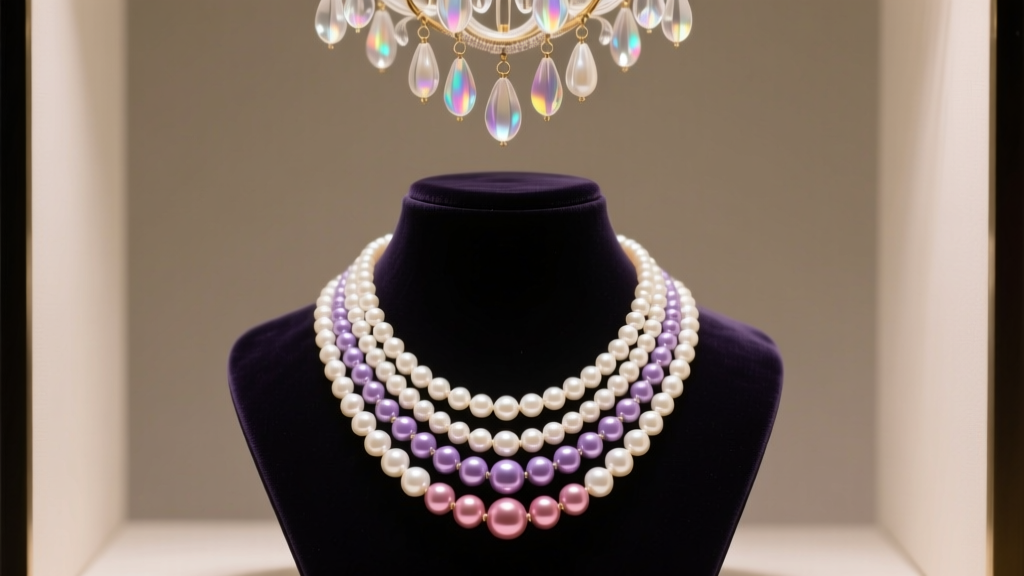
A true pearl necklace chandelier is a marvel of jewelry engineering. Unlike a simple pendant, a chandelier design features a complex, multi-tiered architecture where cascading strands, articulated drops, and intricate wirework fan out across the décolletage. While these pieces are stunning, their structural complexity makes them highly susceptible to mechanical failure, severe tangling, and accelerated nacre degradation. As of 2026, vintage and estate jewelry restoration has seen a massive surge, bringing many heirloom chandelier pieces back into circulation. However, reviving these heavy, intricate necklaces requires a deep understanding of jewelry mechanics, wire gauges, and organic gemstone care.
Troubleshooting a damaged or hopelessly knotted chandelier piece is not about brute force; it is about precision, friction reduction, and structural reinforcement. In this guide, we will dissect the most common failure modes of chandelier pearl necklaces and provide actionable, professional-grade solutions to restore them to their former glory.
Problem 1: Severe Multi-Strand Tangling
The most frequent issue plaguing a pearl necklace chandelier is catastrophic tangling. Because chandelier designs utilize multiple articulated strands and dangling drops of varying lengths, they easily fold in on themselves during storage. The friction between the silk thread, wire wraps, and the pearls themselves creates tight, seemingly impossible knots.
The Glass and Talcum Powder Method
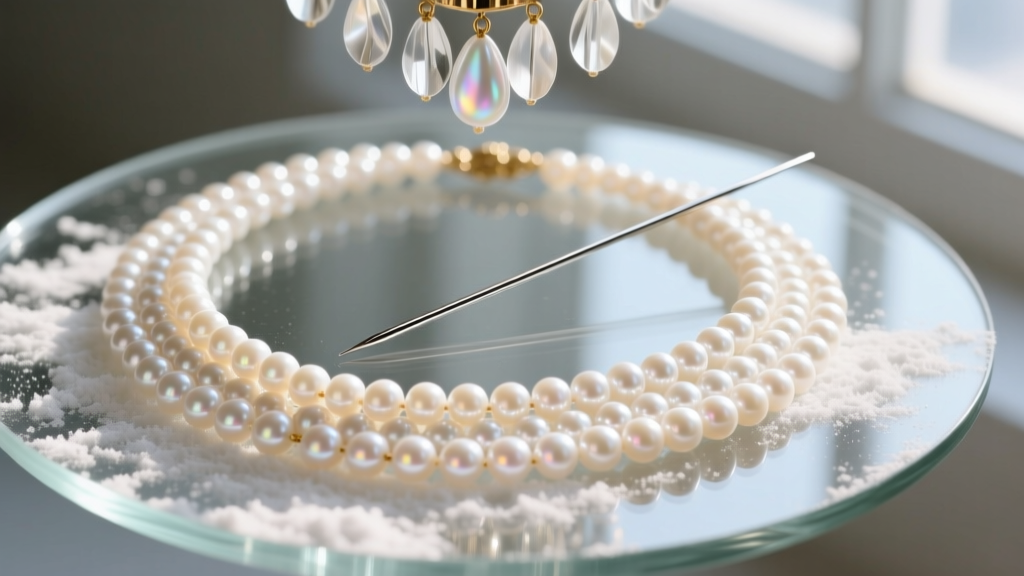
Never attempt to untangle a multi-strand pearl necklace in your hands or on a fabric surface. Fabric creates microscopic friction that tightens knots, while handling the piece transfers oils and limits your visual access to the knot's core. Instead, employ the professional jeweler's glass-plate method:
- Prepare the Surface: Place a piece of clear glass over a dark piece of paper or a lightbox. The glass provides a zero-friction surface, while the dark background creates high contrast to see the thread paths.
- Apply Dry Lubricant: Generously dust the tangled area with pure talcum powder (magnesium silicate) or cornstarch. This acts as a dry lubricant, drastically reducing the coefficient of friction between the pearls and the stringing material.
- Use Precision Tools: Do not use your fingers. Use two fine-tipped beading awls or size 10 beading needles. Gently work the needles into the center of the knot, pushing the threads outward rather than pulling the ends, which will only cinch the knot tighter.
- Clear the Residue: Once untangled, use a soft, dry makeup brush to sweep away the powder. Never use compressed air, as the extreme cold can shock and crack the nacre of older pearls.
Problem 2: Clasp Strain and Wire Fatigue
Chandelier necklaces are inherently heavy. A moderately sized cascading pearl bib can easily weigh between 40 and 80 grams. Standard jewelry clasps, such as 10mm spring rings or small lobster claws, are not engineered to support this dynamic load. When the wearer moves, the swinging weight of the chandelier creates kinetic stress on the clasp and the jump rings connecting it to the collar, leading to metal fatigue and eventual snapping.
Upgrading the Hardware
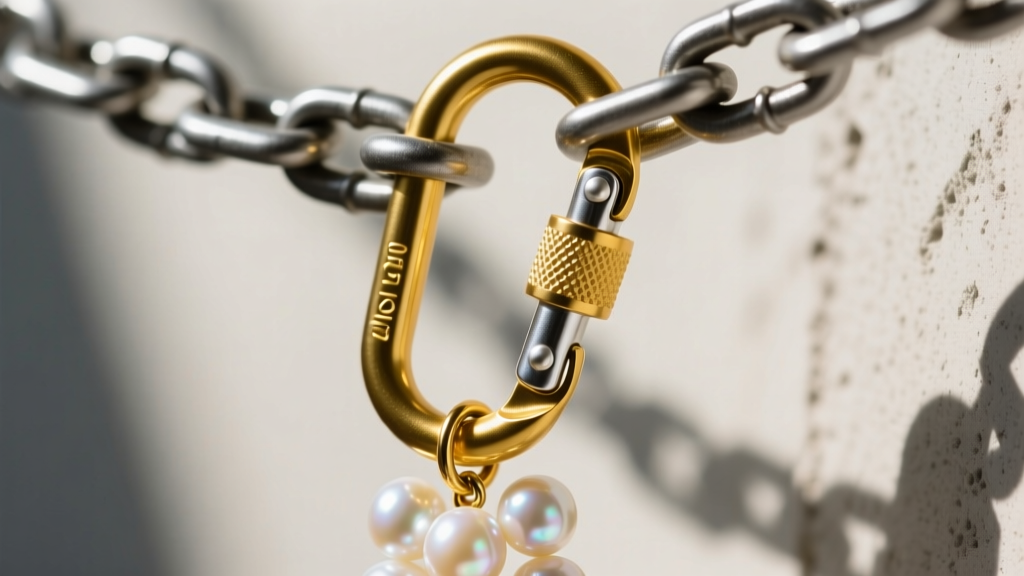
If your chandelier necklace frequently slips open or the wire near the clasp is kinking, you must upgrade the findings. For heavy pearl pieces, transition to a neodymium magnetic tube clasp or a heavy-duty 15mm locking carabiner. Furthermore, ensure the jump rings connecting the clasp to the necklace are soldered closed or use split rings to prevent the wire from pulling through the gap.
| Clasp Type | Max Weight Capacity | Best Application |
|---|---|---|
| Spring Ring (10mm) | 15 grams | Single-strand, lightweight collars |
| Lobster Claw (15mm) | 45 grams | Medium bib necklaces, light drops |
| Neodymium Magnetic Tube | 60+ grams | Heavy chandelier designs, multi-strand |
| Locking Carabiner | 90+ grams | Extreme weight, heirloom restoration |
Problem 3: Nacre Degradation on Cascading Drops
Pearls are organic gems, primarily composed of calcium carbonate and conchiolin. In a chandelier design, the lowest dangling tiers rest directly against the skin of the chest and sternum. This area is prone to sweating and is a common landing zone for perfumes and body lotions. The acidic nature of human sweat (typically a pH of 4 to 6) slowly dissolves the calcium carbonate in the pearl's nacre, leading to a dull, chalky appearance and eventual pitting.
According to the Gemological Institute of America (GIA), pearls require meticulous, chemical-free cleaning to preserve their luster. To troubleshoot nacre degradation on the lower tiers of your chandelier:
- Immediate Wiping: After every wear, gently wipe the bottom three tiers of pearls with a slightly damp, lint-free microfiber cloth. This removes acidic sebum and cosmetic residue before it can etch the nacre.
- Avoid Ultrasonic Cleaners: Never place a chandelier pearl necklace in an ultrasonic cleaner. The high-frequency vibrations will shatter the delicate nacre and destroy the silk thread or wire wraps holding the drops together.
- Re-stringing Intervals: If the chandelier is strung on silk, the thread will stretch and degrade from skin oils. Have the articulated drops professionally re-knotted every 2 to 3 years to prevent a catastrophic break.
Problem 4: Restructuring Broken Chandelier Linkages
When a single pearl snaps off the bottom of a chandelier tier, it is usually due to a failed headpin loop. Akoya and high-grade freshwater pearls typically feature drill holes ranging from 0.7mm to 0.8mm. This physical limitation dictates that jewelers must use fine wire—usually 22-gauge (0.64mm) or 23-gauge—to create the headpins. Because this wire is thin, the simple loops at the top of the headpins can easily pull open under the swinging weight of the pearl.
The Wrapped Loop Solution
To permanently fix a dropped pearl on a chandelier necklace, you must abandon the simple loop technique in favor of a wrapped loop. Using a 22-gauge dead-soft wire, thread the pearl, and instead of simply bending the wire into a circle, wrap the tail tightly around the stem of the wire two to three times before trimming it flush. This creates a structurally sound, permanent connection that will not pull open, even under the kinetic stress of a heavy chandelier design.
For the main structural jump rings that hold the entire chandelier tiers together, avoid standard open jump rings. Instead, use closed (soldered) rings or heavy-duty split rings. The American Gem Society emphasizes that the longevity of pearl jewelry relies heavily on the quality of the metal findings supporting the organic gems. Upgrading these hidden structural components is the hallmark of a true restoration.
Professional vs. DIY: When to Call a Master Jeweler
While untangling, upgrading clasps, and wiping down nacre are well within the realm of DIY maintenance, certain chandelier repairs require a master jeweler. If the main collar of the necklace features intricate wire-woven filigree that has bent out of shape, or if the silk knotting between the upper collar pearls has visibly stretched (creating gaps between the pearls), do not attempt a home repair. A professional bench jeweler possesses the specialized mandrels and micro-soldering equipment required to reshape filigree without stressing the adjacent pearl drill holes.
By understanding the specific mechanical and chemical vulnerabilities of a pearl necklace chandelier, you can transform a tangled, damaged heirloom into a flawless, wearable masterpiece. Proper friction management during untangling, strategic hardware upgrades for weight distribution, and rigorous nacre protection will ensure your cascading pearls remain secure and luminous for decades to come.


