How to Clean and Maintain an I Love You More Necklace
Learn how to safely clean, polish, and store your i love you more necklace. Expert tips for silver, gold vermeil, and enamel finishes.

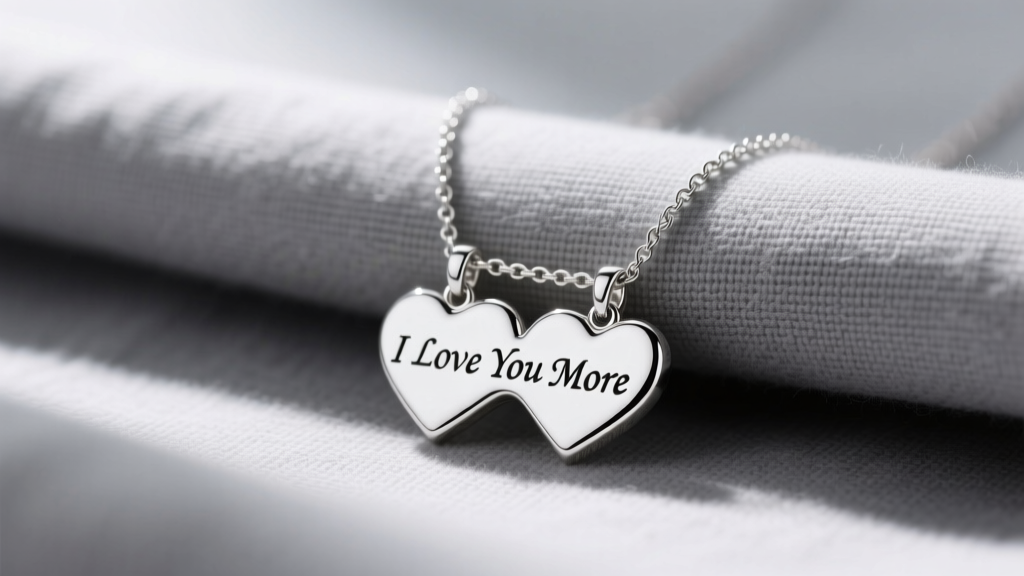
Sentimental jewelry carries a profound emotional weight, making its physical preservation just as important as the memory it represents. The i love you more necklace is a quintessential keepsake, often gifted to signify an unbreakable bond between partners, parents, and children. However, because these pieces frequently feature intricate interlocking components, hidden engraved messages, or delicate enamel accents, they require a specialized approach to maintenance. Standard jewelry cleaning methods can easily damage the unique architectural elements of sentimental pendants.
In this comprehensive guide, we break down the exact material science, mechanical vulnerabilities, and professional cleaning protocols required to keep your necklace pristine for decades. Whether your piece is crafted from sterling silver, 14k gold vermeil, or surgical stainless steel, understanding its specific failure modes is the first step in lifelong preservation.
The Anatomy of Sentimental Jewelry: Why It Needs Special Care
Unlike a simple solitaire pendant, an i love you more necklace often incorporates complex structural designs. Many variations feature interlocking rings, hinged lockets, or deep-stamped typography. These design choices create microscopic crevices where sebum (skin oils), cosmetic residues, and environmental pollutants accumulate. Over time, this organic buildup acts as a catalyst for accelerated tarnishing and can even cause mechanical friction in moving parts.
Furthermore, many modern sentimental necklaces utilize gold vermeil rather than solid gold to maintain an accessible price point. According to the Federal Trade Commission Jewelry Guides, true vermeil must consist of a sterling silver base coated with at least 2.5 microns of gold. Aggressive polishing or the use of ultrasonic cleaners can easily strip this micron-thin layer, exposing the brass or silver base metal beneath and ruining the piece's aesthetic integrity.
Material-Specific Cleaning Protocols
The most common mistake consumers make is applying a universal cleaning method to all metals. The chemical reactivity of sterling silver is vastly different from the inert nature of stainless steel. Below is a professional matrix for safely cleaning the most common materials used in these necklaces.
| Material | Cleaning Agent | Tool | Frequency | Critical Warning |
|---|---|---|---|---|
| Sterling Silver | Mild dish soap (e.g., Dawn) & lukewarm water | Microfiber cloth & 0.1mm bristle brush | Every 3-4 weeks | Never use toothpaste; its high RDA (abrasiveness) will scratch the silver. |
| 14k Gold Vermeil | Phosphate-free liquid soap | Fingertips & lint-free cotton swab | Every 4-6 weeks | Avoid all silver dip solutions; they will instantly strip the gold plating. |
| Stainless Steel | Isopropyl alcohol (70%) or glass cleaner | Soft cotton pad | As needed | Highly durable, but alcohol can degrade protective clear-coats on cheaper variants. |
| Enamel Accents | Distilled water only | Damp Q-tip | Spot clean only | Never submerge; water intrusion causes the enamel to lift and chip from the metal. |
Deep Cleaning Engraved and Textured Pendants
The defining feature of the i love you more necklace is often its typography—whether stamped, laser-engraved, or cast into the metal. These recessed letters are notorious traps for dead skin cells and hand lotions. When left untreated, this debris hardens into a dark, cement-like paste that obscures the message.
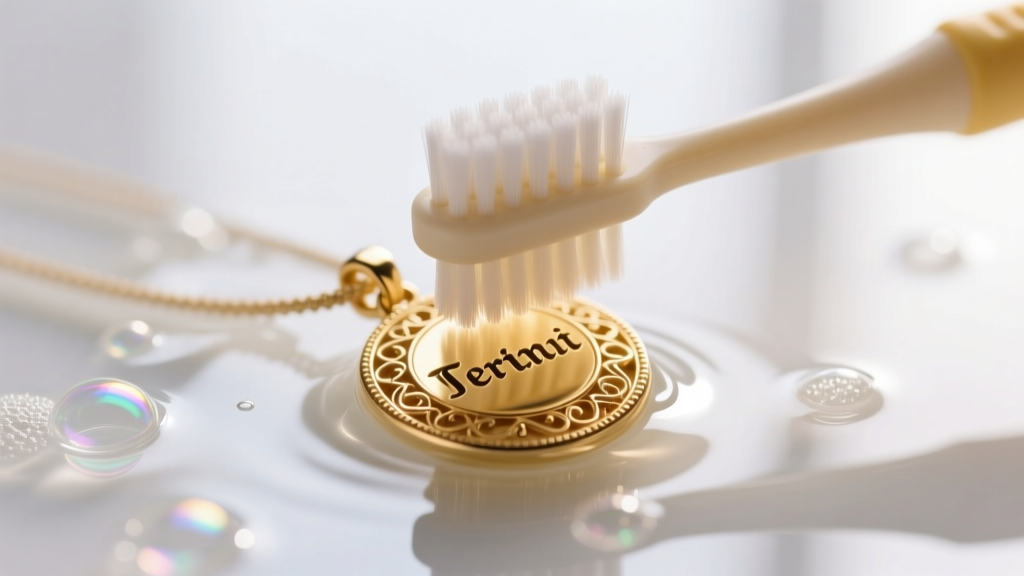
The Soak and Agitate Method
To safely extract debris from deep engravings without damaging the surrounding polish, follow this jeweler-approved technique:
- Prepare the Solution: Mix three drops of phosphate-free dish soap into a bowl of lukewarm (not hot) distilled water. Hot water can cause thermal shock to any glued components or gemstone accents.
- Soak: Submerge the pendant (avoid soaking the chain if it contains delicate springs) for exactly 5 to 7 minutes. This softens the lipid bonds of the trapped oils.
- Agitate: Using an extra-soft baby toothbrush (look for 0.1mm bristle diameter), gently sweep across the engraving, not parallel to it. This lifts the dirt out of the grooves rather than packing it deeper into the corners.
- Rinse and Dry: Rinse under a gentle stream of distilled water. Immediately pat dry with a lint-free microfiber cloth, then use a hairdryer on the 'cool' setting to evaporate moisture trapped in microscopic crevices.
For stubborn tarnish inside sterling silver engravings, apply a tiny drop of GIA-recommended silver polish to a wooden toothpick and carefully trace the letters. The wood is softer than silver and will not cause micro-scratches.
Preventing Tarnish and Clasp Failure
Tarnish is a chemical reaction, primarily affecting silver alloys, where sulfur in the air or on the skin combines with the metal to form silver sulfide. While you cannot stop this reaction entirely, you can drastically slow it down by managing your necklace's environment.
However, a more insidious issue with daily-wear sentimental necklaces is clasp failure. The standard lobster clasp relies on a tiny internal spring mechanism. Over months of wear, hand creams, perfumes, and dust infiltrate the clasp's housing. This creates a sludge that prevents the spring from fully retracting, leading to a clasp that won't snap shut securely—a major risk for losing a priceless sentimental piece.
The Isopropyl Alcohol Flush
To maintain your clasp's mechanical integrity, perform a solvent flush every six months:
- Hold the lobster clasp over a paper towel.
- Using a precision dropper, apply 2-3 drops of 90% isopropyl alcohol directly into the clasp's moving joint.
- Open and close the lever rapidly 10-15 times to work the solvent through the internal spring box.
- Allow it to air dry completely, then apply a microscopic drop of synthetic watch oil to the hinge pin to restore smooth action.
Proper Storage Solutions for Daily-Wear Pendants
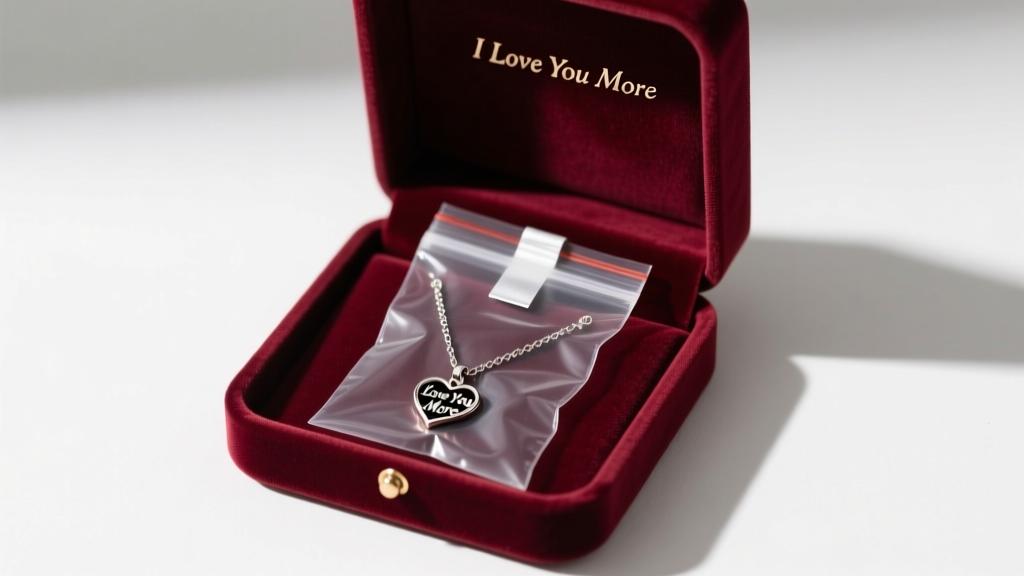
How you store your i love you more necklace when it is not being worn dictates its lifespan. Tossing it into a communal jewelry box guarantees tangling, which leads to pulled jump rings and stretched chains. Furthermore, standard cardboard or wood-pulp jewelry boxes emit sulfur gases that accelerate tarnishing.
To achieve optimal preservation, adopt the following storage protocol:
- The Polyethylene Rule: Store the necklace in an individual, zip-sealed polyethylene bag. Avoid PVC (polyvinyl chloride) plastics, which off-gas chemicals that cause irreversible yellowing and corrosion in silver and copper alloys.
- Anti-Tarnish Strips: Place a 3M anti-tarnish strip inside the bag. These strips contain copper-based polymers that absorb airborne sulfur and hydrogen sulfide, sacrificing themselves to protect your jewelry. Replace the strip every six months.
- Clasp Outside: When placing the necklace in the bag, leave the lobster clasp protruding slightly outside the zip seal. This prevents the clasp teeth from catching on the delicate chain links during transit.
When to Seek Professional Jeweler Intervention
While routine cleaning can be done at home, certain structural issues require a professional bench jeweler. If you notice any of the following warning signs, cease wearing the necklace immediately and take it to a reputable repair shop:
- Jump Ring Gap: The jump ring is the small circular wire connecting the pendant to the chain. Over time, friction causes this ring to twist open. If you see even a hairline gap, the pendant is at imminent risk of sliding off and being lost.
- Vermeil Wear-Through: If the gold color on the high-friction areas (like the back of the pendant or the bail) begins to look brassy or pale, the gold layer has worn away. A jeweler can professionally re-plate the piece to restore its original luster.
- Chain Kinking: Snake chains and box chains, commonly used for sentimental pendants, are prone to permanent kinking if bent backward. A jeweler has specialized mandrels to gently roll out these kinks without snapping the internal links.
By treating your i love you more necklace not just as an accessory, but as a precision-crafted heirloom, you ensure that the physical piece remains as enduring and beautiful as the sentiment it represents. Consistent, gentle care is the ultimate expression of love for the jewelry that symbolizes it.


