How to Style and Maintain a Zipper Necklace Gold Design
Learn how to layer, style, and clean your zipper necklace gold pendant. Expert tips on gold purity, chain lengths, and maintenance for lasting shine.
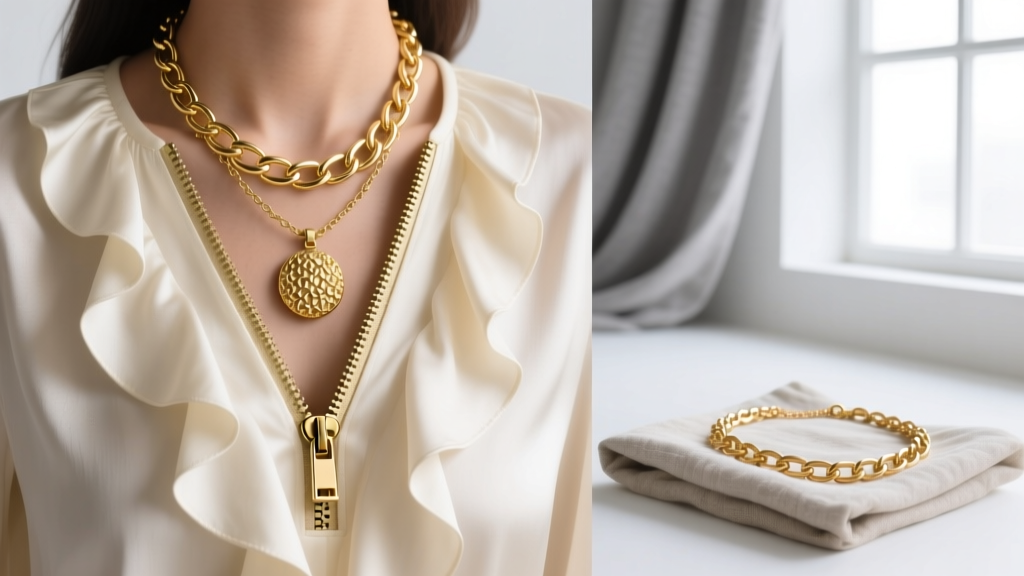
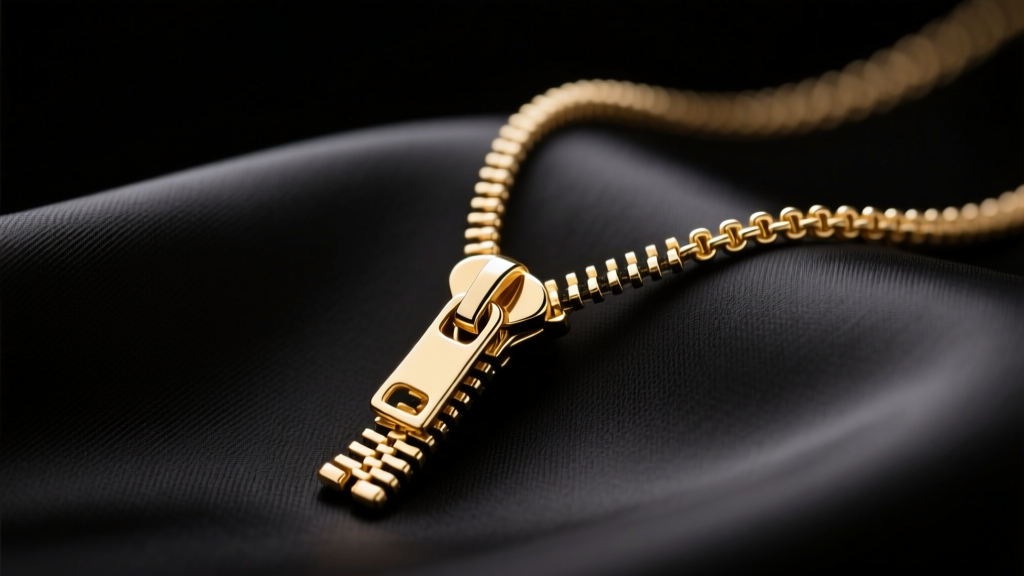
The industrial-chic aesthetic has firmly cemented its place in fine jewelry, and as we navigate the styling landscape of 2026, the zipper necklace gold pendant remains a standout statement piece. Blending utilitarian edge with precious metals, this motif requires a strategic approach to styling and maintenance. Whether you are wearing a solid 14k gold piece or a meticulously crafted gold vermeil design, understanding the anatomy, layering mechanics, and cleaning protocols of your jewelry is essential for longevity and visual impact.
The Anatomy of a Zipper Necklace Gold Pendant
Before diving into styling, it is crucial to understand what you are wearing. Gold zipper pendants generally fall into two categories: motif castings and functional novelties. High-end jewelers typically utilize lost-wax casting to create motif zippers, where the teeth and slider are solid gold but completely stationary. Functional zippers, which actually unzip, are rare in fine gold jewelry due to the softness of high-karat gold and the friction required for the mechanism.
When selecting a zipper necklace gold design, the metal purity dictates both the color and the durability. According to the Gemological Institute of America (GIA), 14k gold (58.3% pure gold) offers the optimal balance of rich color and structural integrity, making it ideal for the sharp, intricate edges of a zipper teeth design. 18k gold (75% pure) provides a deeper, warmer yellow hue but is more prone to micro-scratches on the raised slider components.
Understanding Gold Vermeil Standards
If you are opting for a more accessible price point, gold vermeil is the superior choice over standard gold plating. The Federal Trade Commission (FTC) mandates that for a piece to be legally marketed as 'vermeil' in the United States, it must have a sterling silver base and a gold layer of at least 2.5 microns thick. Because zipper pendants have deep crevices between the teeth, a thicker micron plating ensures the high-friction areas do not wear down to the silver base prematurely.
Step-by-Step Layering Techniques for Industrial Pendants
A zipper pendant carries significant visual weight. To integrate it into a curated necklace stack without overwhelming your neckline, follow this precise three-step layering framework.

Step 1: The 16-Inch Base Layer
Start with a delicate 16-inch chain to sit just above the collarbone. A 1.2mm to 1.5mm cable chain or a minimalist box chain works best. The goal here is to create a subtle metallic frame that draws the eye downward toward the focal piece. Avoid chains with high surface texture here, as they will compete with the intricate teeth of the zipper pendant.
Step 2: The 18-Inch Focal Point
Your zipper necklace gold piece should sit at exactly 18 inches, resting on the sternum. The chain attached to the zipper pendant must be robust enough to support the weight of the slider motif without bending. A 2.5mm to 3mm Figaro or flat-curb chain provides the necessary structural support and complements the industrial vibe of the zipper.
Step 3: The 22-Inch Anchor (Optional)
For a maximalist, editorial look, add a 22-inch heavy rope or thick Cuban curb chain (4mm to 6mm). This elongates the torso and grounds the stack. Pro Tip: Never use a rope chain as the primary chain for the zipper pendant itself; the tight links of a rope chain will inevitably catch and snag on the sharp edges of the gold zipper teeth.
Cleaning and Maintenance Protocol
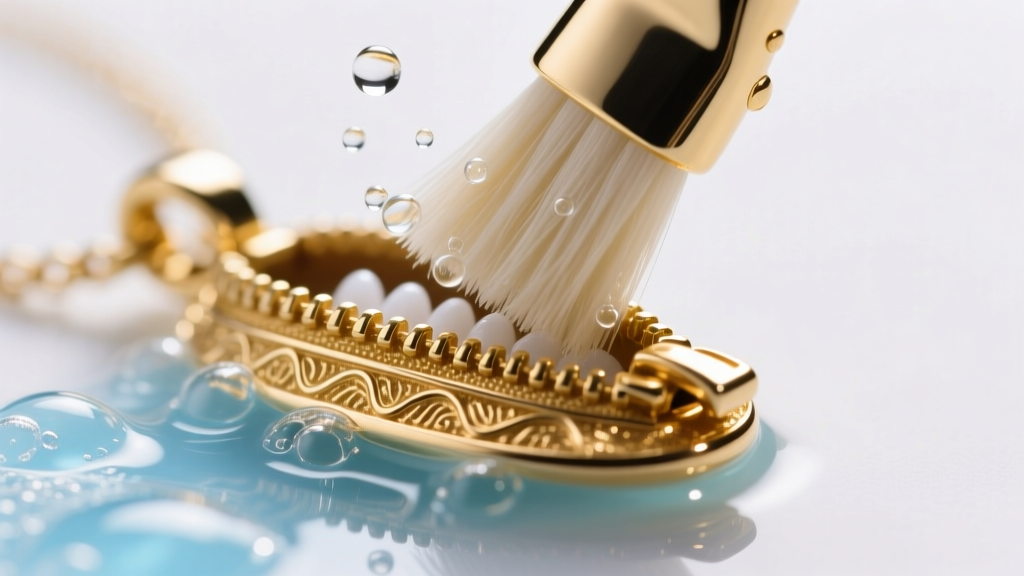
The deep grooves between the teeth of a zipper pendant act as magnets for sebum, dead skin cells, and cosmetic powders. Over time, this buildup creates a dull, grayish film that robs the gold of its luster. Follow this step-by-step cleaning protocol every four to six weeks.
- Preparation: Mix three drops of mild, phosphate-free dish soap (like Dawn) into a bowl of lukewarm distilled water. Avoid hot water, which can cause thermal shock to any soldered joints on the bail.
- Agitation: Submerge the zipper necklace gold pendant for exactly 5 minutes to loosen debris.
- Detailing: Using an extra-soft baby toothbrush, gently brush along the grain of the zipper teeth. Do not scrub aggressively against the slider mechanism, especially if your piece is gold vermeil, as abrasive brushing can strip the 2.5-micron gold layer.
- Rinsing and Drying: Rinse thoroughly under lukewarm running water. Pat dry with a lint-free microfiber cloth, ensuring no moisture is trapped in the slider crevices.
Crucial Warning: Never place a gold zipper necklace in an ultrasonic cleaner. The high-frequency vibrations can fracture hollow-cast slider components and severely degrade gold vermeil plating.
Material Comparison: Choosing Your Gold Type
| Material Grade | Gold Purity / Thickness | Durability Profile | Average Price Range | Best Use Case |
|---|---|---|---|---|
| 14k Solid Gold | 58.3% Pure Gold | Highly durable, resists bending | $350 - $800 | Daily wear, showering, swimming |
| 18k Solid Gold | 75.0% Pure Gold | Moderate, prone to micro-scratches | $700 - $1,500+ | Special occasions, heirloom pieces |
| Gold Vermeil | 2.5+ Microns over Sterling | Moderate, plating wears over time | $90 - $200 | Trend-driven styling, occasional wear |
| Gold Plated (Brass) | < 0.5 Microns over Brass | Low, high tarnish risk | $30 - $70 | Short-term costume styling |
Troubleshooting Common Wear Issues
Even with meticulous care, zipper necklaces present unique mechanical challenges. Here is how to troubleshoot the most common issues reported by jewelry enthusiasts.
Issue 1: The Pendant Flip
Because zipper pendants are typically top-heavy and vertically oriented, they have a tendency to flip backward against the skin. The Fix: Check the bail (the loop connecting the pendant to the chain). If your pendant has a wide, sliding bail, it will flip constantly. Take the piece to a jeweler to have a fixed, soldered jump ring installed, or thread a small, clear silicone O-ring onto the chain to act as a friction stopper on either side of the bail.
Issue 2: Clasp Slippage
The weight of a solid gold zipper pendant can pull a standard spring-ring clasp open, leading to lost jewelry. The Fix: Upgrade your clasp to a heavy-duty lobster claw or a magnetic neodymium clasp. Ensure the jump ring connecting the clasp to the chain is soldered shut rather than merely pinched closed.
Issue 3: Stress-Corrosion Cracking
Exposing karat gold alloys to chlorine (in pools or household cleaners) causes a chemical reaction that leads to microscopic cracking, particularly at the solder points where the zipper teeth meet the main body. The Fix: Always remove your zipper necklace gold piece before swimming or cleaning. If you notice hairline fractures near the bail, cease wearing it immediately and consult a professional bench jeweler for laser welding.
Final Styling Takeaways
Mastering the zipper necklace gold aesthetic is all about balancing industrial grit with refined elegance. By adhering to precise chain-width ratios, committing to gentle, non-ultrasonic cleaning methods, and selecting the appropriate gold purity for your lifestyle, you ensure that this striking piece remains a cornerstone of your jewelry collection for years to come.


