Fixing Rose Box With Necklace Issues: Tarnish, Tangles & Preservation
Is your rose box with necklace causing tarnished chains or tangled pendants? Discover expert troubleshooting tips to preserve both the rose and jewelry.

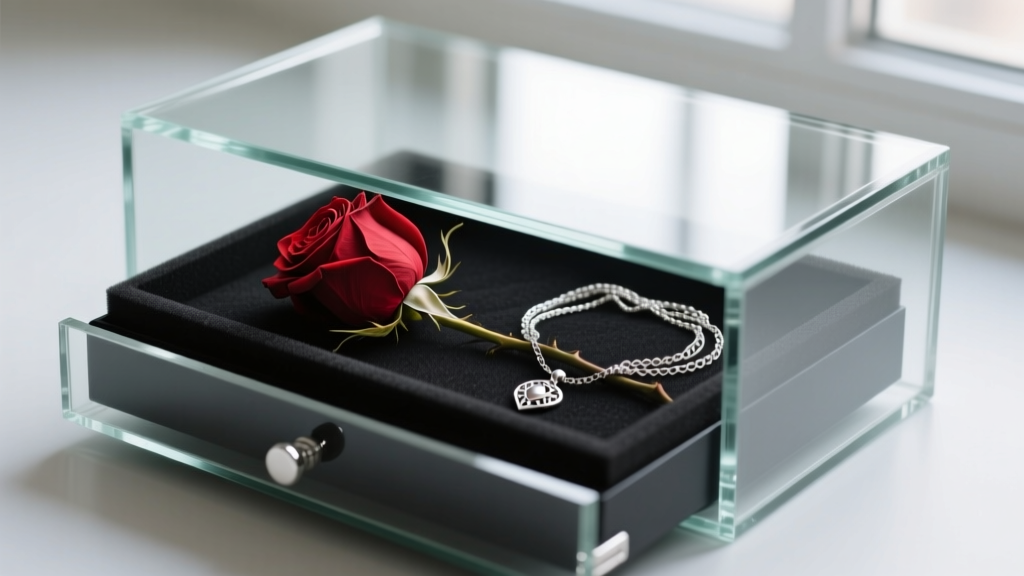
The concept of a rose box with necklace compartments has become one of the most popular romantic gifts of the decade. Combining the visual impact of a preserved or artificial eternity rose with the sentimental value of hidden jewelry, it seems like the perfect presentation. However, as jewelry conservationists and gemologists frequently point out, the mass-market execution of these hybrid display boxes often creates a hostile microclimate for fine metals and delicate botanicals alike. If you have noticed your sterling silver turning black within weeks, or your gold chains emerging from the hidden drawer in a frustrating, knotted mess, you are not alone.
In this comprehensive troubleshooting guide, we will dissect the structural and chemical flaws inherent in most commercial rose box with necklace designs. More importantly, we will provide actionable, expert-level solutions to retrofit your gift box, protect your precious metals, and ensure the preserved rose remains pristine for years to come.
The Hidden Dangers of Standard Rose Box With Necklace Gifts
Most commercially available rose boxes are manufactured with aesthetics and low shipping costs in mind, not archival preservation. The typical design features an acrylic or glass-topped upper chamber for the rose, and a narrow, shallow pull-out drawer at the base lined with synthetic foam for the jewelry. This dual-chamber design introduces three major points of failure:
- Chemical Off-Gassing: The adhesives and synthetic foams used in the jewelry drawer emit volatile organic compounds (VOCs) that accelerate metallic oxidation.
- Microclimate Conflict: Preserved roses require specific humidity levels, while jewelry requires dry environments. A shared, poorly sealed enclosure forces a compromise that damages one or both items.
- Mechanical Stress: The shallow depth of standard jewelry drawers (often less than 1.5 inches) forces chains to overlap, leading to permanent structural kinking in vulnerable chain styles.
Troubleshooting Issue 1: Rapid Silver and Gold Tarnishing
The Off-Gassing Problem
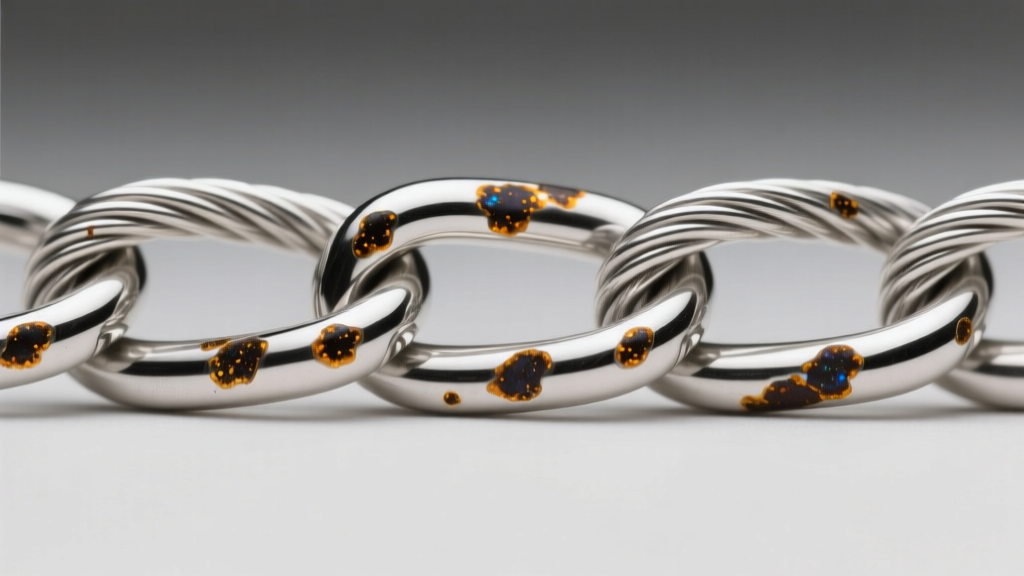
If your sterling silver necklace developed a dark, grayish-black film shortly after being stored in the bottom drawer of your rose box, you are witnessing accelerated silver sulfide formation. According to the Gemological Institute of America (GIA), silver tarnishes when it reacts with hydrogen sulfide or sulfur dioxide in the air. Mass-market rose boxes frequently utilize low-grade EVA (ethylene-vinyl acetate) foam and rubber-based industrial glues to secure the velvet lining. As these materials cure and age, they off-gass sulfur compounds directly into the enclosed, unventilated drawer space. The result is a concentrated sulfur gas chamber that can tarnish a 925 sterling silver chain in a matter of days.
The Anti-Tarnish Upgrade Protocol
To neutralize this chemical threat without discarding the sentimental rose box, you must alter the drawer's internal environment. Do not simply wipe the silver; you must treat the storage space.
- Remove the Foam Insert: Carefully peel back the synthetic velvet and foam. If the foam is glued directly to the cardboard or wood base, seal the underlying material with a thin layer of archival-quality, water-based acrylic sealant to trap existing VOCs.
- Introduce Activated Carbon: Place two to three small packets of activated bamboo charcoal or specialized 3M Anti-Tarnish strips into the corners of the drawer. These strips actively absorb sulfur compounds and hydrogen sulfide before they can react with your jewelry.
- Use Pacific Silvercloth: Replace the cheap velvet lining with Pacific Silvercloth, a specialized fabric embedded with microscopic silver particles that intercept and neutralize tarnishing gases. This is a standard recommendation by Jewelers of America for long-term silver storage.
Troubleshooting Issue 2: The Tangled Chain Drawer Dilemma
The hidden drawer in a typical rose box with necklace setup measures roughly 3.5 inches wide, 3.5 inches deep, and a mere 1.2 inches high. An average 18-inch necklace chain requires significantly more surface area to lay flat without overlapping. When a chain is forced into this confined space, the links fold over one another. When the drawer is opened and closed, the friction and movement cause the links to weave together, resulting in severe tangling or, worse, permanent deformation.
Chain Architecture and Kink Vulnerability
Not all chains react to shallow drawer storage equally. The structural integrity of the chain links dictates how well they survive the rose box drawer environment. Below is a breakdown of common chain types and their vulnerability to drawer-induced damage.
| Chain Style | Link Structure | Tangle & Kink Risk in Shallow Drawers |
|---|---|---|
| Herringbone | Flat, interlocking V-links | Extreme: Permanent kinking if folded or bent |
| Omega | Smooth, interlocking metal plates | High: Bends easily under pressure, difficult to repair |
| Box | Square, hollow interlocking links | Low: Rigid structure naturally resists tight folding |
| Cable / Link | Round or oval uniform links | Moderate: Prone to knotting, but links rarely kink |
| Rope | Twisted, spiral link pattern | Moderate: Highly flexible, but prone to complex knotting |
Spatial Management Solutions
If you must store a delicate herringbone or omega chain in a rose box drawer, you must restrict its movement. Cut a piece of acid-free tissue paper to the exact dimensions of the drawer. Lay the chain flat in a wide, circular loop (never folded in half), and gently place the tissue paper over it before closing the drawer. The tissue paper provides gentle downward pressure, preventing the chain from shifting and overlapping during transit or handling.
Troubleshooting Issue 3: Preserved Rose Degradation and Moisture Traps
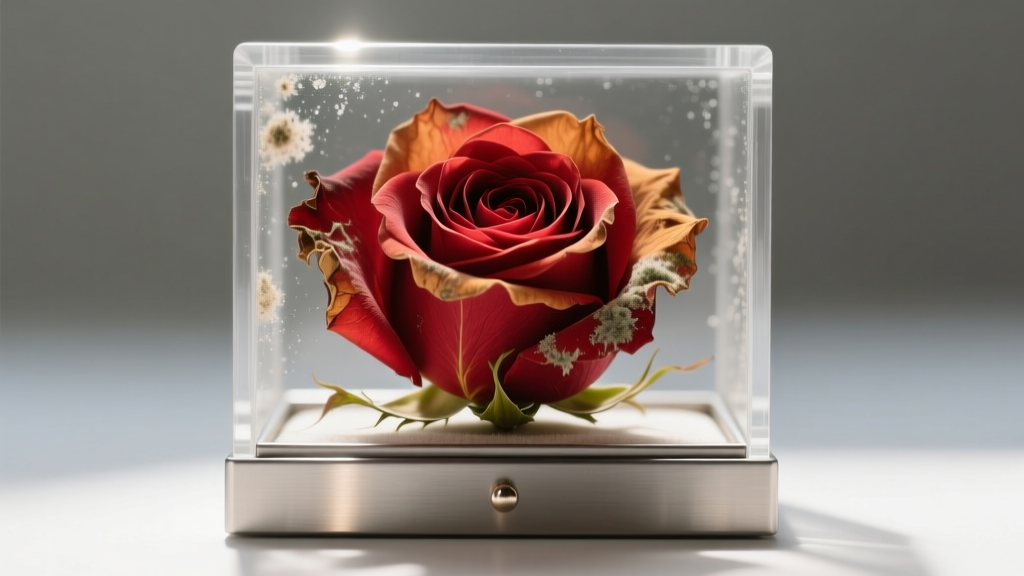
While the jewelry drawer suffers from chemical and mechanical issues, the upper chamber housing the preserved rose faces a severe microclimate crisis. Genuine preserved roses (often Ecuadorian roses treated with a glycerin and dye solution) require a stable relative humidity (RH) of 40% to 60% to maintain their petal flexibility. If the environment becomes too dry, the glycerin evaporates or crystallizes, leaving the petals brittle and prone to shattering. If the environment is too humid, mold spores can colonize the organic plant material.
The Desiccant Conflict
A common troubleshooting mistake occurs when well-meaning owners place silica gel desiccant packets inside the jewelry drawer to protect their silver from moisture-induced tarnish. Because the barrier between the jewelry drawer and the upper rose chamber is rarely airtight (often just a thin sheet of cardboard or poorly sealed acrylic), the silica gel aggressively pulls moisture from the entire enclosure. According to preservation guidelines from the Smithsonian Institution, localized desiccants in mixed-material displays can create dangerous humidity gradients. The silica gel dries out the rose, causing the outer petals to crack and fall, while failing to adequately protect the silver due to the lack of a hermetic seal.
Stabilizing the Botanical Microclimate
To solve this, you must decouple the environmental needs of the jewelry from the needs of the rose. Seal the perimeter of the acrylic rose dome with a clear, museum-grade silicone sealant to create an isolated, airtight terrarium for the flower. Once sealed, the rose will maintain its internal glycerin moisture balance regardless of what happens in the jewelry drawer below. Only after the rose chamber is hermetically sealed should you introduce silica gel or anti-tarnish strips to the lower jewelry drawer.
How to Curate a Safe, Long-Lasting Rose Box With Necklace
If you are assembling a custom rose box with necklace compartment, or looking to purchase a premium version that avoids these mass-market pitfalls, use this expert checklist to ensure structural and chemical integrity:
- Verify the Lining Material: Ensure the jewelry drawer is lined with 100% cotton flannel or Pacific Silvercloth, completely avoiding synthetic EVA foams, PVC, or rubber-based adhesives.
- Check Drawer Depth: Opt for a box with a drawer depth of at least 2 inches, allowing thicker clasps and pendants to sit without pressing hard against the drawer ceiling.
- Demand Airtight Separation: The barrier between the rose display and the jewelry drawer must be solid wood, glass, or sealed acrylic, preventing cross-contamination of VOCs and moisture.
- Inspect the Rose Treatment: Look for vendors who use eco-friendly, non-toxic glycerin preservation methods, as cheap chemical preservatives can emit fumes that degrade gold alloys over time.
- Include a Tarnish Intercept: A high-quality rose box should come pre-fitted with a replaceable anti-tarnish tab or activated carbon filter in the jewelry compartment.
Final Thoughts on Gifting and Storage
A rose box with necklace is a beautiful gesture, but it requires a proactive approach to maintenance and storage. By understanding the chemical realities of off-gassing foams, the mechanical vulnerabilities of specific chain architectures, and the delicate humidity requirements of preserved botanicals, you can easily troubleshoot and elevate this popular gift format. Implementing these archival-grade upgrades ensures that the jewelry remains as brilliant and untangled as the day it was gifted, and the rose remains a lasting symbol of the occasion, rather than a brittle, moldy afterthought.


