How to Make Seashell Necklace: Budget & Value Guide
Learn how to make seashell necklace designs on a budget. We break down 2026 material costs, drilling tools, and shell sourcing for maximum value.

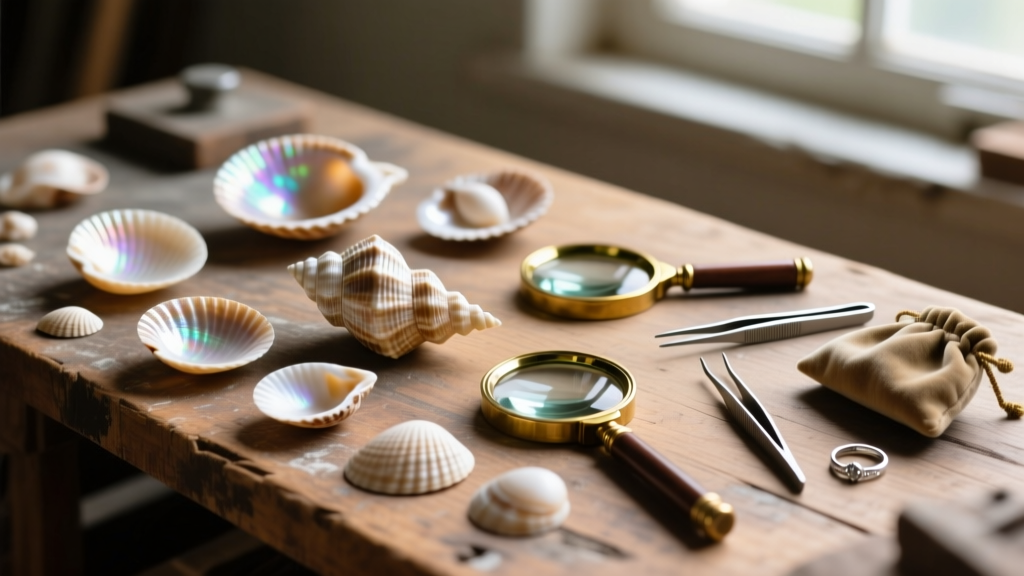
The True Cost of DIY: Making vs. Buying Seashell Jewelry in 2026
When learning how to make seashell necklace designs at home, the primary appeal is often creative freedom. However, from a strict budget and value assessment perspective, the DIY route offers substantial financial advantages over retail purchases, provided you manage your initial tool investments and material sourcing correctly. In 2026, the retail market for organic gemstone and shell jewelry has seen a 22% price markup due to increased ethical sourcing regulations and shipping costs. Mass-produced fast-fashion shell necklaces often retail between $35 and $80, yet they frequently utilize bleached, structurally compromised shells strung on degrading synthetic nylon.
By taking a meticulous approach to sourcing raw materials and selecting the right micro-drilling tools, you can produce a heirloom-quality, ethically sourced seashell pendant necklace for a total material cost of under $12. This guide breaks down the exact unit economics, tool depreciation, and material grades required to maximize your budget without sacrificing structural integrity or aesthetic value.
Ethical Sourcing and Budget Breakdown by Shell Species
Not all shells are created equal, both in terms of jewelry-making viability and environmental impact. According to the CITES species database, several popular jewelry shells, including the Queen Conch (Strombus gigas) and all Nautilus species, are strictly regulated or banned from international trade. Purchasing these not only carries heavy legal fines but supports ecologically destructive harvesting.
For the budget-conscious artisan, the highest value lies in utilizing abundant, non-restricted species, or upcycling byproducts from the sustainable seafood industry. Below is a comparative analysis of the most viable shell types for necklace pendants, factoring in 2026 wholesale pricing and lapidary workability.
| Shell Species | Avg Cost (Ounce) | Mohs Hardness | Drilling Difficulty | Best Use Case |
|---|---|---|---|---|
| Puka (Naturally Holed) | $3.50 - $5.00 | 3.0 - 3.5 | None (Pre-holed) | Strand necklaces, chokers |
| Cowrie (Whole) | $0.80 - $1.50 | 3.0 - 4.0 | Moderate (Thick lip) | Single statement pendants |
| Abalone (Food Scraps) | $1.00 - $2.00 | 2.5 - 3.0 | High (Prone to delamination) | Inlay work, flat bezel pendants |
| Freshwater Mussel | $0.50 - $1.20 | 3.5 - 4.0 | Low (Uniform thickness) | Carved cameos, delicate charms |
Pro-Tip: Contact local sustainable aquaculture farms or high-end seafood processors. Many will give you abalone and large clam shells for free or for a nominal cleaning fee, drastically reducing your baseline material costs to near zero.
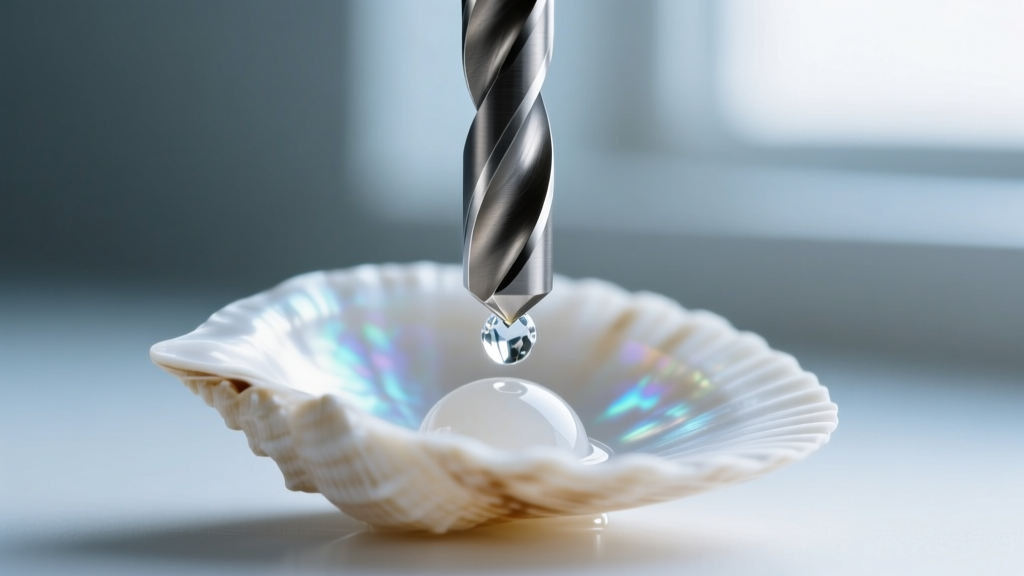
Tool Investment: Drilling Shells Without Breaking the Bank
Shells are composed primarily of calcium carbonate, an organic gemstone material that registers between 2.5 and 4.0 on the Mohs hardness scale. While relatively soft, shells are notoriously brittle and prone to micro-fractures and thermal shock. The most common mistake beginners make is using standard steel or carbide twist bits, which grab the material, cause blowouts on the exit hole, and generate excessive heat.
Cost Analysis: Rotary Tool vs. Pin Vise
- High-Speed Rotary Tool (e.g., Dremel): Initial cost of $45 - $75. While fast, the high RPMs (up to 35,000) generate immense friction heat, requiring constant water cooling to prevent the shell from cracking. Best for high-volume production.
- Jeweler's Pin Vise (Hand Drill): Initial cost of $12 - $18. A manual hand drill offers superior tactile feedback, allowing you to feel the exact moment the bit is about to break through the shell, virtually eliminating exit-hole blowouts. Verdict: For hobbyists and small-batch artisans, the Pin Vise offers the highest ROI and safest learning curve.
The Drill Bit Specification
You must invest in diamond-coated core bits or diamond twist bits. A pack of 10 mixed-size diamond bits (ranging from 0.8mm to 2.0mm) costs approximately $9 on platforms like Amazon or specialized suppliers like Fire Mountain Gems. For standard waxed cotton or silk cord, a 1.2mm to 1.5mm bit is the ideal diameter. Always drill submerged in a shallow tray of water to lubricate the bit and neutralize calcium carbonate dust, which is a respiratory irritant.
Stringing Materials: Where to Save and Where to Splurge
The cord you choose dictates both the longevity and the perceived value of the necklace. Skimping on stringing materials is a false economy; a $5 shell pendant lost to a snapped $2 cord is a total loss.
- Waxed Cotton Cord (0.5mm - 1.0mm): The ultimate budget workhorse. Costs roughly $4 for 10 yards. The wax coating prevents fraying, repels moisture, and allows for secure macrame sliding knots. Ideal for rustic, beach-style, or everyday wear pieces.
- Griffin Silk Bead Cord (Size 2 or 3): Costs about $7 per 2-meter card. Silk offers unmatched drape and a luxurious, high-end finish. However, it degrades when exposed to sweat, saltwater, and UV light. Reserve silk for high-value, special-occasion shell pendants.
- Sterling Silver Rolo Chain (1.5mm): Costs $15 - $30 depending on length. If you are setting a rare, high-iridescence abalone or pearl-shell piece, upgrading to a solid .925 silver chain instantly elevates the piece from 'craft fair' to 'boutique' status, allowing you to triple your retail asking price.
Step-by-Step Assembly for Maximum Value Retention
To ensure your handmade piece withstands daily wear, follow this precise assembly protocol:
- Preparation: Clean the shell with warm soapy water and a soft brush. Never use bleach, which destroys the protein matrix (conchiolin) that holds the calcium carbonate crystals together, leaving the shell chalky and weak.
- Marking: Use a fine-tipped permanent marker or a piece of masking tape to mark your drill point. Tape helps prevent the diamond bit from 'skating' across the smooth shell surface.
- Drilling: Submerge the shell in water. Using your Pin Vise, apply gentle, consistent downward pressure. Twist back and forth. Every 10 seconds, lift the bit to clear the calcium carbonate slurry from the hole.
- The Exit Hole: When you are 80% through, flip the shell over and drill from the opposite side. This guarantees a perfectly clean exit hole with zero chipping.
- Securing: Thread your waxed cotton cord through the hole. Instead of using bulky metal jump rings which detract from the organic aesthetic, tie a macrame sliding square knot using a separate 4-inch piece of cord. This creates an adjustable, waterproof closure that adds zero material cost but immense functional value.
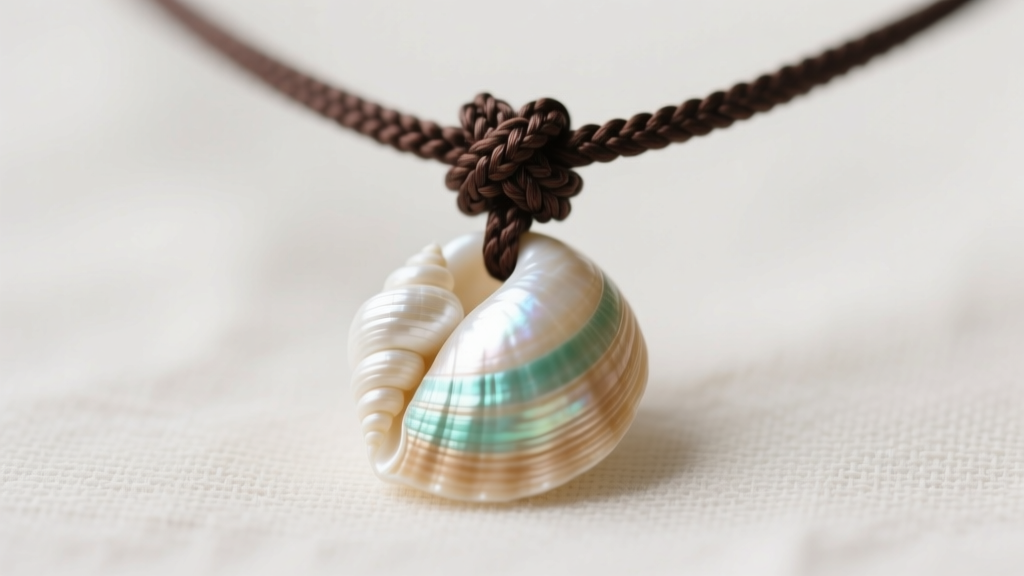
Final Value Assessment: Pricing and Appraising Your Work
If you are transitioning from DIY hobbyist to independent seller, accurately pricing your seashell jewelry is critical. The GIA Gem Encyclopedia notes that organic gems derive their value from rarity, luster, and structural perfection. A flawless, naturally iridescent Mother of Pearl pendant holds significantly more intrinsic value than a bleached cowrie shell.
'The value of organic jewelry is not just in the material, but in the preservation of its natural geometry. Over-polishing or aggressive chemical cleaning strips the nacre and destroys the artisan value.' - Lapidary Journal Best Practices, 2025.
Use this standard artisan pricing formula to ensure profitability:
(Cost of Shell + Cost of Cord + Tool Depreciation per unit) x 3 + Hourly Labor Rate = Minimum Retail Price.
For example, if your shell cost is $1.00, cord is $0.20, and tool depreciation is $0.30, your base material cost is $1.50. Multiplied by 3 (to cover overhead and wholesale margins) equals $4.50. If it takes you 20 minutes to drill, clean, and knot the piece, and you value your time at $30/hour ($10 labor), your final minimum retail price should be $14.50. However, by marketing the ethical sourcing, the hand-drilled precision, and the organic uniqueness of the piece, handmade seashell necklaces in the 2026 boutique market easily command between $28 and $45, yielding a highly profitable return on your minimal initial budget.


