How Can You Tell If a Necklace Is Real Gold? 7 Expert Tests
Learn how can you tell if a necklace is real gold with 7 expert tests. From hallmark decoding to acid and magnet tests, verify your jewelry safely.

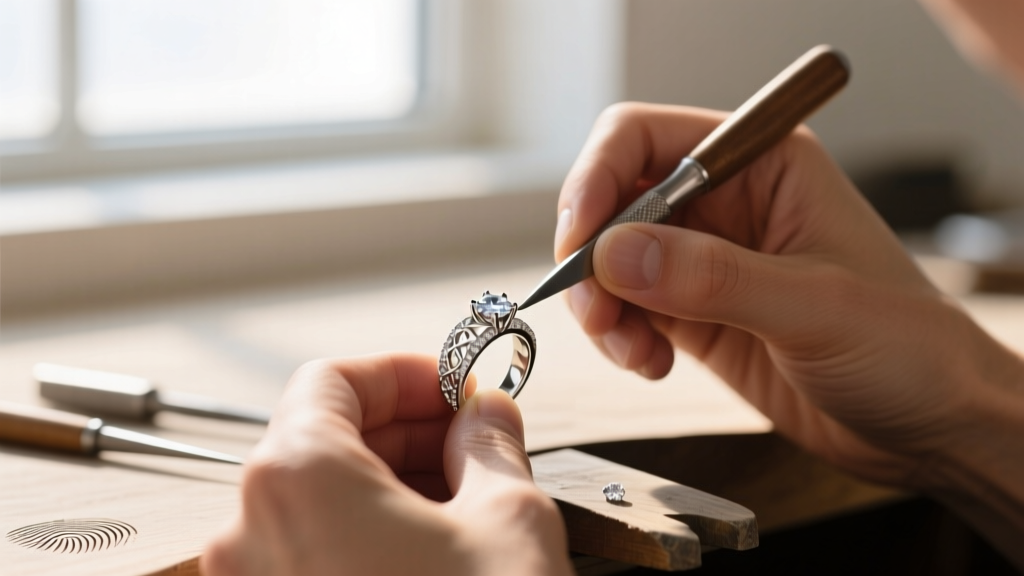
The Rise of Counterfeit Gold Necklaces
With the price of precious metals reaching historic highs, the market has seen a surge in sophisticated counterfeit jewelry. Modern manufacturing techniques allow bad actors to create gold-plated brass, tungsten-core chains, and heavy gold electroplate (HGE) pieces that look and feel remarkably close to the real thing. If you have inherited a vintage piece, purchased a second-hand chain, or simply want to verify your current collection, knowing how can you tell if a necklace is real gold is an essential skill for any jewelry enthusiast.
While professional appraisal is the only 100% foolproof method, you can perform a series of highly effective diagnostic tests at home. This step-by-step guide will walk you through non-destructive visual and physical inspections, followed by advanced chemical and density tests used by gemologists.
Step 1: Decode the Hallmarks and Stamps
The first place to start your authentication process is the clasp or the end ring of the necklace. Genuine gold jewelry is legally required in most countries to bear a hallmark indicating its purity. Use a 10x or 20x jeweler's loupe to inspect the metal for tiny engravings.
Common Gold Purity Stamps
| Karat Mark | Millesimal Mark (Europe) | Gold Purity Percentage | Common Alloy Metals |
|---|---|---|---|
| 24K or 999 | 999 | 99.9% | None (Pure Gold) |
| 22K or 916 | 916 | 91.6% | Copper, Silver |
| 18K or 750 | 750 | 75.0% | Copper, Nickel, Zinc |
| 14K or 585 | 585 | 58.5% | Copper, Silver, Zinc |
| 10K or 417 | 417 | 41.7% | Copper, Nickel, Zinc |
Expert Warning: A stamp alone does not guarantee authenticity. Counterfeiters frequently stamp '18K' or '585' on base metals. Furthermore, look out for deceptive letters next to the karat mark, such as 'GF' (Gold Filled), 'HGE' (Heavy Gold Electroplate), or 'RGP' (Rolled Gold Plate). These indicate a thin layer of gold over a base metal core, not a solid gold necklace.
Step 2: The Magnet and Weight Tests
Gold is a diamagnetic metal, meaning it is entirely non-magnetic. To perform this test, you must use a strong rare-earth neodymium magnet; a standard refrigerator magnet will not provide enough pull to detect minor magnetic impurities.
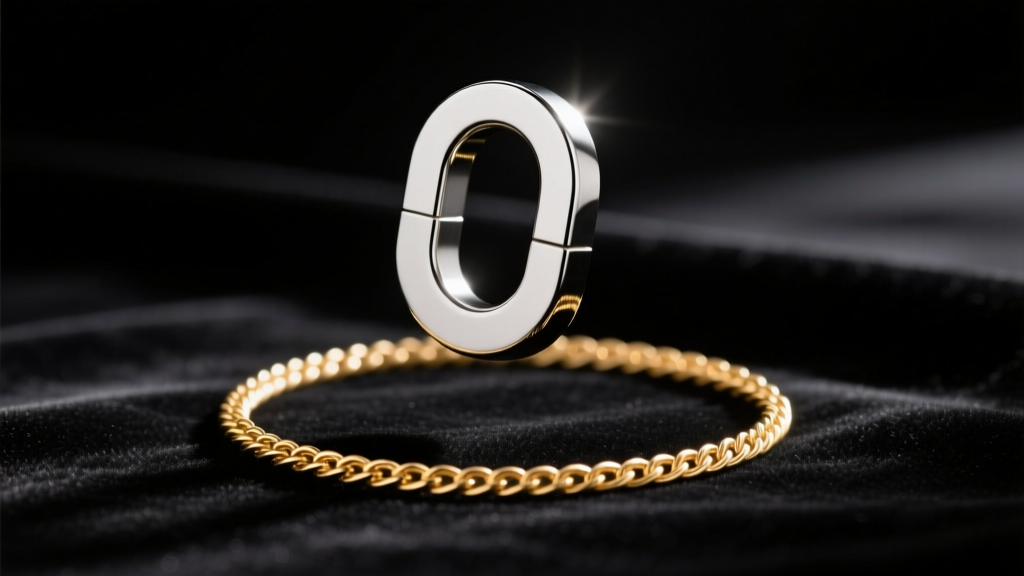
Hold the neodymium magnet near the clasp and the chain links. If the necklace is attracted to the magnet, or if you feel a subtle drag, the piece contains ferromagnetic metals like iron, nickel, or cobalt. It is either heavily plated base metal or a very low-karat alloy that fails to meet standard gold definitions.
Additionally, real gold is exceptionally dense. A solid 18-inch, 5mm 14K gold Cuban link chain should weigh approximately 45 to 55 grams. If a thick, chunky chain feels surprisingly light or 'hollow' in your hand, it is likely made of aluminum, titanium, or hollow-core brass.
Step 3: The Ceramic Streak Test
This is a simple, albeit slightly destructive, test that relies on the physical properties of gold versus pyrite (fool's gold) or brass. You will need an unglazed ceramic plate or the unglazed bottom of a ceramic mug.
- Find an inconspicuous spot on the necklace, such as the inside of the clasp.
- Gently drag the gold piece across the unglazed ceramic surface.
- Observe the color of the streak left behind.
The Verdict: Real gold is soft and will leave a distinct, shiny golden-yellow streak. If the necklace leaves a black, dark green, or grayish streak, it is made of pyrite, brass, or copper. Note: This test will leave a permanent scratch on the jewelry, so it is not recommended for high-polish or pristine vintage pieces.
Step 4: Chemical Acid Testing (The Professional Standard)
When asking how can you tell if a necklace is real gold, jewelers and pawnshops almost universally turn to the acid test. You can purchase a commercial gold testing kit containing a black basalt touchstone and bottles of nitric acid calibrated for 10K, 14K, 18K, and 22K gold.
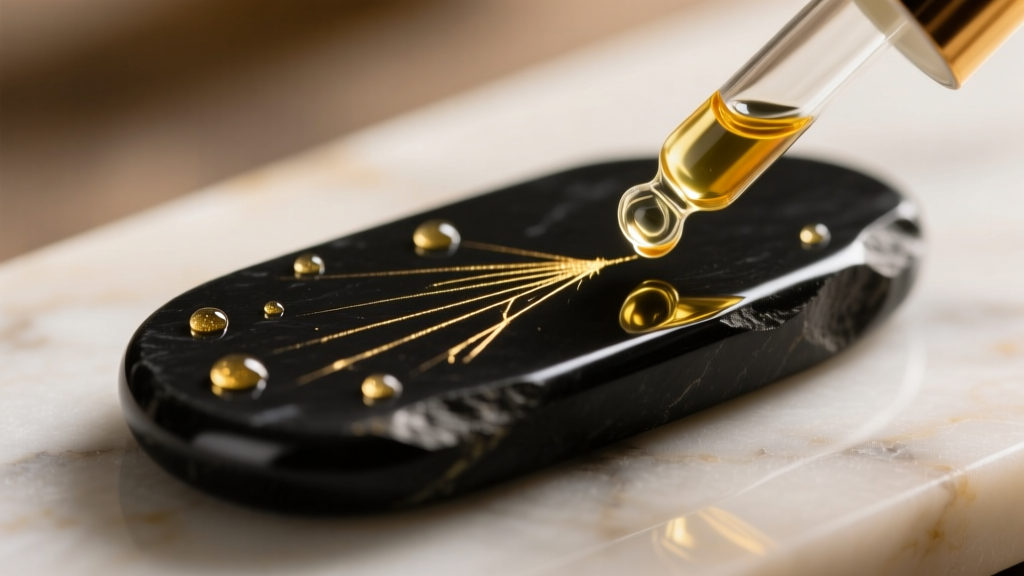
How to Perform an Acid Test Safely
Always wear nitrile gloves and safety goggles, as nitric acid is highly corrosive. Never apply the acid directly to the necklace, as it can damage the finish or ruin gemstones.
- Rub the necklace on the touchstone: Apply firm pressure and rub the chain back and forth to leave a thick, visible metallic streak on the black stone.
- Apply the acid: Place a single drop of 14K acid solution directly onto the streak.
- Observe the reaction: Watch the streak for 5 to 10 seconds.
Interpreting Acid Test Color Reactions
'The acid test remains the most accessible and reliable method for consumers to differentiate between solid gold alloys and base metals disguised by heavy plating.' - Gemological Institute of America (GIA)
- Streak Disappears or Turns Green: The metal is base brass or copper. The necklace is fake or gold-plated.
- Streak Turns Milky or Cloudy: The base metal is likely sterling silver that has been gold-plated (vermeil).
- Streak Remains Unchanged: The metal matches or exceeds the karat value of the acid used. If the 14K acid leaves the streak intact, try the 18K acid to see if it dissolves, which helps you pinpoint the exact purity.
Step 5: Advanced Verification (Density and XRF)
If you want to avoid chemicals entirely, you can calculate the specific gravity (density) of the necklace using Archimedes' principle. Pure 24K gold has a density of 19.32 g/cm³. Because 14K and 18K gold are alloyed with lighter metals like copper and silver, their densities are lower.
The Math: Weigh the dry necklace on a digital scale. Then, suspend the necklace in a cup of water on the scale (using a piece of string) and record the displaced water weight. Divide the dry weight by the displaced water weight. A solid 14K gold necklace should yield a density between 12.9 and 14.6 g/cm³. If the number is closer to 8.5 (brass) or 19.2 (tungsten), you have a counterfeit.
For absolute certainty without damaging the piece, take the necklace to a certified gemologist who uses an XRF (X-Ray Fluorescence) spectrometer. This machine shoots X-rays into the metal and reads the exact elemental composition, detecting tungsten cores hidden beneath thick layers of real gold.
Common Gold Necklace Deceptions to Watch For
Understanding industry terminology is crucial when evaluating authenticity. The Federal Trade Commission (FTC) strictly regulates how gold jewelry can be marketed, but secondary markets are rife with misleading terms.
- Gold Filled (GF): A mechanical bond where a layer of gold constitutes at least 1/20th of the total weight. It is durable but not solid gold.
- Gold Plated (GP): A microscopic layer of gold (usually less than 0.5 microns) electroplated onto brass. It will wear off quickly.
- Tungsten Core: Tungsten has a specific gravity (19.25 g/cm³) almost identical to pure gold. Fraudsters use tungsten blanks and plate them in 24K gold to pass the weight and acid surface tests.
Conclusion: When to Seek a Professional Appraisal
Knowing how can you tell if a necklace is real gold empowers you to make informed decisions at estate sales, pawn shops, and online marketplaces. Start with the non-destructive hallmark, magnet, and weight tests. If the piece passes those, proceed to the ceramic or acid tests for definitive proof. However, if you are dealing with a high-value antique necklace, a piece with intricate gemstone settings, or a suspected tungsten forgery, skip the home tests and consult a certified appraiser equipped with XRF technology to protect your investment.


