The Anatomy of a Luxury Choker Necklace: Materials, Clasps & Fit
Discover the technical anatomy of a luxury choker necklace. We analyze precious metal grades, clasp mechanisms, and precise fitting metrics for high-end pieces.

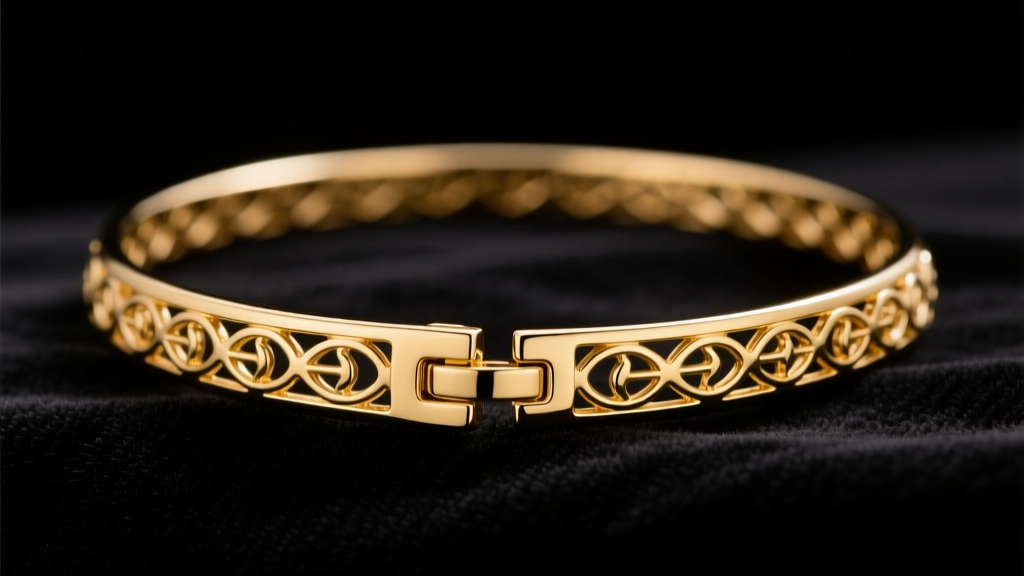
The Engineering of High-End Collars and Chokers
In the upper echelons of fine jewelry, a luxury choker necklace is not merely a decorative band; it is a feat of micro-engineering and metallurgical precision. Unlike fluid chain necklaces that drape and adapt to the wearer's movements, rigid collars and structured chokers must maintain their architectural integrity while accommodating the complex biomechanics of the human neck. The transition from standard fashion jewelry to haute joaillerie is defined by exacting tolerances, advanced alloy compositions, and fail-safe mechanical closures. This deep dive explores the technical specifications that separate a true luxury choker necklace from its mass-market counterparts, providing collectors and connoisseurs with the metrics needed to evaluate high-end pieces.
Precious Metal Alloys: Beyond Standard Karatages
The structural foundation of any luxury choker necklace relies on the specific precious metal alloy utilized. Pure gold (24K) and pure platinum are far too malleable for rigid collars, which require high Vickers hardness (HV) to resist warping under the tension of heavy gemstone settings.
Platinum 950 vs. 18K Gold Alloys
According to the Gemological Institute of America (GIA), platinum used in fine jewelry is typically alloyed to 950 parts per thousand, utilizing ruthenium or cobalt to increase durability. A Platinum 950/Ruthenium alloy boasts a Vickers hardness of approximately 135 HV, offering superior tensile strength and a naturally white luster that never requires rhodium plating. Conversely, 18K yellow gold (75% gold, alloyed with copper and silver) sits at around 125 HV. While slightly softer, 18K gold offers greater malleability for intricate hinge work. For white gold luxury chokers, master jewelers increasingly favor palladium-based 18K white gold alloys over nickel-based ones, eliminating allergic reactions while achieving a dense, heavy hand-feel that signifies luxury.
"The hallmark of a master jeweler is visible in the alloy selection. A rigid platinum collar requires precise annealing processes to prevent micro-fractures along the curvature of the neck." — Master Bench Jeweler Technical Guidelines.
Clasp Mechanics and Structural Integrity
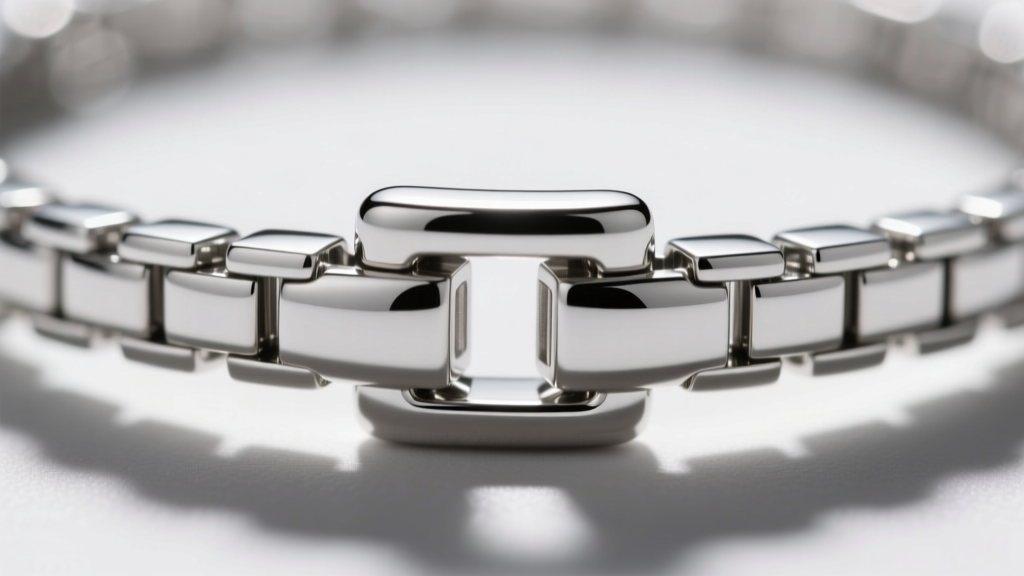
The clasp is the most critical failure point on any necklace. In a luxury choker necklace weighing between 40 and 120 grams, a standard lobster clasp is mechanically insufficient. High-end manufacturers deploy complex, multi-stage locking mechanisms engineered to withstand sudden tensile shocks.
| Clasp Type | Tensile Strength | Best Application | Maintenance Cycle |
|---|---|---|---|
| Tongue-and-Groove Box | Up to 25 lbs | Heavy rigid metal collars | Spring replacement every 5 years |
| Magnetic Neodymium Core | Up to 15 lbs | Lightweight flexible chokers | Annual sleeve polishing |
| Concealed Bayonet | Up to 30 lbs | Haute joaillerie statement pieces | Decadal O-ring replacement |
Furthermore, luxury pieces universally incorporate figure-8 safety catches—secondary wire loops that snap over a secondary pin, ensuring the necklace remains secured even if the primary internal spring mechanism fails. When evaluating a piece, inspect the safety wire gauge; it should be no thinner than 1.2mm to prevent shearing under stress.
Gemstone Setting Techniques in Rigid Chokers
Setting gemstones into a curved, rigid armature presents unique structural challenges. The CIBJO Blue Books outline strict standards for gemstone setting terminology and security, which are rigorously applied in luxury choker manufacturing. Because a rigid choker cannot flex, the metal channel holding the stones must be engineered to absorb compressive forces without crushing the gemstone girdles.
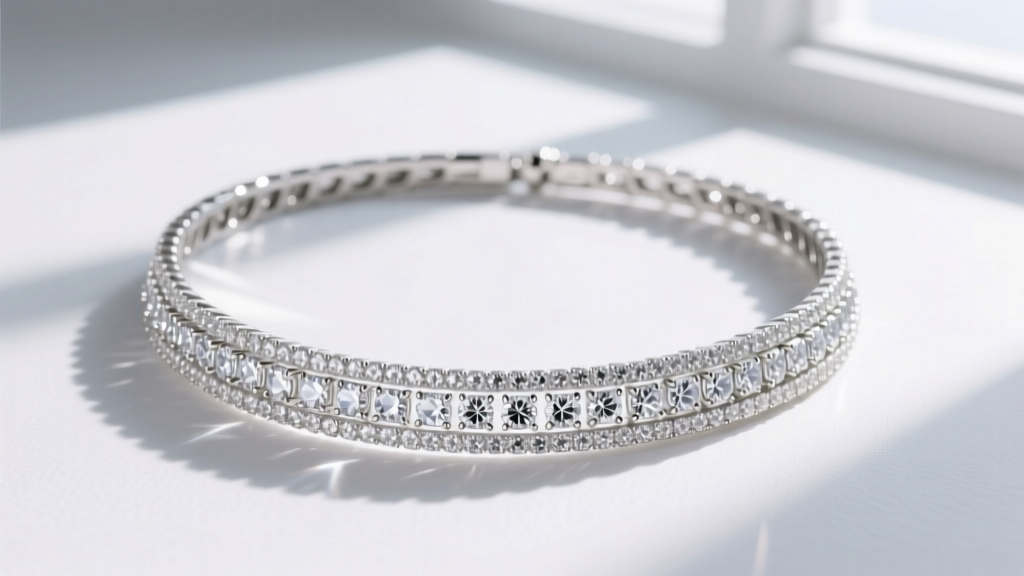
- Channel Setting: Ideal for the outer edges of a rigid collar. The metal walls are burnished over the girdle, requiring a precise 0.15mm tolerance to prevent diamond blowouts during the setting process.
- Pavé on Curved Surfaces: Requires variable-depth drilling. Master setters use micro-pneumatic engravers to raise beads from the surrounding metal, ensuring each melee diamond sits perfectly flush with the compound curve of the choker.
- Tension Architecture: Rarely used in full collars due to the continuous tension required, but occasionally deployed in the centerpiece motif of a luxury choker necklace, relying on the spring-back of heat-treated titanium or specialized steel alloys hidden beneath gold sleeves.
Precision Sizing: The Millimeter Difference
Unlike a standard 16-inch chain that drapes forgivingly, a rigid luxury choker necklace demands exact anatomical mapping. A true choker sits above the clavicle and rests against the lower thyroid cartilage. If the internal diameter is off by even 3 millimeters, the piece will either restrict the jugular vein or slide downward, ruining the intended silhouette.
High-end jewelers utilize 3D optical neck scanning or specialized calipers to measure not just the circumference, but the anterior-posterior depth of the wearer's neck. Human necks are elliptical, not perfectly circular. A luxury rigid collar is therefore forged into a specific elliptical ratio (typically 1.3:1 width-to-depth) to ensure it sits flush against the skin without pinching the sternocleidomastoid muscles. For clients purchasing off-the-shelf luxury pieces, look for brands that offer articulated hinges—usually three to five micro-hinges spaced along the back of the collar—which allow the rigid metal to adapt slightly to the wearer's unique elliptical geometry.
Investment Pricing Tiers and Craftsmanship Premiums
The pricing architecture of a luxury choker necklace diverges sharply from standard jewelry metrics, where cost is largely dictated by melt weight and carat totals. In the luxury sector, the craftsmanship premium often eclipses the raw material value.
Market Tiers Breakdown
Entry Luxury ($4,000 - $12,000): Typically features 18K gold with minimal gemstone accents. The cost is driven by the complex hinge engineering and the brand's heritage premium. These pieces often utilize standardized elliptical molds.
High Jewelry ($25,000 - $80,000): Introduces significant carat weights, utilizing VS-clarity melee diamonds in complex pavé arrangements. The metalwork includes custom-forged articulation points and invisible locking mechanisms.
Haute Joaillerie ($150,000+): One-of-a-kind masterworks. These pieces require hundreds of hours of bench time, featuring custom-cut gemstones calibrated specifically for the curvature of the collar, often incorporating rare alloys and patented micro-mechanical clasps. At this tier, the luxury choker necklace transitions from an accessory to a museum-grade asset, with valuation tied to the provenance of the master artisan and the rarity of the central stones.


