Seed Necklace Hawaii Troubleshooting: Fixing Mold, Bugs & Strings
Learn how to troubleshoot and repair your seed necklace Hawaii. Expert fixes for mold, bug infestations, string degradation, and cracked native seeds.

Introduction to Hawaiian Seed Lei Troubleshooting
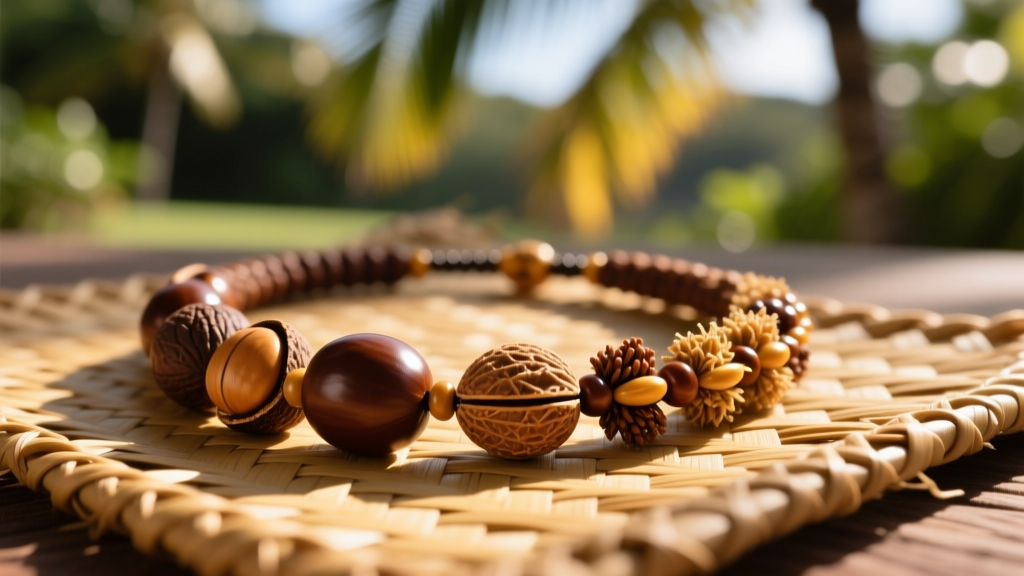
A traditional seed necklace Hawaii represents a profound connection to the islands' natural environment and cultural heritage. Whether crafted from polished kukui nuts (Aleurites moluccanus), vibrant red wiliwili seeds (Erythrina sandwicensis), or tear-shaped Job's Tears (Coix lacryma-jobi), these organic adornments require specialized care. Unlike metal chains or gemstone pendants, organic seed leis are highly susceptible to environmental degradation. High humidity, fluctuating temperatures, and natural pests can quickly compromise the structural integrity and aesthetic beauty of your necklace.
As a jewelry conservation specialist, I frequently encounter collectors and locals struggling with deteriorating native seed leis. The most common issues include silent weevil infestations, powdery mildew outbreaks, and catastrophic string failures. This comprehensive troubleshooting guide provides actionable, expert-level solutions to restore and preserve your seed necklace Hawaii, ensuring it survives for generations without losing its cultural or material value.
Problem 1: Bug Infestations (Weevils and Moths)
The most devastating threat to any organic seed jewelry is the seed weevil. These microscopic pests lay eggs inside the seeds before they are even harvested. Months after you purchase or receive your seed necklace Hawaii, you might notice tiny, perfectly round exit holes appearing on the surface of the kukui nuts or wiliwili seeds, accompanied by a fine, sawdust-like frass.
The Deep-Freeze Eradication Method
If you spot exit holes or frass, immediate action is required to halt the life cycle of the pests. Do not use chemical pesticides, as the porous nature of the seeds will absorb toxins, making the necklace unsafe to wear against the skin.
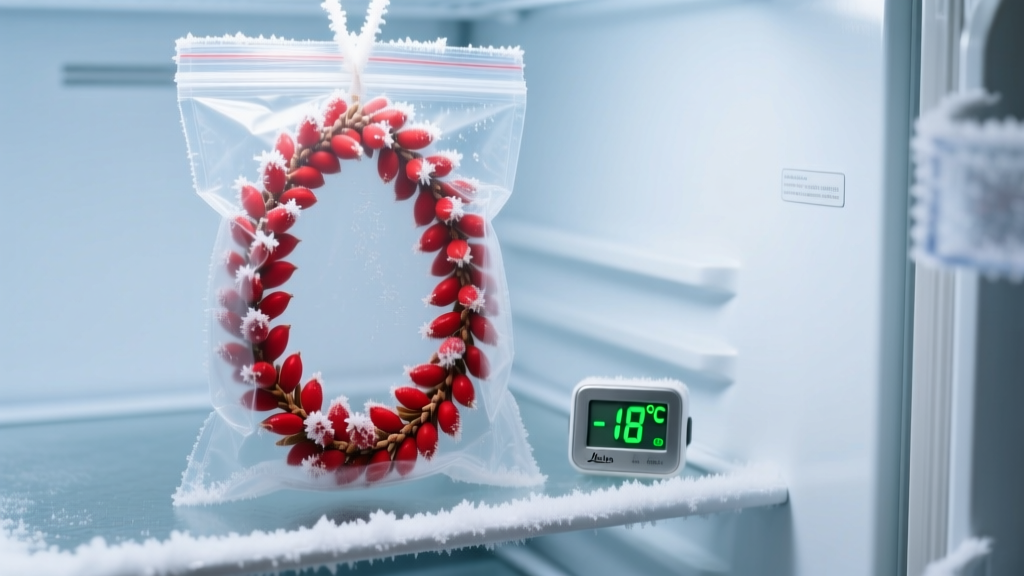
- Isolate the Necklace: Place the infested seed necklace inside a heavy-duty, sealable plastic ziplock bag. Remove as much air as possible before sealing to prevent freezer burn and ice crystal formation on the seeds.
- Freeze at Sub-Zero Temperatures: Place the bag in a deep freezer set to 0°F (-18°C) or lower. Standard kitchen freezers often fluctuate around 10°F, which may not be cold enough to kill weevil pupae.
- Maintain for 72 to 96 Hours: According to entomological guidelines for preserving organic artifacts, a continuous freeze of at least 72 hours is required to ensure all life stages (eggs, larvae, pupae, and adults) are terminated. For thicker kukui nuts, extend this to 96 hours.
- Thaw Gradually: Remove the bag from the freezer and let it sit at room temperature for 24 hours before opening. Opening it immediately will cause condensation to form on the cold seeds, introducing moisture and inviting mold.
Preventative Storage Protocols
Once treated, store your seed necklace Hawaii in a breathable cotton or muslin bag rather than an airtight plastic container. Include a small packet of silica gel desiccant to maintain a relative humidity (RH) level between 45% and 55%. The Bernice Pauahi Bishop Museum recommends avoiding direct sunlight and extreme heat during storage, as these conditions accelerate the drying and cracking of organic materials.
Problem 2: Mold, Mildew, and Humidity Damage
Hawaii's tropical climate, characterized by high ambient humidity, creates a perfect breeding ground for mold and mildew. If your seed necklace develops a musty odor or shows white, fuzzy, or powdery spots, fungal growth has taken hold. This is particularly common with Job's Tears and unpolished wiliwili seeds, which have higher surface porosity.
Step-by-Step Mold Remediation
- Dry Brushing: Take the necklace outside and use a soft-bristled, dry toothbrush to gently sweep away surface spores. Do not use water at this stage, as it will drive the spores deeper into the seed's pores.
- Vinegar Solution Treatment: Mix a 50/50 solution of distilled white vinegar and distilled water. Dampen a microfiber cloth with the solution (do not soak it) and carefully wipe down each individual seed. The acetic acid in the vinegar kills the fungal root structure without damaging the seed's natural oils.
- Targeted Drying: Use a cotton swab dipped in the vinegar solution to clean the drill holes, where mold frequently hides. Allow the necklace to air dry completely in a well-ventilated area with indirect airflow. A ceiling fan or a gentle oscillating fan works best.
- Re-Oiling: Vinegar can strip natural oils from the seeds. Once fully dry, apply a microscopic layer of food-grade mineral oil using a soft cloth to restore the luster and create a moisture barrier.
Problem 3: String Degradation and Breakage
Traditional Hawaiian seed leis were often strung on natural fibers like cotton, silk, or braided coconut husk (sennit). While culturally authentic, these materials are highly prone to dry rot, sweat degradation, and snapping under the heavy weight of polished kukui nuts. If your seed necklace Hawaii feels brittle or you notice fraying near the clasp, restringing is urgently needed.
Modern Cord Material Comparison
Upgrading your stringing material is the most effective way to prevent catastrophic failure. Below is a comparison of modern jewelry cords suitable for heavy organic seeds.
| Material | Tensile Strength | Humidity Resistance | Best Use Case |
|---|---|---|---|
| Griffin Silk (Size 6) | Low (approx. 8 lbs) | Poor (rots in high RH) | Lightweight Job's Tears; museum display only |
| C-Lon Nylon (0.9mm) | High (approx. 38 lbs) | Excellent | Medium seeds; vibrant color matching |
| PowerPro Braided Line (30lb) | Very High (30+ lbs) | Excellent | Heavy, large-hole kukui nut leis |
| 49-Strand Micro Beading Wire | Extremely High | Excellent (nylon coated) | Heirloom pieces requiring rigid drape |
Restringing Techniques for Heavy Seeds
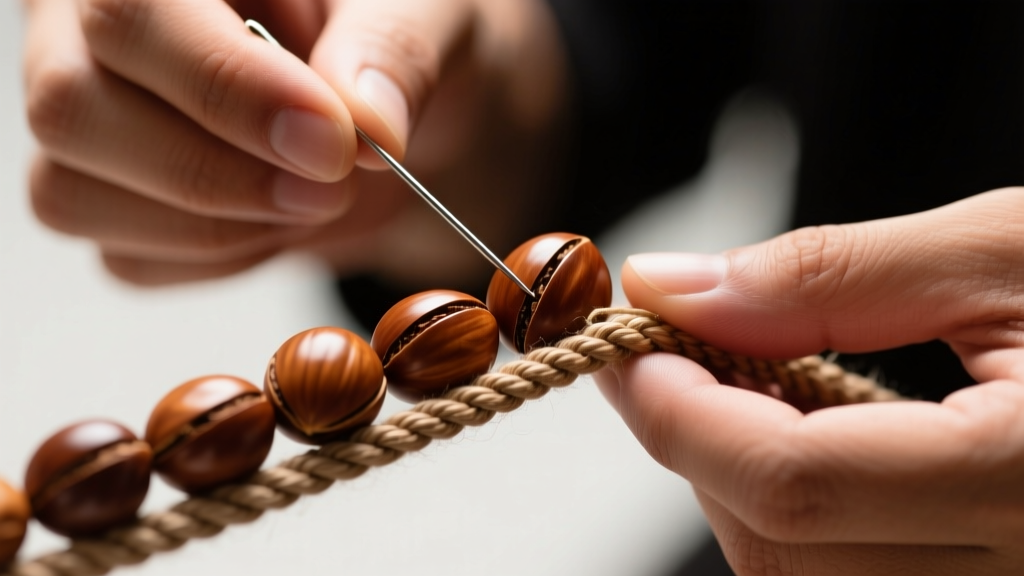
When restringing a heavy seed necklace Hawaii, always use a flexible beading needle (such as a Tulip or John James brand) to navigate the often narrow and irregular drill holes of natural seeds. If using braided fishing line or nylon cord, secure the ends with a sterling silver or stainless steel crimp tube, followed by a wire guardian to prevent the cord from sawing through the metal clasp ring over time. Finish the knot with a drop of flexible jewelry adhesive like E6000, avoiding cyanoacrylate (Super Glue), which dries brittle and can crack the seed from the inside out.
Problem 4: Seed Cracking, Fading, and Drying
Organic seeds expand and contract with changes in temperature and humidity. Wiliwili seeds, in particular, are notorious for developing hairline fractures if exposed to dry, air-conditioned environments for prolonged periods. Furthermore, dyed seeds can bleed or fade when exposed to UV radiation or skin oils.
Expert Conservation Tip: Never use coconut oil, olive oil, or vegetable oil to condition your seed necklace Hawaii. These plant-based oils are non-drying and will eventually oxidize, turning rancid. This not only produces a foul odor but also attracts dust and creates a sticky residue that ruins the seed's natural patina. Always use highly refined, food-grade mineral oil or pure, unbleached beeswax.
Addressing Fading and UV Damage
If the vibrant reds of your wiliwili seeds or the deep browns of your kukui nuts begin to look ashy or gray, the seeds have lost their internal moisture and surface polish. To revive them:
- Clean the seeds with a slightly damp cloth to remove skin oils and environmental dust.
- Apply a thin coat of pure beeswax using a soft, lint-free cloth.
- Buff the seeds vigorously. The friction generates mild heat, melting the beeswax into the microscopic pores of the seed, locking in moisture and restoring a deep, natural shine.
For dyed Job's Tears that are bleeding color onto your clothing, the dye was likely not properly set during the manufacturing process. You can seal the dye by applying a light mist of clear, matte acrylic sealer (such as Krylon UV-Resistant Clear) to the seeds. Hang the necklace outside to spray it, ensuring even coverage, and let it cure for 24 hours before wearing.
Long-Term Maintenance Checklist
To ensure your seed necklace Hawaii remains a pristine representation of island craftsmanship, integrate these quick maintenance steps into your jewelry care routine:
- Post-Wear Wipe Down: Always wipe the seeds with a dry microfiber cloth after wearing to remove acidic sweat and body oils.
- Bi-Annual Inspection: Check the stringing material near the clasp and the center of the necklace for fraying every six months.
- Seasonal Conditioning: Apply a minimal amount of mineral oil or beeswax twice a year, or whenever the seeds begin to look dull.
- Travel Precautions: When flying with seed leis, pack them in your carry-on. The extreme cold and low humidity of an airplane's cargo hold can cause rapid moisture loss and seed cracking.
By understanding the biological and material vulnerabilities of native seeds, you can effectively troubleshoot and preserve these beautiful artifacts. For more information on the botanical origins and cultural significance of Hawaiian lei materials, consult resources from the University of Hawaii College of Tropical Agriculture and Human Resources. Proper care ensures your seed necklace remains a vibrant, enduring symbol of Aloha.