Understanding Puka Necklace Meaning & Buying Authentic Shells
Discover the true puka necklace meaning and learn how to spot authentic Hawaiian shells. Our expert buying guide covers grading, pricing, and fakes.

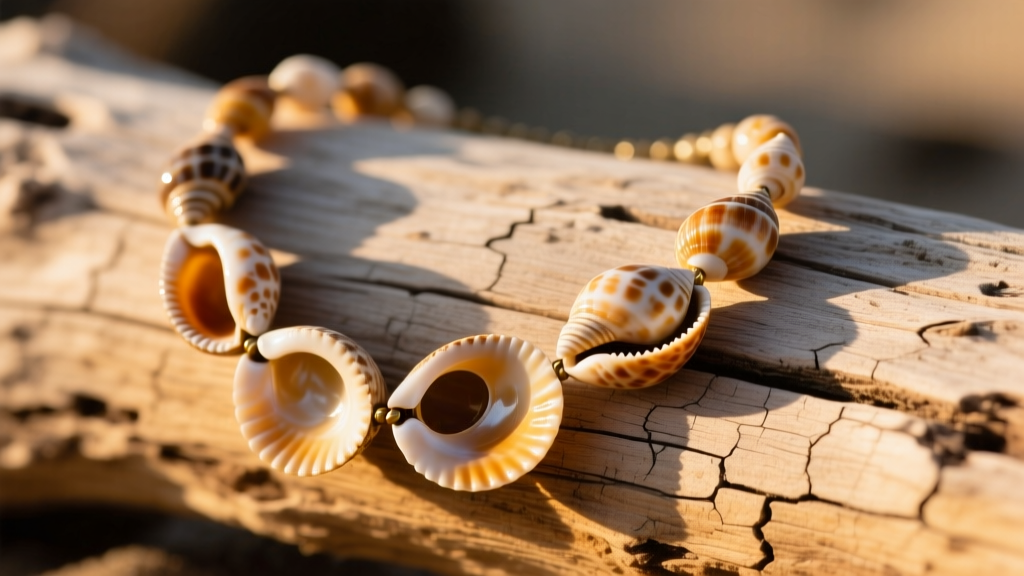
For decades, the puka shell necklace has been a staple of coastal fashion, surf culture, and bohemian layering. Yet, as mass-produced imitations flooded the market in the late 20th century, the true origins and value of these organic gems were largely obscured. If you are searching for the authentic puka necklace meaning and want to invest in a genuine piece of oceanic history, you must look far beyond the souvenir shop racks. This comprehensive buying guide breaks down the cultural significance, biological origins, and precise grading metrics you need to identify, evaluate, and purchase authentic puka shell jewelry in today's market.
The True Puka Necklace Meaning: Beyond 1970s Surf Culture
The word 'puka' translates directly to 'hole' in the Hawaiian language. Historically, authentic puka shells were not manufactured; they were discovered. They are the naturally tumbled remnants of cone snail shells (primarily Conus miliaris and Conus sponsalis) that have been worn down by the ocean's abrasive sand and surf over years, or even decades. The 'hole' is the natural aperture of the snail shell, left behind after the spire is completely eroded away by the Pacific Ocean.
According to historians at the Bernice Pauahi Bishop Museum, early Hawaiians gathered these naturally formed beads from the beaches and strung them into leis. The puka necklace meaning was deeply rooted in spiritual protection and good fortune. Because the shells were forged in the violent surf and emerged intact, they were believed to carry the protective mana (spiritual energy) of the ocean. Sailors and surfers wore them as amulets to ensure safe passage through treacherous waters. It wasn't until the 1960s and 1970s that the puka necklace exploded into mainstream global fashion, unfortunately leading to over-harvesting and the rise of synthetic knock-offs.
Authentic Puka vs. Imitation: The Buyer’s Litmus Test
The modern jewelry market is saturated with 'puka' necklaces that are actually made from stamped heishi shells, dyed clam shells, or even molded plastic. Understanding the morphological differences is critical for any serious buyer. The Gemological Institute of America (GIA) notes that genuine organic materials possess distinct structural asymmetries that machines cannot easily replicate.
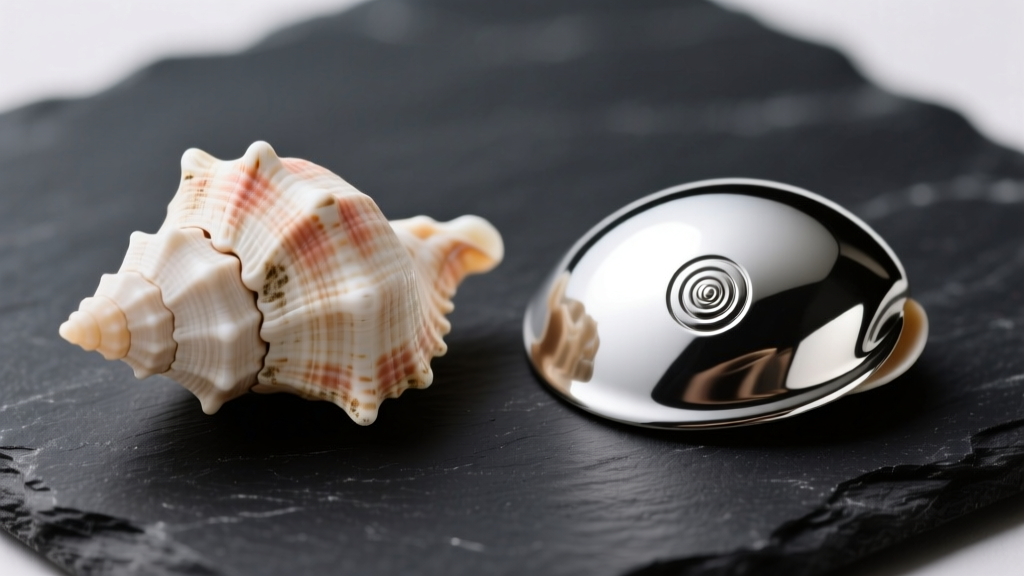
When evaluating a strand, pick up a single shell and examine it from multiple angles. A genuine puka shell will feature a distinct convex (domed) top and a concave (cupped) bottom, reflecting its origin as a spiraled cone snail. Furthermore, the naturally occurring hole will rarely be perfectly centered, and the edges of the hole will feel slightly jagged or organic to the touch. Imitation shells, conversely, are often flat, uniformly round, and feature perfectly centered, laser-drilled holes with smooth, sterile edges.
| Feature | Authentic Puka Shell | Imitation / Stamped Shell |
|---|---|---|
| Shape Profile | Asymmetrical; convex top, concave bottom | Uniformly flat or perfectly symmetrical |
| The 'Hole' | Naturally formed, off-center, jagged edges | Machine-drilled, perfectly centered, smooth |
| Color & Texture | Ivory to warm beige, subtle natural mottling | Stark bleached white or uniformly dyed |
| Weight & Temp | Dense, feels cool to the touch initially | Lightweight, warms up quickly (if plastic) |
Grading, Sizing, and Symmetry Metrics
Authentic puka shells are graded by their diameter, measured in millimeters (mm), and by the overall uniformity of the strand. Because they are natural objects, finding a perfectly matched strand is exceptionally difficult, which drives the price of high-grade necklaces upward.
Size Classifications
- Chips (3mm - 5mm): Often used for multi-strand layering or delicate anklets. These are the most common and affordable, as smaller shell fragments are easier to match.
- Medium (7mm - 9mm): The classic surf-culture size. Ideal for a standalone 16-inch choker or an 18-inch princess length necklace. Requires significant hand-sorting to achieve a uniform strand.
- Large / Statement (10mm - 14mm+): Extremely rare in authentic, naturally tumbled puka. Most shells of this size that you see on the market are actually carved from larger clam shells or are heavily manipulated. True 12mm+ cone snail pukas are highly prized collector items.
Graduated vs. Uniform Strands
A uniform strand features shells that are all within a 1mm variance of each other (e.g., all 8mm). This requires sorting through thousands of shells and commands a premium price. A graduated strand features smaller shells near the clasp that slowly increase in size toward the center focal point. Graduated strands are not only more traditional to vintage Hawaiian jewelry but also sit more ergonomically against the collarbone.
Stringing Materials and Hardware Durability
The structural integrity of a puka necklace relies entirely on its stringing material and hardware. Shells are essentially calcium carbonate; they have sharp internal edges around the natural hole that can easily fray and snap weak cords over time.
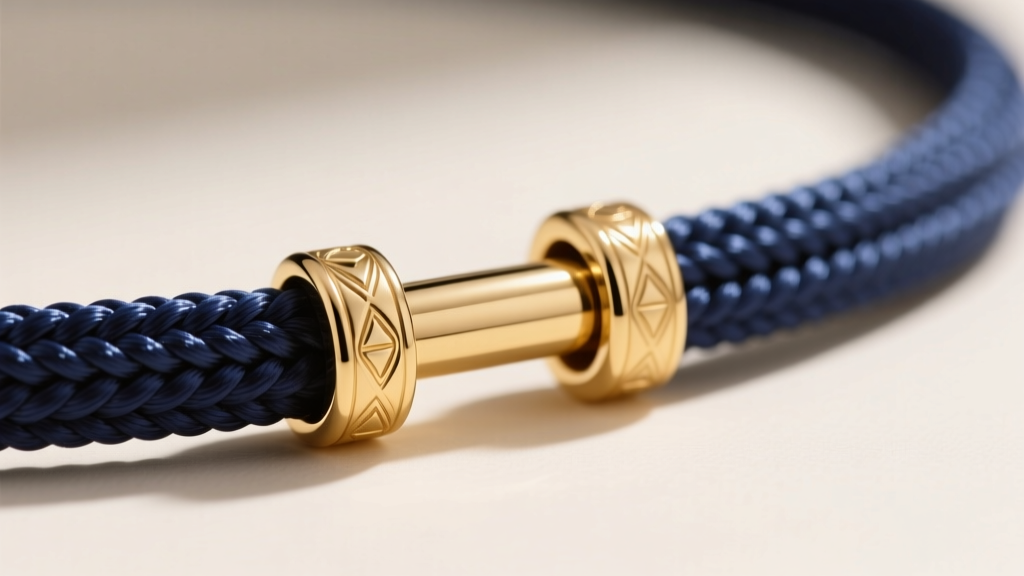
Avoid necklaces strung on cheap cotton or basic silk if you plan to wear them in water or daily. The gold standard for modern authentic puka necklaces is braided micro-nylon cord (often 0.8mm to 1.2mm in thickness). Nylon is impervious to saltwater, sweat, and UV degradation. For hardware, look for barrel clasps or tube clasps crafted from 925 sterling silver or 14k solid gold. These clasps integrate seamlessly into the bead line and prevent the heavy shell strand from pulling open a delicate lobster clasp, which is a common failure point in mid-tier jewelry.
Market Pricing and Valuation Tiers
Understanding the pricing landscape will protect you from overpaying for fakes or underestimating the value of vintage pieces. Here is what you should expect to pay in the current market:
- Mass-Market Imitations ($15 - $40): Sold in tourist shops and fast-fashion retailers. These are dyed heishi or plastic. They hold no resale value and lack the true puka necklace meaning.
- Modern Authentic, Non-Graduated ($60 - $150): Genuine cone snail shells, usually in the 5mm to 8mm range, strung on basic nylon with a sterling silver clasp. Sourced sustainably from Indo-Pacific beaches.
- Premium Hand-Matched & Graduated ($200 - $500): High-end boutique pieces featuring 8mm to 11mm shells, meticulously color-matched and graduated, finished with 14k gold hardware and micro-knotting between each shell.
- Vintage 1970s Collector Strands ($400 - $1,200+): Authentic vintage pieces from the peak of the original puka craze. These are highly sought after by archivists and feature deep, warm patinas that modern shells lack.
Care, Maintenance, and Environmental Ethics
To preserve the natural luster of your puka shells, you must protect them from harsh chemicals. Sunscreen, tanning oils, and chlorine can penetrate the porous calcium structure, causing the shells to yellow unevenly or become brittle. Always put your puka necklace on after applying skincare and sunscreen.
Finally, consider the environmental ethics of your purchase. Over-harvesting of live cone snails devastated local ecosystems in the mid-20th century. Today, reputable jewelers only source naturally deceased, beach-washed shells, or utilize vintage stock. When buying, always ask the seller for their sourcing policy. A genuine understanding of the puka necklace meaning requires respecting the ocean that created it, ensuring that your purchase supports sustainable, ethical jewelry practices rather than ecological depletion.


