Double Circle Necklace Buying Guide: What to Look For
Discover what to look for when buying a double circle necklace. Learn about material grades, chain types, soldering techniques, and pricing.

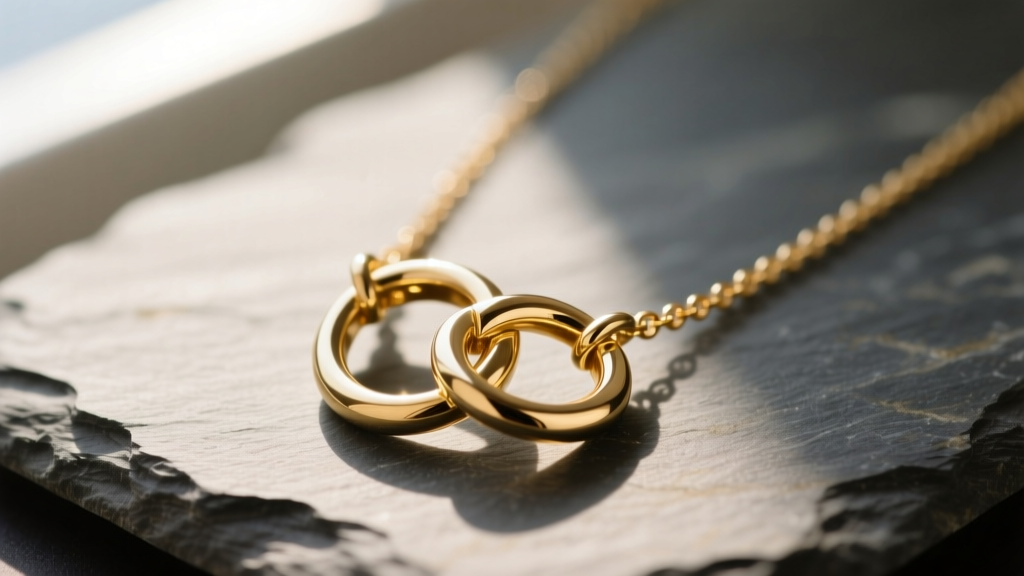
The Anatomy of a Quality Double Circle Necklace
The double circle necklace—often featuring two interlocking rings—has transcended fleeting trends to become a staple in modern jewelry boxes. Symbolizing infinity, unbreakable bonds, and interconnectedness, this design is as meaningful as it is versatile. However, not all interlocking circle pendants are crafted equally. When evaluating a double circle necklace in 2026, the structural integrity of the intersection point is the single most critical factor dictating its lifespan.
Cast Integration vs. Jump Ring Linking
There are two primary manufacturing methods for double circle pendants. The first, and vastly superior, is cast integration. In this process, the two circles are molded and cast as a single, continuous piece of metal. This eliminates weak points and ensures the pendant will never pull apart. The second method involves casting two separate circles and linking them via a small jump ring or soldering them together at the intersection. While soldering can be durable if done by a master jeweler using laser-welding techniques, poorly soldered joints will eventually snap under the tension of daily wear. Always inspect the intersection under a jeweler's loupe or macro lens; a seamless transition indicates a high-quality cast piece.
Material Grades: Solid Gold vs. Vermeil vs. PVD
The metal composition of your necklace determines its longevity, skin compatibility, and ultimate value. According to the Gemological Institute of America (GIA), understanding karat purity and plating standards is essential for making an informed purchase.
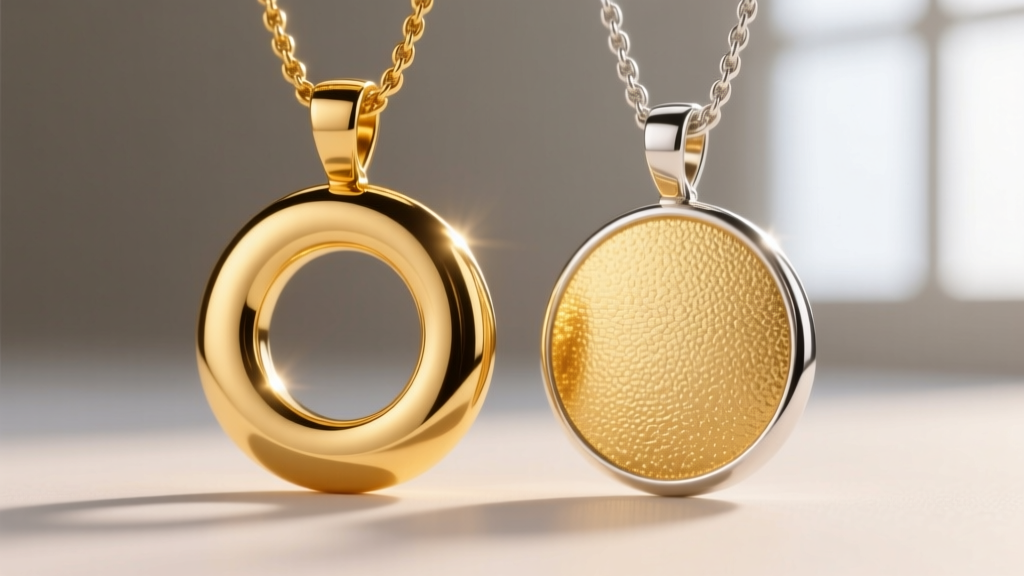
Solid Gold (14k and 18k)
For a piece meant to be worn daily, solid gold is the gold standard. 14k gold (58.3% pure gold) offers the ideal balance of rich color and structural hardness, making it highly resistant to scratching and bending. 18k gold (75% pure gold) provides a deeper, more buttery yellow hue but is slightly softer. For interlocking circles that experience friction at the intersection point, 14k is often the more pragmatic choice for long-term durability.
The Truth About Gold Plating vs. Vermeil
Many buyers confuse standard gold plating with gold vermeil. Standard plating typically uses a brass or copper base with a microscopic flash of gold (often less than 0.5 microns) that will wear off within months. Gold vermeil, regulated by the Federal Trade Commission (FTC), must feature a 925 sterling silver base with a gold layer of at least 2.5 microns thick. When buying vermeil, look for brands that explicitly state their micron thickness; 3-micron to 5-micron vermeil will last years with proper care, whereas anything under 2.5 microns is a temporary accessory.
PVD Coated Stainless Steel
A rising star in the 2026 market is Physical Vapor Deposition (PVD) coating over surgical-grade stainless steel. PVD bonds gold molecules to the steel at a molecular level in a vacuum chamber, creating a finish that is highly resistant to tarnish, sweat, and water. While it lacks the intrinsic resale value of solid gold, a PVD double circle necklace is an excellent, budget-friendly option for active lifestyles.
Chain Selection and Clasp Hardware
The pendant is only half the equation; the chain and clasp dictate the necklace's security and drape. A heavy pendant on a fragile chain is a recipe for loss.
- Cable Chains: The classic choice. Oval links are uniform and lie flat. They are versatile but can kink if not stored properly.
- Box Chains: Composed of square links that create a smooth, geometric surface. Box chains are incredibly strong and resist kinking, making them ideal for heavier double circle pendants.
- Snake Chains: Sleek and tubular, they offer a modern look. However, the tightly packed rings can trap oils and are notoriously difficult to repair if kinked or bent.
Regarding clasps, always opt for a lobster claw clasp over a spring ring. Spring rings are prone to internal spring failure and are difficult to operate with one hand. A well-machined lobster clasp with a sturdy soldered jump ring on the opposite end ensures your pendant remains secure.
Proportion Guide: Pendant Size to Chain Thickness
A common mistake in jewelry styling is mismatching the visual weight of the pendant with the gauge (thickness) of the chain. Use the table below to ensure harmonious proportions.
| Pendant Diameter | Ideal Chain Gauge | Recommended Chain Style | Best Use Case |
|---|---|---|---|
| 10mm - 15mm (Petite) | 0.8mm - 1.0mm | Delicate Cable or Rope | Layering with longer chains, subtle daily wear |
| 16mm - 22mm (Medium) | 1.1mm - 1.5mm | Box or Rolo Chain | Standalone everyday piece, office-appropriate |
| 23mm - 30mm+ (Statement) | 1.6mm - 2.5mm | Thick Cuban or Wheat | Focal point over solid color garments, evening wear |
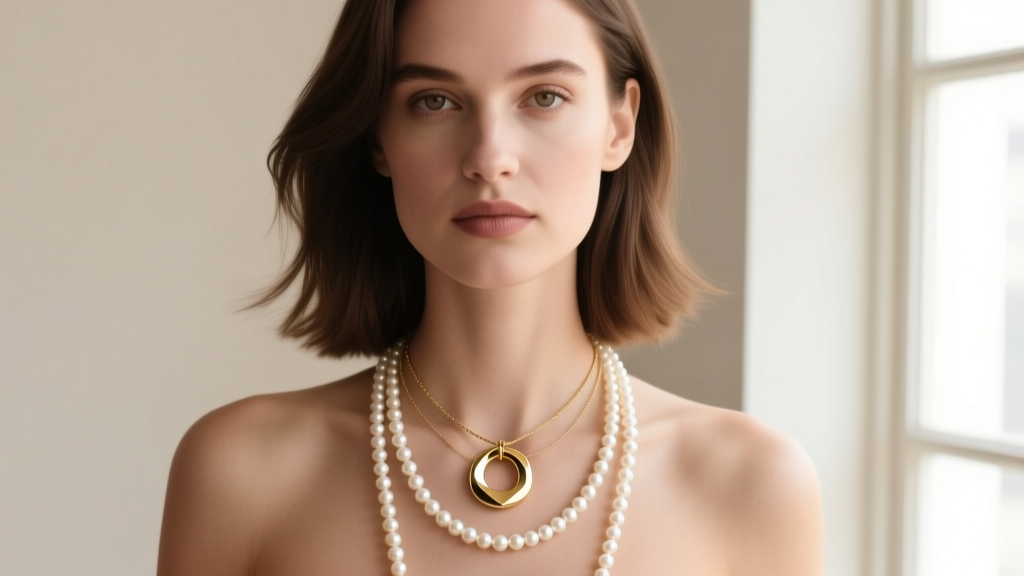
Pro Tip: If you plan to layer your double circle necklace, stick to the 12mm-15mm pendant range on a 16-inch chain, pairing it with a 20-inch pearl or pendant chain to create a cascading effect.
Price Benchmarks and What to Expect
Pricing in the jewelry sector varies wildly based on material sourcing, brand prestige, and manufacturing location. Here is a realistic breakdown of what you should expect to pay for a quality double circle necklace in today's market:
- Budget ($30 - $80): PVD-coated stainless steel or standard gold-plated brass. Expect a lifespan of 1-2 years with regular wear. Brands like Mejuri's lower-tier lines or Etsy stainless steel artisans dominate this space.
- Mid-Range ($120 - $350): High-quality gold vermeil (3+ microns over sterling silver) or 10k/14k solid gold with a very lightweight, hollow construction. This is the sweet spot for gift-giving and reliable daily wear.
- Luxury ($500 - $2,000+): Solid 14k or 18k gold with substantial metal weight, laser-welded intersections, and ethically sourced materials. Brands like Monica Vinader, David Yurman, and independent master goldsmiths operate here.
Care, Tarnish Prevention, and Maintenance
The interlocking nature of a double circle necklace creates a friction point where the two rings rub together. Over time, this can cause localized wear or trap dead skin cells and lotions, leading to a dull appearance.
'Never use ultrasonic cleaners on hollow or plated interlocking jewelry. The high-frequency vibrations can fracture weak solder joints or strip thin vermeil layers entirely.' - Jewelers of America Care Guidelines
For routine maintenance, use a soft-bristled baby toothbrush with a drop of mild dish soap and warm water to gently scrub the intersection point. Rinse thoroughly and dry with a microfiber cloth. If you own a solid gold piece, a specialized jewelry polishing cloth can be used once a month to restore the high-polish finish, but avoid using it on matte or brushed finishes, as it will alter the texture.
Ultimately, investing in a double circle necklace is about finding the intersection of symbolic meaning and structural engineering. By prioritizing cast integration, verifying material micron counts, and matching your chain gauge to the pendant's visual weight, you will secure a piece that remains a timeless anchor in your wardrobe for decades to come.


