Necklace Spacer Buying Guide: Budget & Value Assessment
Discover how to choose the perfect necklace spacer for layered chains. We assess materials, clasp types, and pricing to maximize your jewelry budget.

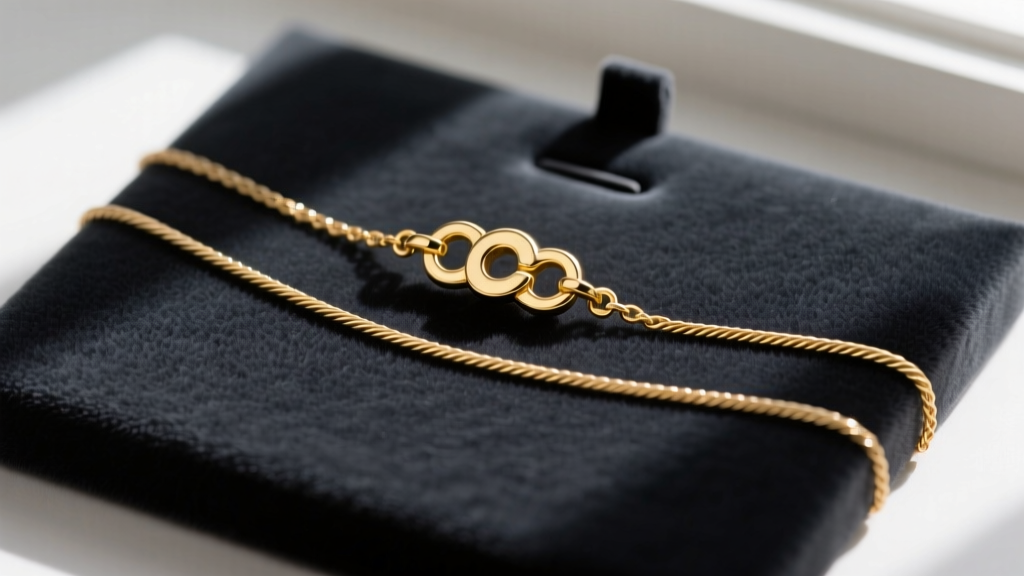
The layered necklace trend has evolved from a fleeting fashion moment into a permanent staple of modern personal style. However, anyone who has attempted to stack three or more delicate chains knows the inevitable frustration: tangling, uneven draping, and the constant need for readjustment. Enter the necklace spacer (often referred to as a multi-strand clasp or separator). This small but critical finding acts as the structural anchor for your layered look. Yet, not all spacers are created equal. When evaluating a necklace spacer from a budget and value perspective, you must look beyond the initial price tag and assess metallurgical integrity, clasp mechanics, and long-term wearability. In this comprehensive assessment, we break down exactly where your money goes and how to maximize the value of your jewelry findings.
The Anatomy of a High-Value Necklace Spacer
A necklace spacer is deceptively simple. It typically consists of a central body with multiple attachment loops (holes) on either side, designed to hold individual chains in parallel alignment before converging into a single primary clasp. The value of this component lies in its ability to distribute tensile stress evenly across multiple strands. When you wear a 2-strand or 3-strand layered setup, the outermost chain naturally sits wider and longer than the innermost chain. A poorly engineered spacer will force these chains into unnatural angles, causing the jump rings to warp or the chains to snap at the stress points. A high-value spacer features ergonomically angled attachment loops that accommodate the natural parabolic drape of layered necklaces, preserving the lifespan of your delicate chains.
Material Grading: Price vs. Longevity Matrix
The most significant factor in the cost of a necklace spacer is the base metal and its finishing. According to industry standards tracked by organizations like the Gemological Institute of America (GIA), understanding the difference between plating, filling, and solid alloys is crucial for budget allocation. Below is a value assessment matrix to help you decide which material fits your investment strategy.
| Material Grade | Industry Standard / Composition | Avg. Price Range | Tarnish Resistance | Value Verdict |
|---|---|---|---|---|
| Brass w/ Flash Plating | Brass base, <0.05% gold/silver by weight | $8 - $15 | Poor (weeks) | Avoid. High cost-per-wear due to rapid degradation. |
| 925 Sterling Silver | 92.5% pure silver, 7.5% copper alloy | $25 - $45 | Moderate (requires polishing) | Good value for silver chains, but prone to scratching. |
| 14k Gold Filled | FTC mandated 1/20th (5%) 14k gold by weight | $30 - $60 | Excellent (years) | Best overall ROI. Durable, hypoallergenic, and affordable. |
| Solid 14k / 18k Gold | Homogeneous gold alloy (58.5% or 75% pure) | $150 - $350+ | Superior (lifetime) | Heirloom investment. Best for heavy, high-carat chains. |
| Grade 5 Titanium | Ti-6Al-4V aerospace-grade alloy | $40 - $80 | Superior (lifetime) | Niche value. Ideal for severe metal allergies and heavy pendants. |
For the majority of jewelry enthusiasts, 14k gold-filled or 925 sterling silver spacers offer the optimal intersection of budget and longevity. As noted by Rio Grande jewelry supply standards, true gold-filled findings possess a mechanically bonded layer of gold that is hundreds of times thicker than electroplating, ensuring the spacer will not flake or expose the base metal under the friction of daily clasping.
Clasp Mechanisms: Evaluating Functional Value

The primary clasp mechanism integrated into the necklace spacer dictates its daily usability and long-term functional value. When assessing your budget, consider how often you will be taking the layered set on and off.
Magnetic Slide-Lock Clasps
The magnetic slide-lock is currently the gold standard for multi-strand spacers. It features two cylindrical or rectangular halves that snap together via internal magnets, often secured by a secondary silicone O-ring or mechanical detent. Budget Warning: Cheap spacers use low-grade ceramic magnets or weak N35 neodymium. If you are layering three chains with heavy pendants, a weak magnet will shear open under the pendulum swing of your movement. Always look for spacers that specify the use of N52 grade neodymium magnets, which offer the highest commercial pull-force and ensure your layered set remains secure.
Multi-Lobster or Spring Ring Arrays
Some budget spacers simply feature a horizontal bar with three or four tiny lobster claws or spring rings attached. While these are inexpensive ($10-$20), they offer terrible functional value. Fumbling with four microscopic spring rings every time you put on your jewelry leads to bent levers, broken internal springs, and eventual failure. Avoid this design unless it is a permanent, semi-welded fixture that you rarely remove.
Toggle and Hook-and-Eye
These traditional clasps are highly secure and mechanically simple, meaning there are no internal springs or magnets to fail. However, they require a certain amount of chain weight to keep the toggle pulled taut. If your layered chains are ultra-delicate (e.g., 0.9mm cable chains), a toggle spacer may lack the necessary tension to remain locked, presenting a high loss-risk for your pendants.
Gauge Sizing and Strand Capacity
A common mistake when purchasing a necklace spacer online is ignoring the wire gauge and jump ring specifications. The structural integrity of the spacer relies heavily on these metrics. According to manufacturing guidelines from major findings suppliers like Stuller, the attachment loops on a spacer must be robust enough to handle the combined tensile load of multiple chains.
- Wire Gauge: For a 2-hole spacer holding lightweight chains, 20-gauge (0.81mm) wire is sufficient. For a 3-hole or 4-hole spacer supporting chains with pendants, demand an 18-gauge (1.02mm) or 16-gauge (1.29mm) wire body. Anything thinner will warp under stress.
- Jump Ring Sizing: The outer diameter (OD) of the jump rings connecting your chains to the spacer should be no larger than 4mm to 5mm. Oversized jump rings create excessive lateral movement, leading to metal fatigue and breakage at the connection point.
- Soldered vs. Unsoldered: This is the ultimate value indicator. The jump rings permanently attached to the spacer body must be soldered shut. If they are unsoldered (simply butted together), the sheer weight of a pendant chain will easily pull the soft metal apart, resulting in a lost necklace.
Real-World Troubleshooting: Why Cheap Spacers Fail
When assessing the true cost of a budget necklace spacer, you must factor in the cost of replacement and potential jewelry loss. Here are the most common failure modes in low-tier spacers and how to spot them before buying:
- Magnet Detachment: In cheap magnetic spacers, the neodymium core is held in place by cheap cyanoacrylate (super glue). Over time, exposure to skin oils, lotions, and the mechanical shock of the magnets snapping together degrades the glue. The magnet falls out, and the clasp becomes useless. High-value spacers use mechanical crimping or laser welding to house the magnet.
- Plating Friction Wear: The sliding mechanism of a tube clasp creates constant metal-on-metal friction. On gold-plated brass spacers, this friction strips the gold away within weeks, leaving a bare, reactive brass core that will turn your neck green and trigger contact dermatitis.
- Loop Deformation: If the spacer loops are made from soft, dead-annealed silver or low-karat gold without proper work-hardening, the simple act of opening and closing your chain's jump rings will stretch the spacer loops into ovals, eventually snapping them.
Budget Allocation: Where to Spend and Where to Save
"In jewelry findings, you should always allocate the majority of your budget to the structural mechanics—the clasp, the jump rings, and the wire gauge. Decorative elements like enamel inlays or textured milgrain edges are where you can safely cut costs without compromising the safety of your chains."
If you are working with a strict budget, opt for a plain, polished 14k gold-filled magnetic slide-lock spacer with soldered 18-gauge jump rings. You do not need to pay a premium for diamond-cut textures or brand-name hallmarks on a component that sits at the nape of your neck. By prioritizing N52 magnets, proper FTC-compliant gold-filled materials, and soldered connections, you secure a necklace spacer that will outlast the very chains it is designed to hold, delivering exceptional long-term value and peace of mind for your layered jewelry collections.


