The Basket Setting Necklace: 2026 Trend Analysis & Style Guide
Discover why the basket setting necklace is dominating 2026 jewelry trends. Expert analysis on prong styles, metals, and how to style this classic pendant.

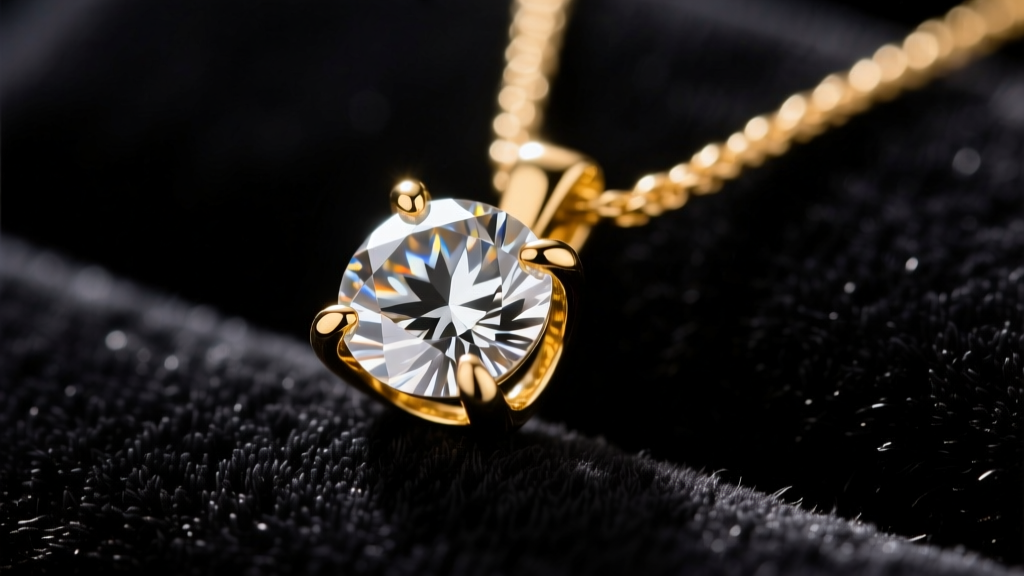
In the ever-evolving landscape of fine jewelry, the pendulum of trend preference swings predictably between maximum security and maximum brilliance. For the past few years, the bezel setting reigned supreme, favored for its sleek, modern profile and snag-free wear. However, as we navigate the 2026 jewelry market, a definitive shift has occurred. The basket setting necklace has reclaimed its throne, driven by a consumer desire for vintage-inspired light return, the booming lab-grown diamond market, and a renewed appreciation for intricate metalwork. This comprehensive style and trend analysis breaks down the anatomy, technical specifications, and styling frameworks necessary to master the basket setting pendant this year.
The Anatomy of a Basket Setting: Beyond the Basic Solitaire
To understand the resurgence of the basket setting necklace, one must first understand its architectural superiority in light performance. Unlike a bezel, which encircles the entire girdle of a gemstone in metal, a basket setting cradles the stone in a metal 'basket' comprised of vertical prongs and a horizontal gallery wire. This design elevates the stone, allowing ambient light to enter through the pavilion (the bottom half of the gem) unobstructed.
The Gallery Wire and Pavilion Clearance
The defining feature of a true basket setting is the gallery wire—a horizontal band of metal that wraps around the lower portion of the prongs. In high-quality 2026 designs, this wire is positioned precisely at the midpoint of the stone's pavilion. This structural element serves two purposes: it reinforces the prongs against lateral bending, and it acts as a spacer to ensure the culet (the bottom tip of the diamond) does not rub against the wearer's skin, which can cause friction and dull the stone's brilliance over time.
Martini vs. Traditional Basket Profiles
While the traditional basket features a rounded, cup-like base, the 'martini' setting offers a V-shaped profile that tapers sharply to the bail. In 2026, the traditional basket is trending heavily for colored gemstones like sapphires and spinels, as the wider base provides a more secure cradle for stones with deeper pavilions. Conversely, the martini profile remains the preferred choice for shallow-cut lab-grown diamonds, as it minimizes the metal footprint and creates a 'floating' illusion on the décolletage.
Why the Basket Setting is Surging in 2026
The dominance of the basket setting necklace this year is not merely a cyclical fashion revival; it is deeply tied to the economics and technology of the current gemstone market. With lab-grown diamonds now accounting for a significant majority of solitaire pendant sales, consumers are purchasing larger carat weights—typically ranging from 1.50 to 3.00 carats. When investing in a larger stone, buyers prioritize optical performance. A bezel setting can obscure up to 15% of a stone's light return by covering the girdle. The basket setting, utilizing minimal metal contact points, maximizes the scintillation and fire of these larger, high-clarity lab-grown stones.
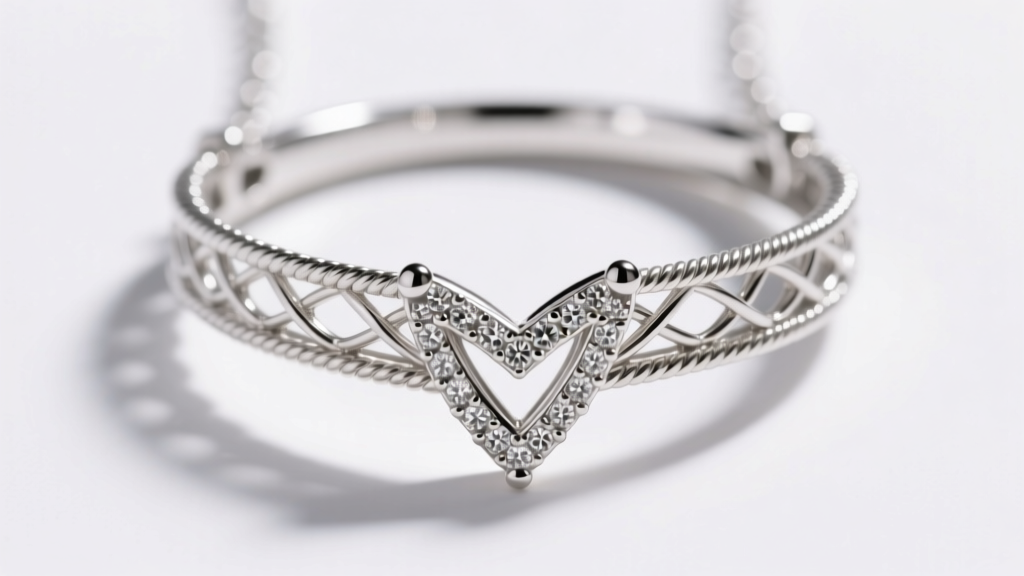
Furthermore, the 'quiet luxury' aesthetic that defined 2024 and 2025 has evolved into 'heritage luxury' in 2026. Shoppers are seeking pieces that feel like heirlooms. The visible prongs and intricate gallery wires of a basket setting offer a level of artisanal craftsmanship that a smooth, machine-stamped bezel simply cannot replicate.
Technical Specifications: Metals, Prongs, and Failure Modes
When investing in a basket setting necklace, the structural integrity of the metal is paramount. The most common failure mode for pendants is prong wear and snagging. According to guidelines referenced by the Gemological Institute of America (GIA), prongs endure significant friction from clothing and hair. Therefore, the choice of metal alloy and prong thickness (gauge) dictates the lifespan of the piece.
Prong Thickness and Snag Risks
For daily wear, prong thickness should never drop below 0.9mm at the tip. Many mass-market jewelers cut costs by using 0.7mm prongs, which will wear down to a dangerous level within 18 months of daily wear, risking catastrophic stone loss. In 2026, bespoke jewelers are favoring 'claw' prongs—tapered, elongated tips that secure the stone while reducing the surface area that catches on knitwear.
| Metal Alloy | Prong Configuration | Recommended Carat Range | Durability & Price Index |
|---|---|---|---|
| 14k Yellow Gold | 4-Prong Basket | 0.50ct - 1.25ct | Moderate durability, high snag risk. Budget-friendly ($150-$300 for setting). |
| 18k White Gold | 6-Prong Basket | 1.00ct - 2.00ct | High durability (requires rhodium plating). Premium pricing ($350-$600 for setting). |
| 950 Platinum | 4-Prong Martini | 1.50ct - 3.00ct+ | Maximum durability, malleable (bends rather than breaks). Luxury tier ($600-$1200+). |
Styling and Chain Pairings for Maximum Light Return
A basket setting pendant is only as effective as the chain that suspends it. The pendulum effect of a necklace means the pendant will constantly swing, putting stress on the bail and the chain links. A common styling mistake is pairing a heavy, 4-gram platinum basket pendant with a delicate 0.8mm cable chain. This not only creates a visual imbalance but guarantees the chain will eventually snap at the clasp or the jump ring.
The Chain-to-Pendant Weight Ratio
For optimal wear and aesthetics in 2026, follow this structural pairing framework:
- Lightweight Pendants (Under 2 grams): Pair with a 1.0mm to 1.2mm rolo or cable chain. The open links complement the airy nature of a small, 4-prong basket.
- Medium Pendants (2 to 4 grams): A 1.2mm to 1.5mm box chain or wheat chain is ideal. The solid, woven structure of a wheat chain provides the necessary tensile strength while offering a subtle, textured backdrop that doesn't compete with the gemstone.
- Heavy Pendants (Over 4 grams): Opt for a 1.5mm to 2.0mm Cuban link or a reinforced Figaro chain. Ensure the pendant's bail is a 'hidden V-bail' or a reinforced European bail, which allows the heavier chain to slide through without pinching the metal.
Care, Maintenance, and Real-World Troubleshooting
The very design that gives the basket setting necklace its unparalleled brilliance also creates a magnet for daily debris. The horizontal gallery wire and the underside of the gemstone's pavilion act as a catch-basin for lotions, serums, and natural skin oils. When this film builds up, it creates a barrier that blocks light from entering the stone, making even a flawless diamond look cloudy and lifeless.
'The most common complaint we hear about basket pendants is that they lose their sparkle. It is rarely a flaw in the stone's cut; it is almost always a failure to clean the gallery wire and pavilion. A soft brush and a mild degreasing solution are non-negotiable for basket settings.' — Master Bench Jeweler, Jewelers of America Network
Troubleshooting Snags and Prong Wear
If your basket setting necklace consistently snags on silk or fine knits, the issue is likely the shape of the prong tips, not the setting itself. A jeweler can perform a 'prong re-tipping and polishing' service, rounding off the sharp edges of the metal claws and smoothing the gallery wire joints. Additionally, if you notice the pendant tilting forward (a common issue with top-heavy martini settings), a jeweler can add a small, discreet counterweight bead to the back of the chain, or adjust the bail's solder point to alter the center of gravity.
Final Verdict: Is the Basket Setting Right for Your Collection?
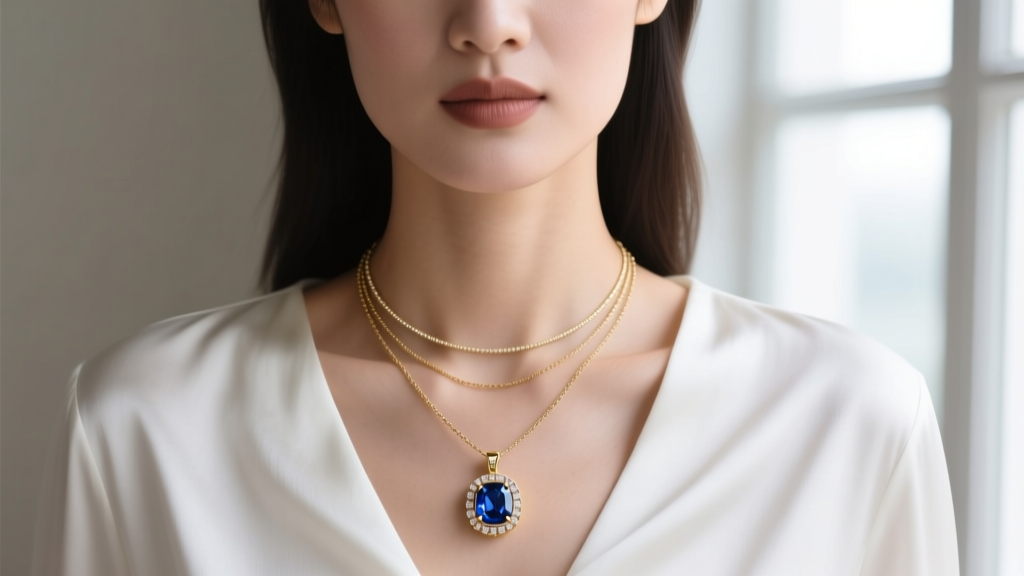
The basket setting necklace is the quintessential choice for the 2026 collector who prioritizes optical performance and heritage aesthetics over the ultra-modern, flush look of a bezel. It requires a slightly higher commitment to maintenance and mindful wear, but the reward is a pendant that interacts dynamically with light. Whether you are setting a 2-carat lab-grown diamond in platinum or a vivid blue sapphire in 18k yellow gold, the basket setting remains the ultimate architectural showcase for fine gemstones, ensuring your necklace commands attention from across the room.


