Illusion Necklace Explained: Floating Gems & Wire Care
Discover how illusion necklaces create a floating gem effect. Learn about wire materials, crimp bead security, and styling tips for beginners.

The Magic of the Floating Gem
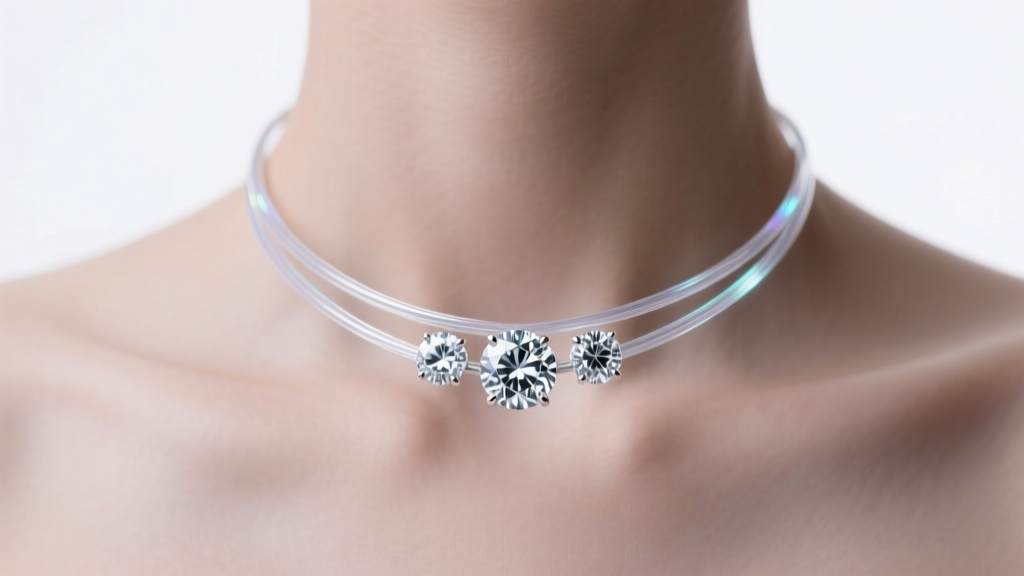
When you first encounter an illusion necklace, it looks like pure magic. Whether it features a single diamond hovering just above the collarbone or a series of pearls spaced evenly across the décolletage, the jewelry appears to defy gravity, clinging to the skin without any visible chain. Popularized in the 1990s and continuously refined through modern material science, the floating illusion necklace remains a staple of minimalist, elegant jewelry design.
However, beneath this seamless aesthetic lies a complex web of material engineering, optical physics, and structural vulnerabilities. For beginners, purchasing and caring for an illusion necklace requires understanding what actually holds those gems in place. In this comprehensive guide, we will break down the anatomy of floating wire necklaces, explore the critical failure points of crimp beads, and clarify the confusing terminology surrounding "illusion settings" in diamond jewelry.
The Anatomy of a Floating Illusion Necklace
The secret to the floating effect is the stringing material. Unlike traditional chain necklaces that rely on interlocking metal links, illusion necklaces use transparent or semi-transparent synthetic wires. The goal is to match the refractive index (RI) of the wire to that of human skin and natural oils, rendering the string virtually invisible to the naked eye.
Wire Materials: Nylon vs. Fluorocarbon
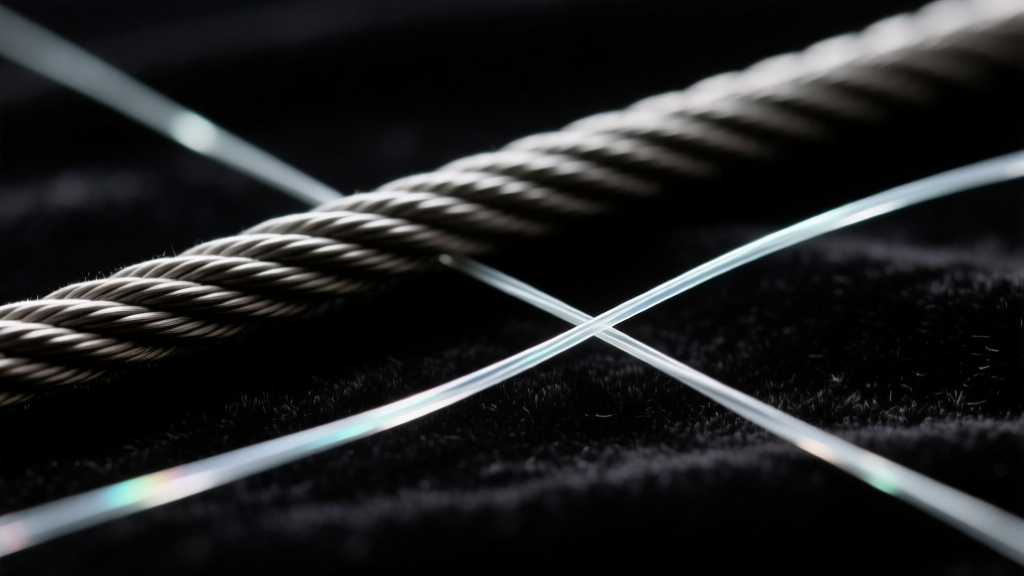
Not all clear wires are created equal. The two primary materials used in the jewelry industry are nylon and fluorocarbon, and the difference in their optical and physical properties is staggering.
- Nylon Monofilament: Traditional and inexpensive, nylon has a refractive index of approximately 1.53. While it is strong, it catches and reflects light, often creating a visible "glint" that ruins the floating illusion. Furthermore, nylon is highly susceptible to UV degradation and stretches over time, causing the beads to sag.
- Fluorocarbon Polymer: The gold standard for modern illusion necklaces. Fluorocarbon has a refractive index of about 1.42, which closely mimics the light-bending properties of water and skin oils. It is UV-stabilized, meaning it will not yellow or become brittle from sun exposure. Premium jewelry makers often use 10 lb to 20 lb test fluorocarbon (0.15mm to 0.25mm in diameter) sourced from high-end fishing line manufacturers like Seaguar, ensuring immense tensile strength without sacrificing invisibility.
The Weakest Link: Crimp Beads and Failure Modes
The most common point of failure in an illusion necklace is not the wire snapping in the middle of the chest; it is the wire shearing at the clasp connection. Because fluorocarbon and nylon cannot be tied in traditional jeweler's knots (the synthetic memory causes the knots to slip or the wire to snap), the wire must be secured using metal crimp beads or crimp tubes.
Understanding Micro-Shearing
When a metal crimp tube is flattened onto a polymer wire using pliers, the interior edges of the metal can become microscopically sharp. As you wear the necklace, the natural movement of your neck causes the wire to flex back and forth against these sharp interior burrs. Over months of wear, this acts like a microscopic saw, eventually shearing through the fluorocarbon and resulting in a catastrophic loss of your gemstones.
According to technical guidelines from Rio Grande Jewelry Supply, preventing this shearing requires specific finishing techniques:
- Use Seamless Precious Metal Crimps: Avoid cheap, stamped base-metal crimps. Always opt for seamless sterling silver or 14k gold-filled crimp tubes, which have smoother interior walls.
- Employ French Wire (Bullion) Guards: A traditional and highly effective method is to thread the wire through a tiny coil of fine silver or gold wire (known as French wire or gimp) before looping it through the clasp. This prevents the polymer wire from ever touching the sharp metal edge of the clasp ring.
- Crimp Covers: For a cleaner look, a U-shaped metal crimp cover can be squeezed over the flattened crimp bead, making it look like a seamless metal bead while protecting the wire exit point.
Terminology Check: Floating Wires vs. Illusion Settings
One of the most confusing aspects for beginners shopping for diamond jewelry is the term "illusion." If you search for an illusion necklace, you will find two entirely different categories of jewelry. It is vital to know the difference before making a purchase.
The first is the floating wire illusion necklace discussed above. The second is a necklace featuring a diamond in an illusion setting. According to the Gemological Institute of America (GIA), an illusion setting (sometimes called a mirage setting) is a specific type of metal collet. The metal surrounding the diamond is stamped and polished with faceted ridges that reflect light. When viewed from a distance, the reflective metal blends seamlessly with the pavilion facets of the diamond, creating the optical illusion that the diamond is significantly larger than its actual carat weight.
| Feature | Floating Wire Illusion | Illusion Metal Setting |
|---|---|---|
| Primary Mechanism | Transparent polymer wire (fluorocarbon) | Faceted, highly polished metal collet |
| Visual Effect | Gems appear to hover on bare skin | Small diamond appears much larger |
| Best For | Minimalist styling, multi-gem spacing | Budget-friendly solitaire pendants |
| Price Range | $150 - $2,500+ (depends on gems) | $300 - $1,200 (lower carat weight) |
| Maintenance | High (wire kinking, crimp checks) | Low (standard metal cleaning) |
Styling Your Illusion Necklace for Necklines
The floating illusion necklace is highly versatile, but its impact depends heavily on the neckline of your garment and the spacing of the beads. The spacing of the gems—often referred to as the "drop" or "station" placement—dictates how the piece interacts with clothing.

Matching Wire Lengths to Necklines
- The V-Neck (16 to 18 inches): A standard princess-length illusion necklace with a single center diamond or a cluster of three gems perfectly echoes the geometry of a V-neck blouse. Ensure the center stone sits exactly one inch above the apex of the V-neck to frame the face without competing with the fabric.
- The Scoop Neck (14 to 15 inches): For wider, rounded necklines, opt for a choker-length illusion necklace with evenly spaced "tin cup" style beads. The horizontal line of the floating gems contrasts beautifully with the curved neckline.
- Off-the-Shoulder & Strapless (15 inches): Bare shoulders provide the ultimate canvas for an illusion necklace. A collar-length piece with floating colored gemstones (like sapphires or emeralds) creates a striking, tattoo-like effect against the skin. Ensure the wire is thick enough (0.25mm) to support heavier stones without bowing.
Maintenance and Storage Rules
Because the structural integrity of an illusion necklace relies entirely on a single, ultra-thin strand of polymer, your storage and cleaning habits must be meticulous. Treating a fluorocarbon necklace like a standard gold chain will result in permanent damage.
The Golden Rule of Fluorocarbon: Never hang your illusion necklace on a jewelry tree or hook. Fluorocarbon wire has intense "memory." If stored hanging with a heavy pendant, or looped over a small hook, the wire will develop permanent kinks that cannot be ironed out, completely ruining the floating effect.
Proper Storage and Cleaning
Always store your illusion necklace laid completely flat in a soft pouch or a wide jewelry box drawer. If the necklace features sterling silver clasps or crimp covers, place an anti-tarnish silica strip in the storage bag to prevent the metal components from oxidizing.
When it comes to cleaning, avoid ultrasonic jewelry cleaners at all costs. The high-frequency acoustic cavitation bubbles generated by ultrasonic machines can cause micro-fractures in the polymer chain of the synthetic wire, severely compromising its tensile strength. Instead, clean the gemstones with a soft, lint-free microfiber cloth. If the wire itself has accumulated skin oils and lotion, gently wipe it down with a damp cloth soaked in a mild, phosphate-free dish soap solution, then dry it flat.
By understanding the material science of fluorocarbon wire and the mechanical realities of crimp bead security, you can confidently select, wear, and preserve an illusion necklace that will continue to turn heads and defy gravity for years to come.


