Multi Strand Pearl Necklace Choker: Nacre & Grade Guide
Discover how nacre thickness, stringing materials, and clasp mechanics impact your multi strand pearl necklace choker. Expert 2026 guide.

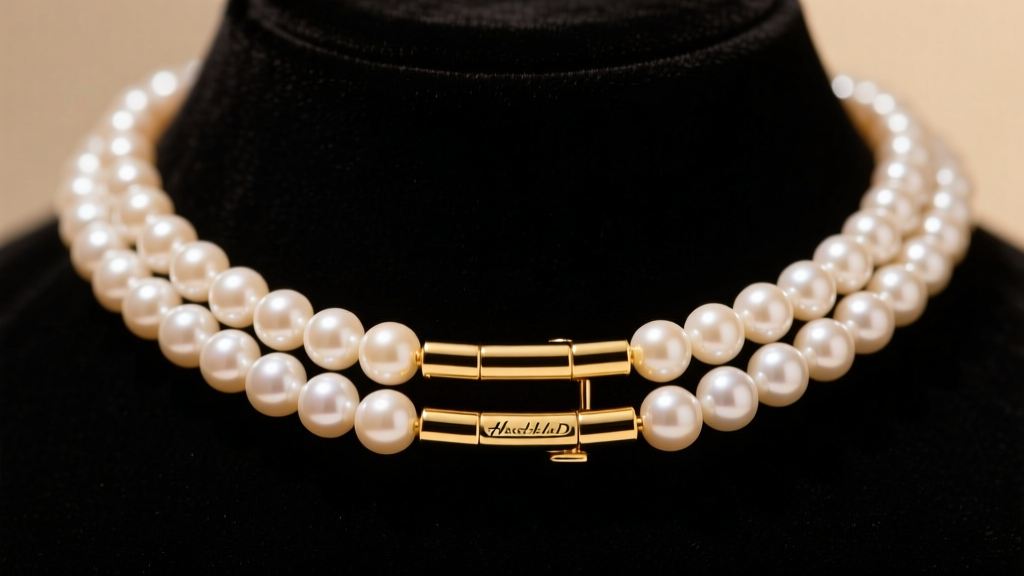
The Anatomy of a Multi Strand Pearl Necklace Choker
A multi strand pearl necklace choker is one of the most structurally demanding pieces in fine jewelry. Unlike a single-strand opera length or a simple pendant, a choker composed of three, four, or five individual strands of pearls exerts immense lateral tension on the clasp and stringing material. In 2026, as the market sees an influx of bead-nucleated freshwater pearls and lab-assisted nacre enhancements, understanding the underlying material properties of your jewelry is no longer optional—it is essential for longevity and value retention.
When evaluating a multi strand pearl necklace choker, buyers must look beyond the surface luster. The true markers of quality lie in the nacre thickness, the drill hole precision, the tensile strength of the stringing medium, and the mechanical security of the multi-strand clasp. According to the Gemological Institute of America (GIA), nacre quality directly dictates a pearl's durability, optical properties, and resistance to peeling under the friction of daily wear.
Pearl Varieties & Nacre Thickness Comparison
Not all pearls are suited for the high-friction environment of a multi-strand choker. When strands rest against one another, they create micro-abrasions. If the nacre is too thin, these abrasions will quickly wear through to the bead nucleus, resulting in irreversible damage.
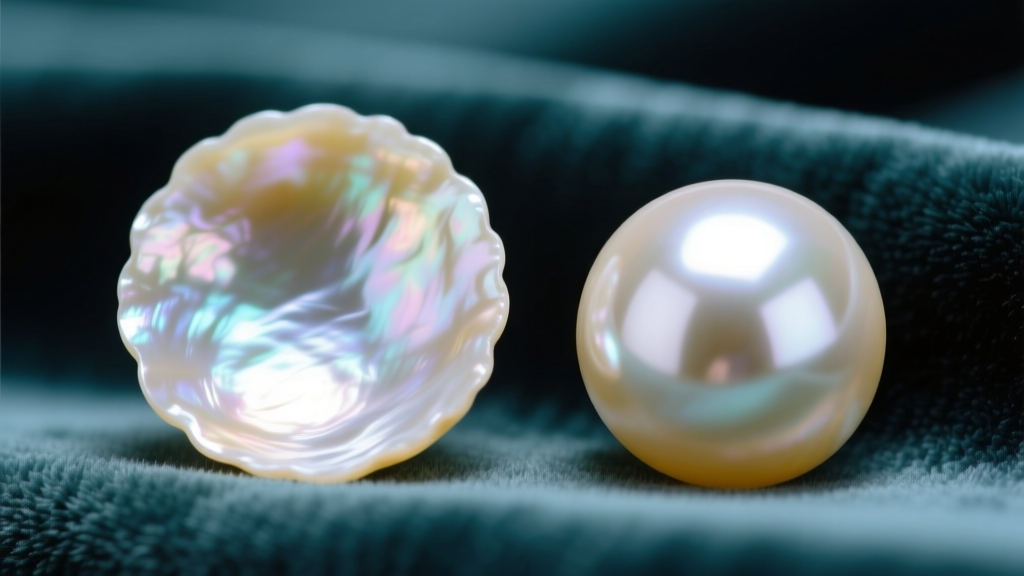
Material Breakdown by Pearl Type
| Pearl Type | Avg Nacre Thickness | Luster Profile | Weight per 16" Strand | Best Strand Count |
|---|---|---|---|---|
| Akoya | 0.3mm - 0.6mm | Sharp, mirror-like | 28 - 35 grams | 2 to 3 strands |
| Freshwater (Tissue) | Solid Nacre | Soft, satiny glow | 30 - 40 grams | 3 to 5 strands |
| Edison (Beaded) | 1.5mm - 2.5mm | Metallic, high shine | 45 - 60 grams | 2 to 3 strands |
| Tahitian | 0.8mm - 1.5mm | Deep, peacock overtones | 50 - 70 grams | 2 strands max |
For a classic, lightweight multi strand pearl necklace choker, Akoya pearls remain the gold standard due to their perfectly round shapes and unmatched luster. However, for a bold, five-strand statement piece, solid-nacre freshwater pearls are vastly superior because they will never peel, even after decades of skin contact and strand-on-strand friction. For deeper insights into grading these variations, Pearl Paradise offers comprehensive guides on how nacre thickness impacts long-term wearability.
Stringing Materials: Silk vs. Synthetic in 2026
Historically, pure silk thread (typically Size F or G, measuring 0.6mm to 0.8mm) was the default for pearl stringing. While silk provides a beautiful, fluid drape, it is fundamentally unsuited for modern multi strand pearl necklace chokers. Silk stretches over time, degrades when exposed to skin acids and cosmetics, and cannot support the cumulative weight of 150+ grams of pearls without snapping.
Today, master jewelers rely on advanced synthetic alternatives:
- 49-Strand Micro-Fused Stainless Steel: Coated in nylon, this wire (usually 0.018" or 0.019" in diameter) offers immense tensile strength while maintaining enough flexibility to drape elegantly around the collarbone.
- UHMWPE Gel-Spun Fibers: Ultra-High-Molecular-Weight Polyethylene (often branded as Dyneema) is rot-proof, stretch-proof, and boasts a tensile strength 15 times greater than steel by weight. It is the premier choice for heavy, multi-strand Tahitian or Edison pearl chokers.
Crucially, the drill holes of the pearls must be matched to the stringing material. Standard pearls are drilled at 0.8mm. If a jeweler uses a thick wire protector at the clasp junction, they must ensure the pearls nearest the clasp are reamed to at least 1.0mm to prevent the wire from fraying against the sharp edge of the nacre.
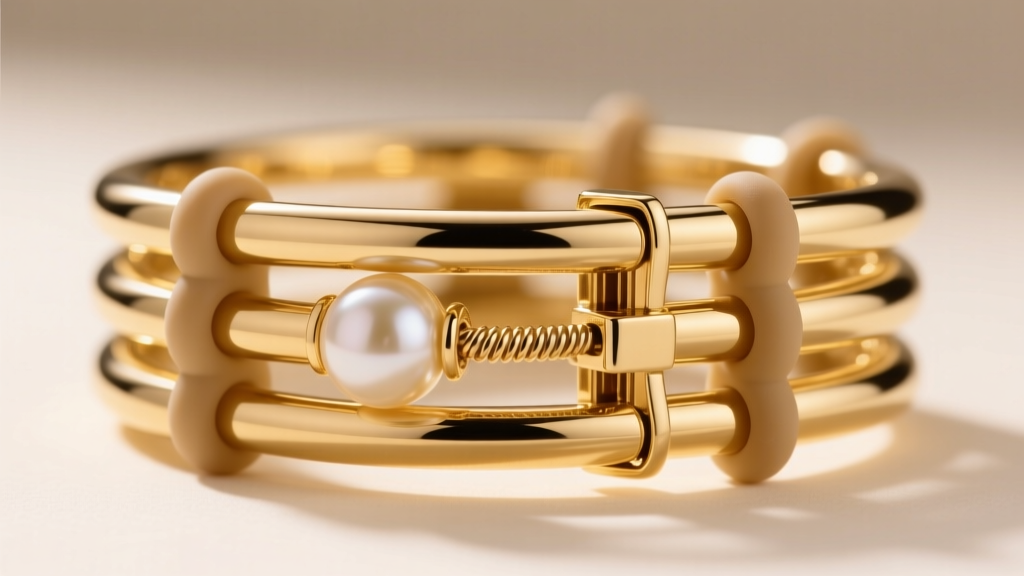
Clasp Mechanics for Multi-Strand Tension
The clasp is the single most common point of failure in a multi strand pearl necklace choker. A standard lobster clasp or spring ring is entirely inadequate for distributing the lateral pull of multiple strands. If one strand catches on a garment, the uneven torque can snap the clasp or warp the jump rings.
The Multi-Strand Box and Tube Clasp
High-end chokers utilize 14k or 18k gold multi-strand box clasps or tube clasps. These feature individual channels for each strand, ensuring the tension is distributed evenly across the metal housing. In 2026, the best tube clasps are fitted with internal silicone O-rings. These O-rings serve a dual purpose: they provide a friction-lock that prevents the wire loops from slipping out of the clasp hooks, and they act as a shock absorber, preventing the hard metal of the clasp from grinding against the delicate nacre at the drill holes.
Expert Tip: Always inspect the safety catches on a multi-strand clasp. A premium piece will feature a figure-8 safety latch on both sides of the box clasp, ensuring that even if the primary tongue mechanism fails, the necklace remains secured around your neck.
Sizing & Drape: Calculating the Choker Drop
A true choker sits snugly at the base of the neck, typically measuring between 14 and 16 inches. However, engineering a multi strand pearl necklace choker requires precise mathematical graduation. If all strands are cut to the exact same length, they will twist, overlap, and rub against one another, causing severe nacre abrasion.
To achieve a flawless, cascading drape, jewelers use a strict incremental sizing formula:
- Inner Strand: Exact neck measurement + 0.5 inches (e.g., 14.5")
- Middle Strand: Inner strand + 0.6 inches (e.g., 15.1")
- Outer Strand: Middle strand + 0.75 inches (e.g., 15.85")
This graduated spacing ensures that each strand lays flat against the skin in its own dedicated tier, eliminating friction and allowing the luster of every individual pearl to catch the light unobstructed.
Pricing Framework: What to Expect
When shopping for a multi strand pearl necklace choker, pricing scales exponentially with the number of strands and the origin of the pearls. Here is a realistic 2026 market breakdown for a standard 3-strand, 15-inch choker featuring 7.0mm to 7.5mm round pearls with 14k gold hardware:
- AAA Freshwater: $400 – $900 (Excellent value, solid nacre, slightly softer luster)
- AA+ Akoya: $1,800 – $3,500 (Classic choice, brilliant mirror luster, requires careful wear)
- AAA Hanadama Akoya: $4,500 – $8,000+ (Certified perfection, thickest Akoya nacre available)
Ultimately, investing in a multi strand pearl necklace choker is an exercise in material science as much as it is in aesthetic appreciation. By prioritizing thick nacre, modern synthetic stringing, and precision-engineered clasps, you secure a timeless piece capable of being passed down through generations without structural compromise.


