Troubleshooting Your Trollbeads Changeable Fantasy Necklace
Learn how to fix stuck clasps, prevent bead scratching, and clean your Trollbeads changeable fantasy necklace with expert jewelry repair tips.

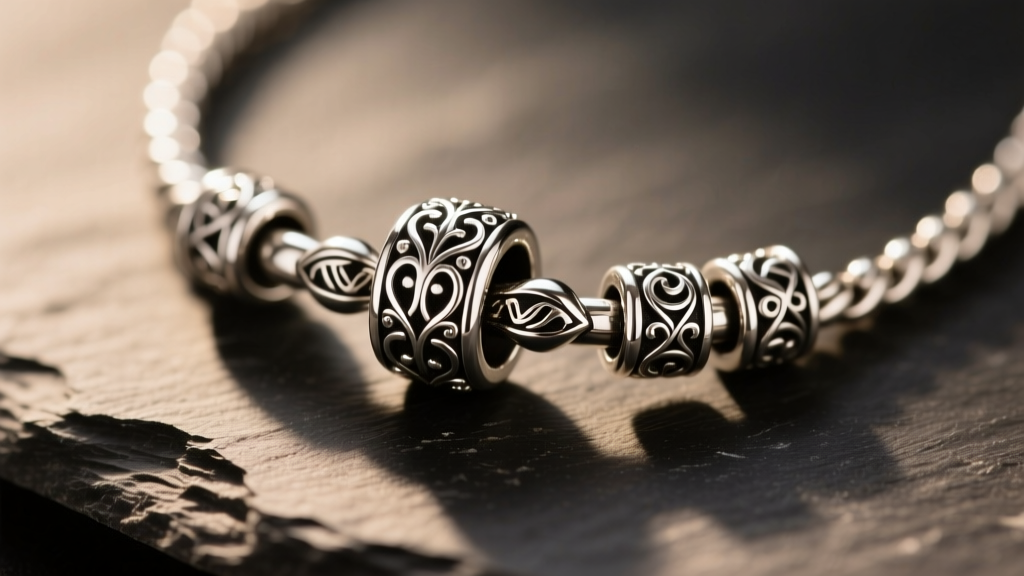
The modular nature of a trollbeads changeable fantasy necklace offers unparalleled creative freedom, allowing you to curate a deeply personal piece of jewelry that evolves with your style. However, this mechanical versatility introduces specific failure points that standard solid-chain necklaces simply do not face. From threaded barrel clasps jamming due to cosmetic buildup to the accidental stripping of deliberate oxidized patinas, troubleshooting these issues requires a nuanced understanding of both jewelry mechanics and metallurgy.
As a modular jewelry system, the Fantasy line relies on precise tolerances. The sterling silver cores, threading mechanisms, and interlocking beads must operate seamlessly. When they don't, brute force is the enemy. This comprehensive troubleshooting guide will walk you through the most common mechanical and chemical issues associated with your changeable necklace, providing actionable, expert-level solutions to restore its function and brilliance.
The Metallurgy and Mechanics of the Fantasy Chain
Before attempting any repairs, it is crucial to understand the materials you are working with. The foundational chain of the Trollbeads Fantasy collection is typically crafted from 925 sterling silver. This alloy consists of 92.5% pure silver and 7.5% copper. While pure silver is too soft to hold the intricate threading required for modular beads, the addition of copper provides the necessary tensile strength. However, this copper content is also the primary catalyst for tarnishing when exposed to sulfur and moisture in the environment.
Furthermore, the 'Fantasy' designation often implies beads and chain elements that feature deliberate oxidation—a chemical darkening of the silver crevices using liver of sulfur to create high-contrast, antique-style detailing. Understanding that your necklace is a composite of soft precious metals, deliberate chemical patinas, and precision-cut threading is the first step in effective troubleshooting.
Troubleshooting the Threaded Barrel Clasp
The barrel clasp is the most common point of mechanical failure on any changeable necklace. Unlike simple lobster clasps, the barrel clasp utilizes a microscopic internal threaded cylinder that screws together to secure the chain. When this mechanism fails, the necklace becomes unwearable.
The Sebum and Lotion Lock
The most frequent cause of a 'stuck' barrel clasp is not a mechanical defect, but a chemical one. Daily wear exposes the clasp to sebum (skin oils), lotions, perfumes, and dead skin cells. Over time, these organic compounds pack into the microscopic threads of the barrel, acting like a biological cement. When combined with the natural oxidation of the 925 silver, the two halves of the clasp can fuse together.
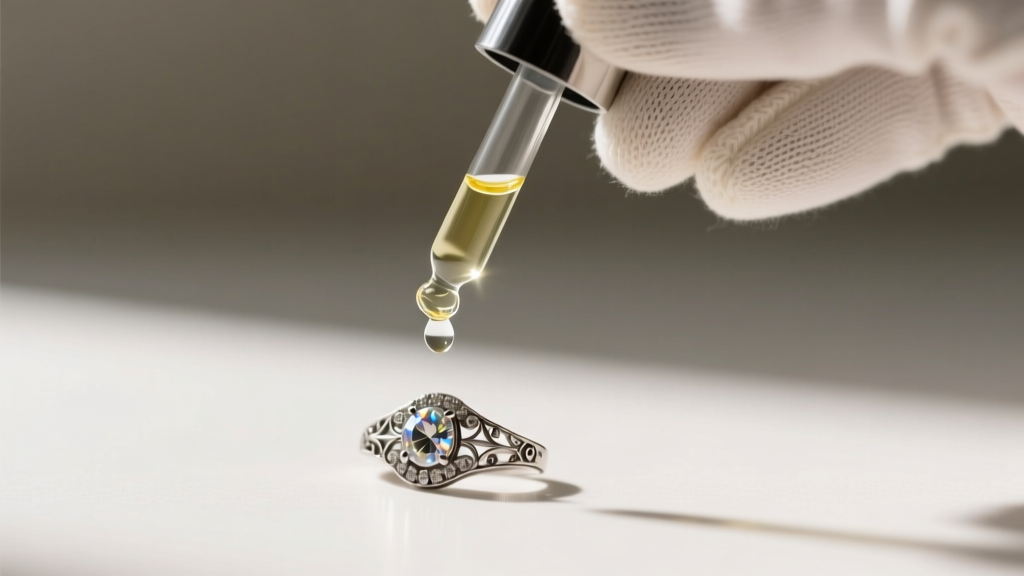
The Fix: Never use metal pliers to force the clasp open; you will inevitably mar the soft sterling silver and destroy the knurling (the textured grip on the outside of the barrel). Instead, apply a single drop of food-grade mineral oil directly into the seam of the clasp. Let it sit for 15 minutes to break down the lipid bonds of the sebum. Then, using a textured rubber jewelry gripper pad, apply firm, even pressure and twist counter-clockwise. The rubber provides the necessary friction without damaging the metal.
Cross-Threading and Mechanical Bind
If the clasp feels gritty when closing, or refuses to catch the first thread, it is likely cross-threaded. This happens when the male and female components are forced together at a slight angle, stripping the soft silver threads.
The Fix: Inspect the threads under a 10x jeweler's loupe. If the threads are merely dirty, clean them with a soft-bristled interdental brush dipped in isopropyl alcohol. If the threads are visibly flattened or stripped, the clasp must be replaced by a professional jeweler who can solder a new barrel component onto the existing chain ends.
Managing Bead Friction and Core Scratching
A major issue with the trollbeads changeable fantasy necklace is bead-on-bead friction. Because the beads slide freely along the silver core, they constantly collide. When you mix different materials—such as sterling silver, Murano glass, and gemstone beads—you introduce varying levels of hardness that can result in severe scratching.
To understand this, we must look at the Mohs scale of mineral hardness. Pure silver sits at a 2.5 to 3 on the Mohs scale, making it incredibly susceptible to abrasion. Glass beads typically rate between 5.5 and 7. If a glass bead slides freely against a polished silver bead, the glass will act like sandpaper, permanently scuffing the silver core and the adjacent bead.
| Bead Material | Mohs Hardness | Friction Risk to 925 Silver | Required Troubleshooting / Prevention |
|---|---|---|---|
| Murano Glass | 5.5 - 7.0 | High (Severe Scratching) | Mandatory use of silicone stoppers or leather spacers. |
| Sterling Silver | 2.5 - 3.0 | Low (Polishing Wear) | Safe to cluster, but will gradually lose high-polish finish. |
| Natural Gemstone | 7.0 - 9.0 | Extreme (Deep Gouging) | Never place adjacent to silver without thick rubber O-rings. |
| Oxidized Silver | 2.5 - 3.0 | Medium (Patina Loss) | Use spacer beads to prevent rubbing off the dark oxidation. |
Expert Solution: To protect your investment, utilize silicone stopper beads or small leather spacer rings between disparate materials. These act as shock absorbers, taking the kinetic friction that would otherwise destroy your silver and glass components.
Preserving the Fantasy Patina: Cleaning Errors
The 'Fantasy' aesthetic heavily relies on oxidized detailing—the dark, blackened recesses that give dragon, fairy, and gothic-themed beads their three-dimensional depth. The most catastrophic troubleshooting error a collector can make is using commercial liquid silver dips (such as Tarn-X) to clean their necklace.
According to metallurgical experts at Ganoksin, commercial silver dips rely on harsh acids and thiourea to instantly strip silver sulfide (tarnish) from the metal. While this makes polished silver shine, it will instantly and permanently strip the deliberate liver-of-sulfur patina from your Fantasy beads, leaving them looking flat, chalky, and unnaturally white.

The Correct Cleaning Protocol: To clean a trollbeads changeable fantasy necklace without destroying the patina, you must use a mechanical, rather than chemical, approach.
- Prepare a lukewarm bath using distilled water and a few drops of pH-neutral dish soap (avoid soaps with citrus extracts or heavy moisturizers).
- Submerge the chain and beads for no more than five minutes.
- Using a soft horsehair detailing brush (never a nylon or wire brush), gently agitate the raised, polished areas of the beads.
- The horsehair is soft enough to leave the dark oxidation in the crevices completely intact while removing surface oils from the high points.
- Rinse in distilled water and dry immediately with a microfiber cloth to prevent water spotting.
For routine maintenance between deep cleans, rely on a treated silver polishing cloth. As recommended by the official Trollbeads care guidelines, gently wiping the raised surfaces will maintain the high-contrast fantasy look without chemical risks.
Sizing, Threading, and Stopper Placement Errors
A frequent complaint among new modular necklace owners is that certain beads refuse to slide onto the chain, or conversely, slide off the ends when the clasp is open. This is usually a misunderstanding of the Trollbeads core threading system.
Unlike some competitor brands that use a uniform, smooth core, many Trollbeads feature internal threading that matches the threaded ends of the chain. If a bead is resisting entry, do not force it, as this can strip the internal silver core of the bead. Instead, align the bead with the threaded end of the chain and twist it clockwise while applying gentle forward pressure, exactly as you would screw on a bolt.
Jeweler's Insight: If your beads are sliding off the chain when unclasped, your chain's terminal stoppers (the small soldered beads at the very ends of the chain) may be worn down or improperly sized. A bench jeweler can easily solder new, slightly larger sterling silver stopper beads onto the chain ends for a minimal fee, instantly solving the retention issue.
Final Thoughts on Modular Maintenance
Maintaining a trollbeads changeable fantasy necklace requires a shift in mindset from passive jewelry wearing to active curation. By respecting the Mohs hardness of your mixed materials, avoiding harsh chemical dips that destroy artisanal patinas, and treating the microscopic barrel clasp threads with care, your modular necklace will remain a functional, evolving canvas for decades. When mechanical issues arise, rely on precision tools, proper lubricants, and gentle mechanical agitation rather than brute force, ensuring your collection retains both its structural integrity and its monetary value.


