Technical Guide to Choosing and Styling a Hemp Cord Necklace
Master the material science of the hemp cord necklace. Explore tensile strength, micro-macrame knotting, hardware pairings, and moisture resistance.

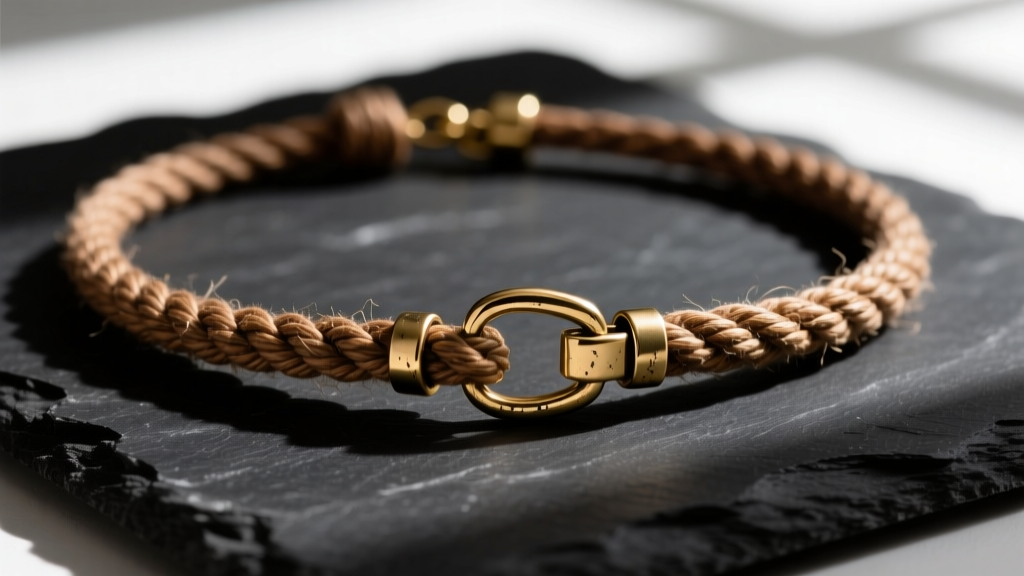
The Material Science of Hemp Bast Fibers
When designing or purchasing a hemp cord necklace, understanding the underlying material science is critical for ensuring longevity and structural integrity. Hemp jewelry cord is derived from the bast fibers of the Cannabis sativa plant stalk. Unlike cotton, which is a seed hair, hemp is a bast fiber, meaning it is extracted from the inner bark of the plant's stem. This structural origin gives hemp its remarkable tensile strength and distinct hygroscopic properties.
Chemically, high-quality hemp cord is composed of approximately 70-75% cellulose, 10-15% hemicellulose, and 5-10% lignin. The lignin acts as a natural structural binder, giving unwaxed hemp its characteristic rigidity and earthy scent. However, lignin is also highly susceptible to ultraviolet (UV) degradation. According to conservation guidelines published by the Canadian Conservation Institute, prolonged UV exposure breaks down lignin networks in organic fibers, leading to embrittlement. This is why expert jewelers often recommend waxed hemp or UV-protectant coatings for pieces intended for daily outdoor wear.
Dew-Retted vs. Water-Retted Processing
The color and texture of your hemp cord necklace depend heavily on the retting process used to separate the fibers from the woody core:
- Dew-Retted Hemp: Left in the field to break down via natural fungi and bacteria. This process retains more lignin, resulting in a darker, greyish-brown cord with a rustic, slightly coarse texture.
- Water-Retted Hemp: Soaked in water to accelerate bacterial breakdown. This yields a lighter, golden-blonde cord that is significantly softer and more pliable, making it the superior choice for intricate micro-macrame work.
Tensile Strength and Ply Architecture
Selecting the correct diameter and ply for a hemp cord necklace is not merely an aesthetic choice; it is a structural necessity. Hemp fibers are uniquely hydrophilic—they actually gain up to 20% of their tensile strength when wet, unlike cotton or silk which weaken. However, the cord's overall breaking point depends on its ply architecture (how many individual yarns are twisted together).
| Cord Diameter | Avg. Tensile Strength | Ply Architecture | Best Application |
|---|---|---|---|
| 0.5mm | 15 - 20 lbs | 2-3 ply, tightly spun | Micro-macrame, lightweight gemstone wrapping |
| 1.0mm | 40 - 50 lbs | 4-6 ply, medium twist | Standard knotting, medium pendants, sliding closures |
| 1.5mm - 2.0mm | 80 - 100+ lbs | 8+ ply, braided or twisted | Heavy metal pendants, statement chokers, leather-look alternatives |
For most standard pendant pairings, a 1.0mm 4-ply cord offers the optimal balance between knot-holding friction and drape. Suppliers like Fire Mountain Gems provide detailed tensile specifications for their natural fiber lines, which is essential data for custom jewelry designers calculating load-bearing limits for heavy stone pendants.
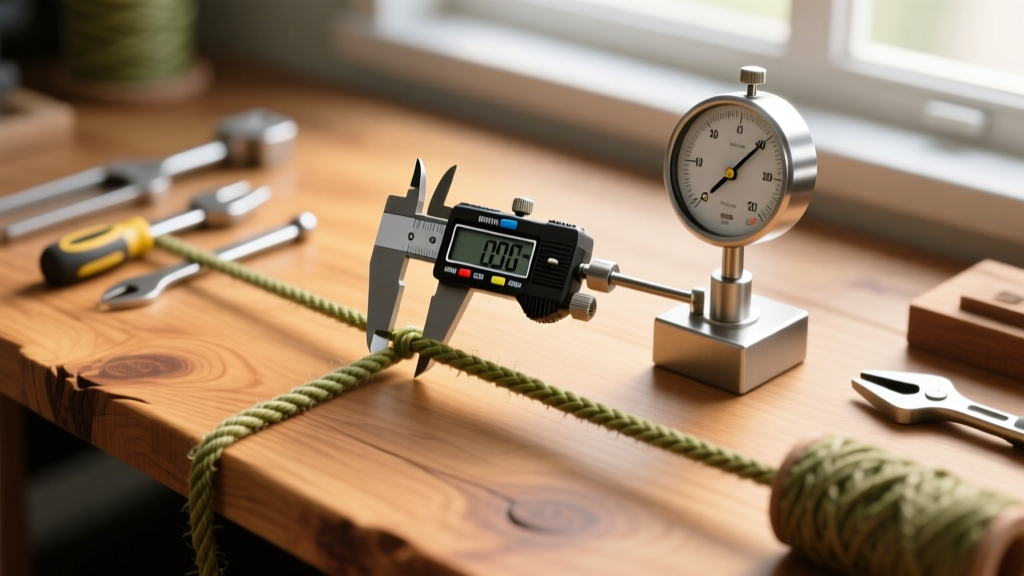
Waxed vs. Unwaxed: Friction and Knot Security
The presence or absence of a wax coating fundamentally alters how a hemp cord necklace behaves during the knotting process and throughout its lifespan. Unwaxed hemp has a high coefficient of friction, meaning knots like the square knot or half-hitch will lock into place aggressively. However, unwaxed fibers are prone to fraying at the cut ends and can absorb skin oils and environmental moisture, leading to localized swelling and eventual rot.
Waxed hemp cord is typically treated with beeswax or a synthetic microcrystalline wax. The wax serves three vital engineering purposes:
- Fiber Binding: It glues the microscopic bast fibers together, eliminating fraying and allowing the cord to pass through small bead holes (such as 1mm glass seed beads) without snagging.
- Moisture Sealing: It creates a hydrophobic barrier that prevents sweat and ambient humidity from penetrating the cellulose core.
- Knot Setting: When friction is applied (such as pulling a macrame knot tight), the wax slightly melts and then cools, effectively 'locking' the knot in place.
Expert Tip: If you are using beeswax-coated hemp, avoid storing the necklace in high-heat environments (like a car dashboard in summer). Beeswax has a low melting point of roughly 62°C (144°F) and can melt, transferring onto clothing or attracting dust and lint to the cord.
Hardware Integration and Failure Modes
The most common point of catastrophic failure in a hemp cord necklace is the junction where the organic fiber meets the metal hardware. Traditional jewelry making often relies on crimp tubes to secure cords to clasps. However, crimping is highly discouraged for hemp.
The Hygroscopic Expansion Problem
Hemp is highly hygroscopic, meaning it expands and contracts with changes in ambient humidity. A metal crimp tube (whether base metal or sterling silver) is static. When the hemp absorbs moisture and swells, it compresses against the rigid metal. As it dries and contracts, a microscopic gap forms inside the crimp. Over a few months of humidity cycling, the crimp will inevitably slip, resulting in a lost pendant or broken necklace.
Expert Hardware Solutions
To mitigate abrasion and slippage, master jewelers utilize specific findings designed for organic cords, as detailed in technical catalogs from Rio Grande:
- Wire Guardians (French Wire): A horseshoe-shaped metal finding that protects the hemp cord from the abrasive sawing action of a metal jump ring or clasp.
- Clamshell Knot Covers: The cord is passed through the hole of a metal clamshell, and a bulky overhand knot is tied. The clamshell is then closed over the knot, hiding it and providing a metal loop for the clasp. This relies on the knot's bulk rather than metal compression.
- Macrame Sliding Closures: The most structurally sound method. By using a square knot over the two parallel ends of the necklace, you create an adjustable, metal-free closure that eliminates the need for a metal clasp entirely.
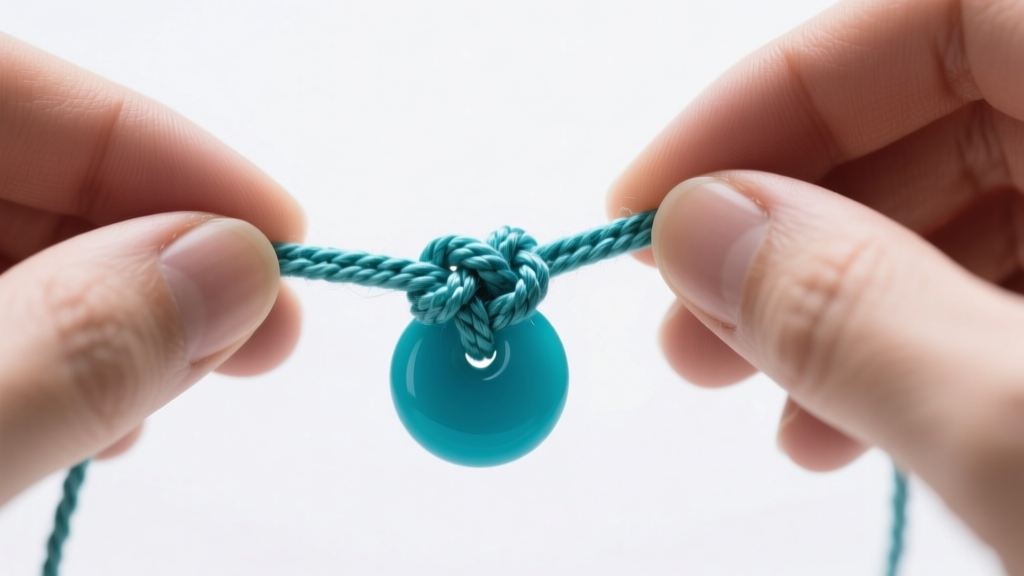
Pendant Pairing and Weight Distribution
When styling a hemp cord necklace, the weight and bail size of the pendant must dictate the cord's thickness and knotting technique. A heavy bronze or solid silver pendant with a narrow bail will act as a point-load stressor on a thin hemp cord, eventually cutting through the fibers due to friction and gravity.
For pendants weighing over 30 grams, utilize a 1.5mm to 2.0mm braided hemp cord. Furthermore, incorporate a 'Lark's Head' knot directly through the pendant's bail. This knot distributes the weight evenly across two columns of the cord and creates a padded buffer of organic fiber between the pendant metal and the main load-bearing neck cord, drastically reducing localized wear.
Maintenance and Longevity Protocols
Proper maintenance of a hemp cord necklace requires an understanding of organic fiber conservation. Never use ultrasonic cleaners or harsh chemical silver dips on a necklace that features hemp, as the alkaline or acidic solutions will rapidly degrade the cellulose structure.
To clean the cord, use a soft-bristled brush and a dilute solution of pH-neutral castile soap and distilled water. Gently agitate the surface, rinse with a damp cloth, and allow it to air dry completely in a low-humidity environment. To restore the water-resistant barrier and revive the color of aged hemp, apply a microscopic layer of Renaissance Wax (a microcrystalline wax used by museum conservators) using a soft lint-free cloth. This will protect the lignin from UV damage and keep the necklace structurally sound for decades.


