2026 Gift Guide: Choosing a Double Strand Pearl Necklace
Discover how to select, style, and gift the perfect double strand pearl necklace in 2026. Expert tips on pearl grades, lengths, and occasion matching.

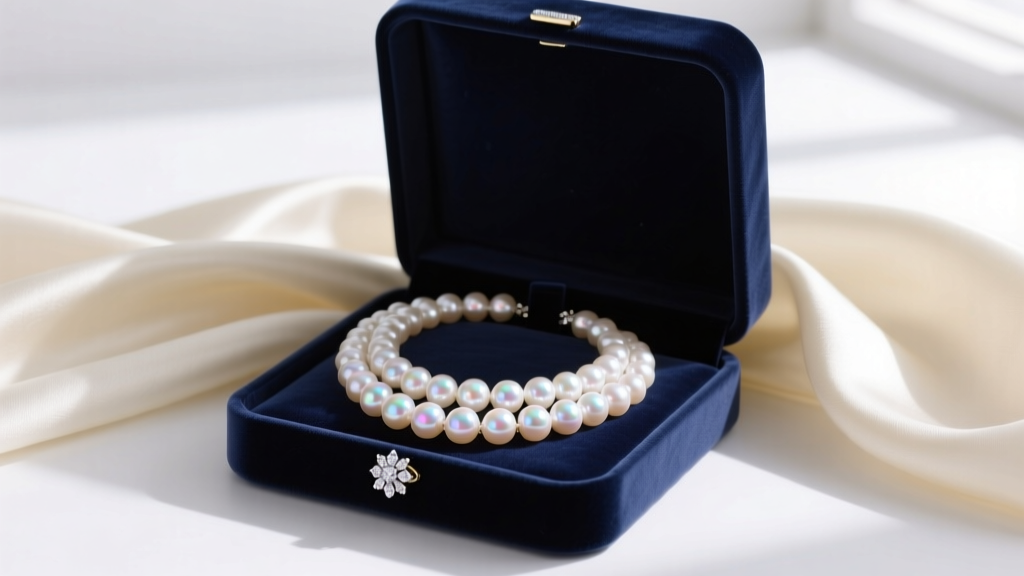
Gifting fine jewelry is an exercise in emotional translation. You are not merely purchasing an accessory; you are curating a legacy piece that communicates depth, respect, and enduring affection. In 2026, as minimalist trends give way to layered, heritage-inspired elegance, the double strand pearl necklace has reclaimed its position as the ultimate milestone gift. However, selecting the right piece requires navigating a complex matrix of pearl grades, structural engineering, and proportion. This comprehensive guide will equip you with the gemological expertise needed to choose a double strand pearl necklace that is both structurally sound and emotionally resonant.
The Engineering of a Double Strand Pearl Necklace
Before evaluating the pearls themselves, one must understand the architectural requirements of a double strand design. A common failure point in mass-produced jewelry is the 'matched length' error. If both strands are cut to the exact same length, they will constantly rub against one another. This friction accelerates nacre degradation, causes micro-chipping around the drill holes, and prematurely stretches the silk thread.
A master-strung double strand pearl necklace requires a precise length differential. The inner strand must be exactly 1.25 to 1.5 inches shorter than the outer strand. This graduated drop ensures the strands lay parallel without touching, preserving the luster of the nacre and the integrity of the silk. Furthermore, every single pearl must be individually knotted using size FF or G silk thread, treated with a mild gelatin sizing to prevent fraying and to ensure the knots remain tight against the pearl's drill hole.
Navigating Pearl Types and Grading Systems
The value and visual impact of your gift will be dictated by the pearl variety. According to the Gemological Institute of America (GIA), luster and nacre thickness are the paramount value factors for saltwater pearls. Here is how the primary varieties compare in a double strand configuration:
Freshwater Pearls: The Accessible Entry Point
Modern Edison and baroque freshwater pearls have improved dramatically, but standard round freshwater strands often lack the sharp, mirror-like luster of their saltwater counterparts. A double strand freshwater necklace typically ranges from $300 to $800. It is an excellent gift for early-career milestones or as a stylish, everyday layering piece, but it lacks the heirloom gravity of saltwater varieties.
Akoya Pearls: The Classic Standard
When most people envision a traditional pearl necklace, they are picturing Akoya pearls. Known for their sharp, metallic luster and perfectly round shapes, Akoya pearls are the gold standard for double strand necklaces. When gifting Akoya, look for the Hanadama certification. This Japanese designation guarantees a minimum nacre thickness of 0.4mm and exceptional luster. Expect to invest between $1,500 and $5,000 for a high-quality double strand Akoya piece.
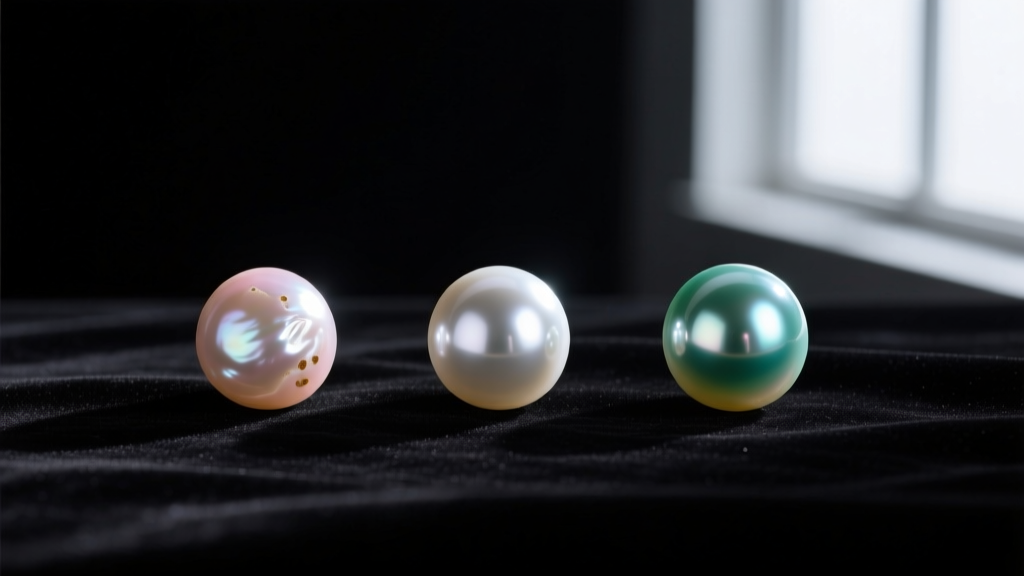
South Sea Pearls: The Ultimate Luxury
For monumental occasions, white or golden South Sea pearls offer unparalleled prestige. Ranging from 10mm to 15mm in diameter, a double strand South Sea necklace is a heavy, opulent statement piece. Due to the sheer volume of large, matched pearls required for two strands, prices typically start at $12,000 and can easily exceed $50,000 for gem-quality specimens.
The Sizing Matrix: Matching Proportions to the Recipient
Pearl size dramatically alters the formality and visual weight of the necklace. Use the following matrix to match the pearl diameter to the recipient's personal style and age profile.
| Pearl Size (mm) | Visual Profile & Vibe | Inner Strand Length | Outer Strand Length | Ideal Recipient |
|---|---|---|---|---|
| 5.0 - 6.0mm | Delicate, vintage, subtle | 16 inches | 17.5 inches | Young professionals, petite frames |
| 7.0 - 8.0mm | Classic, versatile, elegant | 17 inches | 18.5 inches | Timeless style lovers, milestone anniversaries |
| 9.0 - 10.0mm | Opulent, commanding, formal | 18 inches | 20 inches | Executives, major milestone birthdays (50th/60th) |
Hardware: The Hidden Failure Points
A double strand of 7.5mm Akoya pearls weighs approximately 40 to 50 grams. This significant weight will quickly destroy flimsy hardware. Avoid spring-ring or standard lobster clasps at all costs; they are prone to snapping under the dynamic tension of a double strand.
Insist on a tongue-and-groove clasp crafted from solid 14k or 18k gold. Vermeil (gold-plated silver) will eventually wear away from the friction of the clasp mechanism. Crucially, the clasp must feature a double figure-8 safety catch. This secondary wire mechanism ensures that if the primary tongue slips or the hinge fails, the necklace remains secured around the neck, preventing a catastrophic loss of pearls.
Occasion Matching: When to Gift a Double Strand
The double strand pearl necklace carries specific cultural and emotional weight. It is rarely a casual gift. Here is how to align the piece with the occasion:
- The 30th or 40th Wedding Anniversary: Opt for a double strand of 7.5mm to 8.5mm Hanadama Akoya pearls. The dual strands symbolize two lives intertwined, making it deeply romantic.
- Major Career Milestones or Board Appointments: A 9.0mm South Sea double strand projects authority, sophistication, and established success. It pairs flawlessly with the sharp lapels of tailored suits and structured silk blouses.
- Generational Heirlooms (Graduations, Weddings): If the goal is to create a piece that will be passed down to a daughter or granddaughter, prioritize nacre thickness over sheer size. A smaller, 6.5mm strand with thick nacre will outlast a larger, thinly coated pearl that may peel over decades of wear.

Long-Term Care and Maintenance
Gifting a pearl necklace also means gifting a maintenance routine. The American Gem Society (AGS) emphasizes that pearls are organic gems highly susceptible to acids, perfumes, and desiccation. Advise your recipient to follow the 'last on, first off' rule: pearls should be the final item put on after cosmetics and perfumes have dried, and the first item removed upon returning home.
Furthermore, because the weight of a double strand puts extra stress on the silk thread, the necklace should be professionally restrung every 24 to 36 months if worn weekly. By providing a care card and perhaps pre-paying for the first restringing service at a local master jeweler, you elevate your gift from a mere object to a comprehensive, lifelong experience.


