The Dr Beach Gem Necklace Trend: 2026 Coastal Style Guide
Discover the 2026 dr beach gem necklace trend. Explore coastal geology jewelry, raw larimar, ocean jasper, and saltwater-resistant metal pairings.

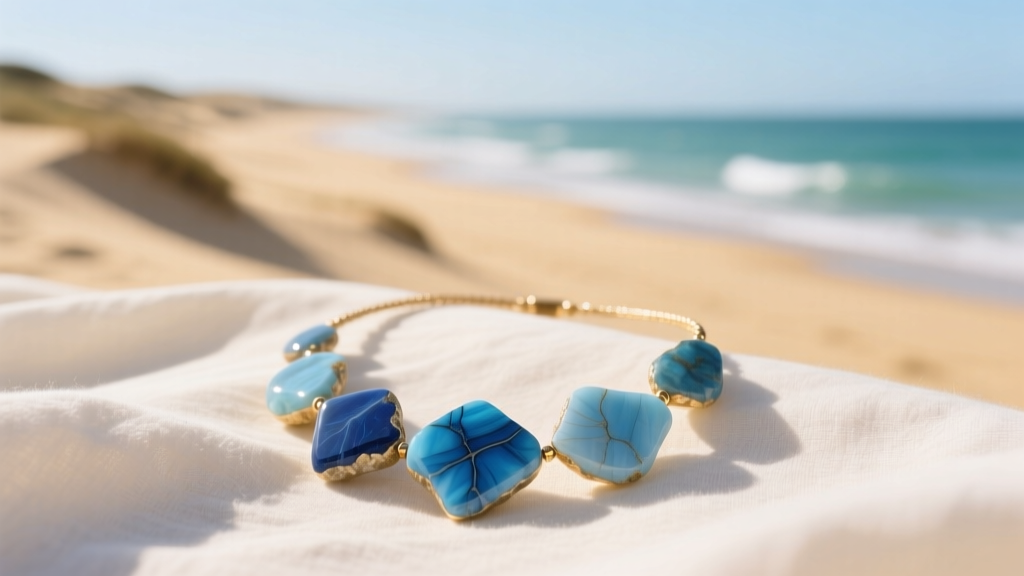
The coastal jewelry market has undergone a radical transformation as we move through 2026. Gone are the days of mass-produced, fragile shell pendants and generic turquoise beads. Today’s discerning collectors and resort-wear enthusiasts are gravitating toward a much more grounded, scientifically inspired aesthetic: the dr beach gem necklace trend. Named as an homage to coastal geologists and marine scientists who appreciate the raw, unrefined beauty of shoreline mineralogy, this style prioritizes geologically authentic, uncut stones that tell a story of tectonic and oceanic history. This comprehensive guide breaks down the exact mineral compositions, saltwater-resistant metal pairings, and layering frameworks you need to master this sophisticated coastal aesthetic.
The Geology of Coastal Chic: Defining the Core Stones
To truly understand the dr beach gem necklace phenomenon, one must look past traditional faceted gemstones and embrace the raw, unpolished minerals that are actually found in coastal and marine environments. The 2026 trend relies heavily on three specific geological marvels, each offering unique visual textures and structural properties.
First is Larimar, a rare blue variety of pectolite found exclusively in the Dominican Republic. With a Mohs hardness of 4.5 to 5, it is relatively soft, meaning it is almost always cut into smooth cabochons or left in raw, tumbled chunks to preserve its striking white and azure marbling. According to the GIA Gem Encyclopedia, authentic Larimar exhibits a unique photomicrographic structure that cannot be perfectly replicated by dyed howlite or synthetic resins. Its coloration is caused by copper inclusions, giving it an organic, cloud-like depth.
Second is Ocean Jasper, an orbicular jasper sourced primarily from the intertidal zones of Madagascar. Rated at a 7 on the Mohs scale, it is significantly more durable for daily beachwear. Its spherical, ripple-like inclusions mimic the look of tide pools and ocean currents, making it a cornerstone of the coastal geology trend. Because it is often found in the ocean, it naturally pairs with the nautical ethos of the style.
Finally, Raw Aquamarine (a beryl variant, Mohs 7.5-8) is being utilized in its natural, hexagonal crystal habit rather than being faceted. When set in matte-finished bezels, these raw crystals catch the light much like sunlight piercing through shallow coastal waters, providing an ethereal, icy blue focal point.
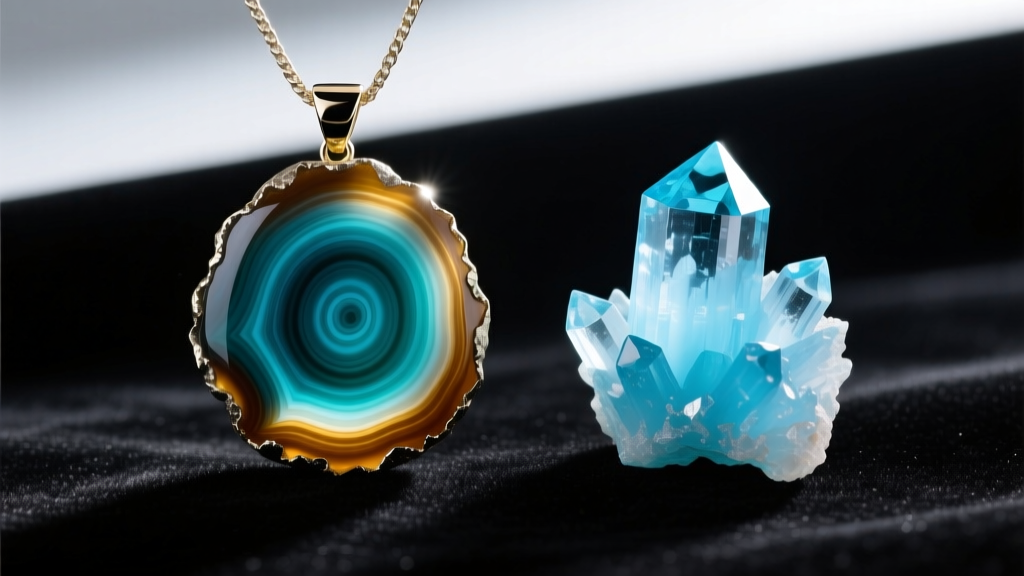
Saltwater Survival: Metal Alloys and Hardware
A genuine dr beach gem necklace is designed to be worn in the environments that inspired it. However, saltwater is highly corrosive and will rapidly degrade standard jewelry hardware through galvanic corrosion and oxidation. The trend in 2026 demands marine-grade metallurgy to ensure longevity.
Standard sterling silver (925) contains 7.5% copper, which oxidizes and turns black when exposed to salt spray and high humidity. Instead, top-tier coastal jewelers are utilizing Argentium silver (935), which replaces some of the copper with germanium, creating a highly tarnish-resistant surface that requires minimal polishing. For those who spend hours in the ocean, Grade 2 Titanium and 316L Marine Stainless Steel have become the gold standard for chain links and clasp mechanisms due to their complete immunity to saltwater corrosion.
| Metal Alloy | Saltwater Resistance | Mohs / Tensile Profile | Avg. Price Per Gram | Best Use Case |
|---|---|---|---|---|
| Grade 2 Titanium | Exceptional (Immune) | 6 Mohs / High Tensile | $0.50 - $1.20 | Heavy chain links, secure clasps |
| 316L Marine Steel | Excellent | 5.5 Mohs / Very High | $0.10 - $0.30 | Everyday beachwear chains |
| Argentium Silver (935) | Good (Tarnish-Resistant) | 2.5 Mohs / Malleable | $1.50 - $2.50 | Intricate bezel settings |
| 14k Solid Yellow Gold | Very Good | 3-4 Mohs / Durable | $45.00 - $55.00 | Heirloom pendants, luxury layers |
Layering Frameworks for the Coastal Wardrobe
The visual weight of raw, unpolished gems requires a strategic approach to layering. The dr beach gem necklace is rarely worn in isolation; it is typically the anchor piece in a three-tier layering system designed to mimic the organic, uneven lines of a shoreline. Proper proportion is critical to avoid a cluttered neckline.
- Tier 1 (14-16 inches): A delicate, 1.2mm marine-grade titanium or solid 14k gold chain featuring a single, small sea-glass bead or a 3mm raw diamond chip. This sits at the collarbone and provides a subtle glint without competing with the main pendant.
- Tier 2 (18-20 inches): The mid-layer acts as a visual bridge. A 1.5mm rope chain holding a horizontal bar of brushed Ocean Jasper or a small, sand-cast gold tube keeps the eye moving downward.
- Tier 3 (24-28 inches): This is where the primary dr beach gem necklace rests. A heavier 2.5mm to 3mm cable chain supports the substantial weight of a raw Larimar pendant or a large, uncut Aquamarine crystal, allowing it to rest perfectly over a V-neck linen shirt or a deep-scoop swimsuit.
When selecting clasps for beachwear, avoid standard spring rings, which easily fail when caught on linen shirts or swimwear straps. Opt for neodymium magnetic clasps encased in silicone, or heavy-duty lobster clasps with a reinforced soldered jump ring to prevent accidental loss in the surf.
Authentication and Market Pricing in 2026
As the popularity of coastal geology jewelry surges, the market has been flooded with synthetic alternatives. Distinguishing a genuine dr beach gem necklace from a mass-produced imitation requires a keen eye and an understanding of market economics. Jewelry Wise frequently warns consumers about the prevalence of treated stones in tourist-heavy coastal markets.
Dyed howlite is the most common Larimar imitator. While howlite can be dyed a convincing blue, the dye tends to pool in the natural cracks of the stone, creating sharp, spider-web-like veins. Genuine Larimar features soft, cloud-like transitions between white and blue, caused by calcium and strontium inclusions. If the blue looks artificially uniform or the white veins have dark, concentrated edges, it is likely dyed.
Similarly, tumbled glass from modern bottles is often sold as vintage sea glass. Authentic sea glass, tumbled by ocean currents for decades, exhibits a distinct 'C' shaped frost pattern on its surface under magnification, whereas chemically etched faux sea glass has a uniform, powdery texture. Resources like Mindat.org provide excellent visual databases for comparing raw mineral structures against common simulants, helping buyers verify the geological authenticity of their purchases.
In terms of pricing, expect to pay between $85 and $150 for a high-quality, silver-set Ocean Jasper pendant. Authentic, high-grade Larimar with deep, vivid blue coloring (often graded 'Volcanic Blue') set in 14k solid gold will typically range from $350 to $800, depending on the carat weight and clarity of the raw stone. Beware of 'bargain' raw aquamarine; true uncut beryl crystals of gem quality command a premium, while cloudy, heavily included specimens are often sold at inflated prices to uninformed tourists.
Final Thoughts on Coastal Elegance
The dr beach gem necklace trend represents a mature, sophisticated evolution of resort jewelry. By prioritizing geological authenticity, marine-grade metals, and deliberate layering techniques, this aesthetic offers a timeless connection to the natural world. Whether you are navigating a coastal boardwalk or a city streetscape, raw coastal minerals provide an organic elegance that polished, traditional gemstones simply cannot replicate. As 2026 progresses, expect to see even more obscure coastal minerals, such as raw blue lace agate and unpolished fossilized coral, entering the mainstream luxury market.


