Daddy Daughter Necklace Guide: Metals, Chains & Heirloom Quality
Discover how to choose a high-quality daddy daughter necklace. Expert guide on metal grades, chain mechanics, and pendant engineering for heirloom pieces.

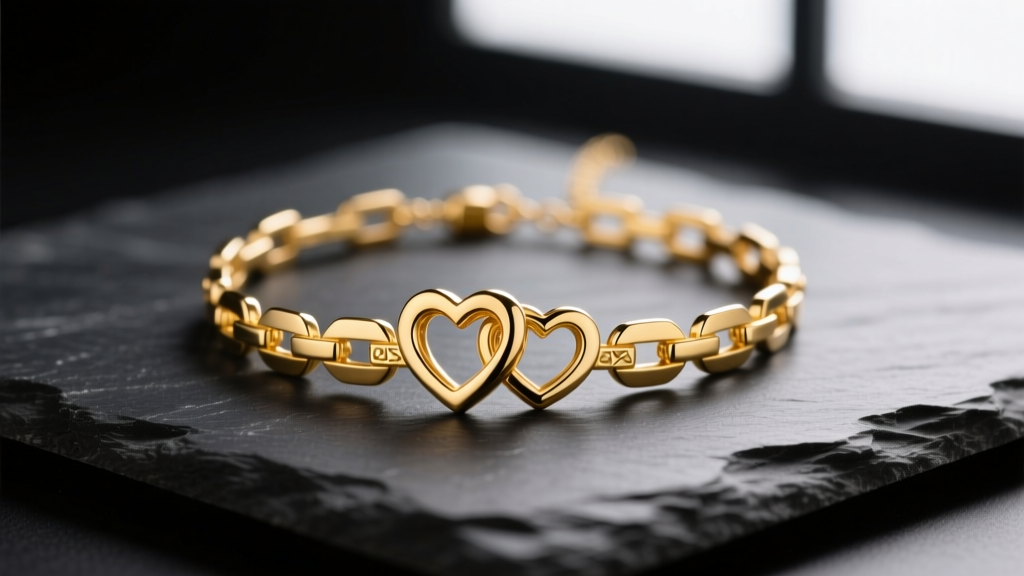
The market for sentimental jewelry is heavily saturated with mass-produced, low-quality novelty items. When searching for a meaningful daddy daughter necklace, most consumers are funneled toward cheap zinc alloys, brass bases with microscopic gold plating, and fragile chain links that snap within weeks. As a jewelry technical specialist, I advocate for a completely different approach: treating sentimental jewelry with the same metallurgical and structural rigor as fine bridal or investment pieces. A true heirloom must survive decades of daily wear, environmental exposure, and eventual generational hand-offs.
This expert guide bypasses the marketing fluff and dives deep into the material science, chain mechanics, and engineering specifications required to select or commission a high-quality daddy daughter necklace that will actually last a lifetime.
Metallurgical Breakdown: Choosing the Right Alloy
The foundation of any enduring necklace is its base metal. Sentimental pendants are frequently subjected to sweat, cosmetics, and friction. According to the Federal Trade Commission Jewelry Guides, metal purity must be accurately stamped, but understanding how those alloys behave under stress is critical for longevity.
Solid Gold: 14k vs. 18k
While 18k gold (75% pure gold) offers a richer, warmer color, it is inherently softer and more prone to micro-scratching and deformation. For a piece meant to be worn daily by an active child, teenager, or adult, 14k solid gold (58.5% pure gold) is the superior technical choice. The remaining 41.5% consists of alloy metals like copper, silver, and zinc, which dramatically increase the tensile strength and scratch resistance of the piece. The Gemological Institute of America (GIA) notes that 14k gold provides the optimal balance between precious metal value and structural durability for everyday chains and pendants.
Platinum 950: The Ultimate Heirloom Standard
If budget permits, Platinum 950 (95% pure platinum, usually alloyed with 5% ruthenium or iridium) is the undisputed king of heirloom jewelry. Unlike white gold, which requires periodic rhodium plating to maintain its bright white appearance, platinum is naturally white and hypoallergenic. Furthermore, when platinum scratches, the metal is merely displaced rather than lost, developing a desirable patina over time rather than degrading.
| Metal Grade | Composition | Vickers Hardness (HV) | Tarnish Resistance | Best Use Case |
|---|---|---|---|---|
| 14k Yellow Gold | 58.5% Au, Ag, Cu, Zn | ~135 HV | High | Everyday wear, active teens |
| 18k Yellow Gold | 75% Au, Ag, Cu | ~115 HV | High | Occasional wear, adult recipients |
| Platinum 950 | 95% Pt, 5% Ru/Ir | ~130 HV (Work hardens) | Absolute | Multi-generational heirlooms |
| Sterling Silver 925 | 92.5% Ag, 7.5% Cu | ~65 HV | Low (Oxidizes) | Budget-friendly, requires upkeep |
Chain Mechanics and Link Physics
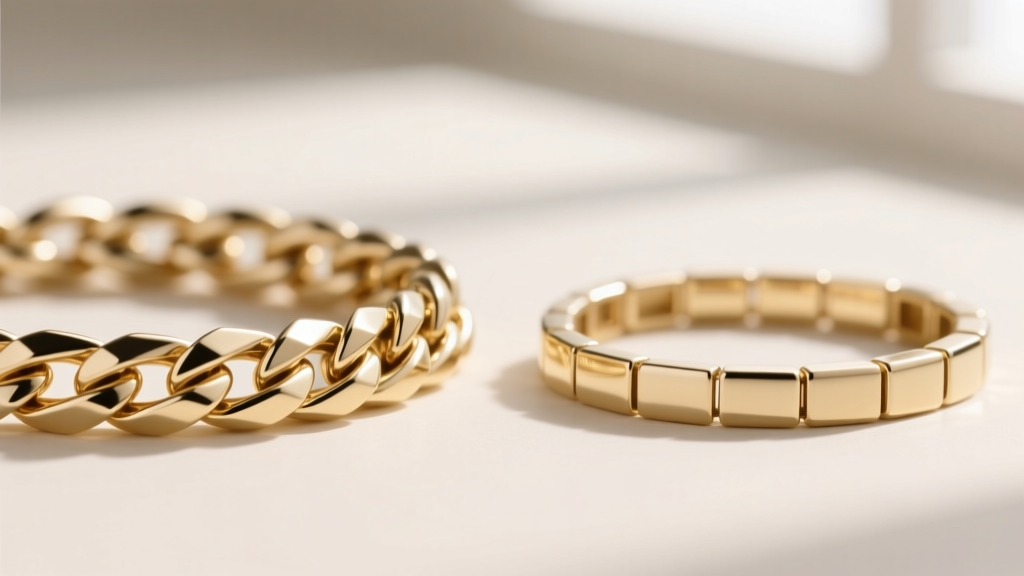
The pendant is only as secure as the chain holding it. Many novelty necklaces utilize ultra-thin (0.8mm or less) cable or box chains that are highly susceptible to kinking and tensile failure. For a reliable daddy daughter necklace, you must evaluate the chain's structural geometry.
Optimal Chain Styles for Durability
- Wheat Chains (Spiga): Constructed from interlocking oval links woven in the same direction, wheat chains offer exceptional tensile strength. Their smooth, rounded profile prevents hair-snagging and resists kinking, making them the top recommendation for younger wearers.
- Rope Chains: Created by twisting links together, rope chains are highly durable and reflect light beautifully. However, ensure the links are soldered (closed) rather than hollow, as hollow rope chains will crush irreparably if bent.
- Box Chains: While aesthetically pleasing and geometric, box chains are composed of square links that are notoriously prone to kinking. If a box chain is bent, the square links lock together and weaken. Avoid these for active wearers.
Thickness and Gauge Specifications
For a pendant weighing between 2 and 5 grams, the chain should have a minimum thickness of 1.2mm to 1.5mm. Anything thinner compromises the structural integrity of the link welds. For heavier, solid gold or platinum pendants exceeding 6 grams, step up to a 1.8mm to 2.2mm chain to prevent stress fatigue at the bail.
Clasp Engineering: Preventing Catastrophic Failure
'The clasp is the single most common point of failure in any necklace assembly. Upgrading the clasp is the most cost-effective way to secure an expensive pendant.' — Master Bench Jeweler Protocol
Most commercial necklaces are fitted with standard spring ring clasps. These feature a tiny, weak internal spring and a thin casting that easily deforms when pulled. For an heirloom piece, demand a solid lobster clasp. Lobster clasps feature a larger, more robust internal spring mechanism and a thicker, self-closing arm that prevents accidental unhooking. For platinum or heavy 14k gold chains, consider a specialized locking lobster clasp or a hidden box clasp with a figure-eight safety latch for redundant security.
Pendant Construction and Bail Types
The bail—the loop that connects the pendant to the chain—experiences the highest concentration of friction and kinetic stress.
Standard vs. Hidden Bails
A standard visible bail is soldered directly to the top of the pendant. Ensure the solder joint is flowed completely through the seam, not just surface-tacked. Alternatively, a hidden bail is integrated into the back of the pendant design, allowing the pendant to sit flush against the skin while the chain threads through a reinforced, hollowed-out channel. Hidden bails distribute the weight of the chain more evenly across the pendant's upper mass, reducing the risk of the bail snapping off under sudden tension.
Engraving Techniques: Laser vs. Rotary
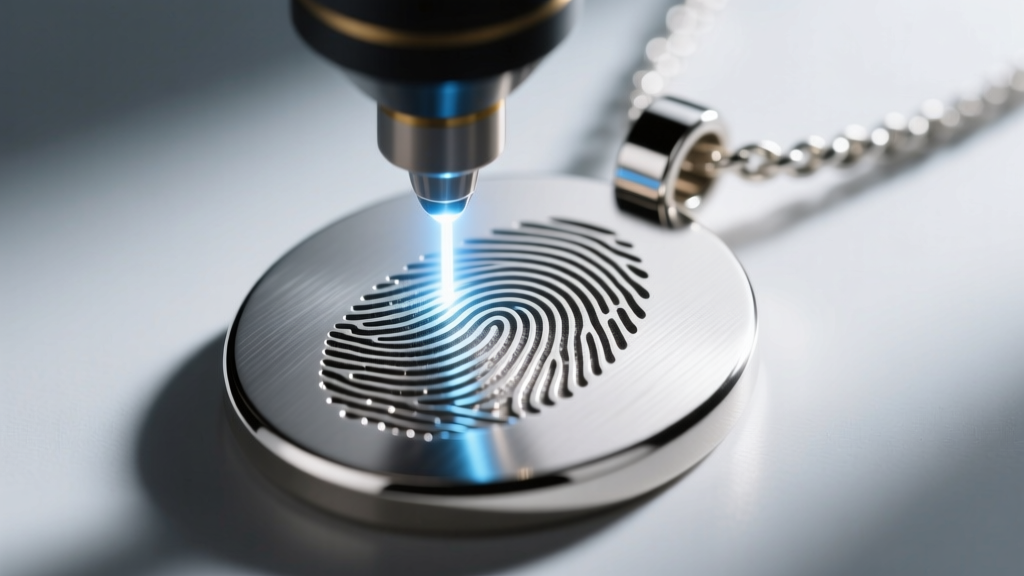
Personalization is the core appeal of a daddy daughter necklace, but the method of engraving dictates its permanence. Traditional rotary (diamond drag) engraving physically scratches the metal, which can weaken thin pendants and result in shallow, easily worn-away text over decades of friction.
Instead, seek out fiber laser engraving. Fiber lasers operate at a 1064nm wavelength, which vaporizes the metal at a microscopic level without causing structural stress or warping to the surrounding alloy. This allows for hyper-detailed personalization, such as exact replica fingerprints, handwriting, or high-contrast QR codes, penetrating deep enough to survive generations of polishing and wear. When engraving platinum or white gold, the laser creates a naturally dark, oxidized contrast that requires no additional ink fills.
Final Verification Checklist
Before finalizing your purchase or commission, verify the following technical specifications with the jeweler:
- Confirm the metal is solid (14k/18k/Plat) and stamped with a recognized maker's mark and purity hallmark.
- Ensure the chain is solid-core (not hollow) and measures at least 1.2mm in diameter.
- Verify the clasp is a solid-cast lobster mechanism, not a stamped sheet-metal spring ring.
- Request fiber laser engraving for any personalized text or biometric data to ensure permanent legibility.
By prioritizing metallurgical integrity and mechanical engineering over fleeting novelty trends, you ensure that the necklace becomes a true, enduring artifact of the bond between father and daughter, capable of being passed down as a flawless heirloom.