How to Style and Authenticate a Premium Dragon Ball Necklace
Learn how to style, layer, and authenticate a premium Dragon Ball necklace. Discover chain types, metal grades, and streetwear pairing tips.
The Evolution of Anime Jewelry: Beyond Cheap Alloys
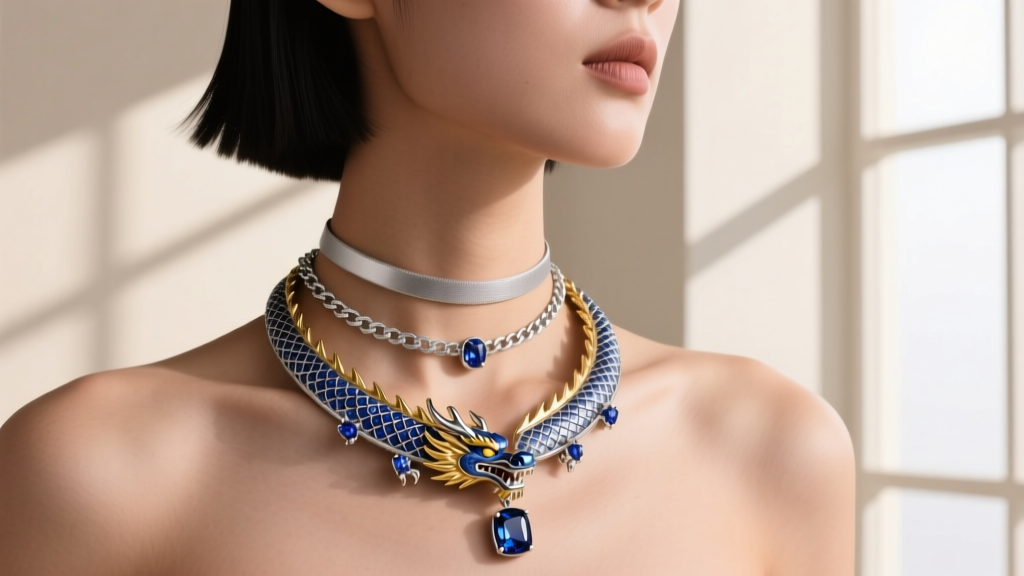
The landscape of anime-inspired fashion has undergone a massive transformation. Gone are the days when a Dragon Ball necklace was synonymous with brittle plastic beads or cheap, skin-discoloring zinc alloys found on convention floors. Today, high-end streetwear and fine jewelry artisans are crafting premium, metallurgically sound pieces that honor the legacy of the franchise while serving as legitimate luxury accessories. Whether you are hunting for a subtle Shenron silhouette or a bold, gem-encrusted 4-star dragon ball medallion, understanding the material science and styling mechanics behind these pieces is crucial for making a worthwhile investment.
In this comprehensive guide, we will break down exactly how to evaluate metal grades, select the appropriate chain mechanics for heavy pendants, and master the art of layering anime jewelry without crossing into cosplay territory.
Step 1: Decoding Metal Grades and Enamel Quality
The defining factor between a $20 novelty item and a $200 heirloom piece lies in the base metal and the coloring technique. When shopping for a premium Dragon Ball necklace, you must scrutinize the metallurgical composition and the type of enamel used to create the iconic orange and red colorways.
The Base Metals
Always look for a 925 stamp, which indicates sterling silver (92.5% pure silver and 7.5% copper for tensile strength). According to the Gemological Institute of America (GIA), sterling silver is the standard for durable, high-quality fashion jewelry. If you prefer gold, ensure the piece is labeled as gold vermeil, not just gold-plated. By FTC guidelines, vermeil must have a sterling silver base coated with at least 2.5 microns of 10k or higher gold. Standard gold-plated brass will eventually wear through, exposing the reactive brass underneath, which will turn your skin green.
Enamel Techniques: Cold vs. Vitreous
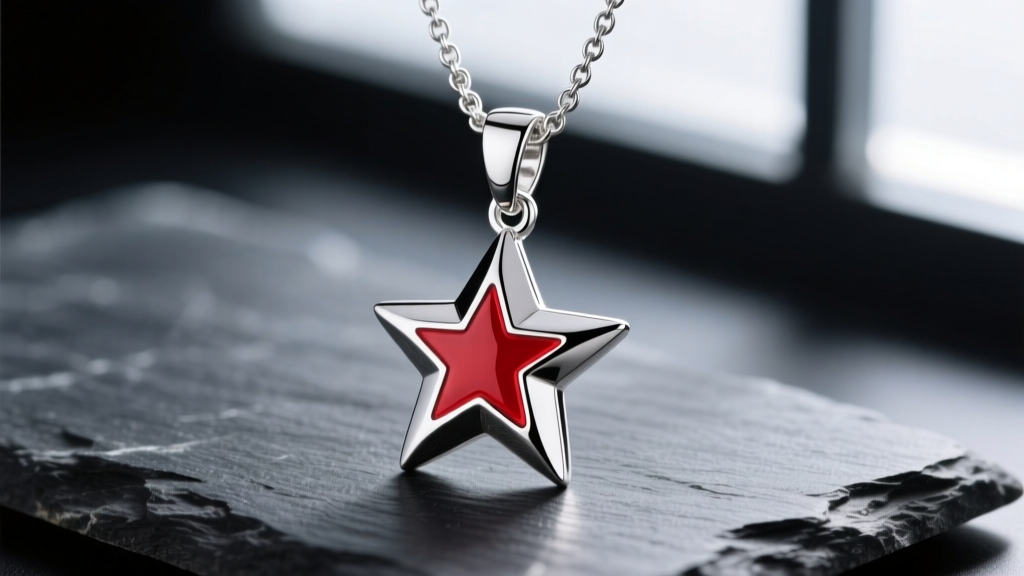
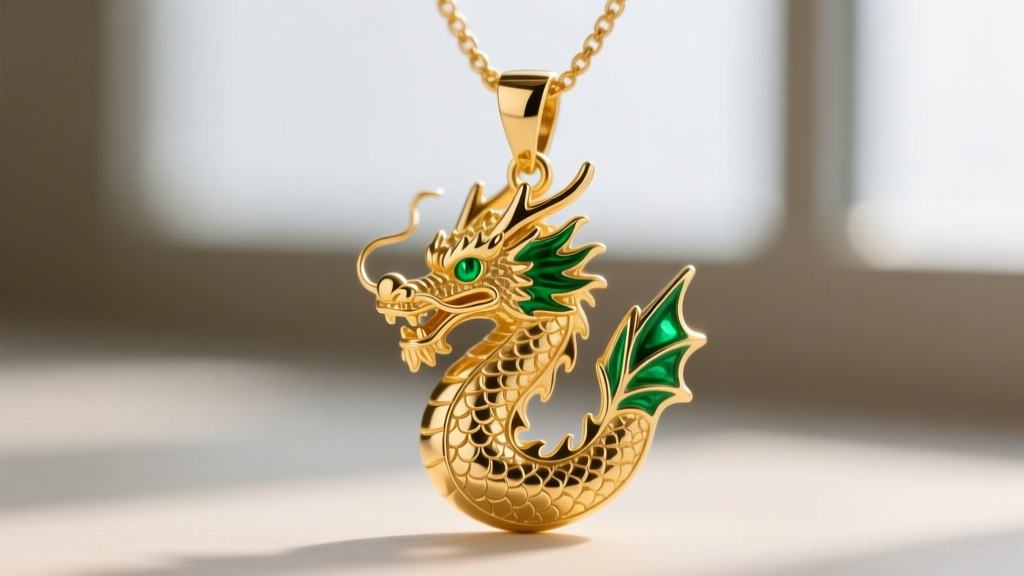
The stars on a dragon ball pendant or the scales on a Shenron pendant are typically filled with enamel. Cold enamel (epoxy resin) is poured by hand and cured at room temperature; it is softer and prone to micro-scratches. Vitreous (hard) enamel is made from finely ground glass powder fired at over 1,400 degrees Fahrenheit. Vitreous enamel is incredibly durable, scratch-resistant, and possesses a luminous, glass-like depth that cold enamel simply cannot replicate.
Material & Pricing Matrix
| Material Tier | Base Metal | Coloring Technique | Price Range | Durability & Notes |
|---|---|---|---|---|
| Entry-Level | Zinc Alloy / Brass | Epoxy Resin / Paint | $15 - $35 | Low. Prone to tarnishing, chipping, and skin discoloration. |
| Mid-Tier Artisan | 925 Sterling Silver | Cold Enamel (Resin) | $65 - $140 | Medium-High. Requires occasional polishing; resin may dull over years. |
| Premium Streetwear | 14k/18k Gold Vermeil | Vitreous (Hard) Enamel | $150 - $300 | High. Excellent color depth, durable finish, premium weight. |
| Bespoke Fine Jewelry | Solid 14k/18k Gold | Precious Gemstones (e.g., Carnelian, Moissanite) | $800 - $2,500+ | Lifetime. Heirloom quality, no enamel to chip, intrinsic metal value. |
Step 2: Selecting the Right Chain for Your Aesthetic
A common mistake buyers make is pairing a heavy, 40-millimeter solid silver Goku medallion with a flimsy 1-millimeter chain. This not only looks visually unbalanced but creates a high risk of the chain snapping under the pendant's kinetic weight. The chain you choose dictates the entire vibe of your Dragon Ball necklace.
- The Cuban Link (5mm - 8mm): The undisputed king of streetwear. A thick, interlocking Cuban link chain provides the necessary tensile strength for oversized, heavy medallions. It projects a bold, hip-hop-inspired aesthetic that pairs perfectly with oversized graphic tees and hoodies.
- The Rope Chain (3mm - 4mm): Constructed from twisted, intertwined links, rope chains offer exceptional durability and a brilliant light-catching twist. They are ideal for mid-sized pendants (25mm - 30mm) like a classic 4-star dragon ball, offering a balance between ruggedness and elegance.
- The Box Chain (1.5mm - 2mm): For a subtle, minimalist, or 'geek-chic' approach, a thin box chain is optimal. It lays flat against the collarbone and is perfect for small, discreet pendants like a 15mm Capsule Corp logo or a tiny Dragon Radar silhouette. This setup is ideal for smart-casual environments or office wear.
Clasp Mechanics: Always inspect the clasp. Avoid spring-ring clasps for any chain thicker than 3mm or any pendant weighing over 15 grams. Spring rings are fragile and difficult to operate with one hand. Insist on a lobster clasp or a box clasp with a safety figure-eight for heavy streetwear pieces to ensure your investment stays securely around your neck.
Step 3: Mastering the Layering Technique
Layering anime jewelry requires a strategic approach to avoid looking like you are wearing a costume. The secret lies in varying chain textures, pendant sizes, and adhering to the 'Rule of Two Inches'.
The Rule of Two Inches
When layering multiple necklaces, each subsequent chain should be exactly two inches longer than the one above it. This prevents the clasps and pendants from tangling and ensures each piece has its own visual real estate.
- The Base Layer (18 Inches): Start with a subtle, lightweight piece. A 1.5mm sterling silver box chain featuring a minimalist, un-enameled Dragon Radar pendant. This sits right at the collarbone and acts as an anchor.
- The Mid Layer (20 Inches): Introduce your primary focal point. A 3mm rope chain holding a 25mm 4-star dragon ball pendant. The vitreous enamel orange and red will pop against the silver, drawing the eye to the center of the chest.
- The Statement Layer (22 Inches): Finish with a heavier texture. A 5mm Cuban link chain featuring an elongated, horizontal Shenron silhouette or a stylized Super Saiyan aura pendant. This rests lower on the sternum, framing the other two pieces.

Step 4: Authenticating Licensed vs. Custom Artisan Pieces
The market is flooded with both officially licensed merchandise and independent artisan creations. Knowing how to authenticate and evaluate both is essential for the discerning collector.
Officially Licensed Merchandise: Brands holding a Toei Animation license will typically include specific branding. Look for the official holographic licensing sticker on the packaging. The jewelry itself will often feature a microscopic 'Toei' or brand-specific hallmark stamped on the jump ring or the back of the pendant. However, be aware that mass-produced licensed jewelry often relies on cheaper base metals and cold enamel to maintain profit margins.
Custom Artisan & Bespoke Pieces: Independent jewelers on platforms like Etsy or specialized boutique sites often produce higher-quality metallurgy than official merch. Since they cannot use trademarked logos directly, they rely on 'inspired' silhouettes—such as the distinct shape of the Nimbus cloud or the exact geometric star placement of the dragon balls. Authenticate these pieces by looking for the artisan's maker mark and the metal purity stamp (e.g., '925' or '14k'). Read reviews specifically looking for long-term durability reports regarding their enamel work and clasp integrity.
'The transition of anime merchandise into fine jewelry is one of the most exciting trends in modern accessories. When a client brings in a custom Shenron pendant, we treat it with the same metallurgical respect as a traditional family crest signet ring.' - Master Jeweler & Streetwear Consultant
Maintenance: Keeping Your Shenron Pendant Tarnish-Free
Proper maintenance is non-negotiable if you want your Dragon Ball necklace to retain its showroom brilliance. Sterling silver naturally oxidizes when exposed to sulfur and moisture in the air, leading to tarnish. Furthermore, the cleaning methods you use can make or break the enamel detailing.
The Ultrasonic Warning: Never place an enameled anime pendant in an ultrasonic jewelry cleaner. The high-frequency sound waves and localized heat can cause vitreous enamel to fracture or cold epoxy resin to detach from the silver recesses. Similarly, harsh chemical silver dips will strip the oxidation from the intentional blackening (antiquing) used to highlight the scales on a dragon pendant, leaving it looking flat and lifeless.
The Safe Cleaning Protocol: According to the Jewelers of America, the safest method for cleaning intricate jewelry is a mild, phosphate-free dish soap mixed with lukewarm water. Use a baby-soft toothbrush to gently agitate the soap into the crevices of the pendant and chain links. Rinse thoroughly under distilled water to prevent hard water spots, and dry immediately with a lint-free microfiber cloth. Store your necklace in an anti-tarnish cloth pouch with a silica gel packet to absorb ambient moisture when not in use.
By prioritizing premium metals, understanding chain mechanics, and practicing meticulous care, your Dragon Ball necklace will transcend mere fandom merchandise and become a lasting, stylish cornerstone of your personal wardrobe.