How to Choose a Safe Youth Baseball Necklace: Step-by-Step Guide
Learn how to choose a safe, league-compliant youth baseball necklace. Our step-by-step guide covers materials, sizing, and on-field rules.


The intersection of baseball culture and personal style has made necklaces a staple for athletes of all ages. From the dugout to the batter's box, young players often look to their favorite major league pros and want to emulate their on-field swagger. However, when it comes to selecting a youth baseball necklace, parents and coaches must navigate a complex web of safety hazards and strict league regulations. A poorly chosen necklace isn't just a fashion faux pas; it is a severe laceration and choking hazard waiting to happen.
This comprehensive, step-by-step guide will walk you through the exact material specifications, safety mechanisms, and league rules you need to know in 2026 to keep your young athlete safe, compliant, and stylish.
The Diamond Dilemma: Navigating League Regulations
Before purchasing any jewelry for a young baseball player, you must understand the regulatory landscape. The governing bodies of youth baseball are universally strict regarding on-field jewelry due to the high-velocity nature of the sport. A stray foul tip or a sliding collision can turn a standard metal chain into a severe liability.
According to the Little League Official Rules, players are strictly prohibited from wearing jewelry on the field. Similarly, the NFHS Baseball Rules mandate that jewelry is not permitted to be worn by players, with very few exceptions for medical alert bracelets. Umpires are instructed to eject players who refuse to remove non-compliant items.
Coach's Note: The old trick of wrapping a metal chain in athletic tape is no longer accepted by most umpires. The rigid metal underneath still poses a blunt-force trauma risk to the player's clavicle or jaw during a slide or dive.
Step 1: Audit the Materials (What is Actually Allowed?)
If metal is banned, what can a youth player actually wear during a game? The answer lies in advanced, soft-touch polymers and breakaway textiles. When shopping for a youth baseball necklace, you must look for specific material grades that offer flexibility, sweat resistance, and zero laceration risk.
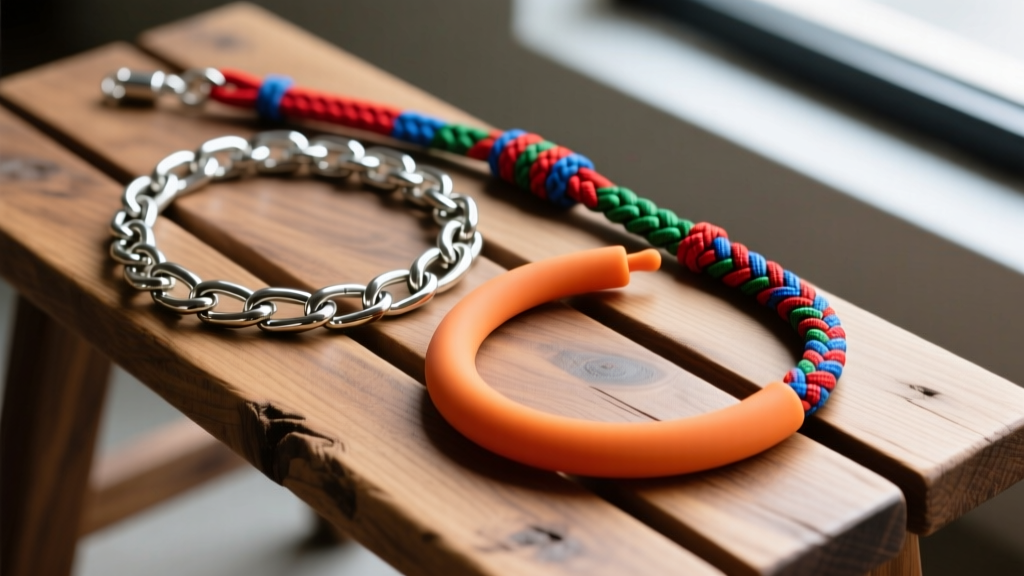
| Material | On-Field Compliance | Durability & Sweat Resistance | Best Use Case |
|---|---|---|---|
| Medical-Grade Silicone | High (Umpire Approved) | Excellent (Shore A 40-50 durometer) | Active on-field wear, daily practice |
| Thermoplastic Polyurethane (TPU) | High (Umpire Approved) | Very Good (Slight degradation in UV) | Braided sports cords, adjustable ties |
| 316L Stainless Steel | Banned (Safety Hazard) | Exceptional (Tarnish-free) | Off-field wear, travel days, banquets |
| Titanium (Ionized) | Banned (Rigid Metal) | Exceptional (Lightweight, hypoallergenic) | Post-game recovery, off-field style |
For active gameplay, medical-grade silicone is the gold standard. It possesses a Shore A durometer rating between 40 and 50, meaning it is flexible enough to drape comfortably but durable enough to withstand the friction of a jersey. Silicone is also non-porous, meaning it will not harbor the bacteria and sweat that cause the dreaded 'sports necklace smell.'
Step 2: Precision Sizing for Youth Athletes
Kids grow rapidly, and a necklace that fits perfectly in April might become a choking hazard by the July All-Star tournament. Sizing a youth baseball necklace requires a different approach than sizing a standard fashion pendant.
The Measurement Protocol
- Use a Soft Tailor's Tape: Wrap a flexible measuring tape around the base of the player's neck, right where the collarbone meets the neck.
- Apply the 'Two-Finger' Rule: Slide two fingers under the tape measure. This ensures the necklace will not restrict breathing or blood flow when the player is looking up to track a fly ball.
- Add the Safety Margin: Take that base measurement and add exactly 1.5 inches. This is the ideal length for a sports-specific silicone or paracord necklace.

For younger athletes (ages 8-12), a length between 16 and 18 inches is typically standard. For teenagers (ages 13-16), you will likely need an 18 to 20-inch length. Always err on the side of a slightly longer necklace; a longer cord will swing away from the face during a slide, whereas a tight choker-style necklace will pull directly against the trachea if snagged.
Step 3: The Clasp is the Most Critical Component
The most dangerous part of any sports necklace is not the cord; it is the clasp. A standard lobster claw or spring-ring clasp found on fashion jewelry is a massive safety failure point. If a player's necklace gets caught on a chain-link fence or an opposing player's cleats, a rigid clasp will hold fast, leading to severe neck injuries.
When selecting a youth baseball necklace, you must demand a magnetic breakaway clasp. These specialized clasps are calibrated to separate under 3 to 5 pounds of tensile force. If the cord is yanked, the magnets instantly detach, dropping the necklace to the dirt and saving the player from a degloving or strangulation injury. Always test the breakaway mechanism at home by giving the necklace a firm, sharp tug before letting your child wear it on the field.
Step 4: Game-Day Protocols and Umpire Interactions
Even with a fully compliant silicone necklace and a breakaway clasp, you may still encounter an overly cautious umpire. Here is the step-by-step protocol for game-day wear to ensure zero delays:
- Tuck It In: The necklace should always be worn underneath the player's undershirt or compression gear. This prevents it from flying up and obstructing the player's vision during a swing.
- Pre-Game Inspection: Have the player present the silicone material to the home plate umpire during the pre-game lineup card exchange. A quick squeeze will prove to the umpire that it is soft polymer, not painted metal.
- The 'Bench' Rule: If an umpire demands the necklace come off, do not argue. Have the player immediately remove it and hand it to the dugout coach. Arguing over a piece of jewelry can result in an ejection, costing the team a valuable roster spot.
Off-Field Swag: Post-Game Necklace Trends for 2026
While silicone and TPU rule the dirt, the parking lot and the post-game diner are where young athletes show off their premium jewelry. According to trend data tracked by USA Baseball development circuits, off-field style among youth players is heavily influenced by professional clubhouse culture.
Titanium and Ionized Cords
Brands like Phiten have popularized titanium-infused nylon cords. While the scientific community debates the efficacy of titanium ions for muscle recovery, the aesthetic is undeniably popular among youth travel ball teams. These are strictly for off-field wear, travel days, and hotel lounging.
Braided Leather and Metal Pendants
For older youth players (14+), thick braided leather cords with heavy 316L stainless steel pendants (like baseball bats, crosses, or team area codes) are the standard for off-field swagger. Ensure these heavy pendants are paired with a sturdy leather cord and a thick lobster clasp, but reiterate to the player that this piece never makes it past the dugout fence.
Maintenance: Cleaning Sweat and Dirt from Sports Necklaces
A youth baseball necklace takes a beating. Between sunscreen, dirt, and sweat, a silicone cord can degrade or develop an odor if not maintained. Follow this weekly cleaning protocol:
- The Soap Soak: Fill a bowl with warm water and a few drops of antibacterial dish soap. Let the silicone necklace soak for 15 minutes.
- The Soft Scrub: Use a soft-bristled toothbrush to gently scrub the crevices of the breakaway clasp and the texture of the silicone cord.
- Air Dry Only: Never use a hairdryer or place the necklace in direct, blazing sunlight to dry, as high heat can warp the magnetic housing inside the breakaway clasp. Pat dry with a microfiber towel and let it air dry overnight.
Final Thoughts on Athlete Safety
Choosing the right youth baseball necklace is an exercise in risk management. By prioritizing medical-grade silicone, insisting on magnetic breakaway clasps, and respecting the strict on-field boundaries set by youth baseball organizations, you allow your young athlete to express their personal style without compromising their physical safety. Remember: true baseball swagger is about confidence at the plate, and it is impossible to be confident when you are worried about a piece of jewelry getting caught on a backstop.


