The Technical Guide to Crafting a Durable Beaded Charm Necklace
Master the engineering of a beaded charm necklace. Explore stringing tensile strengths, bead friction, crimp metallurgy, and jump ring mechanics.

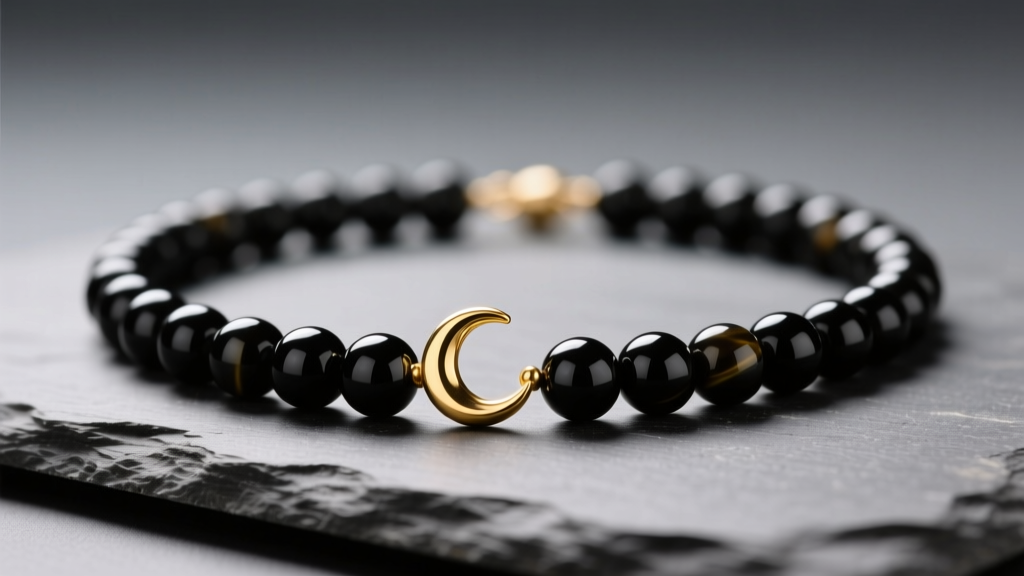
Creating a high-quality beaded charm necklace requires far more than simply threading stones onto a wire and attaching a clasp. From a structural engineering perspective, a necklace is a dynamic suspension system subjected to constant tensile stress, abrasive friction, and repetitive mechanical fatigue at the clasp connection points. As of 2026, advancements in nano-coated steel cables and gel-spun polyethylene lines have redefined durability standards, yet the majority of commercially available and hobbyist-crafted beaded necklaces still fail within the first year of regular wear.
This expert deep dive dissects the material science, metallurgy, and mechanical tolerances required to engineer a beaded charm necklace that will endure decades of use without snapping, fraying, or losing its charms.
The Anatomy of a High-Durability Suspension System
Before selecting materials, it is critical to understand the primary failure points in any beaded necklace. The structural integrity of a beaded charm necklace relies on four interconnected zones:
- The Core Stringing Material: Must resist both static tensile load and dynamic fatigue from bending.
- The Bead-Wire Interface: The interior of the bead hole acts as an abrasive file against the stringing material.
- The Charm Suspension Points: Jump rings and soldered loops that endure multi-directional shear stress.
- The Terminal Connections: The crimp beads and clasp loops where the wire reverses direction, creating severe shear and friction points.
Selecting the Core: Stringing Material Tensile Strength & Fatigue
The backbone of your beaded charm necklace dictates its lifespan. Traditional silk thread and basic nylon monofilament are entirely obsolete for heavy stone or charm-laden designs due to their susceptibility to UV degradation, moisture absorption, and poor abrasion resistance.
Multi-Strand Stainless Steel Cables
Modern professional jewelers rely on nylon-jacketed, multi-strand 316L marine-grade stainless steel cables. The number of micro-strands determines the wire's flexibility and fatigue resistance. A 7-strand wire is stiff and prone to work-hardening and snapping when kinked. A 49-strand wire offers a drape similar to silk and can withstand thousands of bend cycles before metal fatigue sets in.
| Wire Diameter | Strand Count | Tensile Strength | Best Application |
|---|---|---|---|
| 0.012" (0.30mm) | 49-Strand | 8 lbs | Micro-pearls, lightweight glass, delicate charms |
| 0.015" (0.38mm) | 49-Strand | 15 lbs | Standard gemstones, medium silver charms |
| 0.018" (0.46mm) | 49-Strand | 20 lbs | Heavy quartz, large metal pendants, multi-layer |
| 0.024" (0.61mm) | 49-Strand | 30 lbs | Large focal beads, heavy sculptural metal charms |
Gel-Spun Polyethylene (GSPE) Braids
For beads with exceptionally sharp internal holes (like certain unpolished crystals or hand-drilled turquoise), steel cables can eventually be sawed through. In these scenarios, fused braids like FireLine offer superior cut-resistance. While lacking the rigid drape of steel, GSPE lines boast extraordinary tensile strength-to-diameter ratios and are impervious to the slicing action of sharp silica edges.
Bead Friction and Mohs Hardness: Preventing Internal Wire Abrasion
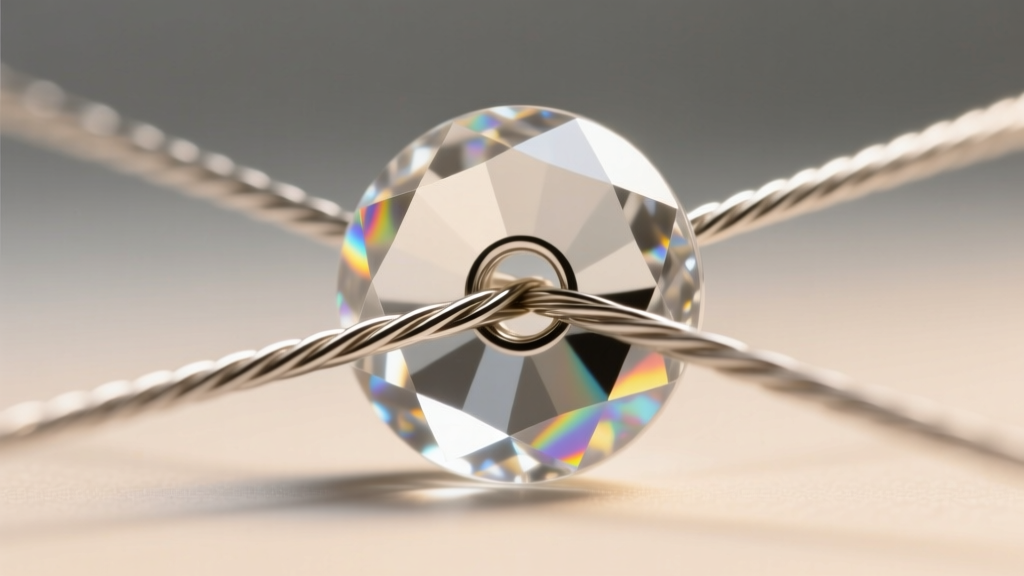
A frequently overlooked variable in necklace engineering is the interior finish of the bead hole. According to the Gemological Institute of America (GIA), materials like quartz, agate, and beryl sit at a 7 or higher on the Mohs Hardness Scale. If these beads are not properly diamond-reamed, the microscopic silica ridges inside the drill hole act like a jeweler's file against the nylon jacket of your stringing wire.
"A 0.018-inch nylon-coated wire rubbing against an unpolished quartz hole during daily wear can experience jacket failure in under six months, exposing the steel core to sweat and subsequent oxidation."
Technical Solution: Always use a diamond-reaming tool to polish the interior of hard-stone beads before stringing. Alternatively, employ microscopic spacer beads (like 14k gold-filled or sterling silver seamless rounds) between high-abrasion stones to shield the wire from direct lateral friction.
Charm Suspension: Jump Ring Gauge and Closure Mechanics
Integrating charms into a beaded necklace introduces localized stress concentrators. A charm swinging freely on a jump ring creates a fulcrum effect, applying shear stress to both the jump ring and the wire it hangs from.
Gauge and Inner Diameter (ID) Tolerances
Never use 22-gauge or 20-gauge open jump rings for heavy charms; the wire is too soft and will pull apart under dynamic load (e.g., the necklace catching on a sweater). For a beaded charm necklace, use 18-gauge (1.02mm) or 16-gauge (1.29mm) jump rings.
Furthermore, the Inner Diameter (ID) of the jump ring must be carefully calibrated. If the ID is too large, the charm will slide laterally, causing asymmetric wear on the stringing wire. If the ID is too small, the jump ring will bind against the bead hole, transferring the full kinetic shock of a dropped charm directly to a single point on the wire.
- Soldered Rings: For permanent, heavy focal charms, always use soldered jump rings to eliminate the risk of the gap prying open.
- Split Rings: If an open ring is necessary, use a double-loop split ring (similar to a miniature keyring) rather than a standard sawed jump ring to prevent the wire from slipping through the gap.
The Crimp Connection: Metallurgy and Tooling Precision
The terminal ends are where 90% of all beaded necklaces fail. The crimp bead's job is to permanently lock the wire in place while protecting it from the sawing action of the clasp.
Tube Crimps vs. Round Crimps
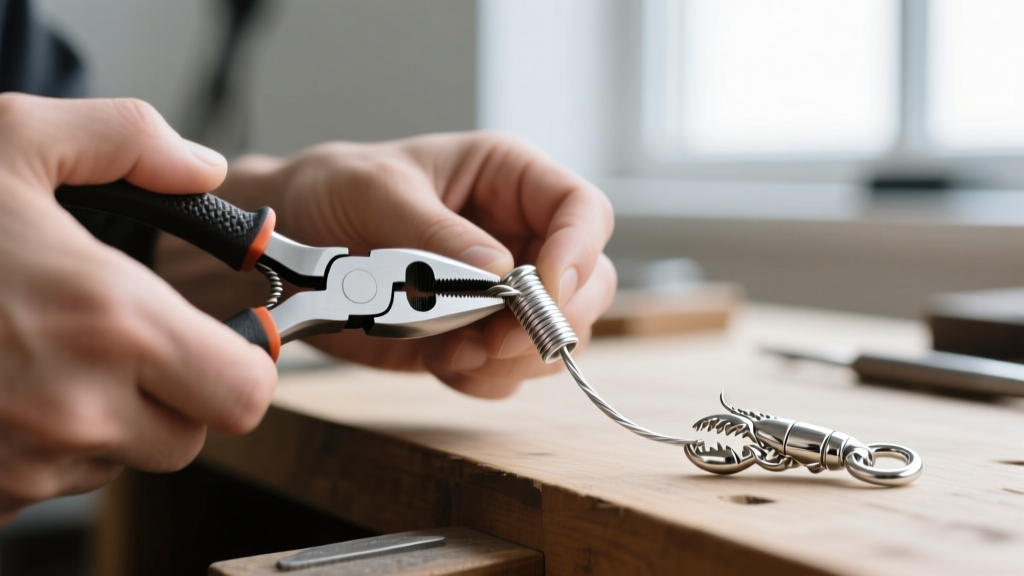
Discard round crimp beads. They tend to crush unevenly, creating sharp metal burrs that slice into the stringing wire. Instead, use 2x2mm or 2x3mm tube crimps. The tubular shape provides a larger surface area for friction and allows for a precise, folded compression.
The Metallurgy of Dead-Soft Silver
Base metal or plated brass crimps are prone to work-hardening. When compressed with pliers, they frequently micro-fracture or crack, compromising their grip. Always use dead-soft sterling silver or 14k gold-filled tube crimps. Their malleable crystalline structure allows them to fold and deform smoothly around the steel cable without cracking, creating a cold-weld-like friction lock.
Wire Protectors (Accu-Guards)
The loop of wire that passes through the clasp is highly vulnerable. As the clasp moves, it acts as a guillotine against the nylon jacket. You must install a horseshoe-shaped wire protector (French wire or Accu-Guard). Ensure the inner diameter of the wire protector is exactly 0.1mm to 0.2mm larger than your stringing wire to prevent binding, while keeping the clasp ring resting entirely on the metal shield rather than the wire itself.
Conclusion: Engineering for Longevity
Crafting a premium beaded charm necklace is an exercise in applied physics and material science. By matching the tensile strength of a 49-strand steel cable to the weight of your components, mitigating the abrasive forces of high-Mohs gemstones, and utilizing dead-soft metallurgy at the terminal connections, you elevate your jewelry from a fragile accessory to an enduring heirloom. In an era of fast fashion, mastering these technical deep dives ensures your designs remain structurally flawless for years to come.


