Edelweiss Flower Necklace Value: Budget & Buying Guide
Discover the true value of an edelweiss flower necklace. Compare pricing tiers, materials, and authenticity to make a smart jewelry investment.

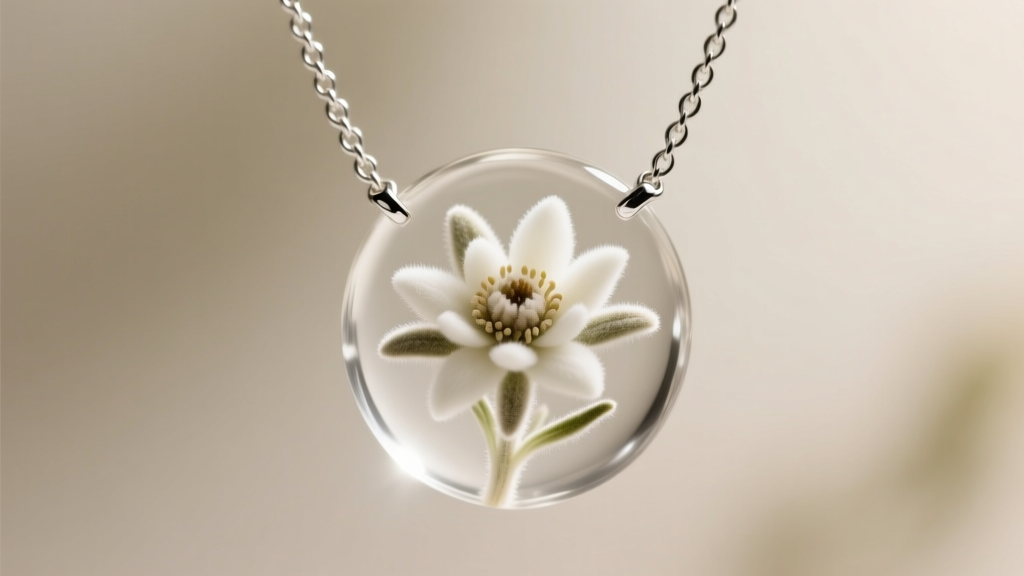
The edelweiss flower necklace is far more than a simple botanical pendant; it is a symbol of Alpine heritage, rugged romance, and high-altitude rarity. Historically associated with Swiss and Austrian folklore, the edelweiss (Leontopodium nivale) has become a highly sought-after motif in artisan and fine jewelry. However, as we navigate the 2026 jewelry market, the landscape is flooded with everything from $15 dropshipped resin trinkets to $800 artisan gold castings. How do you assess the true value of an edelweiss flower necklace? Understanding the intersection of material grades, botanical authenticity, and craftsmanship is essential to making a smart investment.
The Allure and Market of the Edelweiss Pendant
Unlike standard floral jewelry that relies on roses or daisies, the edelweiss is famous for its star-shaped bracts (modified leaves) covered in dense, white downy hairs. Capturing this unique texture requires specialized jewelry techniques. In the current market, buyers generally choose between two main categories: preserved botanical pendants encased in resin or glass, and meticulously cast metal replicas. Both offer distinct aesthetic appeals, but their value propositions differ drastically based on material sourcing and hardware quality.
Material Breakdown: What Dictates the Price?
When conducting a budget and value assessment, you must look past the pendant's silhouette and scrutinize the raw materials. The price gap between a $40 souvenir and a $250 heirloom piece is rooted in these specific details.
Preserved Botanicals vs. Synthetic Substitutes
Authentic edelweiss is a protected species in many Alpine regions. Therefore, genuine botanical pendants must utilize flowers sourced from sustainable, licensed high-altitude farms. These real specimens are carefully dried and treated before being encased in a medium. High-end artisans use UV-resistant, high-refractive-index epoxy resin (with an RI of approximately 1.5, mimicking glass) or hand-blown borosilicate glass domes. Conversely, budget manufacturers often use bleached yarrow or synthetic felt to mimic the flower's fuzzy texture, sealing it in cheap polyurethane that yellows and cracks within six months of sun exposure.
Metal Castings and Texture Fidelity
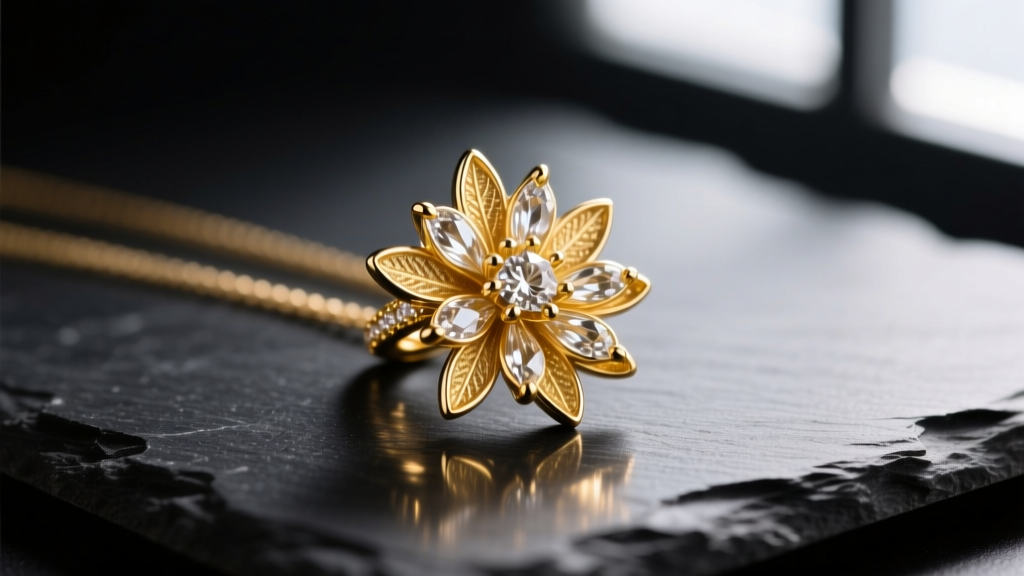
For metal edelweiss flower necklace designs, the casting method determines the value. Capturing the microscopic 'fuzz' of the bracts requires either high-resolution 3D scanning of a real flower to create a resin wax model, or painstaking hand-carving by a master jeweler. Mass-produced pieces use flat, stamped brass or low-detail molds that result in a smooth, lifeless surface. Furthermore, the base metal matters. According to the Gemological Institute of America (GIA), genuine sterling silver must contain 92.5% pure silver. High-value pieces will use 925 sterling silver plated with rhodium to prevent tarnish, or solid 14k and 18k gold for premium heirloom tiers.
Chain Quality and Hardware
A common pitfall in budget jewelry is pairing a beautifully crafted pendant with a hollow, low-grade chain. A valuable edelweiss necklace should feature a solid chain, such as a 1.2mm to 1.5mm rolo or box chain, secured with a sturdy lobster clasp. Spring ring clasps and hollow cable chains are indicators of cost-cutting that severely diminish the overall longevity and value of the piece.
2026 Pricing Tiers: What Should You Actually Pay?
To help you benchmark your budget, we have categorized the current market into three distinct pricing tiers. Use this framework to ensure you are paying a fair price for the materials offered.
| Tier | Materials & Construction | Price Range (USD) | Value Verdict |
|---|---|---|---|
| Tier 1: Mass-Market / Souvenir | Stamped brass or silver-plated alloy; synthetic or bleached substitute flowers; polyurethane resin; hollow chain. | $15 - $45 | Poor. Prone to tarnishing, resin yellowing, and chain breakage. Buy only as a temporary travel souvenir. |
| Tier 2: Artisan Botanical | Solid 925 sterling silver; genuine sustainably farmed edelweiss; UV-stable epoxy resin or glass; solid 1.2mm chain. | $80 - $180 | Excellent. The sweet spot for daily wear. Offers authentic botanical beauty with durable, skin-safe metals. |
| Tier 3: Fine Jewelry Casting | 14k or 18k solid gold; lost-wax cast from 3D-scanned real flora; optional diamond/melee accents; premium box chain. | $350 - $900+ | High (Heirloom). An investment piece. Exceptional texture fidelity and generational durability. |
Red Flags: Spotting Overpriced and Fake Edelweiss Jewelry
When shopping for an edelweiss flower necklace, be vigilant against deceptive marketing tactics that inflate prices without delivering genuine value.
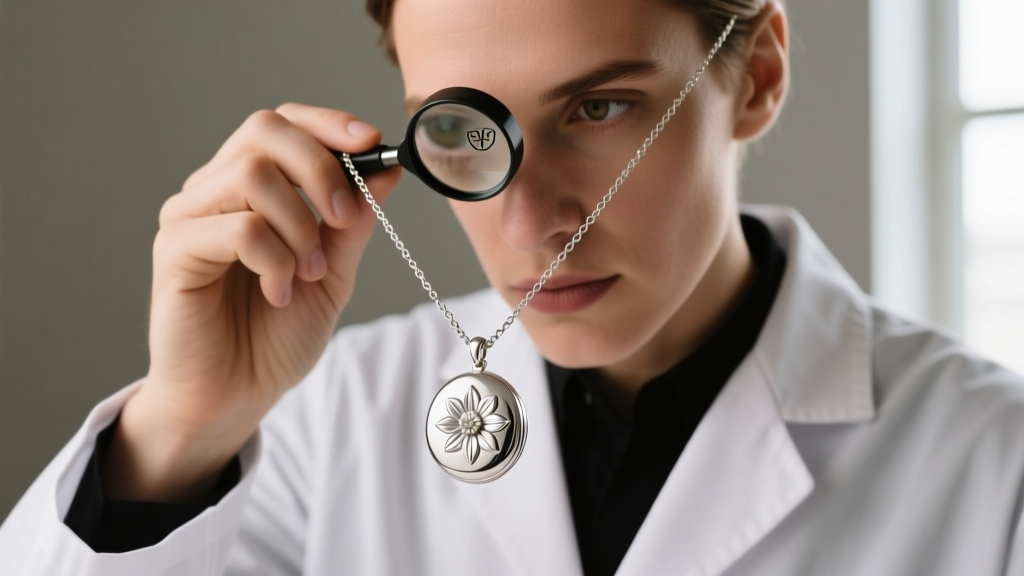
- The 'Alpine Silver' Loophole: Some brands use the term 'Alpine Silver' to describe a proprietary alloy that contains little to no actual silver. Always demand a '925' stamp. For international purchases, refer to the Assay Office London guidelines on hallmarking to verify precious metal authenticity.
- Overly White Botanicals: Real dried edelweiss naturally ages to a soft, creamy off-white or pale tan. If the flower inside a resin pendant is blindingly, starkly white, it has likely been chemically bleached or is a synthetic fabric replica.
- Flat Backings: High-quality resin pendants are poured in multiple layers to create a domed, 3D effect. If the back of the resin pendant is completely flat and the flower looks crushed against the backing, it was mass-produced in a shallow mold to save on material costs.
How to Care for Botanical and Metal Edelweiss Pendants
Protecting your investment requires specific care routines tailored to the pendant's construction.
Caring for Resin and Glass Botanicals
Never clean resin-encased edelweiss with alcohol-based solutions, perfumes, or harsh chemical jewelry dips. These solvents will cloud the epoxy and degrade the seal, allowing moisture to reach the dried flower and cause mold. Clean resin pendants only with a damp, lint-free microfiber cloth and mild soap. Store them in a dark jewelry box when not in use to minimize cumulative UV exposure.
Maintaining Metal Castings
For sterling silver and gold castings, the intricate texture that mimics the flower's downy hairs can trap skin oils and lotions. Use a soft-bristled baby toothbrush with warm water and a drop of dish soap to gently agitate the crevices. Avoid silver polishing dips, as they can strip the rhodium plating often used on high-end silver edelweiss designs to maintain a bright, white-metal finish.
Final Verdict: Is an Edelweiss Necklace Worth the Investment?
An edelweiss flower necklace is absolutely worth the investment, provided you buy within the correct tier for your expectations. If you are seeking a meaningful, nature-inspired piece for daily wear, the Tier 2 Artisan Botanical range ($80–$180) offers the best balance of authentic materials, skin-safe metals, and structural durability. Avoid the ultra-cheap souvenir tier, as the rapid degradation of cheap resins and plated alloys will ultimately cost you more in replacements. By prioritizing UV-stable resins, solid 925 silver or gold, and proper hallmarking, you secure a piece of Alpine heritage that will retain its beauty and sentimental value for decades.


