Edible Candy Necklace Guide: Budget & Value Assessment
Discover the true cost and value of the edible candy necklace. Compare artisanal sugar jewelry, DIY gummy beads, and resin replicas for your next event.

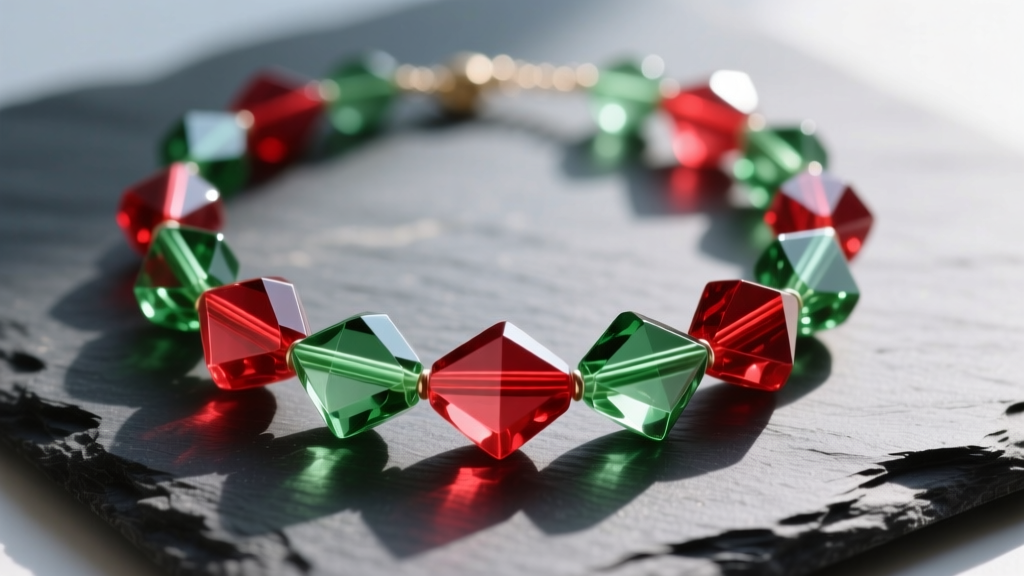
The Rise of Wearable Gastronomy in 2026
Once relegated to children’s birthday parties and retro movie theater concession stands, the edible candy necklace has undergone a radical transformation in the luxury event and editorial fashion spaces. As multi-sensory experiences dominate the 2026 event landscape, high-end event planners, avant-garde stylists, and immersive dining curators are commissioning wearable sugar art. But transitioning a perishable confection into a functional, structurally sound piece of neckwear requires a deep understanding of material science, environmental variables, and budget allocation. This guide provides a rigorous budget and value assessment of the edible candy necklace, breaking down the true cost-per-wear, material viability, and artisanal commissioning fees.
Material Science: What Makes a Viable Edible Necklace?
Not all candy is engineered for structural integrity. When evaluating the budget and value of an edible candy necklace, the base material dictates both the price point and the failure rate. Here is how the three primary mediums compare in a professional jewelry context.
Isomalt: The Professional Standard
Derived from beet sugar, isomalt is the undisputed champion of high-end sugar jewelry. Unlike traditional sucrose, isomalt resists crystallization and boasts a remarkably low moisture absorption rate. It melts at approximately 150°C (300°F) and can be poured, pulled, or blown into gem-like facets with glass-like clarity. According to culinary experts at Serious Eats, isomalt’s stability makes it the only viable sugar medium for pieces intended to be worn for more than 30 minutes. Raw material costs are low (roughly $30 to $45 per kilogram), but the specialized labor required to cast and polish isomalt beads drives the final retail value up significantly.
Traditional Sucrose (Hard Candy)
Standard hard candy (corn syrup and sucrose) is highly hygroscopic, meaning it aggressively pulls moisture from the air. While cheap to produce—often under $0.05 per bead—it is a poor investment for wearable jewelry. Upon contact with ambient humidity or the natural moisture of human skin, sucrose rapidly degrades into a sticky, unmanageable residue, ruining both the garment it rests upon and the aesthetic integrity of the piece.
Gelatin and Pectin (The Gummy Trap)
Gummy beads are a frequent DIY pitfall. Gelatin has a melting point hovering around 35°C (95°F). Given that human skin temperature averages 33°C (91°F), a gummy candy necklace worn directly against the collarbone will begin to weep, warp, and eventually snap under its own weight within minutes. Pectin-based gummies offer slightly higher heat resistance but lack the tensile strength required to support a continuous strand.
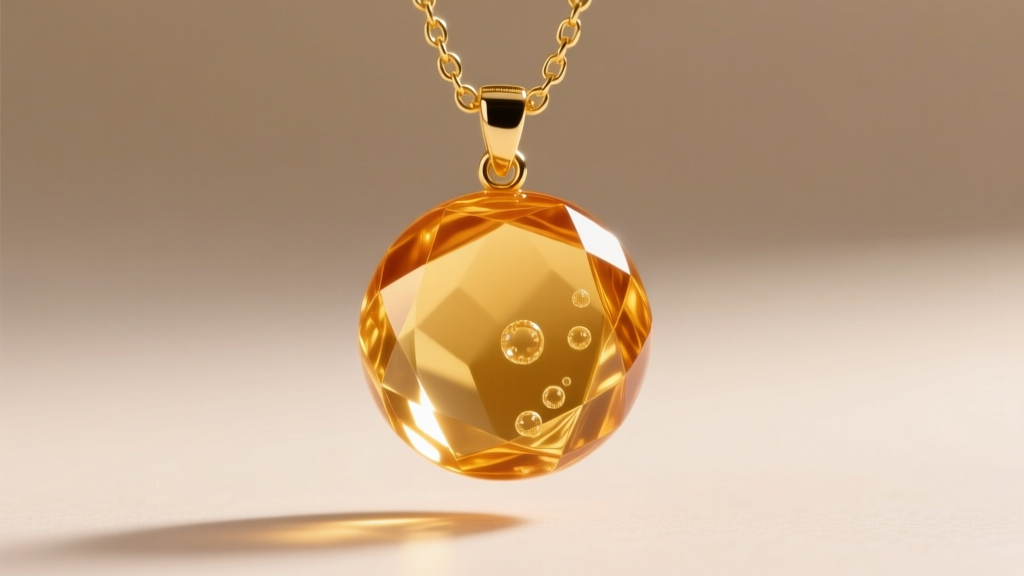
Budget Breakdown: DIY vs. Artisanal Commission
When assessing the value of an edible candy necklace, buyers generally choose between bulk DIY assembly and bespoke artisanal commissions. The table below outlines the financial and temporal investments required for both approaches in 2026.
| Category | Material Cost (Per Piece) | Labor / Time Investment | Structural Lifespan | Best Use Case |
|---|---|---|---|---|
| DIY Hard Candy (Sucrose) | $2.00 - $5.00 | 1 Hour | 15 - 30 Minutes | Quick photo shoots, children's parties |
| DIY Isomalt Kits | $15.00 - $25.00 | 3 - 5 Hours | 2 - 4 Hours | Amateur cosplayers, budget indie films |
| Artisanal Sugar Crafter | $150.00 - $450.00 | N/A (Commissioned) | 4 - 8 Hours | Luxury weddings, high-fashion editorials |
| Permanent Resin "Candy" Replica | $80.00 - $200.00 | N/A (Commissioned) | Indefinite | Heirloom keepsakes, daily wear |
For luxury events, the artisanal route commands a premium. Master sugar artists charge between $150 and $450 per custom necklace. This price reflects not just the raw isomalt, but the high attrition rate during production—delicate sugar gemstones frequently shatter during the drilling and stringing phases, meaning a crafter must cast three times the necessary volume to yield a single, flawless strand.
Environmental Failure Modes: The Hidden Costs
The true value of an edible candy necklace is heavily dependent on environmental control. Sugar work is notoriously temperamental, and failing to account for atmospheric conditions will result in a catastrophic return on investment.
- Humidity Thresholds: Isomalt begins to lose its structural integrity and develop a tacky surface when Relative Humidity (RH) exceeds 60%. If your event is outdoors in a coastal or tropical climate, an edible necklace is a depreciating asset. Artisans often apply a micro-thin coating of edible confectioner’s glaze (shellac) to seal the beads, buying an extra 2 to 3 hours of wear time.
- Body Heat Transfer: While isomalt won’t melt from body heat, the continuous transfer of thermal energy can cause micro-fractures in poorly tempered beads, leading to sudden snapping.
- UV and Lighting Degradation: Prolonged exposure to intense UV lighting (common in club environments or outdoor summer weddings) can cause certain natural food colorants to oxidize and fade, shifting a vibrant ruby red to a dull brown within hours.
Stringing Materials and Food Safety Compliance
A critical, often overlooked component of the edible candy necklace budget is the stringing medium. If the entire piece is meant to be consumed, the cord must be strictly food-grade. Standard jewelry wires, nylon threads, and elastic cords are toxic if ingested and violate FDA food-contact safety guidelines when embedded in consumable goods.
Professional sugar jewelers utilize extruded sugar threads, edible rice paper twine, or thick licorice laces. Rice paper twine offers the best balance of tensile strength and neutrality in flavor, costing roughly $0.50 per strand. However, it lacks the elasticity of traditional jewelry wire, meaning the necklace must be fitted with an edible breakaway clasp (often a small magnet encased in a chocolate or fondant shell) to prevent choking hazards or neck injuries if the piece is snagged.

The Experiential ROI: Is It Worth the Investment?
How do we calculate the value of jewelry that is designed to be destroyed or consumed? In traditional jewelry appraisal, we look at cost-per-wear and residual resale value. In the realm of experiential event design, we must calculate Experiential ROI.
According to recent luxury event forecasts by The Knot, couples and corporate brands are pivoting away from static, wasteful favors toward interactive, consumable art. An artisanal edible candy necklace priced at $300 may only survive for four hours, but its value is realized in the multi-sensory impact it delivers. It serves as a wearable conversation piece, a high-fashion photographic prop, and ultimately, a dessert course.
"When budgeting for an edible candy necklace, you are not purchasing a permanent accessory; you are funding a piece of ephemeral performance art. The value lies in the exclusivity, the visual spectacle, and the unforgettable culmination of eating the jewelry at the end of the night."
Final Verdict and Purchasing Advice
If your goal is long-term wearability or a keepsake for a bridal party, the edible candy necklace offers poor financial value; opt instead for high-quality resin replicas that mimic the aesthetic of rock candy or gummy beads without the biological vulnerabilities. However, if you are styling an avant-garde editorial shoot, curating an immersive gastronomic gala, or seeking a show-stopping, temporary accessory for a high-profile event, the artisanal isomalt candy necklace is an unparalleled investment. Budget a minimum of $200 per piece, hire a certified sugar artist, and strictly control the ambient humidity of your venue to ensure your wearable confection remains a masterpiece until the very last bite.


