Elastic Band Necklace Value: 2026 Pricing & Quality Guide
Discover if an elastic band necklace is worth your money in 2026. We break down pricing tiers, material durability, and failure modes to assess true value.

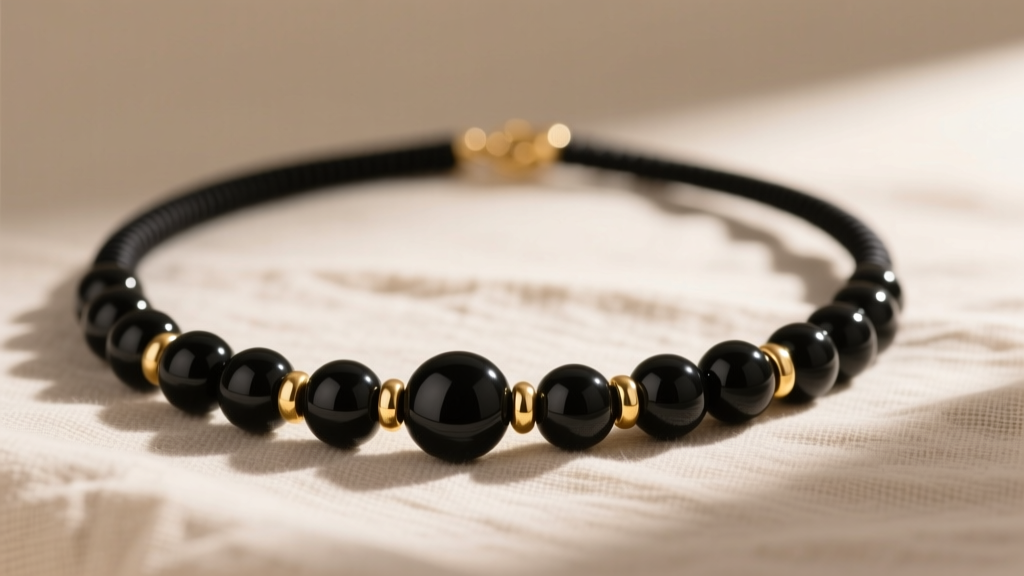
The Appeal and the Catch: Understanding Elastic Band Necklaces
The elastic band necklace has undergone a massive rebranding. Once relegated to 1990s craft fairs and children's jewelry boxes, the modern stretch necklace has become a staple of 2026 minimalist layering trends. Offering unparalleled ease of wear—simply slip it over your head without fumbling with microscopic lobster clasps—these pieces are highly sought after for everyday styling. However, beneath the convenience lies a complex landscape of material science, assembly techniques, and hidden costs that dictate whether you are purchasing a lasting accessory or a disposable trinket.
From a budget and value assessment perspective, the elastic band necklace presents a unique paradox. The initial entry price is often remarkably low, making them highly accessible. Yet, the long-term value is entirely dependent on the internal cord's molecular integrity and the artisan's assembly method. A poorly constructed stretch necklace will snap within weeks, scattering gemstones across the floor and turning a 'budget-friendly' purchase into an expensive mistake. To truly assess value, we must look past the exterior beads and evaluate the structural engineering of the elastic core.
Material Breakdown: What Makes the 'Elastic' Last?
Not all stretch cords are created equal. The lifespan of your necklace is dictated by the specific polymer used to create the band. According to material guides from the Fire Mountain Gems Encyclopedia, understanding the difference between polyurethane, woven nylon, and natural rubber is the first step in assessing jewelry value.
Polyurethane vs. Woven Elastic vs. Rubber
Polyurethane Cord (e.g., Stretch Magic): This is the gold standard for modern elastic band necklaces. Polyurethane is a solid, clear, single-strand synthetic that offers excellent memory (the ability to return to its original shape after stretching). High-quality polyurethane cords, typically ranging from 0.8mm to 1.0mm in diameter, resist degradation from skin oils and offer a lifespan of 3 to 5 years with proper care. If a retailer uses genuine polyurethane, the value proposition increases significantly.
Woven Elastic (e.g., Elasticity): This material consists of multiple fine elastic threads woven together, often with a cotton or nylon sheath. While it is incredibly soft and flexible, making it ideal for heavy, large-hole beads, it lacks the 'snap-back' memory of polyurethane. Over time, woven elastic tends to sag, leaving gaps between the beads. It holds up well to knotting but is highly susceptible to fraying if rubbed against sharp bead holes.
Natural Rubber / Latex: Frequently found in ultra-budget, fast-fashion elastic band necklaces priced under $15. Natural rubber is highly vulnerable to oxidation, UV light, and the acidic pH of human sebum (skin oils). These necklaces often suffer from 'dry rot,' becoming brittle and snapping without warning within 6 to 12 months of regular wear.
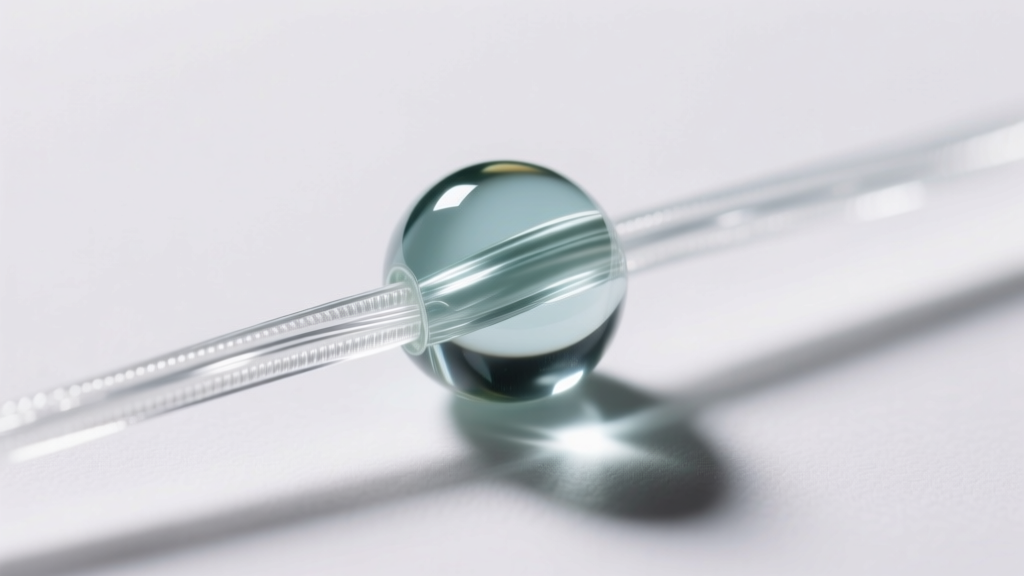
The True Cost: Pricing Tiers and What You Actually Get
When evaluating an elastic band necklace, the price tag is usually a direct reflection of the internal assembly method and the origin of the beads. Below is a 2026 market matrix breaking down what you actually receive at different price points.
| Pricing Tier | Average Cost | Cord Material | Assembly Method | Expected Lifespan |
|---|---|---|---|---|
| Fast Fashion | $8 - $20 | Natural Rubber / Latex | Machine-crimped metal beads | 3 - 9 Months |
| Mid-Tier Artisan | $45 - $95 | 0.8mm Polyurethane | Hand-knotted, glued, hidden inside bead | 2 - 4 Years |
| High-End Designer | $150 - $300+ | 1.0mm Polyurethane or Silk-wrapped Elastic | Knotted with wire guardians at stress points | 5+ Years (with restringing) |
In the fast-fashion tier, manufacturers use metal crimp beads to secure the elastic. While cheap and fast, this is a catastrophic failure point (detailed below). Mid-tier artisans justify their $45+ price tags by using premium polyurethane cord and taking the time to hand-knot the ends, securing them with specialized jewelry adhesives. High-end designers incorporate precious metal spacer beads and use protective wire guards to ensure the elastic never touches sharp metal edges, maximizing the structural integrity of the piece.
Critical Failure Modes: Why Budget Elastic Necklaces Snap
To accurately assess the value of a stretch necklace, you must understand how and why they fail. The Gemological Institute of America (GIA) notes that proper jewelry care and structural awareness are paramount for longevity, but with elastic necklaces, the failure modes are highly specific.
- The Crimp Bead Trap: Metal crimp beads are designed to be crushed flat over soft beading wire. When used on elastic cord, the sharp, folded edges of the crushed metal act like microscopic scissors. Every time the necklace stretches and relaxes, the metal saws into the polyurethane or rubber, eventually severing it.
- UV and Ozone Degradation: Leaving an elastic necklace on a sunny windowsill or in a humid bathroom accelerates the breakdown of the polymer chains. Rubber and low-grade polyurethane will literally bake and crack under prolonged UV exposure.
- Bead Hole Abrasion: Gemstones like quartz, agate, and turquoise are often tumbled and drilled, leaving microscopic, razor-sharp edges inside the bead holes. If the artisan did not ream (smooth) the bead holes before stringing, the stone will slowly cut through the elastic band from the inside out.
The Knot vs. Crimp Debate
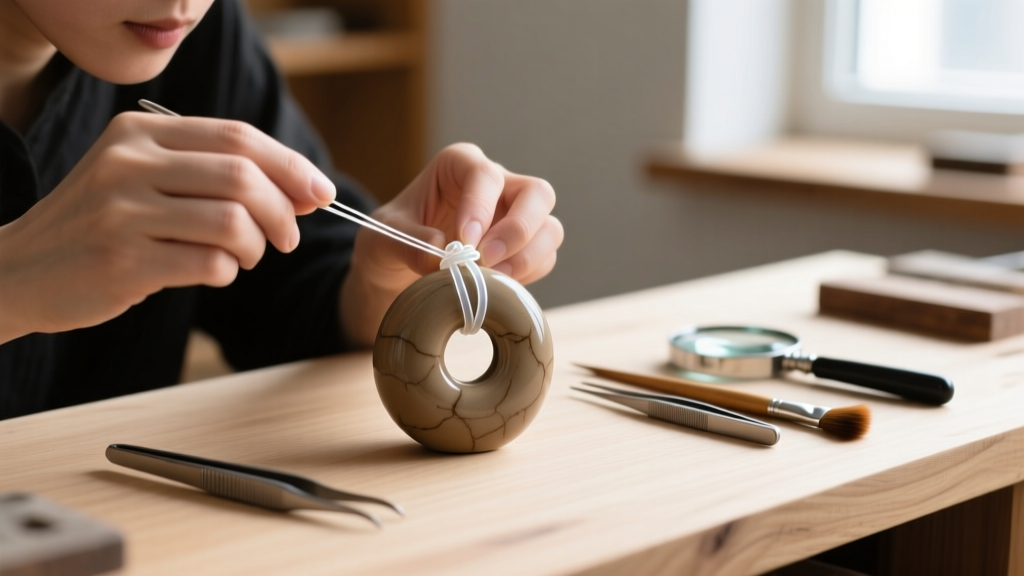
For maximum value and durability, an elastic band necklace should never be secured with a metal crimp. The only acceptable assembly method is a surgical knot or a double square knot, secured with a micro-drop of G-S Hypo Cement or E6000 adhesive, and then pulled completely inside the hole of the adjacent bead. If you can see a metal crimp bead on a stretch necklace, walk away—it is a structural liability.
Value Assessment: How to Inspect Before You Buy
Whether you are shopping online or evaluating a piece in a boutique, use this actionable checklist to determine if the elastic band necklace is worth your hard-earned money.
1. Perform the 'Stretch and Release' Test: Gently stretch the necklace by about 20%. High-quality polyurethane will snap back instantly with zero hesitation, and the beads will sit flush against one another. If the cord looks wavy, or if there are permanent gaps between the beads when relaxed, the elastic has already suffered from 'plastic deformation' (permanent stretching) and is near the end of its life.
2. Hunt for the Knot: Examine the beads closely, particularly near the center or the back of the necklace. You should not see any metal crimps. Try to spot a small, glued knot hidden inside a bead hole. If the knot is visible and bulky, it will eventually rub against your skin and fray.
3. Check the Cord Thickness: Hold the necklace up to the light and look at the gaps between the beads. For standard 4mm to 8mm gemstone beads, the cord should be at least 0.8mm thick. If you see a hair-thin thread struggling to hold heavy stone beads, it is severely under-engineered and will snap under the weight of its own materials.
4. Assess the Storage Protocol: If buying from a physical store, observe how the necklaces are displayed. Hanging heavy elastic band necklaces on vertical pegs for months on end places constant tension on the polymer, leading to premature sagging. Valuable, well-made pieces should be stored flat or gently coiled in trays.
Final Verdict: Are Elastic Band Necklaces a Smart Investment?
When approached with a critical eye, the elastic band necklace offers exceptional value, provided you avoid the fast-fashion trap. A $12 necklace that snaps in three months and loses a $30 gemstone is a terrible investment. Conversely, a $65 hand-knotted polyurethane stretch necklace featuring high-quality, smoothly reamed beads offers years of effortless, clasp-free wear.
Ultimately, the true value of an elastic band necklace in 2026 lies in the unseen craftsmanship. By prioritizing polyurethane materials, insisting on hidden knotted assemblies, and avoiding the destructive nature of metal crimp beads, you can confidently build a collection of stretch necklaces that are as durable as they are stylish.


