Elephant Necklaces: 2026 Trend Analysis & Styling Guide
Discover why elephant necklaces are dominating 2026 jewelry trends. Explore styling tips, material grades, chain gauges, and the symbolism of this motif.

The Resurgence of the Elephant Motif in 2026
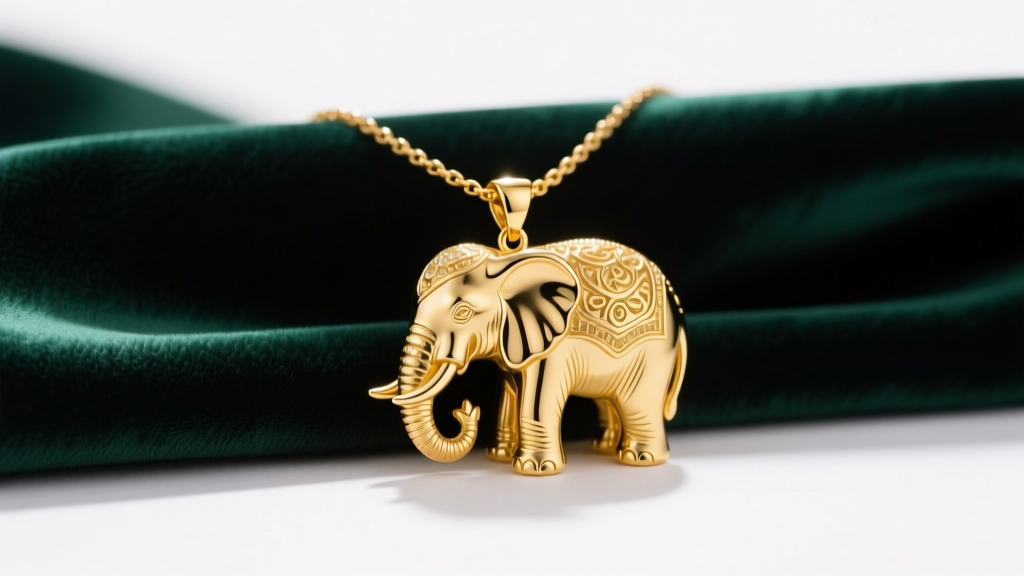
The elephant motif has long been a staple in global jewelry design, revered for its deep cultural symbolism and striking silhouette. However, in 2026, the landscape of elephant necklaces has shifted dramatically. We are moving away from the heavy, hyper-realistic souvenir charms of the early 2010s and entering an era of abstract minimalism, geometric interpretation, and high-jewelry craftsmanship. Today’s designers are deconstructing the elephant’s form—focusing on the elegant sweep of the trunk, the architectural structure of the tusks, and the fluid movement of the ears. Whether you are drawn to the motif for its association with Ganesha (the remover of obstacles) or its representation of memory, strength, and familial bonds, understanding how to select, style, and care for these pieces is essential for the modern collector.
The Anatomy of a High-Quality Elephant Pendant
When evaluating an elephant pendant, the aesthetic appeal must be matched by structural engineering. Because the elephant shape is inherently top-heavy and wide, the bail (the loop that connects the pendant to the chain) is the most critical point of failure.
Bail Types and Weight Distribution
- Standard Loop Bail: Suitable only for lightweight, hollow-cast pendants under 5 grams.
- Hidden Bail: Drilled directly through the top of the pendant’s back. This is the gold standard for solid 14k or 18k gold elephant pendants (typically 8g to 15g), as it keeps the piece flush against the skin and prevents it from flipping upside down.
- Soldered Ring Bail: A reinforced, thick metal ring welded to the top. Essential for heavy, gemstone-encrusted pieces to prevent the bail from bending under dynamic stress.
Trunk Direction and Symbolism
In contemporary jewelry lore and traditional Vastu design, the direction of the trunk carries specific meaning. An upward-pointing trunk is widely believed to shower luck, prosperity, and positive energy onto the wearer. Conversely, a downward-pointing trunk represents longevity, grounding, and the accumulation of wealth. In 2026, high-end artisans are utilizing the Metropolitan Museum of Art's historical archives on South Asian iconography to create stylized, sweeping trunk lines that wrap into the pendant's border, creating a cohesive, continuous metal loop that is both symbolic and structurally sound.
Material Grades and Ethical Sourcing
The material chosen for an elephant necklace dictates not only its price point but its ethical footprint. Historically, the motif was tragically linked to the ivory trade. Today, the jewelry industry strictly condemns this, and modern collectors must be vigilant about material provenance.
Metals and Alloys
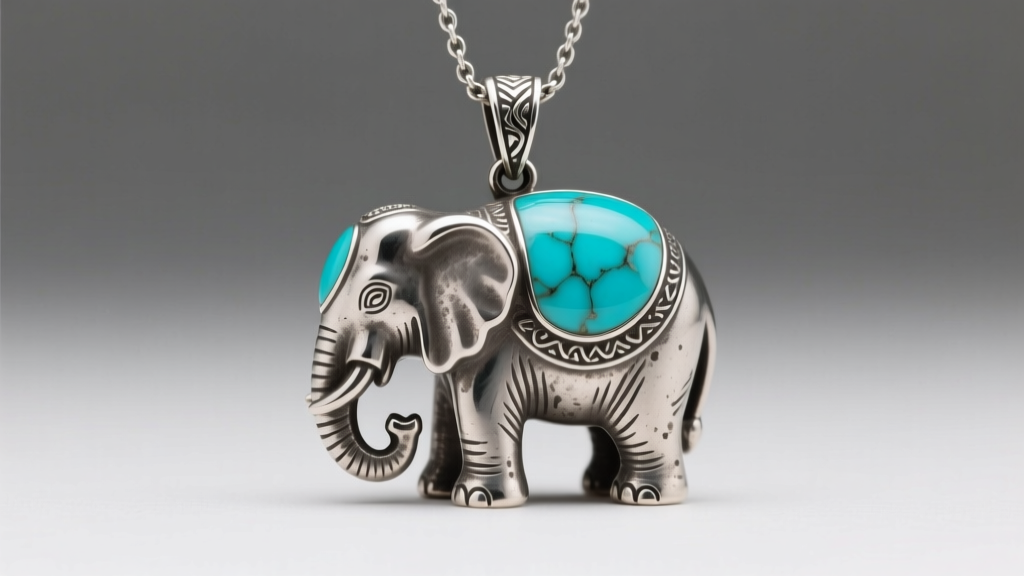
For everyday wear, 14k gold (58.5% pure gold) offers the ideal balance of rich color and tensile strength, resisting the warping that can occur in softer 22k or 24k alloys when subjected to the weight of a large pendant. For a more rugged, bohemian aesthetic, oxidized 925 sterling silver remains highly popular. The oxidation process darkens the recessed areas of the elephant’s skin texture, creating a high-contrast, three-dimensional effect that highlights intricate engraving work.
Ethical Gemstone Inlays
Many designers incorporate gemstone accents to represent the elephant's eyes or decorative saddles. According to the GIA Gem Encyclopedia, natural turquoise and lapis lazuli are traditional favorites. However, 2026 trends heavily favor lab-grown turquoise and ethically sourced chrysocolla, which provide the same vibrant blue-green matrix without the environmental degradation associated with unregulated copper mining. Furthermore, Tagua nut—often referred to as 'vegetable ivory'—has emerged as a premier, 100% sustainable alternative for carved white elephant pendants, offering a grain and luster nearly identical to historic ivory, while actively supporting rainforest conservation efforts championed by organizations like the World Wildlife Fund (WWF).
Chain Pairing: Gauges, Weaves, and Clasps
A common mistake collectors make is pairing a heavy, solid-metal elephant pendant with a delicate chain. The dynamic drop-weight of a swinging pendant can easily snap a thin chain or warp its links. Below is a structural pairing guide based on pendant weight.
| Pendant Weight | Recommended Chain Weave | Minimum Gauge (Thickness) | Required Clasp Type |
|---|---|---|---|
| Under 5g (Lightweight/Hollow) | Cable or Curb Chain | 1.0mm - 1.2mm | Spring Ring |
| 5g - 12g (Solid Cast) | Wheat (Spiga) or Box Chain | 1.5mm - 1.8mm | Small Lobster Claw |
| 12g - 25g+ (Heavy/Gem-Set) | Rope or Franco Chain | 2.0mm - 3.0mm | Heavy-Duty Lobster or Bolt Ring |
Expert Insight: Avoid snake chains for heavy elephant pendants. The smooth, interlocking plates of a snake chain lack the flexibility to handle the concentrated stress point at the bail, leading to permanent kinking and eventual structural failure.
Styling Frameworks: Necklines and Layering
Integrating an elephant necklace into a modern wardrobe requires an understanding of proportion and negative space. The wide silhouette of the pendant demands specific neckline pairings to avoid visual clutter.
The Rule of Thirds in Layering
If you are layering your elephant pendant, treat it as the anchor piece. In 2026, the 'Rule of Thirds' dictates that layered necklaces should be spaced roughly 2 to 3 inches apart to prevent tangling and ensure each piece is visible.
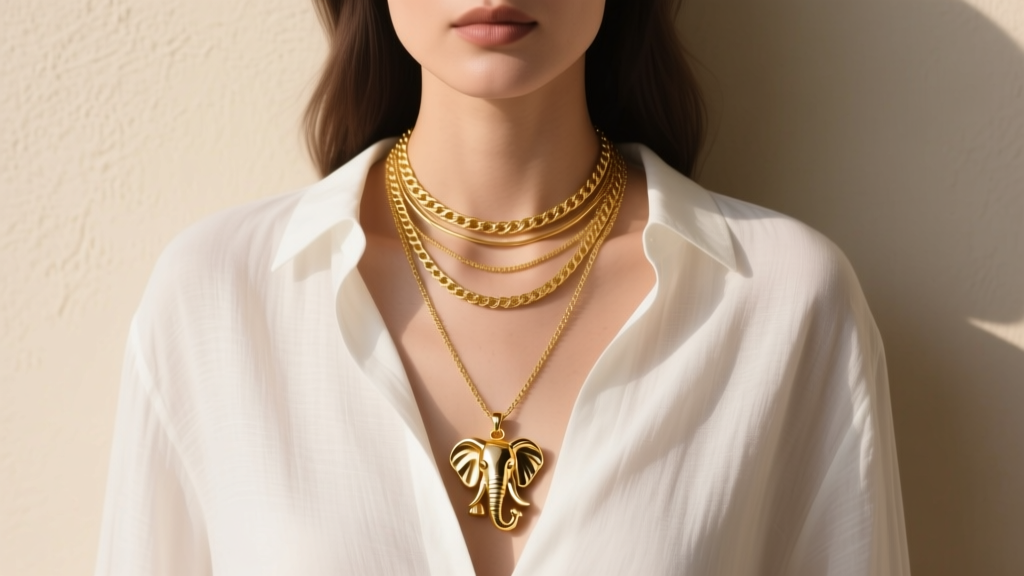
- The 16-18-22 Stack: Pair a 16-inch delicate choker (like a simple gold bead chain), an 18-inch medium-weight chain with a small geometric charm (like a simple disc or bar), and let your 22-inch elephant pendant rest at the bottom. This creates a cascading V-shape that elongates the neck.
- The Metal-Mix Approach: Mixing metals is no longer a faux pas. A yellow gold elephant pendant layered with oxidized silver chains creates a striking, vintage-inspired contrast that works exceptionally well with earth-toned linens and denims.
Neckline Matching
For V-necklines and deep scoops, an 18-inch or 20-inch drop allows the elephant pendant to sit perfectly in the negative space of the garment, acting as a natural focal point. For crew necks and turtlenecks, opt for a longer 24-inch chain (often called an opera length) to break up the solid block of fabric, or skip the pendant entirely in favor of a shorter, chunkier collar necklace. Avoid wearing wide, statement elephant pendants with high-collared ruffled blouses, as the intricate fabric details will compete with the engraving on the metal, resulting in a visually chaotic look.
Final Verdict: An Investment in Meaning
The elephant necklace in 2026 is far more than a fleeting trend; it is a testament to the jewelry industry's ability to blend ancient symbolism with modern, ethical craftsmanship. By prioritizing structural integrity—such as selecting the correct chain gauge and bail type—and embracing sustainable materials like Tagua nut and lab-grown gems, collectors can invest in pieces that are both physically enduring and culturally resonant. Whether worn as a personal talisman for strength or as a bold, geometric statement piece, the elephant motif remains a powerful, elegant anchor in any fine jewelry collection.


