The 2026 Emerald Necklace Map: A Buyer's Value & Budget Guide
Navigate the 2026 emerald necklace map to assess true value. Compare origins, treatments, and budget tiers for smart pendant investments.

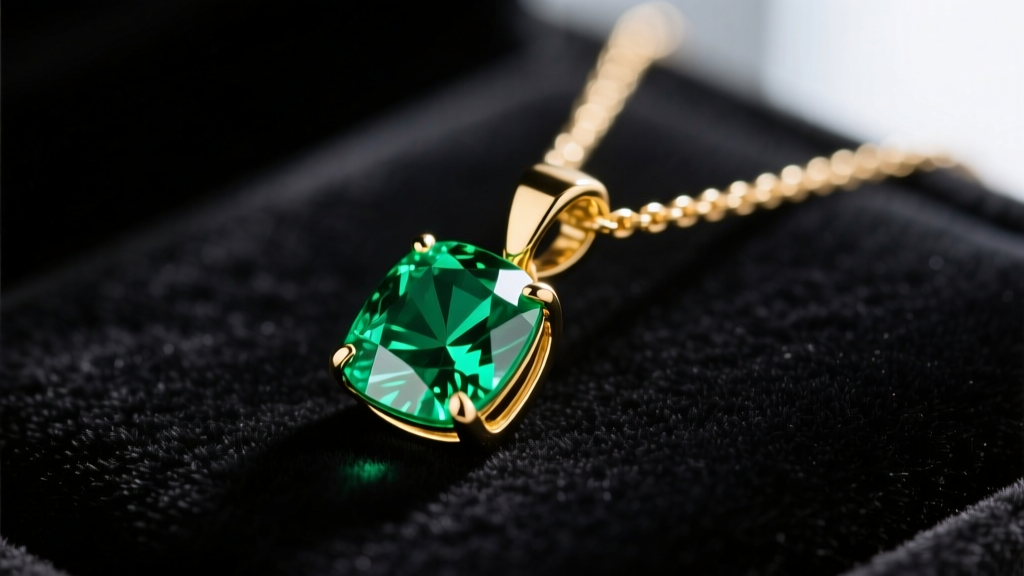
When evaluating fine jewelry, few categories are as notoriously opaque as emeralds. Unlike diamonds, which are governed by a rigid and universally understood pricing matrix, emeralds require a nuanced understanding of geology, gemological treatments, and market premiums. For buyers navigating the market in 2026, utilizing an emerald necklace map is no longer just a metaphor—it is a strategic framework for assessing true value, avoiding overpriced commercial stones, and making informed budget decisions. Whether you are hunting for a daily-wear pendant or an investment-grade heirloom, understanding how origin, clarity enhancement, and setting mechanics intersect is critical.
This comprehensive guide breaks down the modern emerald landscape, providing actionable data points, specific pricing tiers, and gemological insights to ensure your budget is allocated toward genuine quality rather than marketing hype.
Decoding the Emerald Origin Map: Colombian vs. Zambian vs. Brazilian
The geographic origin of an emerald dictates a significant portion of its price per carat. According to the GIA Emerald Quality Factors database, origin can influence a stone's value by 30% to over 100%, even when color and clarity appear identical to the naked eye.
Colombian Emeralds: The Premium Tier
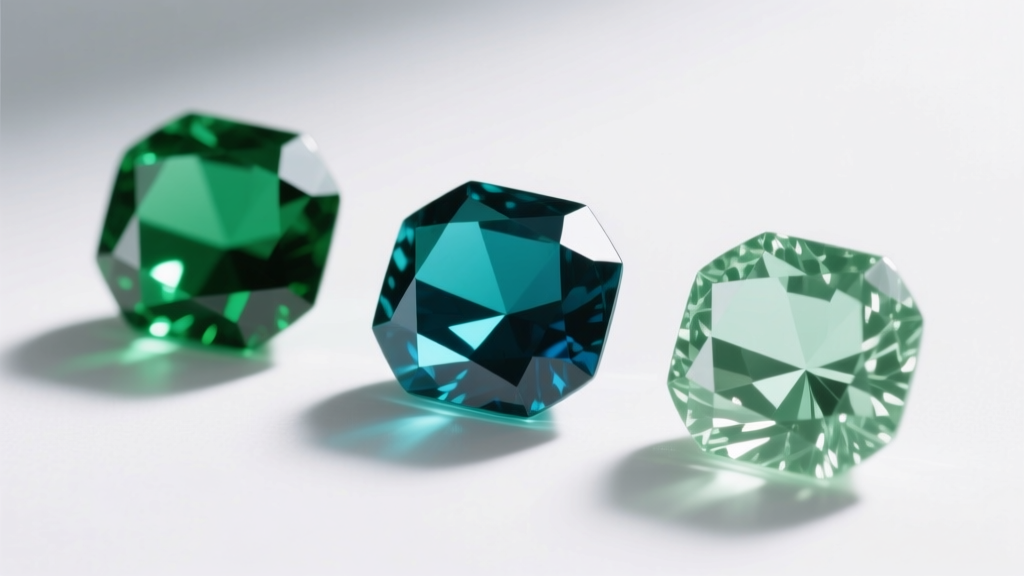
Colombian emeralds, particularly those from the Muzo and Chivor mines, are the blue-chip stocks of the gemstone world. They are prized for their warm, pure, and highly saturated green hue, which lacks the secondary blue or gray modifiers found in other origins. However, you pay a steep 'brand premium' for the Colombian name. In 2026, a fine-quality 1-carat Colombian emerald pendant with minor oil treatment will easily command $6,000 to $12,000, making it a choice for serious collectors rather than budget-conscious buyers.
Zambian Emeralds: The Value Sweet Spot
Mined primarily from the Kagem mine, Zambian emeralds offer the best value-to-beauty ratio on the emerald necklace map. They typically exhibit a cooler, slightly bluish-green tone and possess naturally higher clarity than their Colombian counterparts due to different geological formation processes. A 1-carat Zambian emerald of equivalent visual appeal to a Colombian stone will often cost 40% to 50% less, typically ranging from $2,500 to $4,500 for fine qualities.
Brazilian Emeralds: The Budget Entry Point
Brazilian emeralds generally feature lighter tones and more visible inclusions. While they lack the intense saturation of top-tier stones, they provide an accessible entry point for buyers wanting a genuine, natural emerald pendant under the $1,500 mark.
The Treatment Spectrum: Oil, Resin, and Untreated Realities
Because emeralds are heavily included (a characteristic poetically termed 'jardin' or garden), almost all natural emeralds undergo clarity enhancement. Understanding where your stone falls on the treatment spectrum is the most crucial step in your budget assessment.
- None / Insignificant (F1): Extremely rare. These stones have surface-reaching fractures that are virtually non-existent. Expect to pay a 50%+ premium over oiled stones.
- Minor / Moderate (F2): The industry standard. Traditional cedarwood oil is used to fill surface-reaching fissures, improving clarity without altering the stone's fundamental structure. This is the safest and most accepted treatment for daily-wear necklaces.
- Significant / Resin-Filled (F3): Often treated with epoxy resins or Opticon. These stones are heavily fractured and structurally compromised. Avoid these entirely for pendants, as temperature changes or ultrasonic cleaning can cause the resin to cloud or the stone to shatter.
Expert Tip: Always request a report from the American Gemological Laboratories (AGL) or GIA. AGL's clarity enhancement scale is the gold standard for determining exactly how much foreign material is inside your emerald, directly correlating to its long-term durability and resale value.
The 2026 Emerald Necklace Budget Matrix
To help you align your financial parameters with realistic market expectations, we have mapped out the current pricing tiers for natural emerald pendants (including a standard 14k gold chain and setting).
| Budget Tier | Expected Carat Weight | Origin & Quality | Treatment Level | Recommended Setting |
|---|---|---|---|---|
| $800 - $2,000 | 0.50ct - 0.85ct | Brazilian or Commercial Zambian; lighter tone, visible inclusions | Moderate to Significant (F2-F3) | 14k Yellow Gold Bezel |
| $2,500 - $6,000 | 1.00ct - 1.50ct | Fine Zambian; rich bluish-green, eye-clean | Minor to Moderate (F1-F2) | 18k Gold with Diamond Halo |
| $8,000 - $15,000+ | 1.50ct - 3.00ct | Premium Colombian (Muzo); vivid pure green, high transparency | None to Minor (F1) | Platinum or 18k Gold Prong/Bezel |
Navigating Lab-Grown vs. Natural Emeralds
For buyers whose primary goal is maximum visual impact on a strict budget, the 2026 emerald necklace map must include lab-grown alternatives. Hydrothermal lab-grown emeralds (such as those produced by Chatham) are chemically, physically, and optically identical to natural emeralds. They even feature the same types of inclusions, making them difficult to distinguish without advanced gemological equipment.

A 2-carat hydrothermal emerald pendant set in 14k gold will typically cost between $600 and $1,200. While lab-grown emeralds hold virtually no secondary resale value compared to natural stones, they offer an exceptional budget hack for fashion-forward buyers who want the vivid green aesthetic without the anxiety of wearing a $10,000 fragile gemstone on a daily commute.
Chain & Setting Mechanics: Protecting Your Investment
Emeralds rank 7.5 to 8 on the Mohs scale of hardness, which sounds durable until you factor in their poor toughness. The 'jardin' inclusions create internal fault lines, making emeralds highly susceptible to chipping from blunt impacts. Therefore, your budget must account for protective settings and appropriate chain hardware.
The Case for the Bezel Setting
While prong settings allow more light to enter the stone, they leave the vulnerable corners of an emerald exposed. A full bezel setting in 14k or 18k gold wraps a metal rim entirely around the girdle of the stone, absorbing shock and preventing edge chips. For an emerald necklace intended for daily wear, a bezel setting is non-negotiable.
Chain Width and Clasp Integrity
Emerald pendants are dense and heavy. Avoid delicate, hollow chains or thin thread chains (under 1.0mm). Map your budget to include a solid 1.2mm to 1.5mm box chain or a sturdy cable chain. Furthermore, ensure the clasp is a solid lobster claw or a secure spring ring; a weak clasp is the most common point of failure for heavy gemstone pendants, leading to catastrophic loss.
Final Thoughts on Certification and Value
As you navigate the emerald necklace map, never compromise on independent certification. A vendor's in-house appraisal is not a substitute for a GIA or AGL origin and treatment report. The upfront cost of $150 to $300 for a proper gemological lab report is a fractional insurance premium that protects your budget from synthetic misrepresentation and hidden fracture fillings. By prioritizing Zambian origins for value, insisting on minor oil treatments, and investing in protective bezel settings, you can secure a breathtaking emerald pendant that offers both enduring beauty and financial prudence in 2026.


