Complete Emma Chamberlain Necklace Care & Cleaning Guide
Learn how to clean and maintain your Emma Chamberlain necklace layers, from solid gold chains to delicate pearls, with expert jewelry care tips.

The Anatomy of the Emma Chamberlain Necklace Aesthetic
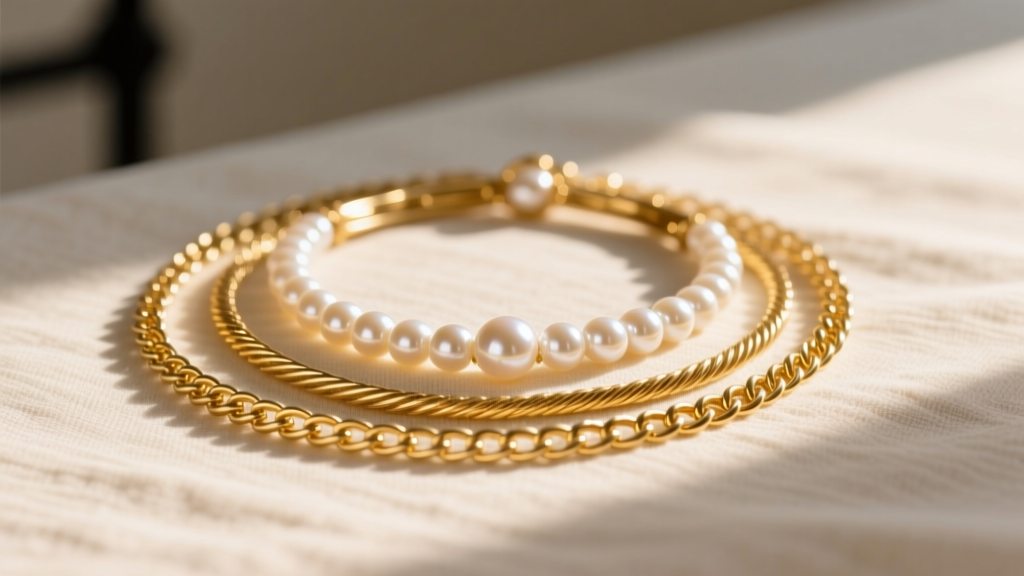
The "Emma Chamberlain necklace" look has defined a generation of jewelry styling. As we move through 2026, her signature aesthetic—characterized by the effortless layering of vintage solid gold chains, delicate coin pendants, and occasional freshwater pearl chokers—remains a dominant force in fashion. However, achieving this curated, messy-chic vibe requires wearing multiple pieces simultaneously, which introduces unique maintenance challenges. When you stack three or four necklaces of varying lengths and weights, you aren't just dealing with standard wear and tear; you are creating a micro-environment of friction, sweat accumulation, and material degradation.
Proper care for this specific layered aesthetic requires moving beyond generic jewelry wipes. You must understand the metallurgy of your chains and the organic nature of your pearls. This comprehensive guide breaks down the exact material science, cleaning protocols, and storage frameworks required to keep your layered necklaces looking intentionally vintage, rather than accidentally neglected.
Material Breakdown: What Are You Actually Wearing?
To clean your jewelry safely, you must first identify the exact materials in your layered stack. The Emma Chamberlain aesthetic typically relies on three distinct material categories, each with vastly different chemical tolerances.
Solid 14k and 18k Gold Chains
The foundation of the look often involves heavier, vintage solid gold chains (like rope or curb links). Solid 14k gold is an alloy containing 58.3% pure gold, mixed with metals like copper and silver for durability. It is highly resistant to tarnish and can withstand mild chemical cleaners and ultrasonic vibrations, provided there are no porous gemstones attached.
Gold Vermeil Pendants and Links
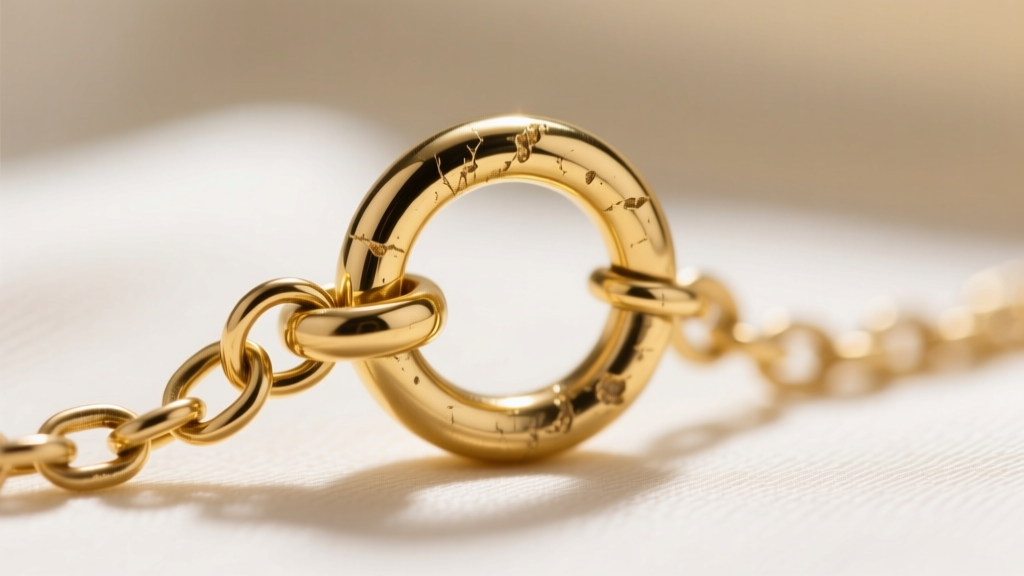
Many accessible pieces used to achieve this look are gold vermeil. By legal definition, vermeil must consist of a sterling silver base plated with at least 2.5 microns of 10k, 14k, or 18k gold. While beautiful, the gold layer is microscopic. Aggressive polishing or harsh chemicals will strip the gold, exposing the oxidizing silver beneath.
Freshwater Pearl Accents
A hallmark of the Chamberlain style is mixing hard metals with organic gems, specifically freshwater pearl chokers. Pearls are composed of nacre (calcium carbonate) and have a Mohs hardness of just 2.5 to 3.0. They are incredibly porous and highly reactive to the lactic acid, urea, and salts found in human sweat, as well as the alcohols in perfumes.
Step-by-Step Cleaning Protocols by Material
Never use a one-size-fits-all approach on a layered stack. Remove all necklaces and separate them by material before beginning your cleaning routine.
Protocol A: The Surfactant Soak (Solid Gold Only)
For your solid 14k and 18k gold chains, the goal is to lift sebum and dead skin cells from the intricate links without scratching the alloy.
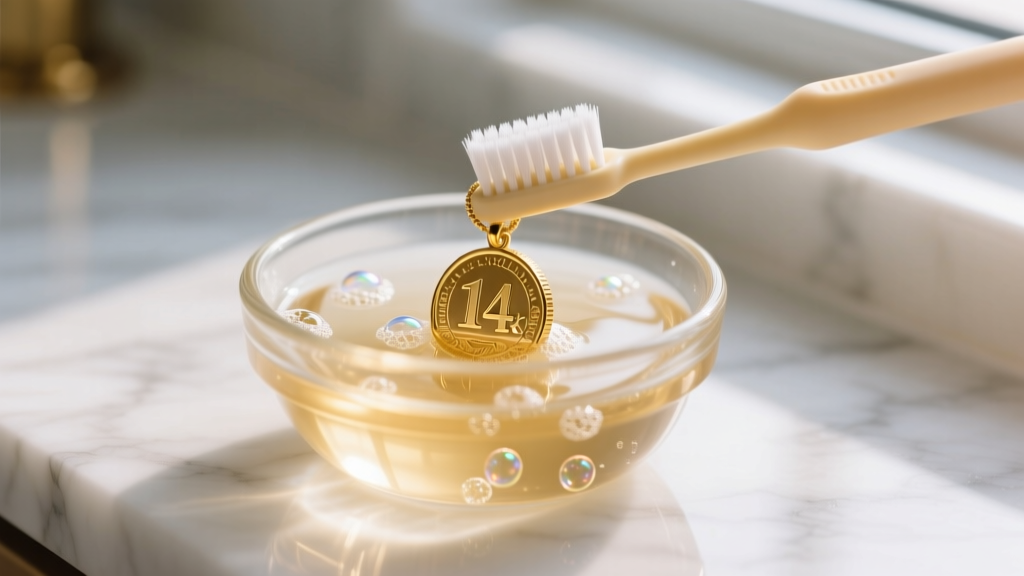
- The Solution: Mix exactly one drop of mild, phosphate-free dish soap (like Dawn) into 8 ounces of distilled water. Distilled water is critical; tap water contains hard minerals that can leave microscopic calcium deposits on the gold, dulling its shine.
- The Soak: Submerge the solid gold chains for 3 to 5 minutes. Do not exceed this, as prolonged water exposure can weaken the silk or nylon threads used in some vintage clasps.
- The Agitation: Use an extra-soft baby toothbrush (bristle diameter under 0.1mm). Gently sweep the bristles along the clasp mechanisms and jump rings, where debris accumulates most heavily.
- The Rinse & Dry: Rinse under lukewarm distilled water and pat dry with a lint-free microfiber cloth. Allow to air dry completely before storing.
Protocol B: The Dry Microfiber Polish (Vermeil)
Never submerge gold vermeil in liquid cleaners. Liquids can seep into the microscopic pores of the plating and cause the underlying sterling silver to oxidize, leading to a bubbling effect that permanently ruins the piece.
- The Technique: Use a clean, dry, high-density jeweler's microfiber cloth.
- The Motion: Gently pinch the chain between the cloth and pull it through. Do not rub aggressively. The friction from daily layering already wears down the 2.5-micron gold layer; aggressive polishing will accelerate this failure mode.
- Clasp Care: Use a dry cotton swab to clean out the crevices of the lobster clasp and spring ring mechanisms.
Protocol C: The Damp Wipe (Pearls)
According to the Gemological Institute of America (GIA), pearls should be the last thing you put on and the first thing you take off. They require immediate post-wear care.
- The Wipe: After every wear, gently wipe the pearls with a soft, slightly damp (water only) cotton cloth to remove skin acids and oils.
- The Warning: Never use ultrasonic cleaners, steam cleaners, or any ammonia-based solutions on pearls. These will instantly dissolve the nacre, leaving you with dull, chalky beads.
The Layering Friction Problem (And How to Fix It)
The most significant threat to the Emma Chamberlain necklace aesthetic is layering friction. When you wear an 18-inch solid 14k gold cable chain over a 16-inch gold vermeil choker, the heavier, harder solid gold chain acts like a microscopic file against the softer vermeil layer. This causes the vermeil plating to wear off prematurely at the nape of the neck and the clasp junctions.
To mitigate this, you must understand material compatibility and employ strategic layering techniques. The Jewelers of America recommends storing and wearing pieces of similar hardness together to prevent micro-abrasions.
| Cleaning Method | Solid 14k/18k Gold | Gold Vermeil (2.5μm) | Freshwater Pearl |
|---|---|---|---|
| Mild Soapy Water Soak | ✅ Safe (Distilled Water) | ❌ Avoid (Causes Bubbling) | ❌ Never Submerge |
| Ultrasonic Cleaner | ✅ Safe (No Stones) | ❌ Strips Plating | ❌ Shatters Nacre |
| Polishing Cloth (Treated) | ✅ Safe | ⚠️ Use Untreated Only | ❌ Scratches Surface |
| Dry Microfiber Wipe | ✅ Safe | ✅ Best Method | ✅ Safe (Post-Wear) |
Pro-Tip for Layering: To reduce friction wear on your vermeil pieces, mix chain styles rather than stacking identical ones. Pairing a smooth box chain with a textured rope chain reduces the surface-area contact between the metals, significantly decreasing the rate of friction-induced plating loss.
Storage Hacks to Prevent the Tangled Bird's Nest
The effortless look of layered necklaces is instantly ruined when you have to spend ten minutes untangling a knot of delicate chains. Proper storage is a critical component of jewelry maintenance.
- The Polyethylene Rule: Store each necklace individually in a small, zip-seal polyethylene bag. Polyethylene is chemically inert. Avoid PVC plastics, which can trap moisture and emit sulfur gases that accelerate the tarnishing of the sterling silver base in vermeil pieces.
- Anti-Tarnish Strips: Drop a 3M anti-tarnish strip into your primary jewelry box or travel roll. These strips absorb airborne hydrogen sulfide and sulfur dioxide, the primary culprits behind silver and low-karat gold tarnish.
- The Clasp Trick: When placing a chain into a storage bag, leave the clasp unfastened but drape one end outside the zip-seal line before sealing it. This prevents the clasp from sliding down and catching on the delicate links during transit.
When to Seek Professional Jewelry Maintenance
While daily and weekly maintenance can be handled at home, certain failure modes require a professional bench jeweler. If the gold vermeil on your favorite pendant has worn through to the silver base, do not attempt to polish it. Take it to a jeweler for a re-plating service. A professional can strip the remaining gold, polish the sterling silver core, and electroplate a fresh, even layer of 2.5 to 3.0 microns of gold, restoring the piece to factory condition.
Similarly, if your freshwater pearl choker features a silk knot between each bead, inspect the thread annually. If you notice stretching, fraying, or a dulling of the silk, the necklace must be professionally re-strung. Wearing a compromised silk strand risks a catastrophic break, scattering organic gems that are incredibly difficult to match in luster and overtone. By respecting the material science behind your favorite layered looks, you ensure your jewelry remains a staple of your wardrobe for years to come.


