Emo Necklaces Buying Guide: Styles, Metals & Care (2026)
Discover the ultimate 2026 buying guide for emo necklaces. Learn about 316L steel, chain weaves, hardware gauges, and layering techniques.

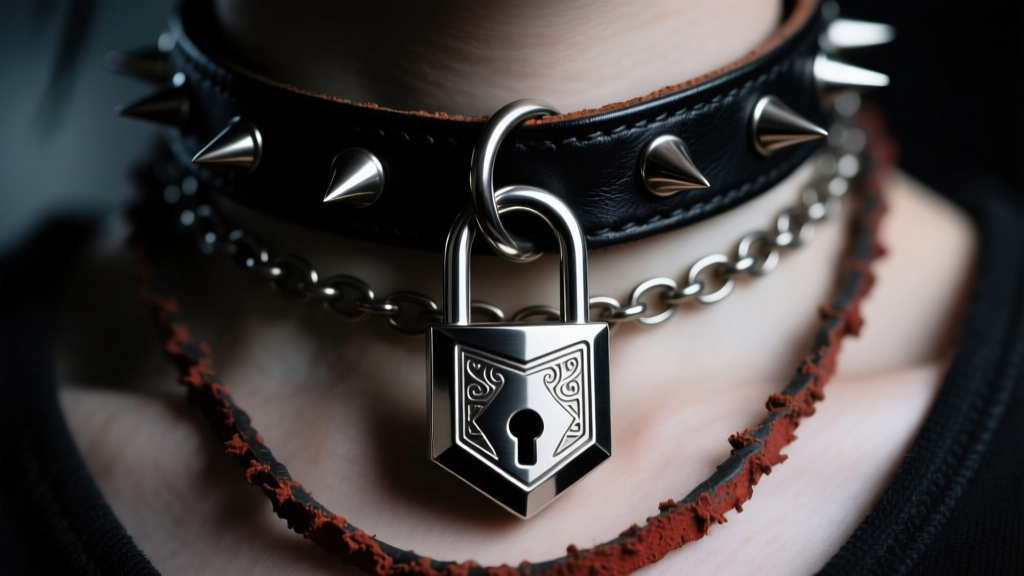
The resurgence of alternative fashion has firmly planted emo necklaces back into the mainstream wardrobe, but the market in 2026 is vastly different from the mall-kiosk era of the mid-2000s. Today, the alt-jewelry space is divided between fast-fashion accessories that tarnish within a week and meticulously crafted pieces built to withstand daily wear, sweat, and mosh pits. Whether you are hunting for a heavy steel padlock pendant, a velvet choker with a gothic cross, or a layered safety-pin chain, understanding the metallurgy and hardware mechanics behind these pieces is critical. This comprehensive buying guide breaks down exactly what to look for when investing in emo and scene-inspired neckwear.
The Anatomy of Authentic Emo Motifs
Before evaluating metals, it is essential to understand the core visual language of emo jewelry. Authentic pieces rely on industrial, punk, and gothic motifs that convey a specific subcultural identity. When shopping, look for these foundational elements:
- Hardware & Utility: Padlocks, safety pins, carabiners, and heavy O-rings. These pieces often double as functional hardware, requiring high-tensile metals.
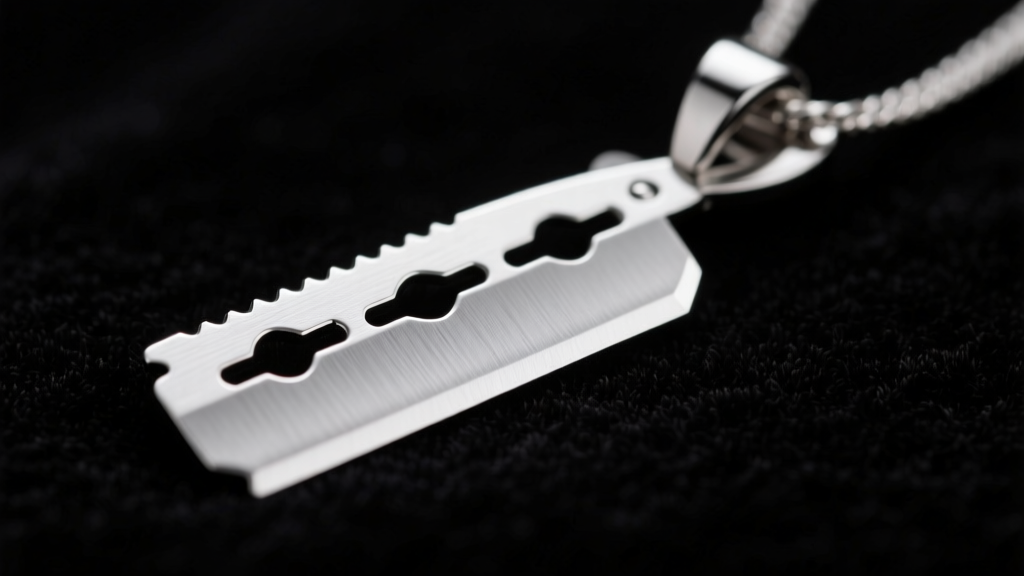
- Edged & Industrial: Razor blades, barbed wire, and nail pendants. High-quality versions feature blunt, polished edges to prevent snagging on clothing or scratching the skin.
- Gothic & Macabre: Anatomical hearts, crucifixes, bats, and coffin shapes. These are typically cast rather than stamped, allowing for intricate, three-dimensional detailing.
- Collars & Chokers: Spiked leather, studded velvet, and heavy chain chokers that sit flush against the collarbone.
Material Grades: What Survives Sweat and Friction
The most common point of failure in alternative jewelry is poor material selection. Emo necklaces are often worn tightly against the neck, an area prone to high sweat accumulation and friction. Here is how the primary metals stack up.
316L Surgical Stainless Steel (The Gold Standard)
For heavy, industrial-looking emo necklaces, 316L surgical steel is the undisputed champion. It contains molybdenum, which provides exceptional resistance to chloride corrosion (i.e., sweat and saltwater). It is hypoallergenic, highly scratch-resistant, and maintains a dark, gunmetal-grey polish that perfectly suits the alternative aesthetic. According to the American Academy of Dermatology, while 316L does contain trace amounts of nickel, the metal is bound so tightly in the alloy matrix that it rarely triggers contact dermatitis unless the wearer has a severe, documented allergy.
925 Sterling Silver (The Premium Choice)
For intricate gothic motifs or fine alternative jewelry, 925 sterling silver (92.5% pure silver, 7.5% copper) offers superior casting detail. However, the copper content means it will oxidize and tarnish when exposed to the sulfur in human sweat and environmental pollutants. If you buy a sterling silver razor blade or cross pendant, you must commit to regular polishing. It is also significantly softer than steel, meaning thin silver chains can stretch or snap under the weight of heavy pendants.
Zamak and Base Metals (The Danger Zone)
Zamak (a zinc alloy mixed with aluminum, magnesium, and copper) is heavily used in fast-fashion emo jewelry. It is cheap to cast but highly brittle. A Zamak padlock pendant dropped on a hard floor will likely shatter. Furthermore, these base metals are often plated with a microscopically thin layer of silver or black rhodium that wears off in weeks, exposing the skin to raw zinc and nickel, leading to severe green discoloration and rashes. Always check product descriptions for 'solid metal' or 'stainless steel' and avoid listings that simply say 'alloy'.
Hardware and Failure Points: A Technical Look
A pendant is only as secure as the hardware connecting it to the chain. The most frequent failure mode in heavy emo necklaces is the jump ring pulling apart. A standard jewelry jump ring is made from 18-gauge (1.0mm) or 20-gauge (0.8mm) wire. If you attach a solid steel, 40-gram padlock pendant to an unsoldered 20-gauge jump ring, the downward force and lateral swinging will eventually pry the ring open, causing you to lose the pendant.
The Fix: When buying heavy pendants, inspect the connection point. You need either a soldered jump ring (where the seam is welded shut) or a heavy-duty jump ring made from 14-gauge (1.6mm) or 12-gauge (2.0mm) wire. Additionally, avoid spring-ring clasps on heavy chains; they lack the structural integrity to hold thick curb chains and often fail when caught on a sweater. Opt for oversized lobster clasps or, ideally, a magnetic clasp with a safety catch.
Chain Weaves: Durability vs. Aesthetics
The chain you choose dictates both the visual weight of the necklace and its functional durability. Below is a breakdown of the most common chain weaves used in alt-fashion.
| Chain Weave | Visual Profile | Durability & Snag Factor | Best For |
|---|---|---|---|
| Curb Chain | Flat, interlocking oval links. Industrial and bold. | Extremely high. Lies flat, rarely snags on hair or clothing. | Heavy pendants, standalone chokers, layering base. |
| Figaro Chain | Pattern of three short links followed by one long link. | High. Similar to curb but with a more rhythmic, classic alt look. | Standalone necklaces, mid-weight crosses or keys. |
| Box Chain | Square links forming a smooth, continuous geometric tube. | Moderate to High. Can kink if bent backward sharply. | Sleek, modern gothic pendants, thinner layering pieces. |
| Rope Chain | Twisted links resembling a woven rope. Highly reflective. | Low. Highly prone to snagging on body hair, lace, and knits. | Lightweight wear, avoiding high-friction environments. |
Sizing and The Emo Layering Framework
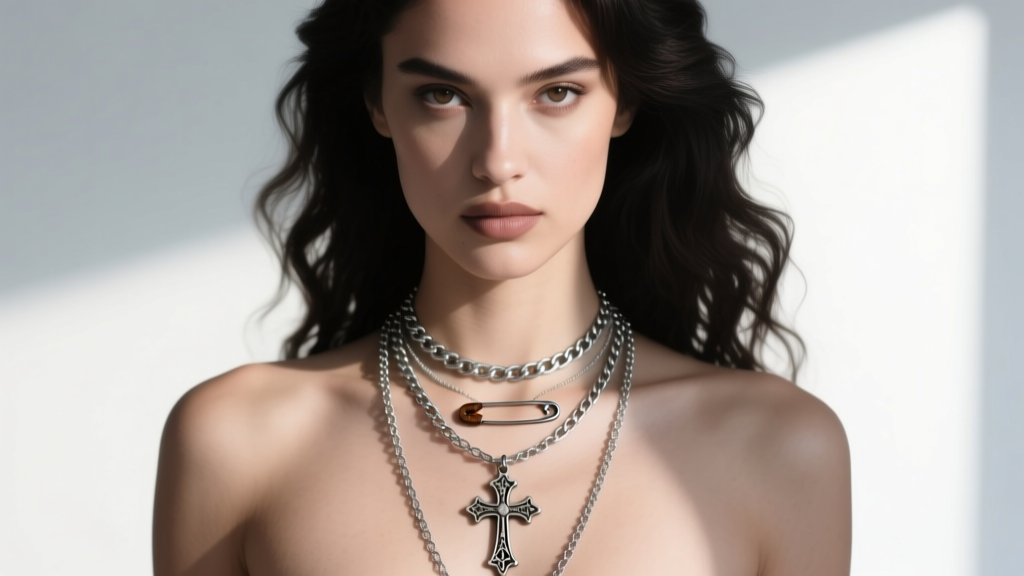
The quintessential emo necklace look relies heavily on layering multiple chains of varying lengths and textures. To avoid a tangled, cluttered mess, follow the '2-4-6 Layering Framework' based on standard necklace lengths:
- The Choker (14 to 16 inches): This sits snugly at the base of the neck. Ideal for a leather spiked collar, a velvet ribbon with a small cameo, or a tight 3mm steel curb chain. Note: Always buy chokers with a 2-inch extender chain, as neck swelling throughout the day can make a fixed 14-inch chain uncomfortable.
- The Princess (18 inches): Resting just below the collarbone, this is the anchor for your primary pendant. This is where your heavy padlock, large anatomical heart, or elongated gothic cross should hang.
- The Matinee (22 to 24 inches): Dropping to the sternum, this layer adds verticality. Use a thinner chain, such as a 2mm Figaro or a simple black cord, featuring a smaller, secondary motif like a safety pin or a tiny bat.
Price Tiers and Sourcing in 2026
Knowing where to shop prevents overpaying for base metals disguised as premium steel.
- Fast Fashion ($12 - $25): Brands on Amazon or TikTok Shop. Expect Zamak alloys, thin electroplating, and high failure rates. Buy only for occasional, short-term wear (e.g., a specific concert or photoshoot).
- Independent Alt-Artisans ($35 - $90): Sourced via Etsy or specialized alt-jewelry boutiques. This is the sweet spot for 316L stainless steel, hand-assembled hardware, and accurate 14-gauge jump rings. You are paying for structural integrity and accurate subcultural designs.
- Fine Alternative ($120 - $350+): Designers working in solid 925 sterling silver or 14k white/black gold. These pieces feature pavé-set black diamonds, onyx inlays, and precision-cast gothic motifs. They require meticulous care but serve as lifelong heirloom pieces.
Care and Maintenance for Alternative Metals
Maintaining the dark, moody aesthetic of emo necklaces requires specific care routines. If your steel jewelry loses its dark, oxidized contrast in the crevices, avoid harsh chemical dips. Instead, use a soft-bristled toothbrush with mild dish soap to clean the surface, and intentionally apply a sulfur-based liver of sulfur solution to re-blacken the recessed areas, polishing only the high points with a microfiber cloth. For leather chokers, condition the material every six months with a dedicated leather balm to prevent the sweat-saturated band from drying out, cracking, and snapping under tension.
'The hallmark of true alternative style isn't just the motif you wear, but the permanence of the piece. A well-crafted 316L steel chain outlives trends, serving as a reliable anchor for your personal expression.' — Contemporary Alt-Fashion Archival Guidelines
By prioritizing 316L surgical steel, demanding soldered or heavy-gauge hardware, and utilizing structured layering techniques, you can curate a collection of emo necklaces that is as structurally resilient as it is visually striking. Avoid the trap of cheap alloys, and invest in pieces engineered to endure the physical demands of the alternative lifestyle.


