Evie Necklace Material Guide: Vermeil vs Solid Gold vs Platinum
Discover the best metal for your Evie necklace. We compare 18k gold vermeil, solid 14k gold, and platinum for durability, pricing, and everyday wear.

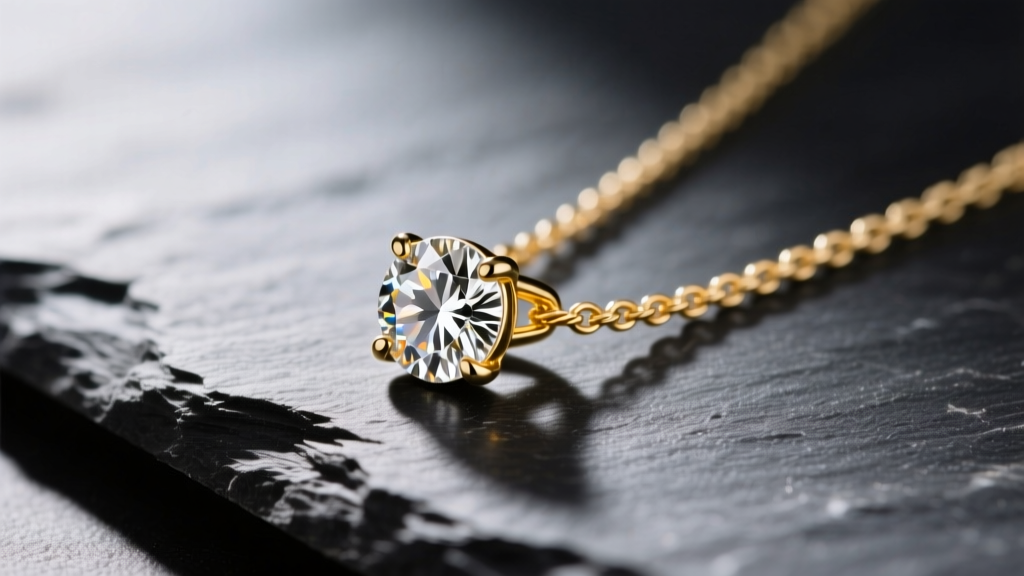
The Anatomy of the Classic Evie Necklace
The evie necklace has cemented its place as a modern jewelry staple, characterized by a delicate cable chain and a single, understated solitaire pendant. Typically featuring a bezel-set or minimalist prong-set gemstone—ranging from a 2mm diamond to a vibrant sapphire—the design relies entirely on the structural integrity and visual warmth of its metalwork. Because the chain gauge is intentionally fine (usually hovering between 0.8mm and 1.2mm), the choice of metal dictates not just the price, but the literal lifespan of the piece.
As jewelry shoppers become more educated on metallurgy and sustainable purchasing in 2026, understanding what goes into your everyday pendant is critical. A delicate chain experiences constant micro-friction at the links and the clasp. Choosing the wrong material for your lifestyle can result in a snapped chain within months. Below, we break down the three most common metals used in Evie-style necklaces, analyzing their alloy compositions, hardness, and long-term wearability.
Material Breakdown: What Are You Actually Buying?
18k Gold Vermeil (The Entry-Level Choice)
Gold vermeil (pronounced ver-may) is not simple gold plating. According to the Federal Trade Commission (FTC) Jewelry Guides, vermeil must consist of a 925 sterling silver base coated with a minimum of 2.5 microns of 10k, 14k, or 18k gold. High-end jewelers often push this to 3 or 4 microns for better longevity.
- Pros: Offers the rich, buttery hue of 18k gold at a fraction of the cost (typically $80 to $150). The sterling silver base makes it more skin-safe than brass-based plated jewelry.
- Cons: The gold layer will eventually wear away, particularly at the clasp and the links nearest to the pendant bail, revealing the silver underneath. It cannot be aggressively polished without stripping the gold.
Solid 14k and 18k Gold (The Everyday Standard)
Solid gold is an alloy. Pure 24k gold is too soft for a 0.9mm cable chain; it would stretch and snap under the weight of a pendant. Therefore, jewelers mix pure gold with strengthening metals like copper, silver, and zinc. According to the Gemological Institute of America (GIA), 14k gold contains 58.5% pure gold, while 18k contains 75%.
- 14k Gold: Harder and more scratch-resistant due to its higher alloy content. It is the superior choice for ultra-delicate Evie chains (0.8mm - 1.0mm) because it resists stretching and snapping. Pricing generally ranges from $250 to $450.
- 18k Gold: Softer, richer in color, and more prone to micro-scratches, but highly prized for its premium luster. Best for slightly thicker chains (1.1mm+). Expect to pay $400 to $700+.
Platinum (The Heirloom Upgrade)
Platinum is a dense, naturally white metal that is typically alloyed at 95% purity (often with ruthenium or iridium). It is hypoallergenic and incredibly durable, though it behaves differently than gold. Instead of losing metal when scratched, platinum simply displaces, developing a soft, frosted 'patina' over time.
- Pros: Unmatched tensile strength for delicate chains. It will never tarnish or wear away to reveal a base metal. The prongs holding your Evie pendant's gemstone will remain secure for decades.
- Cons: Heavy and expensive. A platinum Evie necklace will easily cost 2.5 to 3 times more than its 14k gold counterpart, often starting around $800 and climbing past $1,500 depending on the diamond quality.
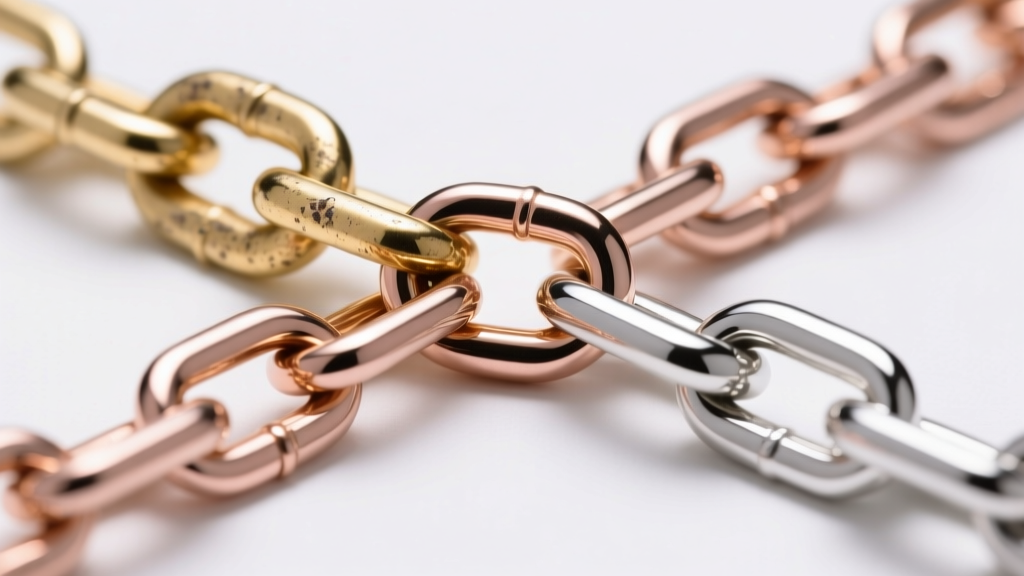
Head-to-Head Comparison Chart
Use this matrix to evaluate which metal aligns with your budget and wear-and-tear expectations.
| Property | 18k Gold Vermeil | Solid 14k Gold | Solid 18k Gold | 950 Platinum |
|---|---|---|---|---|
| Base/Alloy | 925 Silver + 2.5μm Gold | 58.5% Gold + Alloys | 75% Gold + Alloys | 95% Pt + 5% Ru/Ir |
| Tarnish Risk | Moderate (as it wears) | Very Low | None | None |
| Chain Durability | Low (Prone to snapping) | High (Excellent tensile strength) | Moderate (Can stretch) | Very High (Superior strength) |
| Avg. Price Range | $80 - $150 | $250 - $450 | $400 - $700 | $800 - $1,500+ |
| Best For | Occasional wear / Trends | Everyday / Active lifestyles | Luxury / Desk jobs | Heirlooms / Sensitive skin |
Chain Gauge and Clasp Mechanics
The failure point of 90% of delicate necklaces is not the chain itself, but the jump ring connecting the pendant or the spring-ring clasp. When buying an evie necklace, pay close attention to the gauge (thickness) of the cable chain and the hardware used.
Understanding Millimeter Gauges
- 0.7mm - 0.8mm: Extremely fragile. Only recommended in solid 14k gold or platinum. If you buy a vermeil chain at this thickness, the gold will wear off at the friction points within six months, and the silver core will likely snap.
- 0.9mm - 1.0mm: The industry sweet spot for Evie pendants. It offers a delicate, barely-there aesthetic while maintaining enough structural integrity to support a 3mm to 5mm bezel-set gemstone.
- 1.2mm - 1.5mm: Noticeably thicker. Better suited for heavier pendants or layering setups where the chain needs to hold its own against chunkier companion pieces.
The Clasp Factor
Always inspect the clasp. A standard 4mm spring-ring clasp is common on vermeil and lower-priced solid gold pieces, but the internal steel spring can rust if exposed to water, and the tiny lever is difficult to operate. Upgrade to a lobster clasp (preferably 5mm or 6mm) for everyday wear. High-end 18k gold and platinum Evie necklaces often feature custom-machined box clasps or seamless lobster clasps cast in the same metal as the chain, eliminating galvanic corrosion risks.
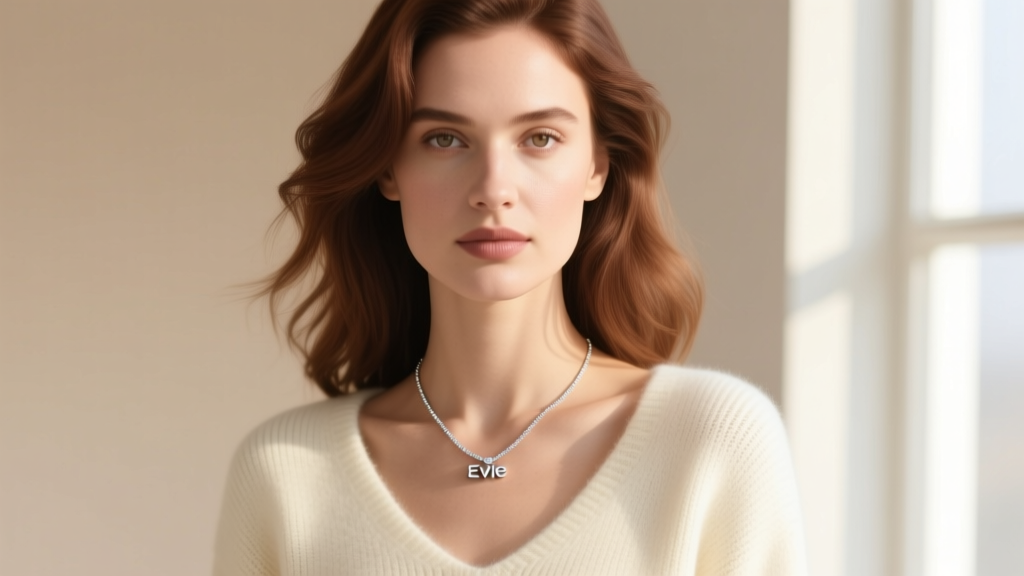
How to Choose Based on Lifestyle
Your daily routine should dictate your metallurgical choice. An Evie necklace is often worn as a 'never-take-off' piece, meaning it will encounter showers, gym sessions, and sleep.
The Active & Aquatic Lifestyle
If you sweat daily, swim in chlorinated pools, or refuse to take your jewelry off in the shower, solid 14k gold or platinum are your only viable options. Chlorine is highly reactive and can cause micro-fractures in the copper alloys of lower-karat golds over time, but 14k holds up reasonably well if rinsed. Vermeil will degrade rapidly in these conditions as the porous gold layer allows moisture to reach the sterling silver core, leading to rapid oxidation and blackening.
The Office & Evening Lifestyle
If your necklace is put on in the morning and taken off before bed, avoiding heavy perspiration and chemicals, 18k gold vermeil is a highly economical choice. You can afford to buy three different gemstone variations of the Evie pendant (e.g., emerald, sapphire, diamond) for the price of one solid gold piece, allowing you to match your stones to different outfits.
Care and Maintenance Protocols
Maintaining the brilliance of your Evie necklace requires specific protocols based on its material composition.
- For Vermeil: Never use ultrasonic cleaners or harsh chemical dips. The high-frequency vibrations can literally shake the microscopic gold layers off the silver base. Clean only with a few drops of mild dish soap, lukewarm water, and a baby-soft toothbrush. Dry immediately with a microfiber cloth.
- For Solid Gold: Safe for ultrasonic cleaning (provided the pendant stone is not a fragile emerald or opal). You can use commercial jewelry polishing cloths to restore the high-polish shine to the cable links.
- For Platinum: Platinum's patina can be buffed out by a professional jeweler using a high-speed wheel and rouge compound, restoring it to a mirror finish. At home, simply wash with warm soapy water to remove skin oils and lotion buildup that dull the diamond or gemstone.
Ultimately, the evie necklace is a masterclass in minimalist design. By matching the metal's metallurgical properties to your specific budget and lifestyle, you ensure that this delicate staple remains a permanent fixture in your jewelry rotation for years to come.


