How to Restore a Faded Pink Freshwater Pearl Necklace
Learn how to troubleshoot and restore a faded pink freshwater pearl necklace. Expert tips on fixing chalky luster, color loss, and frayed silk threads.

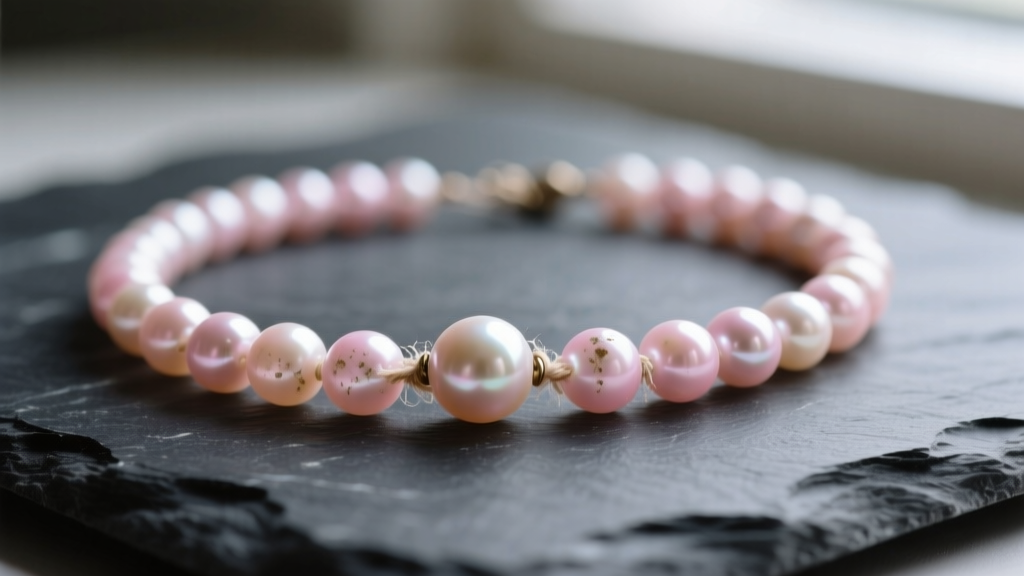
There are few things more disheartening for a jewelry collector than pulling a beloved pink freshwater pearl necklace out of its box, only to find it looking dull, chalky, or structurally compromised. Unlike saltwater Akoya or South Sea pearls, freshwater pearls are composed of nearly 100% solid nacre. While this makes them incredibly durable against chipping, their complex matrix of aragonite platelets and conchiolin protein makes them uniquely vulnerable to environmental degradation, chemical etching, and improper storage. In the 2026 estate and vintage market, we are seeing a surge of improperly stored bead-nucleated Edison pearls suffering from severe dehydration and dye migration.
If your pink freshwater pearl necklace has lost its signature glow or is showing signs of physical wear, do not rush to a commercial ultrasonic cleaner. This comprehensive troubleshooting guide will help you diagnose the exact point of failure and execute a professional-grade restoration protocol.
The Chemistry of Pearl Degradation: Why Luster Fades
Pearl luster is not a surface polish; it is the result of light refracting through dozens of microscopic layers of aragonite crystals held together by conchiolin. When your pink freshwater pearl necklace develops a "chalky" or matte appearance, it means the outer aragonite layers have been chemically etched or physically abraded. Human sweat has a pH ranging from 4.5 to 7.0, and the lactic and uric acids present will slowly dissolve the calcium carbonate structure of the pearl. Furthermore, everyday cosmetics, hairsprays, and perfumes contain alcohols and volatile organic compounds (VOCs) that strip the pearl's natural moisture, leading to micro-fissures on the surface.
Troubleshooting Chalky Luster and Surface Etching
If your pearls look cloudy and lack their former mirror-like reflection, you are likely dealing with surface etching. While you cannot "re-grow" dissolved nacre, you can clean the pores and rehydrate the conchiolin matrix to restore optical clarity.
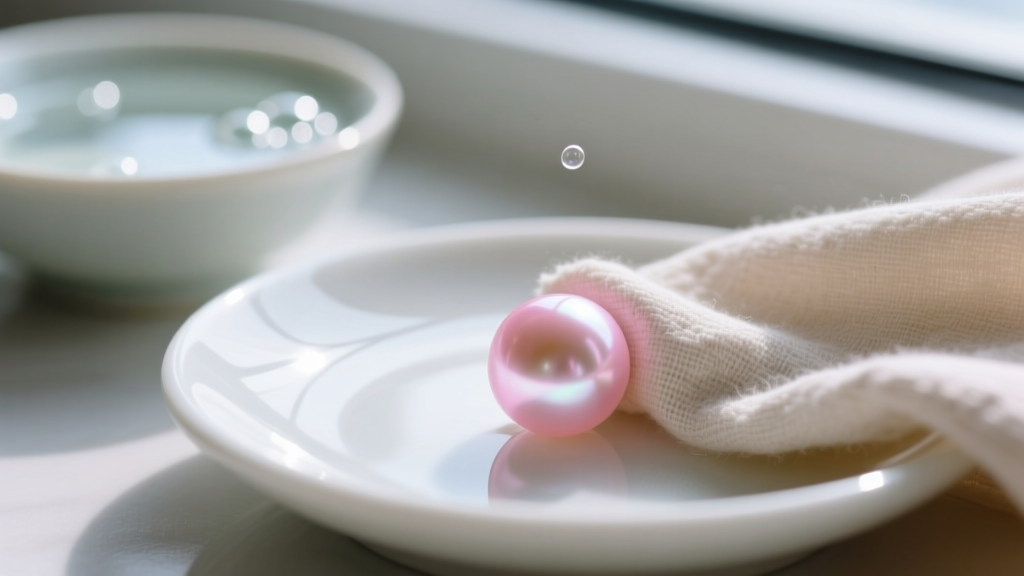
The Safe Cleaning Protocol
Never submerge a knotted pearl necklace in water. Submerging weakens the silk thread and traps moisture inside the drill holes, which can cause the pearl to crack from the inside out or rot the silk. Instead, use this targeted approach:
- The Solution: Mix 1 cup of room-temperature distilled water with exactly one drop of unscented, pH-neutral Castile soap (such as Dr. Bronner's Unscented Baby). Avoid tap water, as chlorine and fluoride can leave microscopic mineral deposits.
- The Application: Dampen a lint-free microfiber cloth in the solution and wring it out until it is barely moist. Gently wipe each pearl individually, applying zero downward pressure.
- The Rinse: Use a second cloth dampened only with distilled water to remove any soap residue.
- The Drying Phase: Lay the necklace completely flat on a dry, clean cotton towel in a climate-controlled room (45-55% humidity) for 24 hours before wearing or storing. Hanging it while wet will stretch the silk permanently.
According to the Gemological Institute of America (GIA), pearls should always be the last thing you put on and the first thing you take off to prevent contact with acidic cosmetics and perfumes.
The Color Conundrum: Is Your Pink Pearl Fading?
One of the most common complaints we field at Jewel Style Radar is the fading of pink freshwater pearls. To troubleshoot this, you must first understand the origin of your pearl's color. True, untreated natural pink freshwater pearls are exceptionally rare and usually manifest as very pale, peachy-pastels. The vast majority of vibrant, hot pink, or deep magenta freshwater pearls on the market have undergone treatment. As outlined by the GIA's guide on pearl treatments, color alteration is standard industry practice, but it dictates how your necklace will age.
| Pearl Type | Color Origin | Fade Risk | Troubleshooting Test |
|---|---|---|---|
| Natural Peach/Pink | Trace elements (Zinc/Manganese) | Low | None needed; color is stable. |
| Irradiated | Gamma rays alter manganese in the freshwater mussel shell bead | Medium | X-ray fluorescence (requires a lab). |
| Dyed | Organic or inorganic dyes introduced via drill holes | High | Acetone swab test on a hidden area. |
Performing the Acetone Swab Test
If you suspect your pink freshwater pearl necklace is dyed and the color is bleeding onto your skin or clothing, you need to confirm the treatment. Dip a cotton swab in pure acetone (nail polish remover) and rub it gently on the surface of a pearl located near the clasp, where it is least visible. If the swab turns pink, your pearls are surface-dyed. Dyed pearls will inevitably fade when exposed to UV light and skin oils. There is no way to "restore" escaped dye; the only solution is to have the necklace professionally re-dyed by a lapidary specialist or embrace the vintage, faded patina.
Structural Triage: Silk Threads and Clasps
A necklace is only as strong as its stringing material. Freshwater pearls are heavy, especially modern Edison pearls which can measure 11mm to 14mm in diameter. If your necklace looks stretched, or if you can see the thread between the knots, structural failure is imminent.
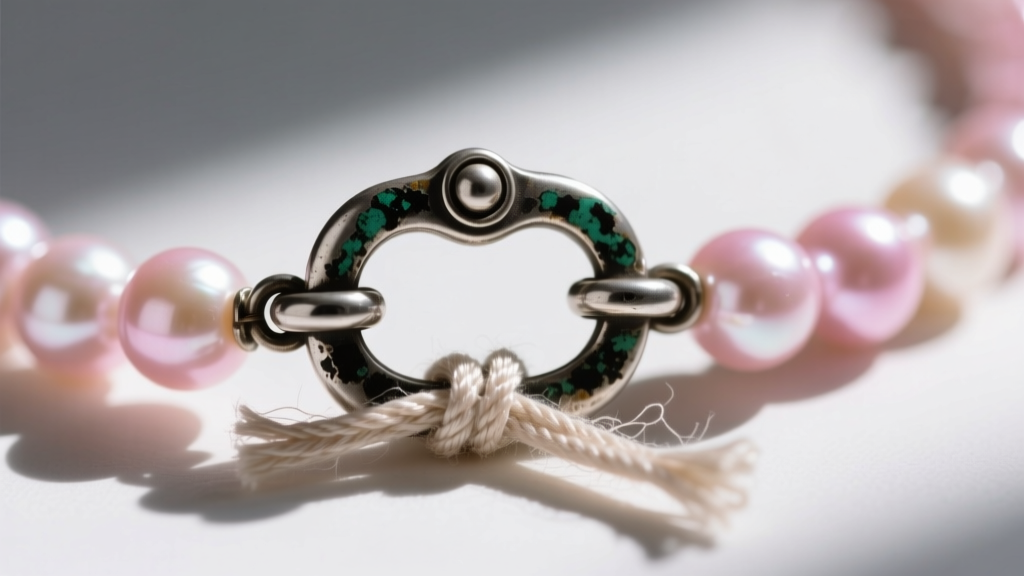
Diagnosing Thread and Clasp Failures
- Thread Stretching: If the pearls slide freely between knots rather than sitting snugly, the silk has lost its tensile integrity. This happens due to the weight of the pearls combined with ambient humidity and skin oils. A 7-8mm pearl necklace should be restrung every 24 to 36 months if worn weekly.
- Drill Hole Abrasion: Inspect the pearls near the clasp. If the nacre around the drill hole looks jagged or "chewed," the thread is too thin, or the necklace was strung without French wire (gimp). French wire is a tiny coiled metal spring that protects the silk from rubbing against the metal clasp ring.
- Clasp Tarnishing: If your sterling silver or gold-filled lobster clasp is blackened, it is suffering from sulfur oxidation. Clean the clasp with a dedicated silver polishing cloth, but never let the polishing cloth touch the pearls, as the embedded abrasives will permanently scratch the nacre.
The 2026 Restoration and Maintenance Protocol
Once you have cleaned the surface, assessed the color stability, and verified the structural integrity of the thread, you must implement a rigorous storage protocol to prevent future degradation. The conchiolin protein in freshwater pearls requires a specific moisture level to remain flexible and prevent the nacre from delaminating (peeling).
Optimal Storage Parameters
- Ditch the Plastic: Never store your pink freshwater pearl necklace in an airtight plastic bag or a safety deposit box without a humidity buffer. Plastic traps off-gassing chemicals and starves the pearl of the ambient moisture it needs to prevent cracking.
- The Cloth Pouch Rule: Store the necklace in a soft, untreated cotton or linen pouch. Avoid wool or synthetic felts, which can trap static and microscopic dust particles that act like sandpaper against the pearl surface.
- Humidity Buffering: If you live in an arid climate or keep your home's heating system running constantly during winter, place a small, damp (not wet) cotton ball in the corner of the jewelry box—far enough away that it does not touch the silk thread or the metal clasp.
- Lay Flat: Always store the necklace flat. Hanging a heavy freshwater pearl necklace on a jewelry tree or hook will cause gravity to permanently stretch the silk knots over time, leading to gaps and eventual snapping.
By understanding the unique material science behind your pink freshwater pearl necklace, you can move beyond generic jewelry care advice and apply targeted, scientific troubleshooting. Whether you are dealing with acid-etched luster, migrating dyes, or compromised silk, these precise interventions will ensure your pearls remain a luminous, structural triumph for decades to come.


