How to Use a Necklace Shortener Clip Without Damaging Jewelry
Learn how to use a necklace shortener clip to adjust chain lengths safely. Step-by-step guide covering material grades, gauges, and tension risks.

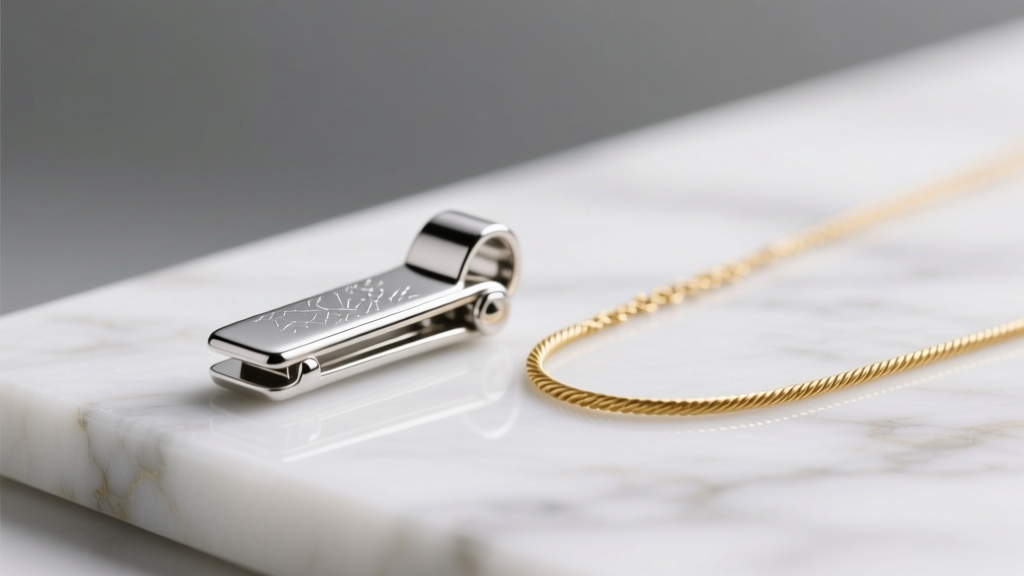
The Mechanics of the Perfect Drop
Finding the perfect necklace length is rarely a one-size-fits-all scenario. A 20-inch cable chain might drape elegantly over a V-neck sweater but sit awkwardly high on a crew-neck blouse. While taking your jewelry to a professional for soldering and resizing is an option, it is both costly and permanent. Enter the necklace shortener clip: a small, ingenious finding that allows you to dynamically adjust your chain's drop in seconds. However, as jewelry metallurgists and bench jewelers frequently warn, improper use of these clips can lead to crushed links, degraded silk threads, and irreversible structural damage to delicate chains.
In this comprehensive guide, we will break down the exact mechanics of how to use a necklace shortener clip, which chain gauges are compatible, and the physics of maintaining balance at the nape of your neck. Whether you are working with a heavy 14k gold Figaro chain or a delicate sterling silver pendant necklace, mastering this tool will expand your styling versatility without compromising your jewelry's integrity.
Anatomy of a Necklace Shortener Clip
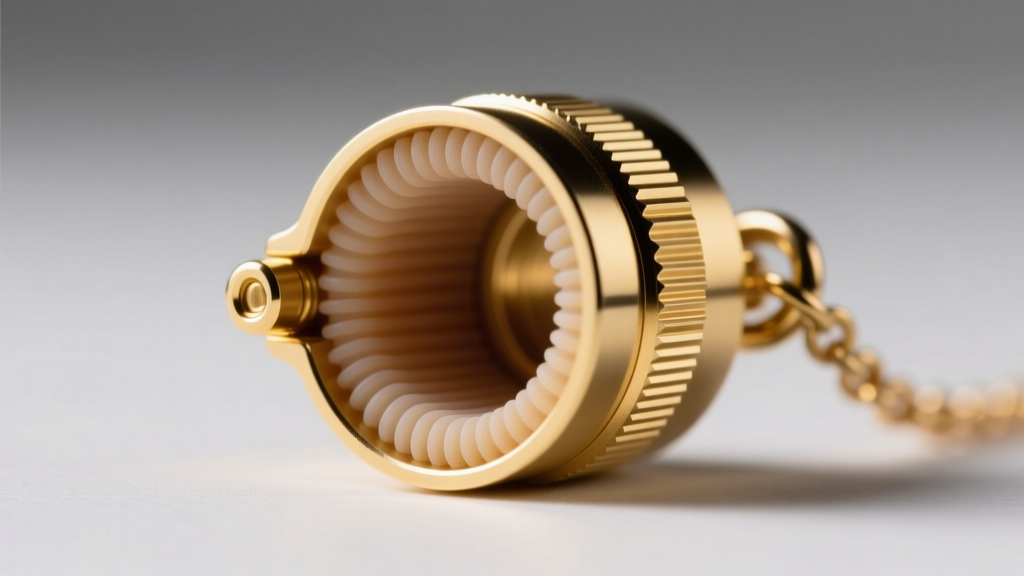
Before threading your chain, it is crucial to understand what is happening inside the barrel of the clip. Modern designs, particularly those emerging in the 2026 jewelry market, rely on a micro-tension system rather than simple friction.
Material Grades and Internal Grips
Premium shortener clips are typically cast or machined from 925 sterling silver or solid 14k gold. However, many mass-market options use gold-plated brass. According to supply experts at Rio Grande, the friction point where the chain enters and exits the clip barrel is highly susceptible to wear. On plated brass clips, this friction will quickly strip the gold layer, exposing the brass underneath, which can oxidize and cause skin discoloration.
Inside the barrel, a high-quality clip features a silicone insert. The ideal durometer (hardness) for this silicone is around 40A—soft enough to grip the metal links without scratching them, but firm enough to resist deformation under the weight of a heavy pendant. Cheaper clips use hard plastic or bare metal springs, which act like a file against softer metals like high-karat gold or fine silver.
Chain Compatibility: What Works and What Fails
Not all chains are created equal, and a necklace shortener clip is not a universal solution. The structural integrity of the chain links determines whether they can withstand the lateral pressure and friction of the clip's internal mechanism. Below is a compatibility matrix based on standard jewelry gauges and link structures.
| Chain Type | Ideal Gauge Range | Compatibility | Primary Risk Factor |
|---|---|---|---|
| Cable / Rolo Chain | 1.0mm - 2.5mm | Excellent | Minimal; links are round and resist crushing. |
| Figaro / Curb Chain | 2.0mm - 4.0mm | Good | Requires a wide-barrel clip; flat links may bend if forced into a narrow tube. |
| Box Chain | 1.0mm - 3.0mm | Poor | Sharp corners of the box links can catch on the silicone insert and tear it. |
| Snake Chain | Any | Do Not Use | The tight, continuous mesh will kink permanently when bent inside the clip barrel. |
| Hollow Rope Chain | Any | Do Not Use | The spring tension will crush the hollow tubing, causing irreversible dents. |
| Knotted Pearl Strand | N/A | Do Not Use | The metal edges will fray and snap the silk thread over time. |
For an in-depth look at chain manufacturing and link structures, the educational resources provided by Halstead Bead offer excellent visual guides on why certain links fail under pressure.
Step-by-Step Guide: Attaching and Concealing the Clip
Follow this precise methodology to shorten your chain while maintaining a natural drape and avoiding tension damage.
- Determine the Target Drop: Put on the necklace and pinch the chain at the nape of your neck where you want the new length to sit. Mark this spot mentally or with a small piece of jeweler's tape.
- Thread the Excess: Unclasp the necklace. Thread the open end of the chain through the primary hole of the necklace shortener clip. Pull it through until the clip rests at your marked target drop.
- Secure the Tension Lock: Feed the remaining excess chain back through the secondary hole (if using a dual-barrel slider) or secure it inside the micro-lobster clasp attachment. Ensure the silicone grip is fully engaged over a solid link, not a jump ring or solder point.
- Manage the Tail: The excess chain (the 'tail') will hang down. If the tail is longer than 3 inches, it will become a nuisance. Loop the tail back up and secure it to the main chain using a secondary silicone stopper or a tiny, clear elastic jewelry band.
- Conceal the Mechanism: Slide the clip up or down slightly so it rests hidden beneath your hair at the nape, or position it so it sits directly behind a heavy front-facing pendant, using the pendant's weight to anchor the drape.
The Physics of the 'Fulcrum Flip'
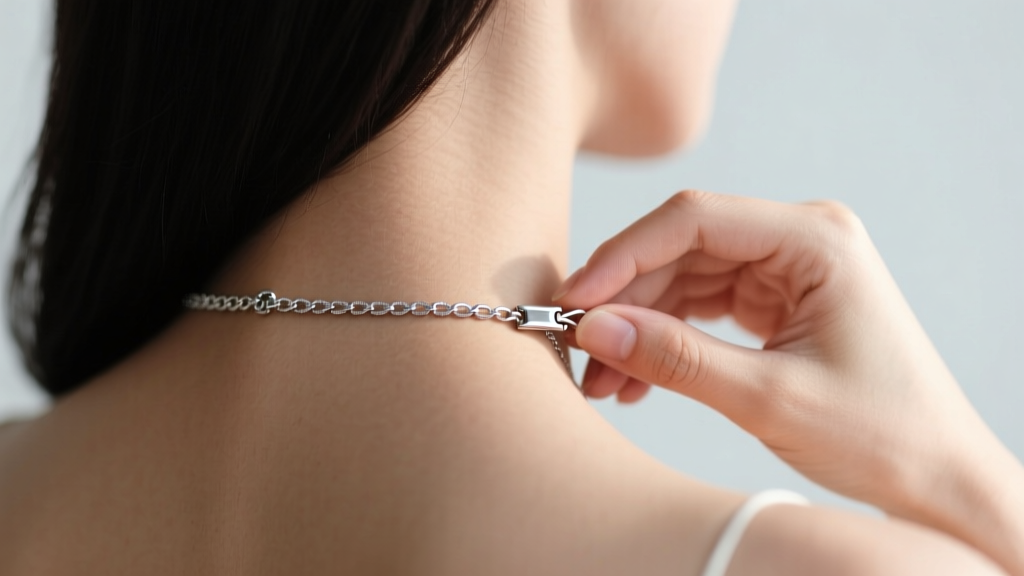
One of the most common complaints regarding shortener clips is the 'fulcrum flip'—when the clip slides up to the front of the neck or constantly turns upside down, exposing the mechanism. This is a physics issue related to weight distribution.
When you shorten a chain, the clip acts as a fulcrum. If the front pendant weighs 15 grams, but the shortener clip at the back only weighs 1 gram, the heavy pendant will pull the chain forward, dragging the lightweight clip up the back of your neck. To solve this, you must apply the 15% Rule: the shortener clip should weigh at least 15% of the total weight of the front pendant. If you are wearing a heavy gemstone pendant, opt for a solid sterling silver or solid gold barrel clip with a wider diameter to provide adequate counterbalance.
Troubleshooting Common Shortener Clip Failures
Slipping on Highly Polished or PVD Coated Chains
Chains with PVD (Physical Vapor Deposition) coatings or mirror-polished finishes have incredibly low surface friction. The standard 40A silicone insert may fail to grip these chains, causing the clip to slide down to the clasp. The Fix: Wrap a tiny piece of clear, matte-finish jeweler's tape around the chain link where the clip sits. The tape provides a high-friction surface for the silicone to grip without damaging the PVD coating underneath.
Silicone Degradation from Cosmetics
According to care guidelines from the Gemological Institute of America (GIA), jewelry is frequently exposed to lotions, perfumes, and body oils. These substances break down the polymers in silicone over time, causing the insert to become brittle or slimy. If your clip starts slipping, remove the silicone barrel (if the design allows) and clean it with isopropyl alcohol, or replace the insert entirely. Never put a shortener clip in an ultrasonic cleaner, as the high-frequency vibrations will shatter the internal silicone grip.
Alternative Adjustments When Clips Fail
If your chain is a hollow rope, a snake chain, or a knotted pearl strand, a necklace shortener clip is strictly prohibited. In these cases, you must rely on alternative adjustment methods:
- The Safety Pin Method: For lightweight chains, use a gold-plated micro-safety pin to gather the excess chain at the nape. Pin it to the inside of your collar for a temporary, zero-damage fix.
- Adjustable Extender Chains: If you frequently wear a specific pendant, have a bench jeweler remove the standard clasp and solder on a 4-inch adjustable extender chain with a silicone slider bead. This provides infinite adjustability without the bulk of a separate shortener clip.
- The Ribbon Weave: For pearl strands, weave a thin silk ribbon through the links at the desired shortening point and tie a secure, hidden bow at the nape. This eliminates metal-on-pearl friction entirely.
Conclusion
A necklace shortener clip is an indispensable tool in any jewelry lover's arsenal, offering instant versatility for layering and neckline matching. However, treating it as a universal fix for every chain type is a fast track to damaged jewelry. By respecting gauge limits, understanding the physics of weight distribution, and maintaining the internal silicone grips, you can safely adjust your favorite pieces for years to come. Always prioritize solid metals over plated findings, and when in doubt regarding delicate or hollow chains, consult a professional jeweler for a permanent, custom sizing solution.


