How to Fix, Restring, and Care for a Heishi Necklace
Learn how to troubleshoot common heishi necklace problems, from restringing broken threads to cleaning porous shell and stone beads without damage.

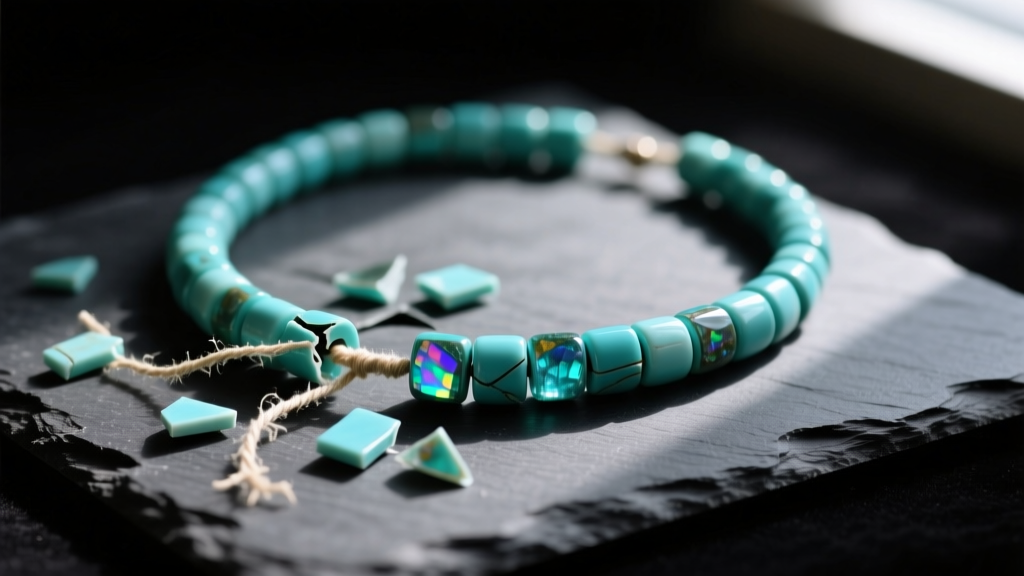
The heishi necklace is a masterclass in minimalist jewelry design. Originating from the Santo Domingo Pueblo tradition—where 'heishi' translates to 'shell bead' in the Keresan language—these necklaces are characterized by thousands of tiny, uniform disk or tube beads strung tightly together. Today, the style has evolved to include turquoise, lapis lazuli, polymer clay, and glass. However, their continuous-bead construction makes them uniquely prone to specific structural failures. When a heishi necklace snaps, kinks, or loses its luster, standard jewelry repair logic often falls short.
In this comprehensive troubleshooting guide, we will diagnose the most common heishi necklace failures and provide exact, professional-grade solutions for restringing, tensioning, and maintaining your strand.
The Anatomy of a Heishi Necklace Failure
Unlike pendant necklaces where the chain bears the brunt of the stress, a heishi necklace relies entirely on the friction and tension between the beads and the central thread. The three most common points of failure include:
- Abrasion at the Clasp: The constant bending of the thread against the metal clasp jump ring acts like a microscopic saw, eventually severing the thread.
- Internal Bead Friction: Poorly drilled stone or shell beads often have sharp, unpolished inner edges that slice through standard nylon or silk threads over time.
- Tension Kinking: If strung too tightly, the necklace behaves like memory wire, kinking and refusing to drape. If strung too loosely, the beads gap, exposing the thread to UV degradation and snagging.
Troubleshooting String Breakage: Choosing the Right Thread
The most frequent complaint is a snapped strand. This is almost always a material mismatch. Traditional silk is entirely inappropriate for heavy stone heishi, as it stretches and degrades when exposed to skin oils. Standard nylon (like Nymo) is too thin and lacks abrasion resistance. For modern heishi restringing, thermally bonded polyethylene or braided gel-spun threads are mandatory.
| Stringing Material | Diameter / Weight | Best For | Stretch Factor |
|---|---|---|---|
| WildFire (Polyethylene) | 0.006' - 0.008' | Shell, Glass, Polymer Clay | Zero Stretch |
| PowerPro (Braided Gel) | 10 lb - 20 lb test | Heavy Gemstone, Turquoise | Negligible |
| Griffin Silk | No. 4 - No. 6 | Traditional Pearl/Light Shell | High (Requires Resting) |
| Stainless Steel Wire | 49-Strand, 0.018' | Large, Heavy Tube Heishi | None (but kinks easily) |
According to the Fire Mountain Gems Beading Encyclopedia, thermally bonded threads like WildFire offer a thermoplastic coating that prevents fraying and allows you to tie secure, microscopic surgeon's knots that will not slip, making them the gold standard for heishi repair.
Solving the Tangling and Kinking Problem
A properly strung heishi necklace should drape like liquid. If your necklace is kinking or refusing to lay flat against your collarbone, the internal tension is incorrect. This happens when the beader pulls the thread taut before securing the clasp, leaving zero 'slack' for the beads to pivot.
The Golden Rule of Heishi Tension: For every 10 inches of heishi beads, you must leave approximately 1 to 1.5 millimeters of total slack. This microscopic gap allows the flat disks to pivot against one another, creating the signature fluid drape without exposing the thread.
If your necklace is already kinked and you do not want to restring it, you can sometimes 'relax' the thread by hanging the necklace from a padded hanger in a steamy bathroom for 30 minutes. The ambient heat and moisture can slightly relax synthetic fibers, allowing the beads to resettle. However, if the thread is stainless steel wire, it is permanently kinked and must be replaced.
Restringing Your Heishi Necklace: A Step-by-Step Fix
If your thread has snapped or degraded, follow this professional restringing protocol to ensure longevity.
Step 1: Protect the Clasp Connection
Never tie your thread directly to a jump ring or pass it through a clasp loop bare. The metal will eventually cut the thread. Instead, use a French wire (bullion) or a wire guardian. Cut a 1-inch piece of fine French wire, thread your beading line through it, and form a loop around the clasp jump ring. This creates a protective metal sleeve over the thread at the highest stress point.
Step 2: Stringing and Tensioning
Thread your beads using a fine beading needle or the stiffened end of the WildFire thread. As you push the beads down the strand, periodically flex the strand in a U-shape to ensure the beads are sitting flush but not binding. If you see the thread 'buckling' between beads, you are pulling too tight.
Step 3: The Micro-Crimp Finish
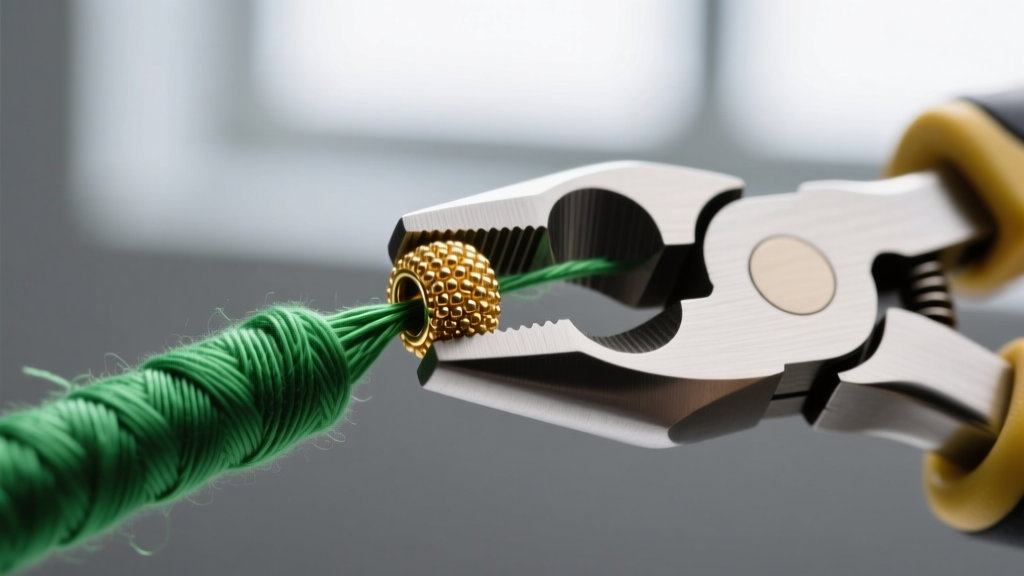
Because heishi beads are so small, standard 2mm crimp beads will look bulky and disrupt the pattern. Use 1.5mm x 1.5mm micro crimp beads. Slide the crimp over both the main thread and the tail end. Using specialized crimping pliers, compress the crimp into a U-shape, then fold it into a tight square. For a seamless look, slide a 2.5mm crimp cover over the flattened crimp and gently close it with chain-nose pliers to mimic a seamless metal bead.
Clasp Hardware Failures and Upgrades
Heishi necklaces are often ruined by inadequate clasps. Standard spring rings are too small to manipulate easily, and large lobster clasps can catch on the tiny edges of the heishi disks, causing chipping.
The Solution: Upgrade to a magnetic tube clasp or a paperclip toggle. Magnetic clasps provide a seamless, continuous line that honors the heishi aesthetic, while ensuring the necklace breaks apart safely if snagged, rather than snapping the thread. Always ensure the jump rings connecting the clasp to the necklace are soldered shut or use heavy-duty split rings to prevent the metal from pulling apart under the weight of stone beads.
Cleaning and Maintenance: What NOT to Do
Heishi necklaces require specialized cleaning protocols, particularly because they frequently feature porous organic materials. According to the Gemological Institute of America (GIA), porous gems like turquoise, coral, lapis lazuli, and natural shell can be permanently damaged by standard jewelry cleaning methods.
- NEVER use an ultrasonic cleaner: The high-frequency vibrations will chip the delicate edges of shell and polymer clay heishi, and the heat can fracture turquoise.
- NEVER use commercial silver dips or ammonia: These chemicals will strip the natural waxes from turquoise and cause natural shell to turn chalky and brittle.
- AVOID submerging the strand: Soaking the necklace in water can cause the internal thread to stretch or mildew, and water trapped inside the bead holes will degrade the stringing material from the inside out.
The Proper Cleaning Technique
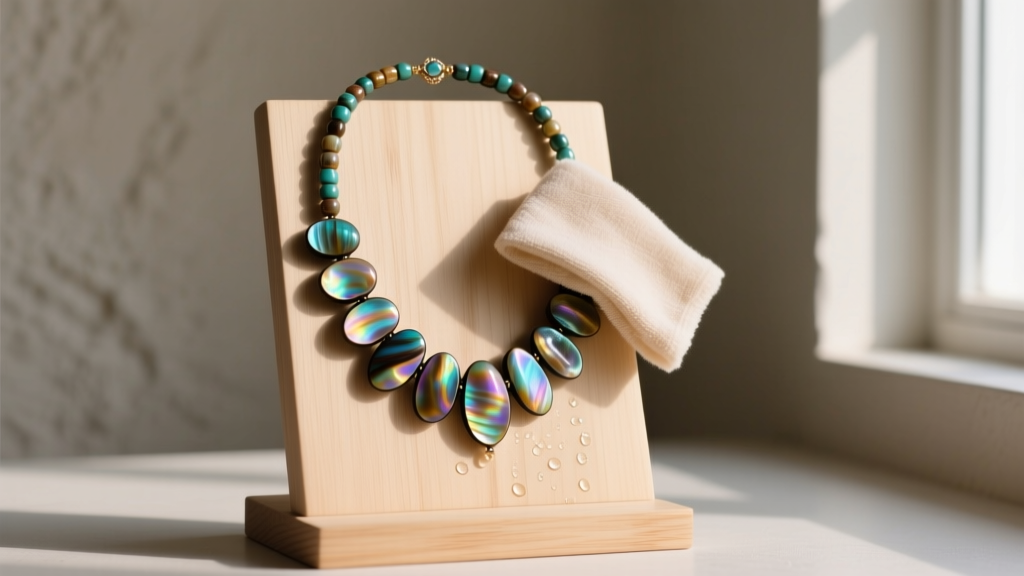
To clean a heishi necklace, lay it flat on a microfiber towel. Dampen a second, lint-free cloth with distilled water and a single drop of pH-neutral Castile soap. Gently pinch and wipe the strand, moving bead by bead. Immediately dry the strand with a separate soft cloth. For turquoise or coral heishi, skip the soap entirely and use only a slightly damp cloth, followed by a light buffing with a dry polishing cloth to restore the natural luster.
Summary Troubleshooting Checklist
Keep your heishi necklaces in pristine condition by performing this quick diagnostic check every six months:
- The Flex Test: Gently bend the necklace into a tight circle. If you hear clicking or see gaps between the beads, the tension is too loose. If it resists bending and kinks, it is too tight.
- The Clasp Inspection: Check the jump rings. If they are pulled even slightly oval, replace them with soldered rings immediately.
- The Thread Check: Examine the first and last three beads near the clasp. If you see any fuzzy fibers or discoloration on the thread, it is time to restring before a catastrophic snap occurs.
By understanding the unique structural demands of the heishi style, you can transform a fragile, frustrating strand into a lifelong, liquid-draping staple of your jewelry wardrobe.


