Curb Chain Necklace Troubleshooting: Fix Tangles & Breaks
Is your curb chain necklace tangling, kinking, or breaking? Learn expert troubleshooting tips, repair methods, and maintenance hacks to restore your chain.

The Mechanics of Curb Chain Vulnerabilities
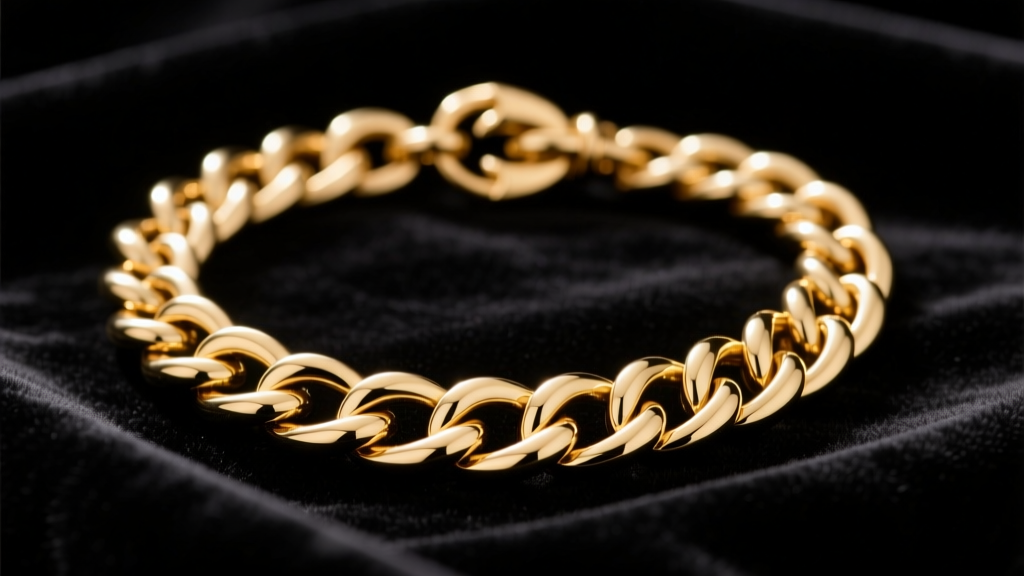
The curb chain necklace is a staple in modern jewelry, celebrated for its flat, interlocking links that sit flush against the skin. However, this very geometry is the source of its most common mechanical failures. Unlike rope or box chains, which distribute stress radially, the flattened links of a curb chain are designed to bend in one primary direction. When subjected to torsion—such as twisting during sleep or catching on a sweater—the links can fold over one another, creating severe kinks or structural weak points.
Understanding your chain's gauge (thickness) is the first step in troubleshooting. Chains under 2mm are exceptionally delicate; their links lack the mass to resist torsion, making them prone to kinking and stretching. The 3mm to 5mm range is the structural sweet spot, offering enough metal density to maintain shape while remaining flexible. Heavy curb chains (8mm and above) rarely kink, but they introduce a new problem: clasp fatigue. The sheer weight of a thick gold or silver curb chain places constant tension on the lobster clasp and jump rings, often leading to metal fatigue and eventual failure.
Step-by-Step Guide to Untangling a Severe Kink
When a curb chain kinks, the flat links wedge tightly against each other. Pulling the chain from both ends will only tighten the knot and potentially warp the metal permanently. To safely resolve this, you must eliminate friction and use precision tools.
The Lubrication and Pin Method
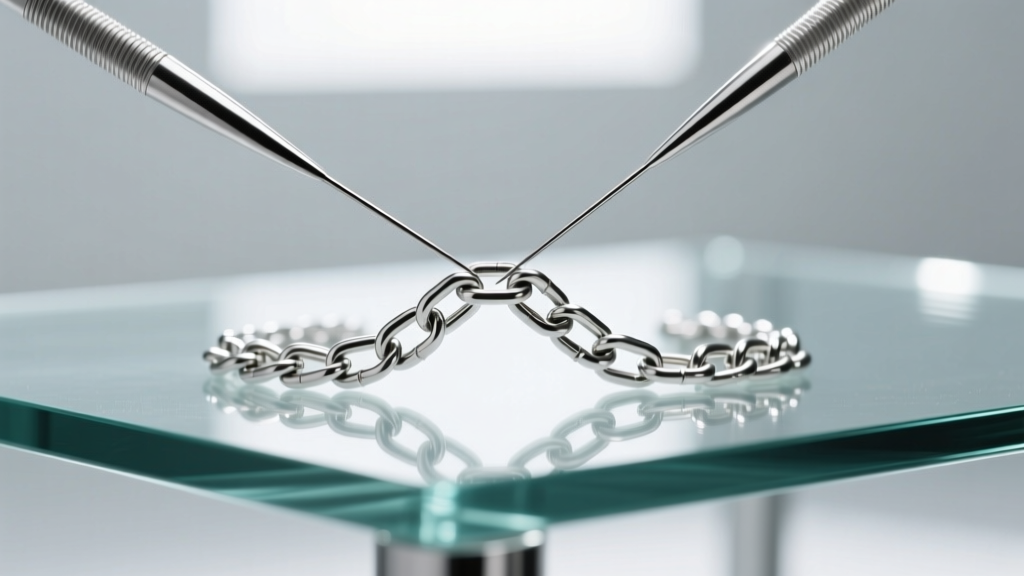
- Prepare the Workspace: Lay the necklace flat on a smooth, non-porous surface like a glass desk or a ceramic plate. Avoid fabric, which creates micro-friction.
- Apply a Dry Lubricant: Sprinkle a small amount of talcum powder or cornstarch directly over the kink. For stubborn tangles in solid gold or platinum, a single drop of mineral oil or baby oil can be used, though powder is preferred for sterling silver to avoid trapping moisture.
- Isolate the Knot: Using two fine sewing needles or specialized jewelry tweezers, gently tap the center of the kink to loosen the interlocking links. Do not pry them apart forcefully.
- Pivot, Don't Pull: Insert the tip of one needle into the center link of the knot. Use the second needle to gently rotate the adjacent links backward, reversing the torsion that caused the fold.
- Clean the Residue: Once untangled, wash the chain in warm water with a drop of mild dish soap to remove the powder or oil, then pat dry with a microfiber cloth.
'Never use your fingers to pull a micro-kink in a sub-2mm curb chain. The oils from your skin increase friction, and the blunt force of your fingertips will easily warp the soft alloy of 18k or 22k gold links.' — Master Bench Jeweler Insight
Diagnosing Structural Failures: Clasps and Jump Rings
If your curb chain necklace keeps breaking or slipping off, the issue rarely lies with the chain links themselves. The failure almost always occurs at the connection points. According to repair data from the Gemological Institute of America (GIA), clasp and jump ring failures account for over 70% of chain repairs.
| Failure Point | Symptom | DIY Troubleshooting | Professional Repair |
|---|---|---|---|
| Lobster Clasp Spring | Clasp lever feels spongy or won't snap back completely. | Use a toothpick to clear lint/debris from the lever gap. | Complete clasp replacement (soldering required for solid gold). |
| Jump Ring Gap | Chain slips off or jump ring pulls into an oval shape. | Gently squeeze the ring closed with flat-nose pliers (do not pull apart). | Soldering the jump ring shut for a permanent, seamless seal. |
| End Caps / Solder Rings | The final link connecting to the clasp is stretched or thinning. | Inspect for metal thinning; stop wearing immediately to prevent loss. | Laser welding to rebuild the worn metal or replacing the end link. |
Metal-Specific Troubleshooting and Restoration
The troubleshooting approach must adapt to the specific metallurgy of your curb chain. What works for stainless steel will destroy gold vermeil.
Sterling Silver (925) Tarnish in Crevices
Because curb chains have flat, overlapping surfaces, tarnish (silver sulfide) rapidly accumulates in the dark crevices between links. Avoid using abrasive silver dips on oxidized or intentionally antiqued curb chains, as this will strip the contrast. Instead, use a sonic jewelry cleaner with a mild, ammonia-free solution. If the tarnish is severe, a professional polishing wheel with rouge compound is required to restore the mirror finish on the flat tops of the links without rounding the edges.
Gold Vermeil and Plated Chains
Friction is the enemy of plated jewelry. On a curb chain, the flat tops of the links rest against the skin and clothing, making them the first areas to show brass or copper bleeding through worn plating. If your vermeil chain is fading, do not attempt to polish it; polishing compounds will strip the remaining gold layer. The only solution is to have the piece professionally re-plated by a jeweler who specializes in electroplating. To extend the life of plated chains, the Blue Nile jewelry care guide recommends removing them before showering or exercising, as sweat and chlorine accelerate the degradation of the gold microns.
Solid 14k and 18k Gold Scratches
Solid gold curb chains are highly susceptible to surface scratching due to their large, flat surface area. While 14k gold is harder and more scratch-resistant due to its alloy mix (copper, zinc, silver), 18k gold is softer and will develop a patina of micro-scratches over time. Light surface scratches can be buffed out with a specialized jewelry polishing cloth. Deep gouges require professional buffing, which removes a microscopic layer of gold; therefore, limit professional polishing to once every few years to preserve the chain's gauge thickness.
Preventative Maintenance Framework
Troubleshooting is reactive; maintenance is proactive. Implementing a strict storage and wearing protocol will drastically reduce the mechanical failures associated with curb chains.
The 'Clasp-Forward' Storage Method
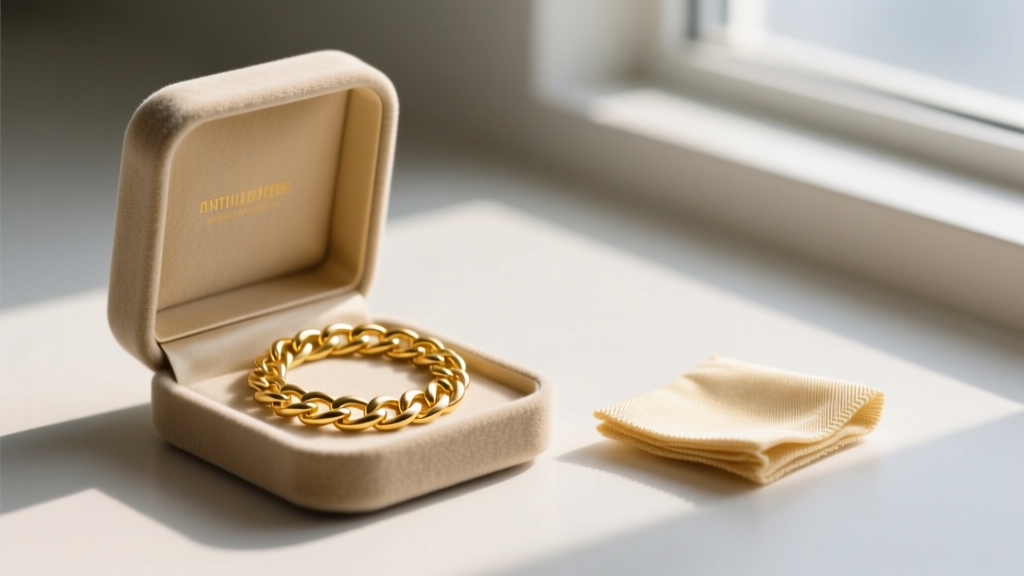
The most common cause of tangling in a jewelry box is the clasp catching on the links. When storing your curb chain necklace, always fasten the clasp and ensure it is positioned at the top of the coil, never buried in the middle. For chains under 3mm, thread one end through a plastic drinking straw before clasping it; this rigid sleeve prevents the chain from folding in on itself during transit.
Traveling with Heavy Curb Chains
If you are traveling with a heavy (8mm+) solid gold or silver curb chain, never store it in a soft pouch where it can be crushed by other items. The weight of the chain can cause the links to warp if compressed. Store heavy chains flat in a rigid, felt-lined jewelry roll, and unclasp the lobster clasp to relieve the tension on the internal spring mechanism while in storage.
By understanding the mechanical limitations of the flat-link design and respecting the specific care requirements of your chosen metal, your curb chain necklace will remain a durable, flawless staple in your collection for decades.


