Is a Gold Pikake Necklace Worth the Price? Value Guide
Discover the true value of a pikake necklace. We break down pricing tiers, gold karats, pearl grades, and how to avoid overpaying for Hawaiian jewelry.

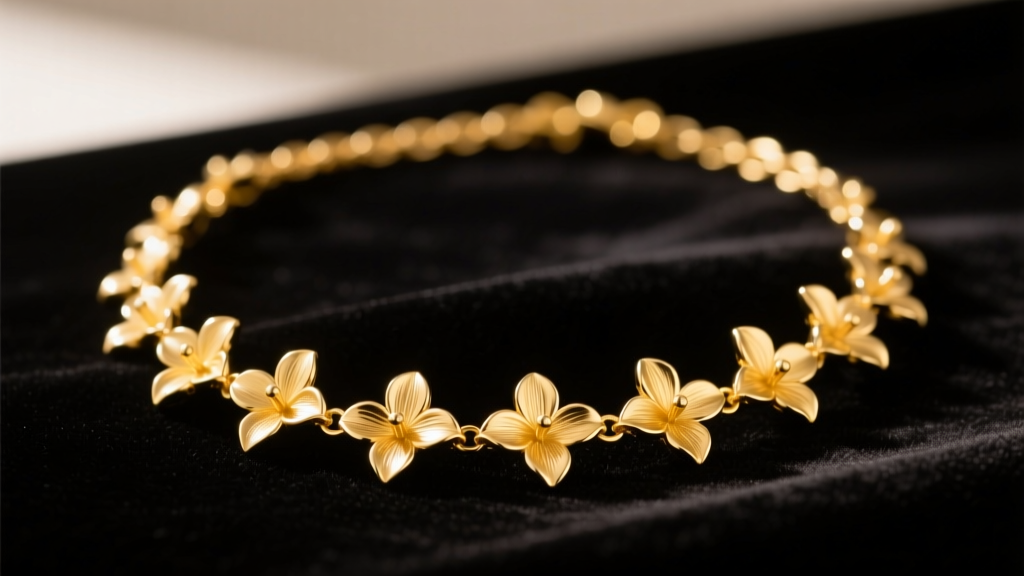
The Cultural and Material Anatomy of a Pikake Necklace
The pikake (Hawaiian for jasmine) is more than just a fragrant flower; it is a deeply rooted symbol of Hawaiian royalty and romance, famously favored by Princess Ka'iulani. In the realm of fine jewelry, a pikake necklace translates this delicate botanical into enduring metal and gemstones. However, as you browse estate sales, local Hawaiian boutiques, or online retailers, you will notice staggering price discrepancies. A pikake necklace can cost anywhere from $120 at a Waikiki tourist kiosk to over $4,500 at a heritage jeweler.
Assessing the true value of these pieces requires looking past the floral motif and examining the metallurgy, manufacturing techniques, and gemstone integration. In this comprehensive value assessment, we break down exactly what you are paying for, how to calculate the intrinsic worth of the materials, and how to identify heirloom-quality craftsmanship versus mass-produced costume jewelry.
Gold Purity: 14k vs. 18k in Hawaiian Jewelry
The foundation of any premium pikake necklace is its gold content. According to the Gemological Institute of America (GIA), gold purity drastically dictates both the durability and the intrinsic melt value of the piece.
- 14k Gold (58.5% pure): The undisputed standard for authentic Hawaiian jewelry. The higher alloy content (usually mixed with copper, silver, or zinc) provides the tensile strength necessary to hold the intricate, thin petals of a cast jasmine flower without bending or warping during daily wear.
- 18k Gold (75% pure): Reserved for luxury, high-end pikake pieces. While it offers a richer, deeper yellow hue, it is softer. An 18k pikake pendant requires a heavier gram weight to maintain structural integrity, which significantly drives up the price.
- 10k Gold or Gold-Filled: Often found in budget-tier tourist shops. While legal to sell as 'gold' in the US, 10k lacks the luster and long-term value retention of 14k. Gold-filled pikake chains have zero intrinsic melt value and will eventually tarnish or flake.
Weight, Gauge, and Intrinsic Melt Value
To accurately assess if a pikake necklace is priced fairly, you must understand its gram weight and chain gauge. A standard, well-crafted 14k solid gold pikake pendant typically weighs between 2.5 grams and 5.5 grams. With the 2026 precious metals market seeing 14k gold valued at approximately $60 to $70 per gram, the raw melt value of the pendant alone sits between $150 and $385.
When a retailer prices a 4-gram 14k pikake pendant at $650, you are paying roughly $265 for the design, casting, labor, and retail overhead—a very reasonable margin for fine jewelry. However, if that same 4-gram pendant is priced at $1,500 without the addition of premium gemstones, it is vastly overpriced.
Chain gauge is equally critical. A pikake pendant should be suspended on a chain that can support its weight without stretching. Look for a 1.2mm to 1.5mm rope or box chain. Chains thinner than 1.0mm are prone to micro-fractures and will eventually snap under the pendulum motion of a solid gold floral pendant.
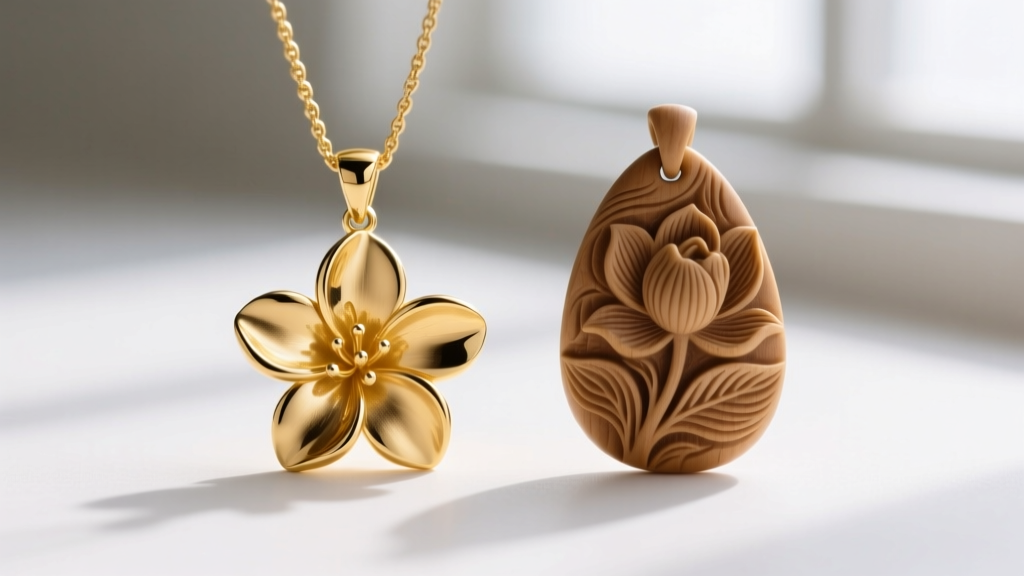
2026 Pricing Tiers: Budget vs. Heirloom Value
Use the following framework to categorize a pikake necklace you are considering for purchase. This table reflects current market averages for authentic, solid-gold pieces.
| Value Tier | Price Range | Materials & Specifications | Value Verdict |
|---|---|---|---|
| Budget / Tourist | $150 - $350 | 10k gold, sterling silver, or gold-vermeil. Die-struck flat pendants. Cubic zirconia accents. | Poor long-term value. Prone to tarnishing, denting, and loss of detail. |
| Mid-Range / Quality | $500 - $1,200 | 14k solid gold. Lost-wax cast pendants (2.5g - 4g). AAA freshwater pearl accents. 1.2mm chains. | Excellent everyday value. Balances intrinsic gold value with durable craftsmanship. |
| Luxury / Heirloom | $1,500 - $4,500+ | 18k gold or heavy 14k (5g+). Tahitian black pearls. Hand-painted vitreous enamel. Custom clasps. | Superior investment. Retains value well and serves as a generational artifact. |
The Manufacturing Method: Casting vs. Die-Striking
Value is heavily dictated by how the jasmine flower is formed. Die-struck pikake pendants are stamped from thin sheets of metal. They are lightweight, flat, and lack the three-dimensional curvature of real jasmine petals. They dent easily and offer low resale value. Lost-wax casting, the method used by heritage jewelers like Maui Divers Jewelry, creates a 3D wax model that is encased in plaster and burned out, leaving a mold for molten gold. This results in deep undercuts, realistic petal folding, and a substantial, satisfying weight that justifies a higher price point.
Gemstone and Enamel Accents: Where the Premium Lies
Many pikake necklaces integrate pearls or enamel to mimic the white and green hues of the living jasmine vine. Assessing these additions requires a trained eye.
Pearl Integration: Freshwater vs. Tahitian
According to the GIA's pearl grading standards, the origin and nacre quality of a pearl drastically alter the necklace's price.
- Shell Pearls / Bead Imitations: Often found in sub-$200 necklaces. They are glass or plastic beads coated in a pearlescent fish-scale extract. They hold zero gemological value.
- AAA Freshwater Pearls: The sweet spot for mid-range pikake necklaces. These offer brilliant luster, near-perfect roundness, and add roughly $50 to $120 to the base gold value of the piece.
- Tahitian Black Pearls: The pinnacle of Hawaiian pearl jewelry. A genuine Tahitian pearl with peacock overtones set into the center of a 14k gold pikake blossom can add $400 to $1,000+ to the necklace's value. Always look for a certificate of authenticity or buy from a verified Hawaiian jeweler to avoid dyed freshwater imposters.
The Enamel Factor: Vitreous vs. Cold
If the pikake necklace features green enamel leaves or white petal detailing, determine the enamel type. Vitreous enamel is powdered glass fired in a kiln at over 1,400°F. It is permanent, scratch-resistant, and adds significant artisan value to the piece. Cold enamel (epoxy resin) is essentially painted on and air-dried. It will yellow, scratch, and chip within three to five years of regular wear. Never pay a luxury premium for cold enamel.
Authentication and Craftsmanship Checklist
Before finalizing a purchase, especially for vintage or estate pikake necklaces, run through this physical inspection checklist to ensure structural integrity and authentic value:
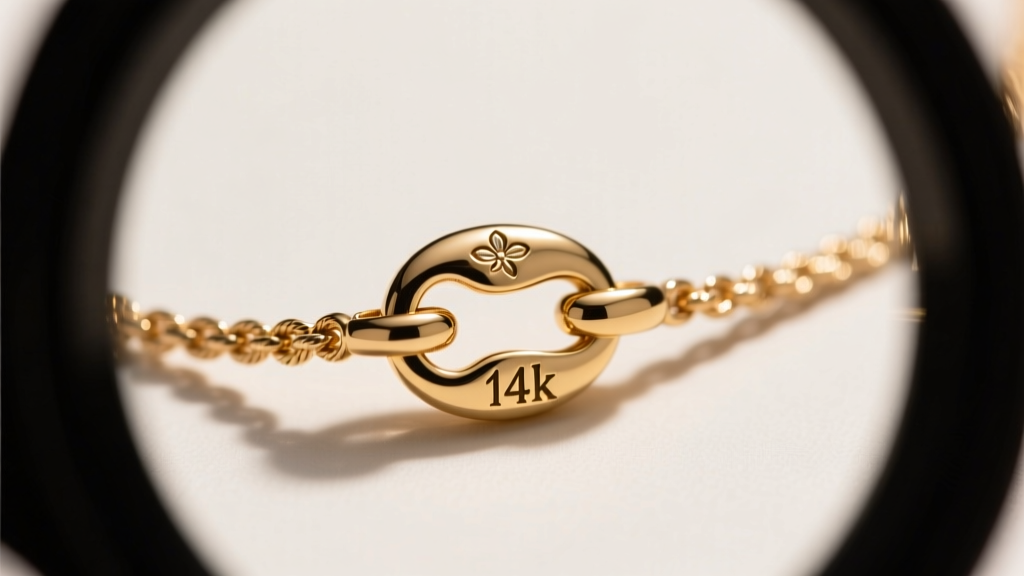
- Locate the Hallmark: Use a jeweler's loupe to inspect the clasp and the bail (the loop holding the pendant). You must see '14k', '585', or a registered maker's mark. Unmarked pieces should be priced strictly on scrap gold value.
- Inspect the Jump Rings: The jump ring connecting the pendant to the chain must be soldered shut. If there is a visible gap, the pendant will eventually slide off and be lost.
- Check for Porosity: Poorly cast gold will show tiny, sand-like pits on the surface of the petals. This is a sign of rushed manufacturing and oxygen contamination during the melt, which weakens the metal.
- Test the Clasp Mechanism: A high-value pikake necklace should feature a solid lobster claw or a custom fish-hook clasp. Spring-ring clasps are cheap, difficult to operate, and indicate a lower-tier assembly.
Long-Term Maintenance and Hidden Costs
When budgeting for a pikake necklace, factor in long-term maintenance. If you opt for 14k white gold, the rhodium plating that gives it a bright white finish will wear off, especially on the high-friction areas of the floral links. Expect to pay $35 to $60 for professional re-plating every 12 to 18 months. Conversely, 14k yellow gold requires zero plating and can be cleaned safely at home with a soft brush and mild dish soap, making it the superior choice for a low-maintenance, high-value investment.
Note: Never use ultrasonic cleaners on pikake necklaces featuring pearls or vitreous enamel. The high-frequency vibrations can fracture the pearl's nacre or shatter the glass enamel, instantly destroying the piece's value.
Final Verdict: Is It Worth the Investment?
A solid 14k gold pikake necklace is an exceptional jewelry investment, provided you buy it for the right reasons. If you are seeking a piece with deep cultural resonance, exceptional durability, and intrinsic precious metal value, it is absolutely worth the mid-range price tag of $600 to $1,200. However, buyers must aggressively avoid overpriced tourist traps selling lightweight, die-struck 10k gold or gold-filled imitations. By prioritizing lost-wax casting, proper chain gauges, and genuine gemstone accents, you secure a piece of Hawaiian heritage that will retain both its financial and sentimental value for generations.


