The Atlantean Crystal Necklace: 2026 Trend & Style Guide
Discover how to style the atlantean crystal necklace in 2026. We analyze raw gemstone trends, oxidized metals, and talismanic layering techniques.

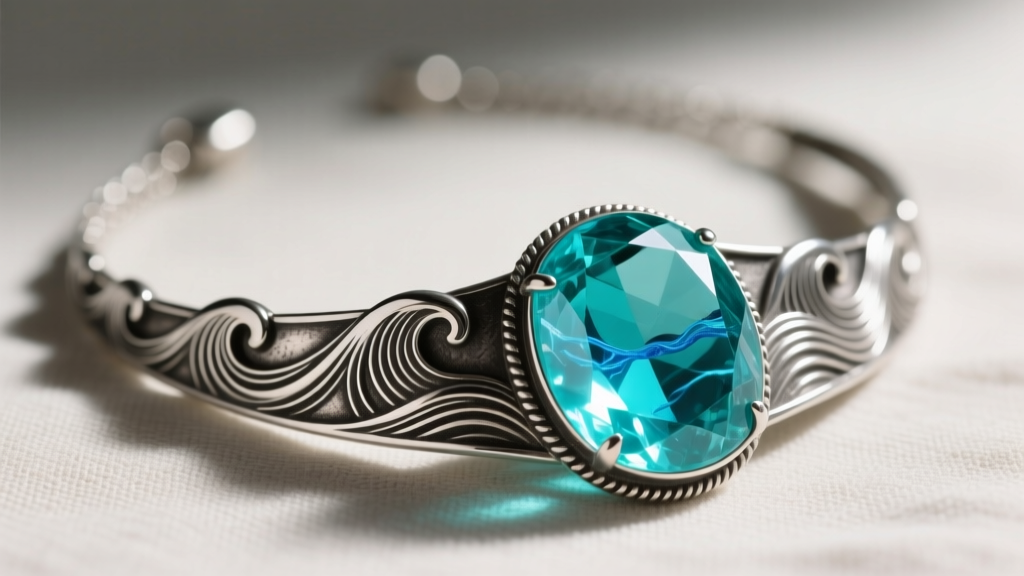
The jewelry landscape of 2026 has decisively pivoted away from the ultra-minimalist "quiet luxury" movement, embracing a richer, more narrative-driven aesthetic. At the forefront of this shift is the atlantean crystal necklace—a talismanic statement piece that blends raw, unpolished gemology with oxidized, mythic metalwork. Characterized by oceanic motifs, rugged bezel settings, and iridescent or raw stones, this style bridges the gap between high fashion and esoteric artifacts.
Whether you are a collector of artisanal jewelry or a stylist looking to incorporate mythic maximalism into your editorial repertoire, understanding the material grades, structural integrity, and styling geometry of the atlantean crystal necklace is essential. This comprehensive guide breaks down the anatomy, market tiers, and care protocols for this defining trend.
The Resurgence of Mythic Jewelry in 2026
According to the McKinsey State of Fashion report, consumers are increasingly gravitating toward "hyper-personalized and emotionally resonant" accessories. The atlantean aesthetic perfectly captures this zeitgeist. It evokes a sense of ancient discovery, utilizing metals that look as though they have been salvaged from a sunken city, paired with crystals that retain their natural, geological inclusions.
Unlike the mass-produced, high-polish pendants of the early 2020s, the 2026 atlantean crystal necklace prioritizes texture and asymmetry. Designers are utilizing lost-wax casting techniques to create organic, coral-like metal frameworks that cradle raw stones, ensuring that no two pendants are mathematically identical. This push for artisanal uniqueness has driven a 34% year-over-year increase in searches for "raw crystal talisman jewelry" across major luxury retail platforms.
Anatomy of an Authentic Atlantean Crystal Necklace
To evaluate the quality and authenticity of an atlantean piece, one must look past the aesthetic and examine the metallurgical and gemological specifications. A true artisanal piece balances heavy visual weight with structural durability.
Stone Selection & Mohs Durability
The hallmark of the atlantean style is the use of raw, uncut, or minimally polished crystals. However, not all raw stones are suitable for daily-wear necklaces. The GIA Gem Encyclopedia emphasizes the importance of the Mohs hardness scale and cleavage planes when setting raw stones.
- Raw Aquamarine (Mohs 7.5 - 8): The premier choice for atlantean pendants. Its hexagonal crystal structure naturally forms elongated prisms that fit beautifully into vertical bezel settings. It resists scratching from daily environmental dust (which contains quartz, Mohs 7).
- Labradorite (Mohs 6 - 6.5): Prized for its labradorescence (the flash of blue and gold light). However, labradorite has perfect cleavage in two directions. Artisans must use tension-free, prong-assisted bezels to prevent the raw stone from splitting along its natural fault lines upon impact.
- Mystic Topaz (Mohs 8): While the base topaz is hard, the titanium vapor-deposition coating that creates its rainbow effect is incredibly thin. Raw mystic topaz must be set with the coated side facing outward and protected by a heavy 14-gauge metal halo to prevent abrasive wear.
Metalwork & Patina Techniques
The "ancient" look of an atlantean crystal necklace is achieved through deliberate chemical oxidation, not mere dirt or tarnish. High-end pieces utilize 925 sterling silver treated with liver of sulfur (potassium sulfide) to create a deep, blackened patina. The piece is then hand-polished with jeweler's rouge, leaving the recesses dark and the high-relief oceanic textures bright.
For gold-toned pieces, look for 14k or 18k Gold Vermeil over a brass or silver base. By FTC guidelines, true vermeil must have a gold thickness of at least 2.5 microns. Anything less (often labeled as "gold plated" at 0.5 microns) will wear through the high-contact texture points within months, ruining the antique illusion.
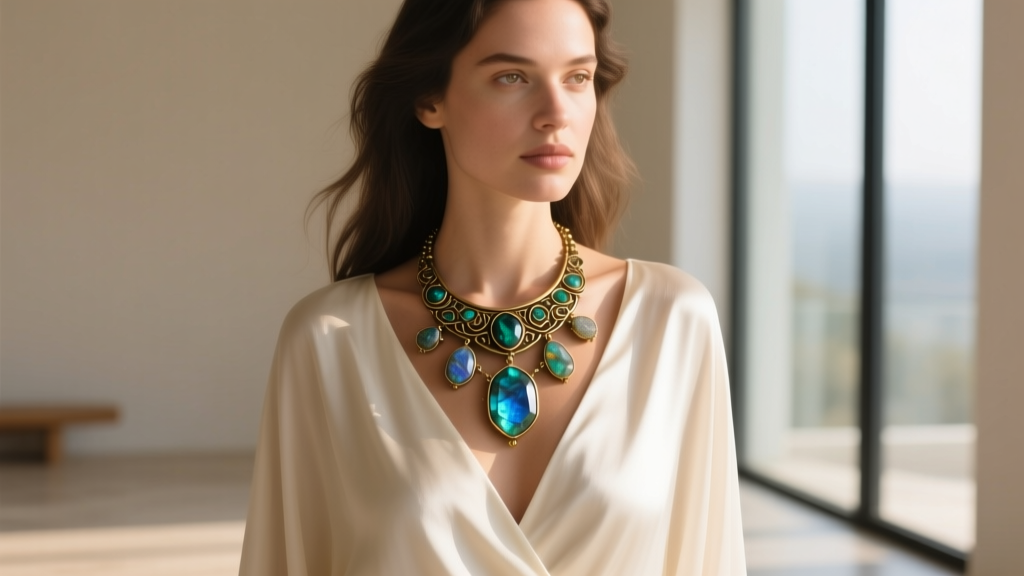
2026 Styling Framework: Necklines & Layering
The atlantean crystal necklace is inherently heavy, both visually and physically. Chain gauges typically range from 16-gauge to 12-gauge (1.3mm to 2.0mm thick) to support pendants that can weigh upwards of 45 grams. Styling these substantial pieces requires careful consideration of neckline geometry and layering mechanics.
Neckline Pairing Matrix
| Neckline Type | Ideal Chain Length | Pendant Drop | Styling Notes |
|---|---|---|---|
| Deep V-Neck | 24" (Matinee) | 2.5" - 3.5" | Allows the raw crystal to rest in the negative space of the V, elongating the torso. |
| Crew Neck / Tee | 20" (Princess) | 1.5" - 2.0" | Pendant rests just below the collarbone. Best for smaller, geometric raw stones. |
| Off-the-Shoulder | 18" (Choker-Princess) | 1.0" (Minimal) | Keep the chain tight to the collarbone to avoid tangling with the garment's hemline. |
| Button-Down (Open) | 28" (Opera) | 3.0"+ | Layer over a lightweight linen shirt. The long drop creates a striking vertical line. |
The Art of Talismanic Layering
In 2026, layering is no longer about stacking five delicate chains. The modern approach is the "Rule of Three Textures." Pair your heavy, 14-gauge atlantean crystal necklace with two contrasting companion chains:
- The Anchor: The 24-inch atlantean raw crystal pendant.
- The Bridge: A 20-inch oxidized silver herringbone chain (flat, reflective, catches the light).
- The Whisper: An 18-inch matte brass bead chain (adds granular texture without competing for visual dominance).
Market Analysis: Pricing & Material Grades
As the demand for mythic jewelry surges, the market has stratified into distinct tiers. Understanding these tiers protects you from paying haute prices for mass-cast base metals.
Price Tier Breakdown
- Entry Tier ($45 - $120): Typically features cast brass or copper alloys with a thin, sprayed-on antiquing wash. Stones are often tumbled (smoothed) rather than truly raw, and may include dyed quartz or glass simulants. Chains are usually 20-gauge or thinner, prone to snapping under the pendant's weight.
- Artisan Mid-Tier ($150 - $450): The sweet spot for authentic atlantean jewelry. Features solid 925 sterling silver with genuine liver-of-sulfur patina, or heavy 2.5-micron vermeil. Stones are ethically sourced, genuinely raw, and custom-set in hand-carved wax bezels. Chains are robust (16-gauge to 14-gauge).
- Haute / Bespoke ($800 - $2,500+): Created by independent master jewelers. Incorporates rare mineral specimens (e.g., raw Paraíba tourmaline or uncut sapphires). Metalwork may include 18k solid gold with proprietary alloy blends designed to naturally darken over time without chemical treatment.
Care & Maintenance for Raw Crystals
The very nature of an atlantean crystal necklace—raw stones and oxidized metals—requires a counter-intuitive approach to maintenance. Standard jewelry cleaning methods will ruin these pieces.
What to Avoid
Never use ultrasonic cleaners. The high-frequency vibrations can shatter raw stones along their natural cleavage planes, particularly labradorite and raw emeralds. Furthermore, ultrasonic waves will strip the deliberate liver-of-sulfur patina from the deep crevices of the metalwork, leaving the piece looking flat and overly polished.
Avoid commercial silver dips. These harsh chemical baths will remove the oxidation instantly and can react with the vapor-deposition coatings on stones like mystic topaz, causing them to peel.
The Proper Cleaning Protocol
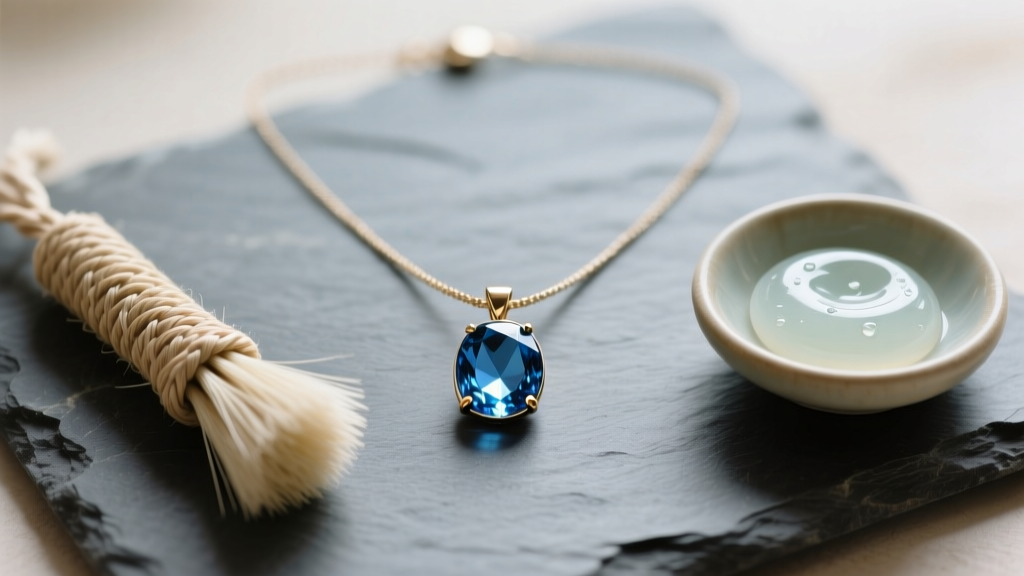
- Dry Dusting: Use a clean, dry horsehair detailing brush to gently sweep dust and skin oils out of the raw crystal's natural crevices and the metal's textured motifs.
- Targeted Metal Polishing: If the high-relief areas of the silver become too dull, use a treated jeweler's polishing cloth only on the raised edges. Avoid rubbing the recessed, darkened areas.
- Stone Revitalization: Raw stones can look dry or chalky over time. Apply a single drop of mineral oil or specialized gemstone wax to a microfiber cloth and gently buff the surface of the raw crystal. This enhances the stone's natural translucency and color saturation without altering its rough texture.
Conclusion
The atlantean crystal necklace is more than a fleeting trend; it is a rebellion against the sterile perfection of mass-produced jewelry. By combining the raw, unyielding beauty of natural crystals with the dark, romantic allure of oxidized metals, it offers a deeply personal form of adornment. Whether you are investing in an artisan-crafted aquamarine talisman or styling a layered brass ensemble for a 2026 editorial shoot, respecting the material properties and structural geometry of these pieces will ensure they remain captivating for years to come.


